Seventeenth-century Spain was a Habsburg empire fraying at the edges through costly wars and economic strain, yet simultaneously bursting with creative energy in what became known as the Siglo de Oro, or Golden Age. The Counter-Reformation gave artists urgent purpose, with the Church commissioning imagery designed to move the faithful and assert Catholic glory. Seville became the crucible in which all three of these great painters were forged.
Francisco de Zurbarán
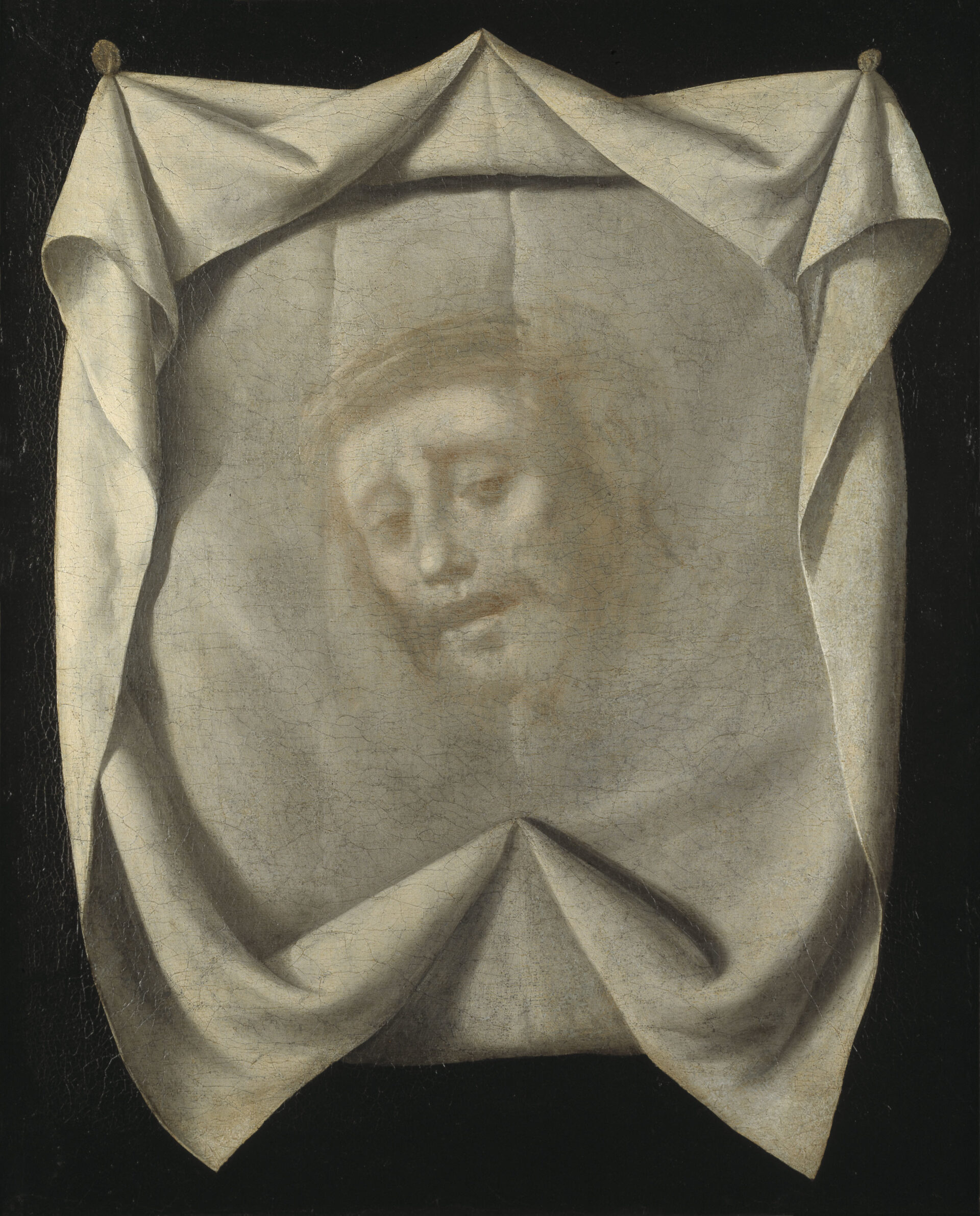
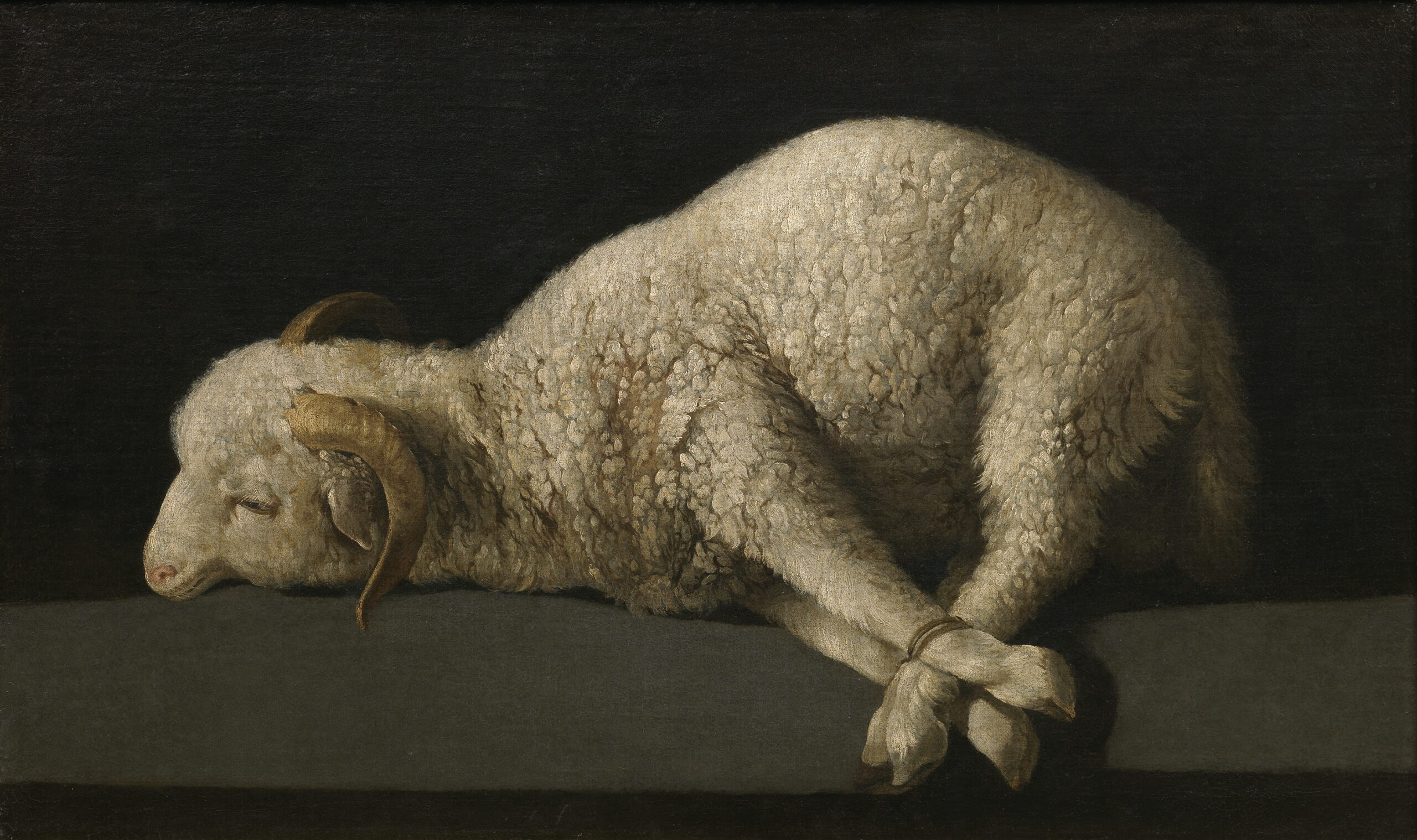
Zurbarán is best remembered for his renderings of austere monks and candlelit stillness, but his palette was far broader than his reputation suggests. His still lifes, for instance, are inviting in their warm tones while The Virgin of the Rosary venerated by Carthusians speaks to the rich range of colour he worked with. Where he truly dazzled was in his extraordinary rendering of fabric, whether depicting the heavy wool of Franciscan habit or embroidered vestments so tactile you can practically feel the thread.
Diego Velázquez
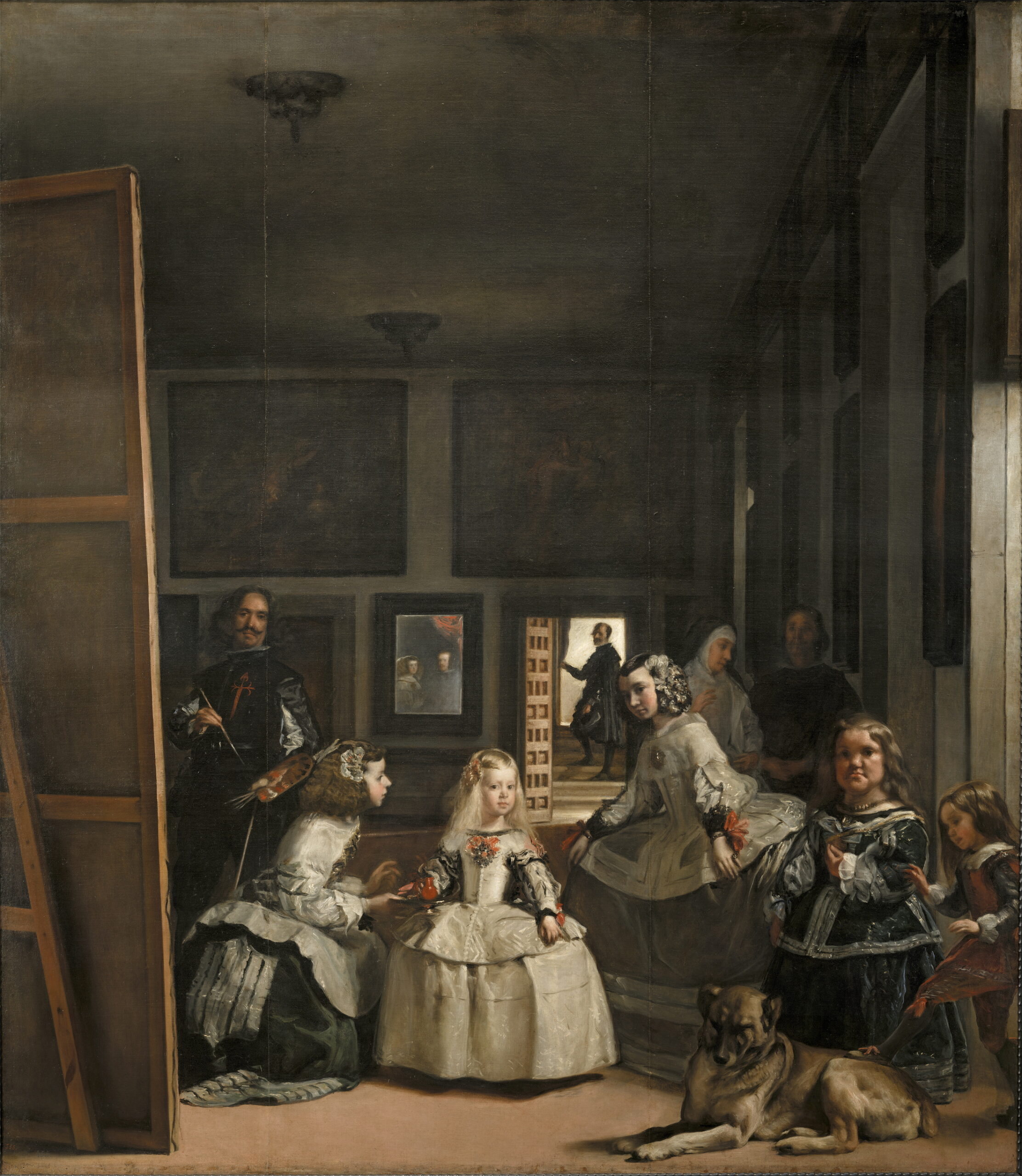
Velázquez worked at the summit of Spanish power as court painter to Philip IV, resulting in a proximity to privilege that gave his work an intimacy with the ruling class. Notably, though, he used it to quietly subvert hierarchy, most famously in Las Meninas, where the king and queen appear only as reflections in a mirror while servants and a dog occupy centre stage. His technique was quite ahead of its time: loose impressionistic brushwork that edges into realism at a distance, influencing the French Impressionists two centuries later.
Bartolomé Esteban Murillo
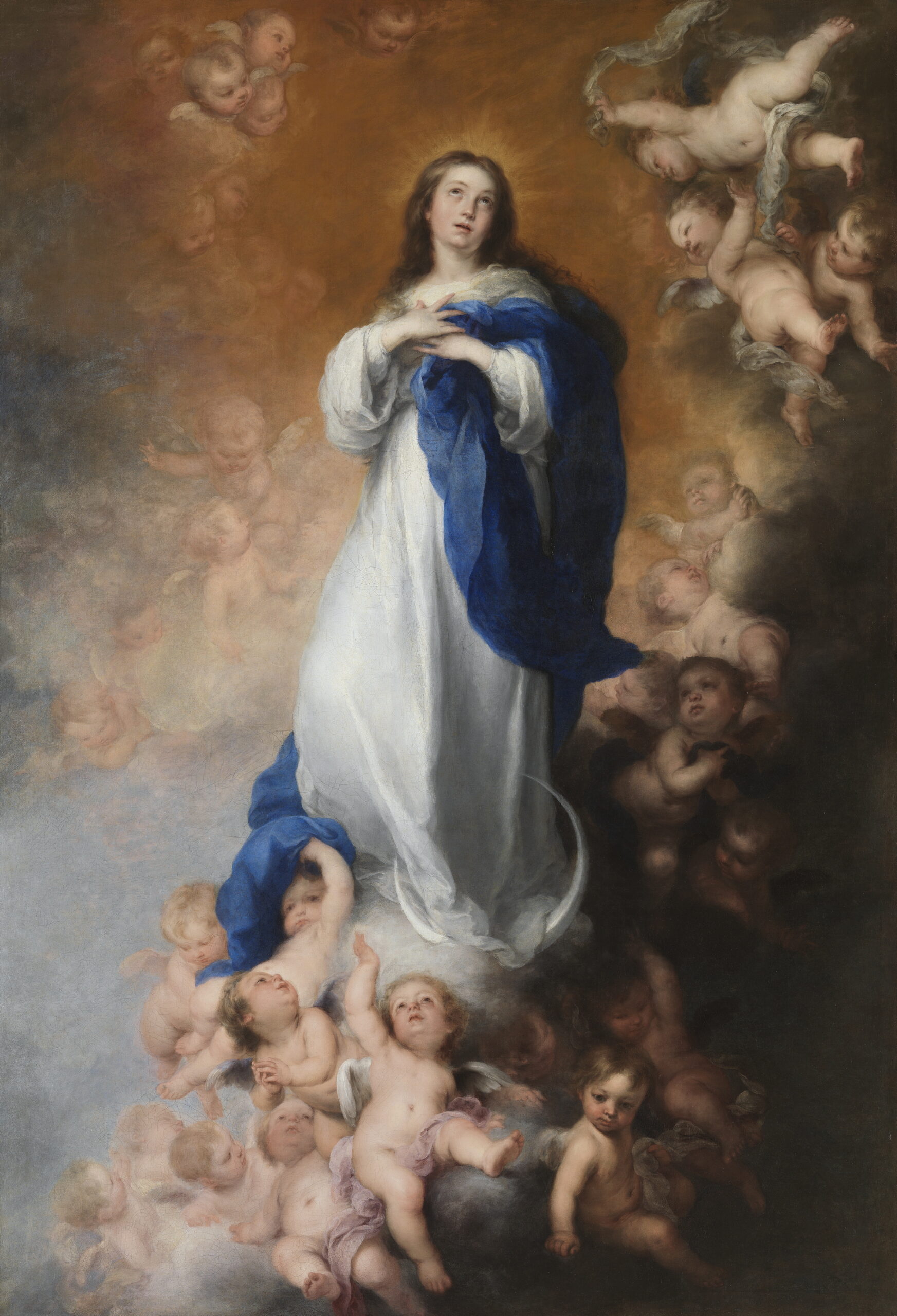
Murillo was perhaps the most beloved of the three in his own lifetime, and his works hint as to why. Where Zurbarán could feel severe and Velázquez cerebral, Murillo brought warmth and tenderness. His Immaculate Conception paintings, for instance, bathed the Virgin in silvery light and adoring cherubs. He co-founded the Seville Academy of Fine Arts in 1660 alongside Velázquez.