

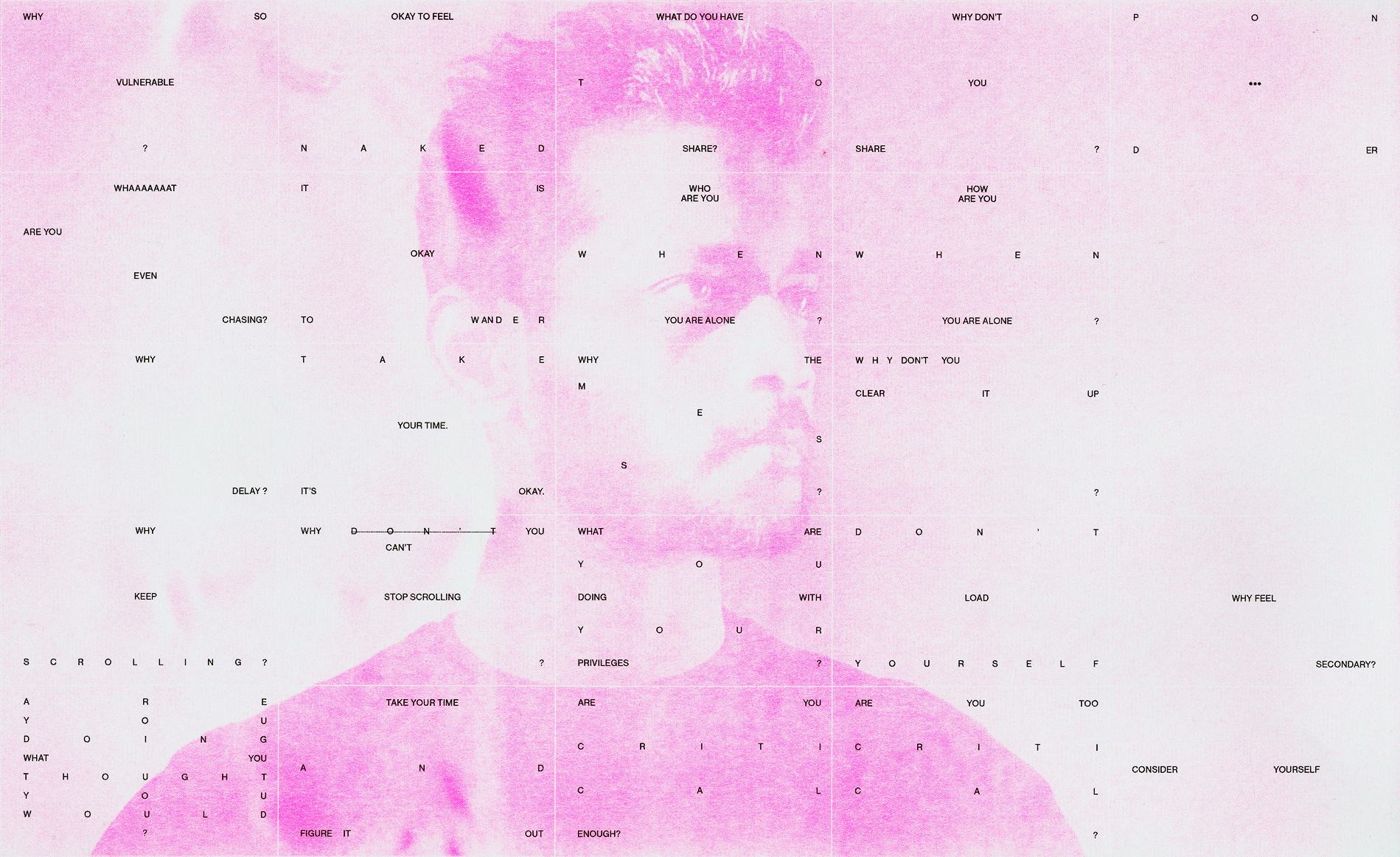
As the graphic design industry grapples with the rapid integration of artificial intelligence, the role of the designer is undergoing a fundamental transformation. With accessible AI design tools that cover graphic design, logos and branding, this fast implementation brings its own set of challenges; be it authenticity to algorithmic bias and job displacement.
For Harshal Duddalwar, a New York-based designer and art director with experience across prestigious institutions like The New York Times, Pentagram, Microsoft and 2X4, this is not just a technological shift; it is a call for increased intellectual rigor.
With an MFA from the Rhode Island School of Design (RISD), Duddalwar has built his career on the intersection of structure, geometry, and human-centered storytelling. In the face of generative AI, he views his practice through the lens of an editor or even a curator.
“AI has shifted the speed and scale that ideas can be explored,” Duddalwar says. “Tasks that once took days can now happen in hours. That changes the role of the designer. I spend less time producing variations, and more time deciding what is worth pursuing.”
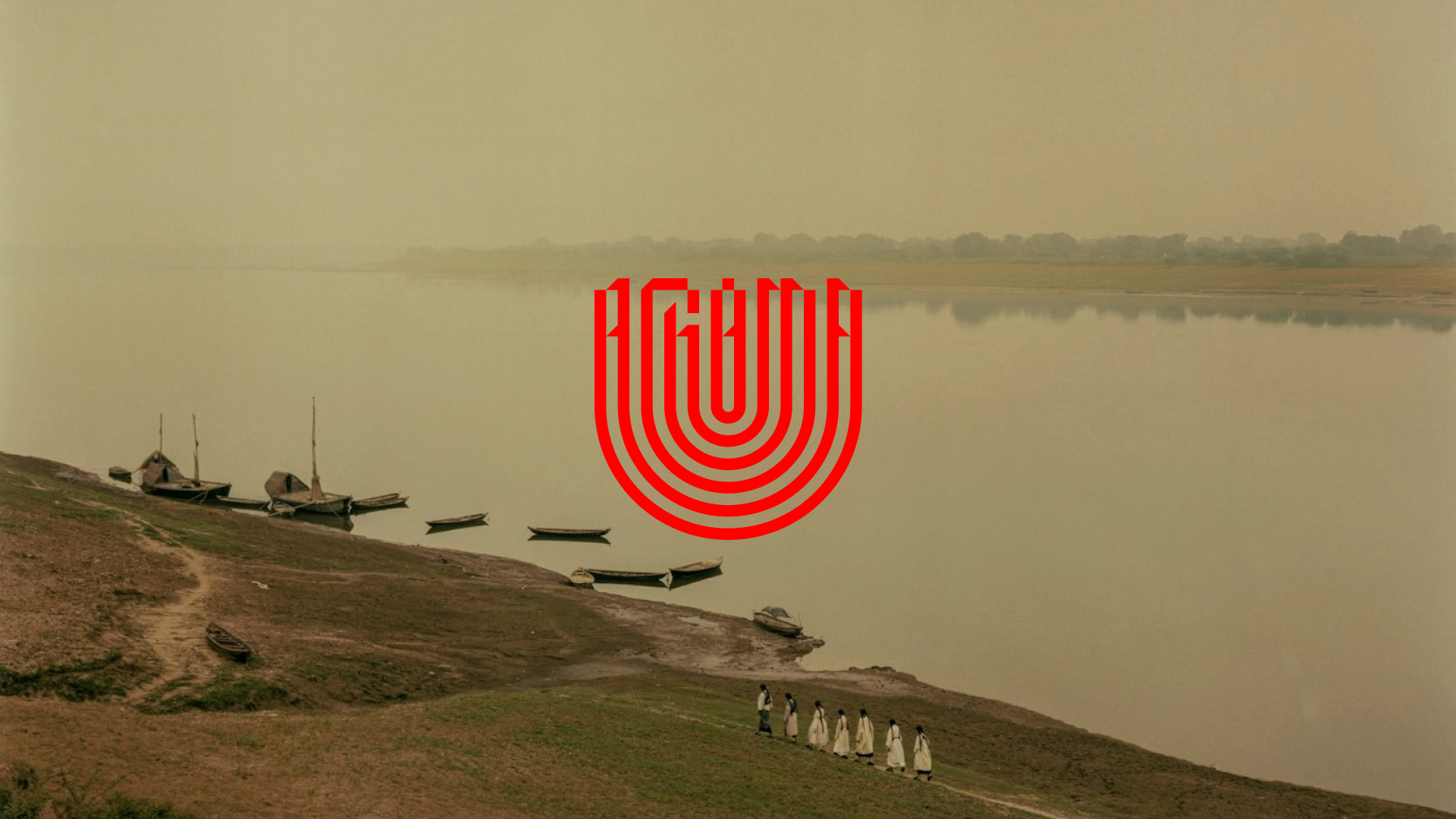
As he sums up the creative process: “The judgment becomes more important than the execution.”
For Duddalwar, the democratization of creative tools means that technical proficiency is no longer the differentiator. If the barrier is lowered, the value shifts toward the designer’s own personal taste, intent and creative clarity. He describes his current process as both generative and editorial: building from scratch while also selecting, refining, and shaping ideas, at times taking on a more curatorial role.. “It is useful,” he notes, “but it also demands more responsibility in how you use it.”
There is a danger of dependency, however. While AI offers unprecedented efficiency, Duddalwar warns of a creeping culture of complacency. He argues that when designers rely on automation without critical oversight, the result is often work that feels repetitive, bland and lacking in intention.
“The problem is not the tool itself, but how it is used,” he said.
If AI becomes a substitute for thinking, the work starts to feel generic,” he explains. “You see patterns repeating without any intention behind them. I think the role of the designer is to stay critical. To question why something exists, not just how it looks.”
To Duddalwar, AI should function as an extension of the designer’s intent. It isn’t a replacement for their decision-making. As long as the designer maintains the “why” behind their work, the technology remains a tool (rather than a crutch).
Despite the growing shift toward digital and screen-based design, Duddalwar’s core philosophy remains anchored in human resonance. His approach to design is a form of storytelling; a delicate balance of form, function, and feeling.
“Form gives the work its clarity, function ensures it works in context and feeling is what makes it resonate,” he says. His process often begins with the logic of grids and hierarchy, the structural foundation, before layering in emotion through pacing, imagery, or intentional restraint. “I try not to force it. The goal is not to dramatize, but to let the content carry its own weight.”
This way of thinking carries directly into his approach to brand identity, where conceptual coherence and critical judgment is key.
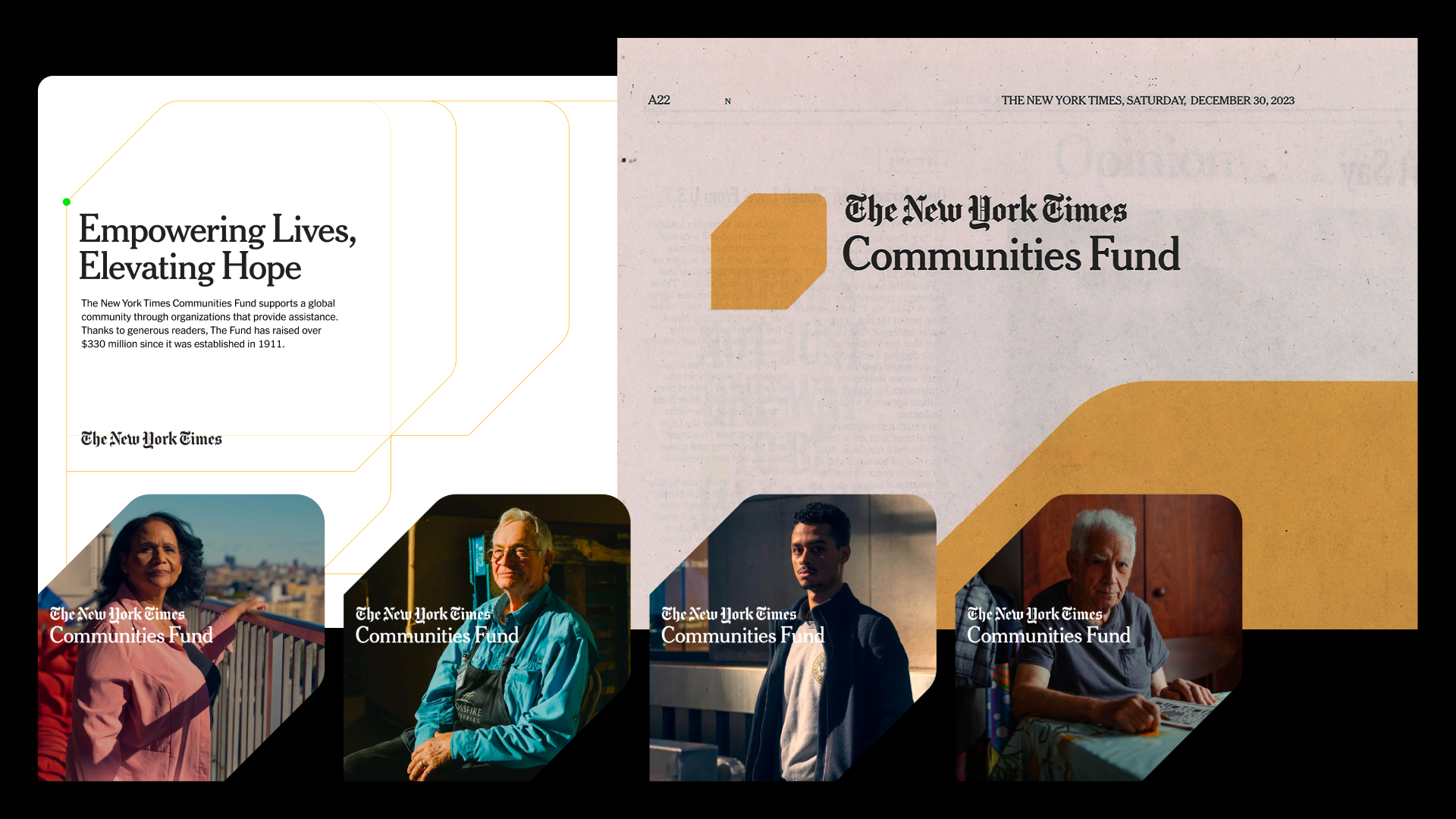
Whether he is shaping the systematic iconography for The New York Times across products like Games, Cooking, Audio, Wirecutter and The Athletic, Duddalwar sees AI as a useful tool for visualization, but not a substitute for a strong conceptual foundation. If anything, he suggests that living in an age of infinite digital variation makes a clear, consistent identity more valuable than ever.
“At The New York Times, especially in work around Audio and editorial visuals, the focus was often on clarity and tone, rather than novelty,” he said. “The goal was to create systems that could support a wide range of stories while still feeling grounded and human.”
Feelings, empathy, and human perspective will become the defining qualities of creative work as AI and automation expand, notes Duddalwar.
“As more work becomes automated, the value of human perspective becomes clearer,” he explains. “AI can replicate patterns, but it does not have lived experience. It cannot understand context in the way people do. Feelings and empathy come from that understanding. They shape how something is communicated and how it is received. I think we will start to notice the difference more; work that feels considered, that reflects a point of view, will stand out. It is not about adding emotion artificially; it is about grounding the work in something real. That is where design can remain distinct.”
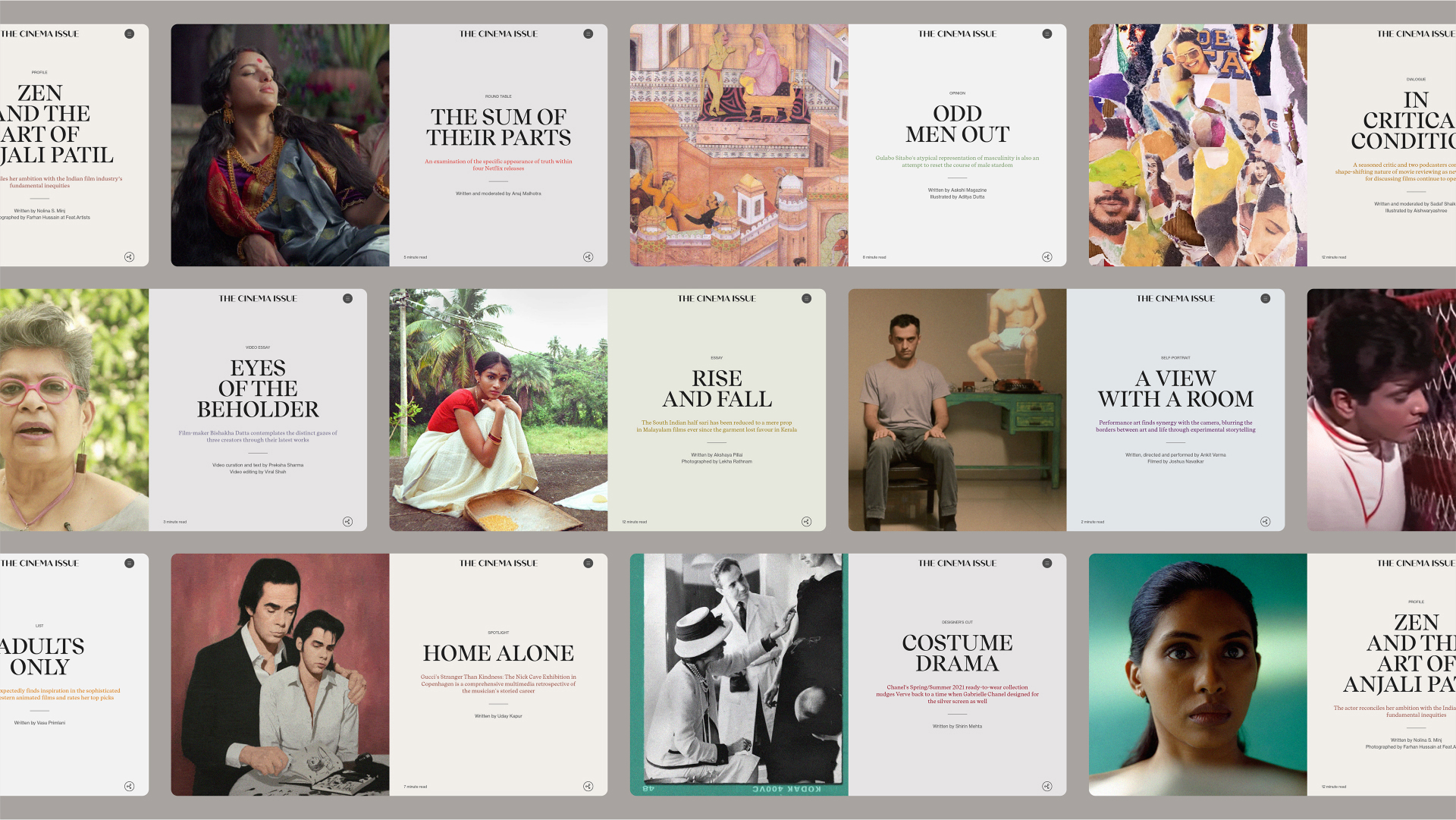
Across his work in brand identity, visual systems, digital products, and editorial design , holding back becomes a form of creative expressions.
“A lot of design decisions came down to restraint,” he said. “Letting typography, pacing and imagery carry the narrative, without overdesigning it, was key. Even when working at scale, we tried to retain a sense of care in how each piece was presented. That consistency builds trust.”
The rise of automation hasn’t diminished the role of a designer; if anything it has invited them to be more intentional, more critical, and ultimately, more human.
As Duddalwar puts it, “It may not be immediately visible, but it shapes how people experience and connect with the work over time.”
Visit Harshal Duddalwar’s website, harshald.com.

