

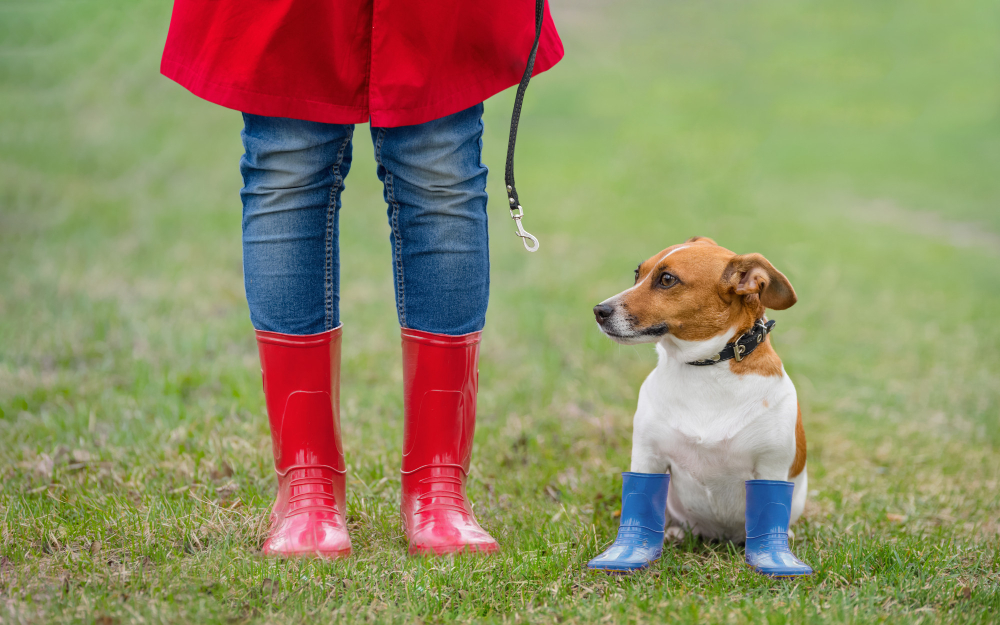
Heading outdoors with a four-legged companion ranks among life’s simple pleasures. Yet rough terrain hides real dangers for unprotected paws. Jagged rocks, scorching pavement, icy trails, and abrasive gravel can slice, burn, or wear down paw pads faster than most owners realize. Too often, pet parents only think about paw protection after an injury happens. Knowing the risks ahead of time helps prevent painful wounds, limping, and costly trips to the vet. Here’s what every dog owner should understand about terrain hazards and how the right gear keeps paws safe.
Common Terrain Hazards That Damage Paws
Rocky Trails and Gravel Paths
Loose stones and uneven rock act like coarse sandpaper on paw pads. Over miles of hiking, even tough pads wear thin and crack. Tiny pebbles wedge between toes, leading to soreness or infection if left unnoticed. Mountain paths and unpaved roads deliver constant friction that breaks down skin over time. Choosing durable boots for dogs gives reliable defence against sharp rocks, temperature extremes, and hidden debris.
Extreme Temperatures
Asphalt baking under the summer sun can climb past 60°C, hot enough to blister paw pads in seconds. On the opposite end, frozen ground and packed ice bring frostbite risks during cold months. Road salt and chemical de-icers make matters worse by drying out and cracking sensitive skin.
Thorns and Debris
Forest floors conceal hazards that paws discover the hard way: thorns, shattered glass, rusty metal, and splintered branches. One puncture wound can keep an otherwise healthy dog off trails for weeks. Wet leaves and mud hide these dangers even more effectively.
Signs of Paw Damage to Watch For
Dogs instinctively mask discomfort, so spotting trouble early takes attention. Limping or hesitation before stepping signals that something already hurts. Pads that look red, puffy, or cracked point to abrasion or thermal burns. A dog obsessively licking one foot often feels irritation or pain there. Blood between the toes means a cut or embedded object needs care. Quick paw checks after each outing catch small problems before they grow.
How Protective Footwear Prevents Injuries
Well-made boots put a durable layer between tender pads and punishing surfaces. A quality pair grips slick terrain while blocking abrasion. Boots also shield paws from irritating chemicals and keep healing wounds clean.
Traction and Stability
Textured rubber soles grip wet stone, ice, and polished floors far better than bare pads. With a confident footing, dogs move more freely and place less stress on joints. Fewer slips mean fewer twisted legs and awkward falls.
Temperature Regulation
Insulated linings guard against frozen ground in winter. Breathable fabrics prevent overheating when temperatures rise. This balance keeps paws comfortable whether exploring snowy ridges or sun-warmed trails.
Choosing the Right Fit
A secure fit keeps boots in place without pinching. Measure paw width and length while the dog stands naturally on a flat surface. Fastenings should hold snugly at the ankle yet leave room for healthy blood flow. Proper sizing allows toes to spread as they would barefoot.
Material Considerations
Waterproof shells keep rain and stream crossings from soaking pads. Flexible soles move with natural paw motion instead of fighting it. Reinforced toe caps handle extra abuse on rocky ground. Reflective accents help drivers and hikers spot dogs in dim light.
Getting Dogs Comfortable With Footwear
Most dogs need a short adjustment period before boots feel normal. Begin indoors with brief sessions lasting just a few minutes. Pair each fitting with treats and praise so boots become a positive experience. Slowly extend wearing time, then practice on familiar pavement before tackling rugged terrain.
Common Adjustment Challenges
High-stepping or exaggerated gaits usually fade after a handful of practice walks. Some dogs shake their feet or paw at the fastenings initially. Patience and consistency help them adapt. Once past the learning curve, most dogs accept boots as standard gear for adventures.
When Boots Are Essential
Certain conditions demand paw protection no matter a dog’s usual tolerance. Summer outings across exposed rock or blacktop require barriers against heat. Winter walks on treated sidewalks call for chemical shielding. Dogs recovering from surgery or nursing injuries benefit from covered paws. High-energy breeds logging long miles on rough ground face heightened abrasion risks every outing.
Conclusion
Guarding paws on challenging terrain spares dogs from preventable pain and keeps them active for years to come. Sharp stones, blistering pavement, freezing ice, and hidden debris threaten bare feet on every trail. Quality boots deliver essential protection while boosting grip and comfort across seasons. A bit of time spent finding the right fit, plus patient introduction, pays off through safer and more enjoyable outings. Healthy paws support mobility and happiness, making solid footwear a smart choice for any owner who loves exploring alongside their dog.

