

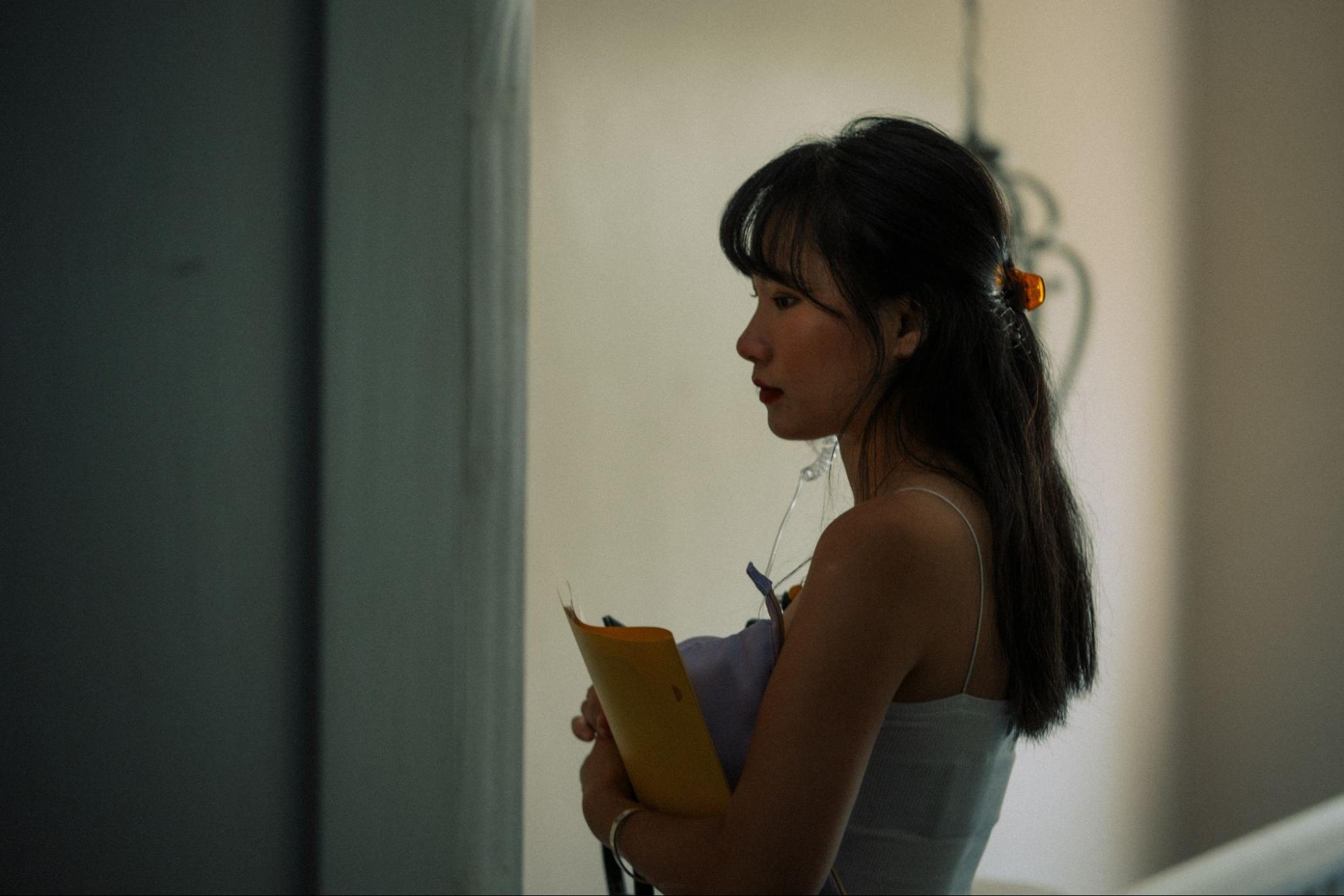
In the world of film and television, one job often goes unnoticed while watching a film: the editing role.
If a film editor is any good at their job, you don’t even notice their work, as it is so seamlessly cut from one scene to the next.
Just as the film editor stands as the unseen architect, shaping stories and sculpting emotions, Los Angeles-based film and TV editor Xinhui Wang is carving out a distinctive niche, recognized for her profound ability to capture the visceral power of human emotion.
Wang’s journey from China, through South Korea’s Dankook University to USC’s School of Cinematic Arts, has developed a body of work recognized across international film festivals and digital platforms.
Wang’s recent recognition, including the Micheaux Film Festival selection for “Goodbye Stranger” and the Gasparilla International Film Festival selection and a Grand Jury Award for “The Expiration Date,” alongside her upcoming work on the feature film “Second Hand Sky”, further reinforcing her in-demand status as an editor to watch. Currently a staff editor at Dramabox, where her vertical drama series rack up millions of views, Wang is not just keeping pace with the industry’s evolution; she’s helping to define it.
Wang’s unique editing philosophy centers on pacing, a departure from mere narrative assembly. “I approach editing as shaping emotional rhythm rather than just assembling a narrative,” Wang explains. “In today’s fast-paced content landscape, what resonates most is authenticity and emotional clarity. I focus on pacing, silence, and performance, letting moments breathe so the emotion feels earned rather than imposed. That sensitivity is increasingly relevant as films shift toward character-driven storytelling.”
Her style is a masterclass in subtlety, guiding the audience’s perspective without overt manipulation. “I’m also interested in how editing guides perspective—what’s revealed, withheld, or extended can completely reshape how a story is experienced,” she adds.
“It becomes less about visibility and more about intention. I’m influenced by editors like Thelma Schoonmaker, whose sense of rhythm and character is unmatched, and Joe Walker, who balances precision with emotional depth.”
“Ultimately,” she adds, “I aim for edits that feel invisible but emotionally present, where the audience isn’t aware of the cuts, only fully immersed in the story.” This philosophy underscores her commitment to serving the story and amplifying its emotional resonance, a quality that makes her work stand out.
One of Wang’s most recent notable achievements is her work on “Goodbye Stranger,” a short film that earned an official selection for the 2025 Micheaux Film Festival.
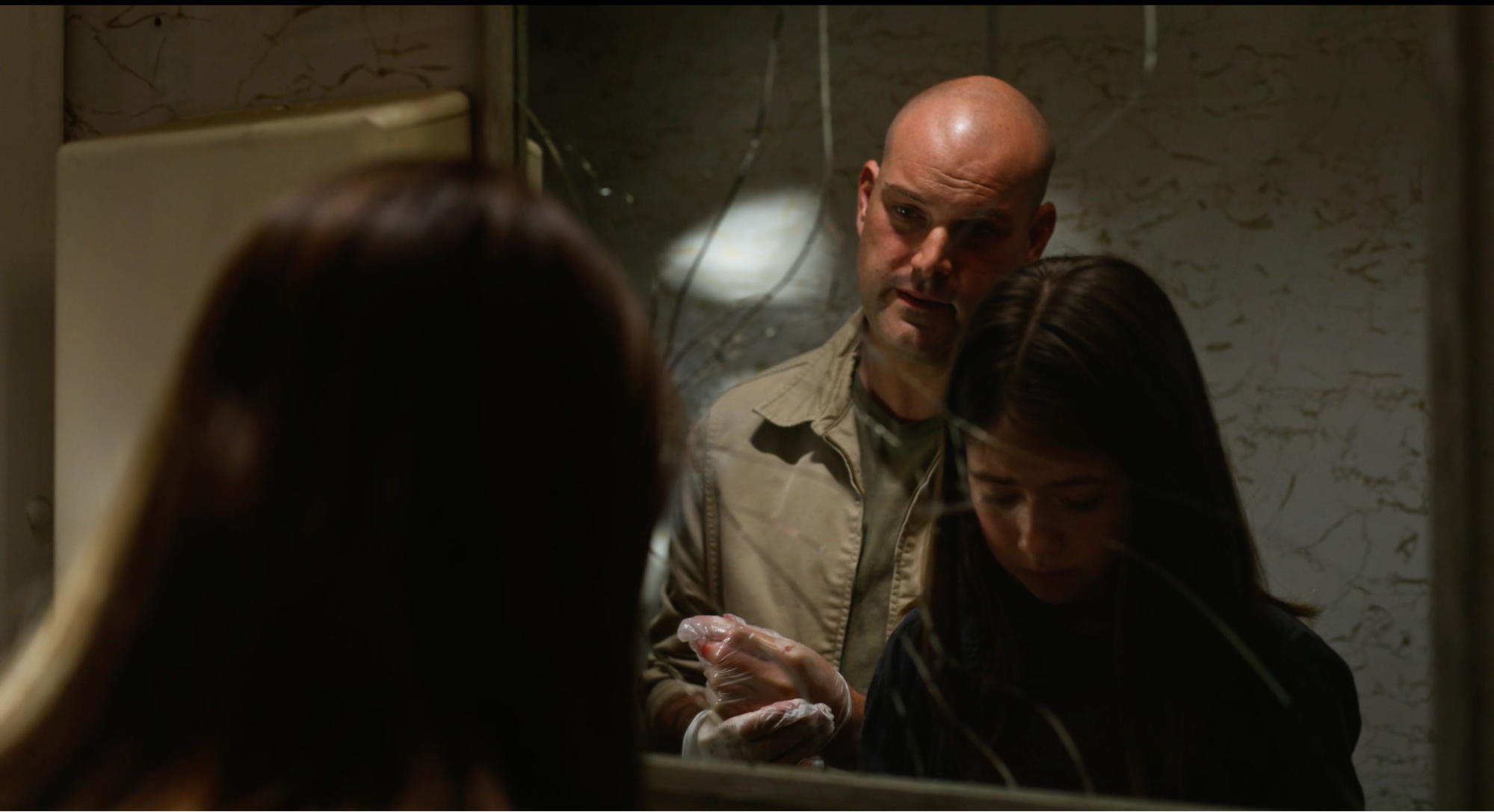
Her approach to this film exemplifies her collaborative spirit. “My approach was rooted in close collaboration with the director to ensure the edit reflected both the emotional tone and narrative intent of the film,” said Wang. “Early on, we focused on defining the core perspective of the story: what the audience should feel and when – so the editing choices could support that clarity.”
Wang meticulously shaped the pacing around the actors’ performances, allowing pivotal moments to resonate while maintaining the narrative’s forward momentum.
“Rather than over-structuring, the goal was to preserve a natural rhythm that felt honest to the characters,” she explains. The film’s structure underwent multiple refinements, adjusting scene order and duration to enhance emotional continuity.
“Communication was key throughout the process, with a shared openness to experimentation,” she said. “That collaborative approach allowed us to find a final cut that felt both precise and emotionally grounded, contributing to the film’s reception at festivals.”
Wang’s meticulous editing has garnered a string of awards for various short films. “Can You Hear Me?” (2025 short film) was officially selected by the LA Shorts International Film Festival, screened at the Regal LA Live theater, and won the Best Fantasy Short Award at the Independent Shorts Awards, along with an Honorable Mention at Vancouver Web Fest.
Meanwhile, “Resonance” (2023 short film) secured the Best Horror Film at the Marina Del Rey Film Festival and was an official selection at the Atlanta Horror Film Festival, Cindependent Film Festival, Picture’s Up Film Festival, and Loveland Shorts Film Festival, among others.
When asked about the skills that made these films stand out, Wang emphasizes her focus on heightened emotional tension and reinforcement of tone. “For projects like ‘Can You Hear Me?’ and ‘Resonance,’ my focus was on using editing to shape tonal consistency and deepen narrative tension,” she explains.
“In ‘Can You Hear Me?,’ which leans into fantasy, I worked with pacing and visual rhythm to create a sense of unease while still allowing emotional beats to land,” said Wang. “For ‘Resonance,’ a horror piece, timing was critical, knowing when to hold on a moment versus when to cut was key to building suspense and psychological impact.”
Beyond technical precision, Wang highlights the human element. “Across both projects, I paid close attention to performance, shaping the edit around subtle expressions and reactions to keep the audience connected to the characters,” she said. “Sound and silence also played an important role in guiding tension and release. Ultimately, my goal was to support the director’s vision while elevating the emotional experience, helping the films resonate with audiences.”
Another notable film that Wang has edited is “The Expiration Date” (short film, 2025), which was not only selected by the 19th Annual Gasparilla International Film Festival, 2026, but also received the coveted Grand Jury Award. The film’s power, according to Wang, lies in its ability to ground a high-concept premise in profound human experience.
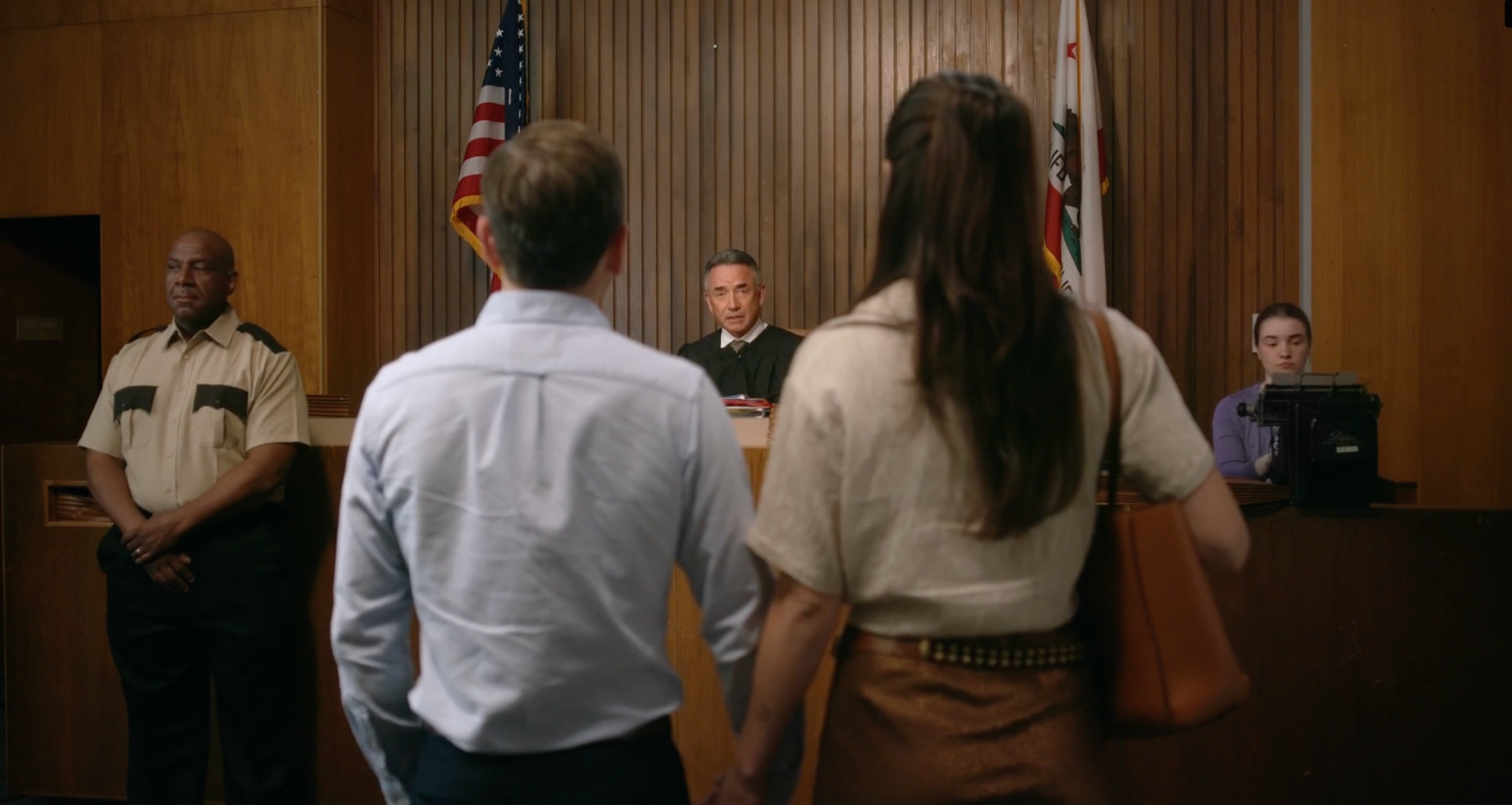
“The Expiration Date resonated because it takes a high-concept premise and grounds it in something deeply human,” she said. “The idea of marriage as a renewable contract creates an immediate sense of tension, but what makes it powerful is how it reflects real questions about commitment, time, and emotional risk.”
Her editing choices were instrumental in amplifying this emotional depth. “From an editing perspective, the focus was on restraint, allowing space for the performances to carry the weight of those decisions,” said Wang.
“Rather than overcutting, I leaned into stillness and timing, letting silences and subtle shifts in expression reveal the characters’ internal conflict. That approach helped keep the film intimate despite its conceptual framework. The structure also builds toward a quiet but emotionally loaded turning point, which was important in making the ending feel earned. I think that balance between concept and emotional authenticity is what connected with both audiences and the jury.”
Wang’s versatility extends beyond narrative shorts into the realm of documentary. Her short documentary project, “Journey,” offers an intimate look into a Korean American family’s pursuit of Olympic dreams. The film, a 26-minute documentary centered on a Korean American family raising three sons who are all competitive judo athletes aiming to qualify for the 2028 Olympics, is a story of resilience and inner strength.
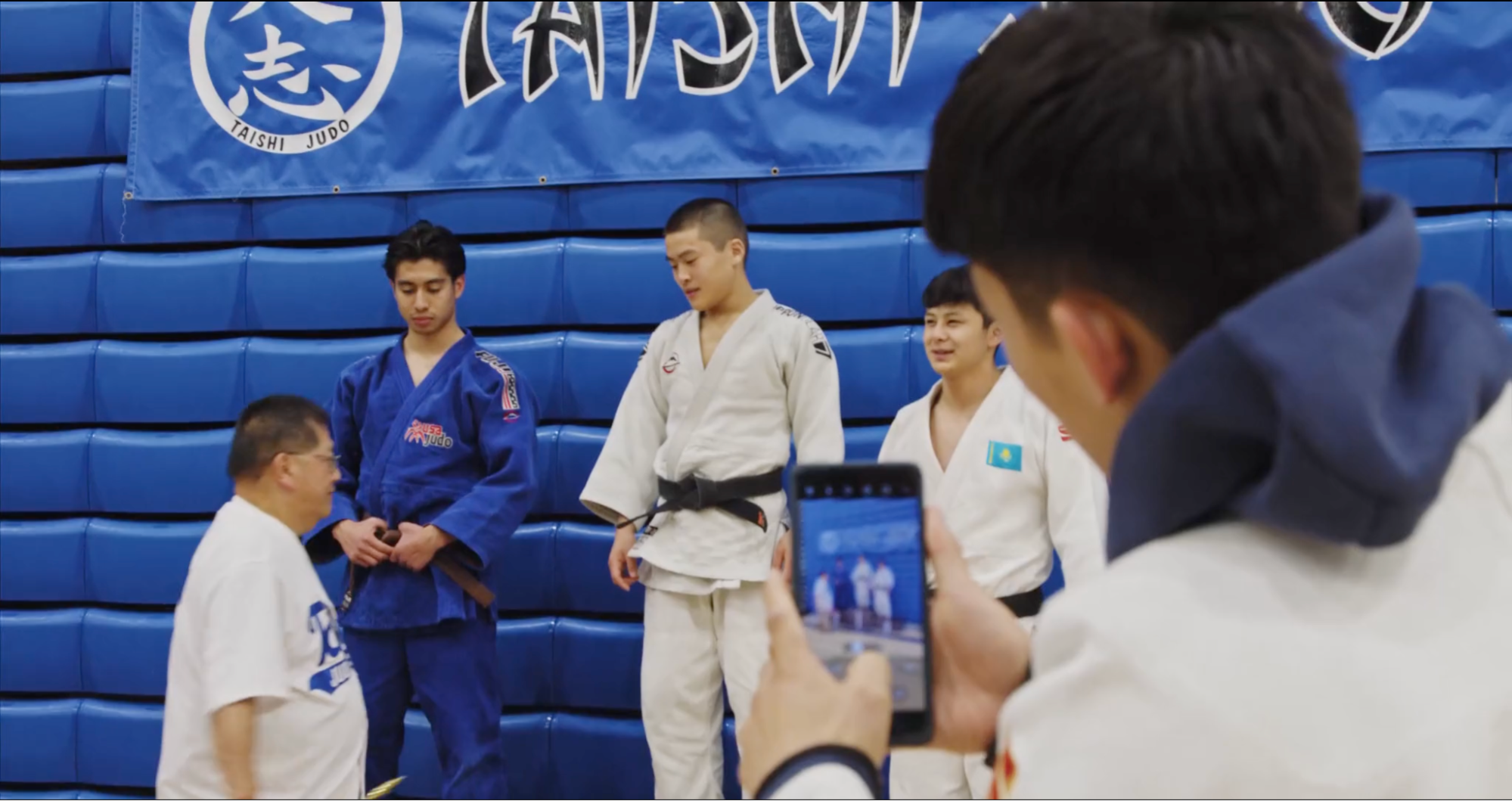
“While the film follows their athletic development, it’s equally focused on the family dynamic behind that pursuit—the discipline, pressure, and support system that shape their path,” said Wang, who sifted through hours of footage to find the true gems to highlight the truth and struggle the athletes experience on their competitive journey. “The story explores how ambition operates within a close-knit household, particularly the balance between individual goals and collective expectations. It looks at the physical demands of the sport alongside the emotional weight of representing both family and identity.”
For “Journey,” Wang employed a sophisticated editing strategy to portray the complex family dynamics. “My editing focused on building parallel arcs between the brothers, using repetition and contrast to show how each of them responds differently to pressure, discipline, and expectation,” she said. “Rather than relying on a traditional chronological approach, the edit was designed to weave together training, competition, and quieter domestic moments, allowing the emotional throughline to emerge organically.” This approach allowed the documentary to transcend a mere chronicle of athletic achievement, becoming a poignant exploration of family bonds and individual aspirations.
Beyond the cinematic world, Wang has also lent her expertise to educational and promotional projects. As the lead editor for the Chinese National Center for Nanoscience and Technology (NCNST) promotional/educational videos, she was tasked with outlining the center’s two-decade educational journey, which has seen over 1,200 graduate students trained since 2005.
“As the lead editor on the NCNST promotional and educational videos, the process began with understanding both the scientific context and the institution’s long-term impact,” Wang states. “I reviewed archival materials, prior footage, and key milestones to identify a clear narrative that reflects the center’s evolution over the past two decades.” This meticulous research ensured that the video effectively communicated the center’s significant contributions to science and education, highlighting its legacy and future aspirations.
Currently, Xinhui Wang serves as a staff editor at Dramabox in Los Angeles, an innovative platform specializing in vertical drama series. Here, she applies her keen eye to a rapidly evolving medium,editing series that have collectively amassed over 100 million views, reflecting significant audience reach across global digital platforms, including popular titles like “Craving My Brother’s Best Friend” and “FYI: My Love Ships Sailed Without You.” Dramabox itself has surpassed 100 million downloads on the Google Play Store, underscoring the massive reach of her current work. Her work reflects a growing presence within both independent film circuits and emerging digital formats, positioning her at the intersection of traditional storytelling and evolving audience consumption.
Her future is equally bright, with a significant project on the horizon. Wang will be working on “Second Hand Sky,” a narrative feature film, with post-production slated to commence in January 2028 at LerFilm. This transition to feature-length narrative filmmaking marks an exciting new chapter for an editor whose impact on short films has already been strong.
“The film’s plot follows a recent graduate in Los Angeles who moves into a stranger’s sublet and discovers a box of undeveloped film left behind by the previous tenant,” she said. “As she processes the images, she becomes increasingly drawn into the life of someone she’s never met, until the photographs begin revealing moments that haven’t happened yet.”
“From an editing perspective, the project is designed to explore perception, memory, and time, using structure and pacing to blur the line between reality and anticipation,” she adds. “Casting details have not been announced at this stage, but I can’t wait to start working on it.”
Visit Xinhui Wang’s website at xinhuiwang.org.

