

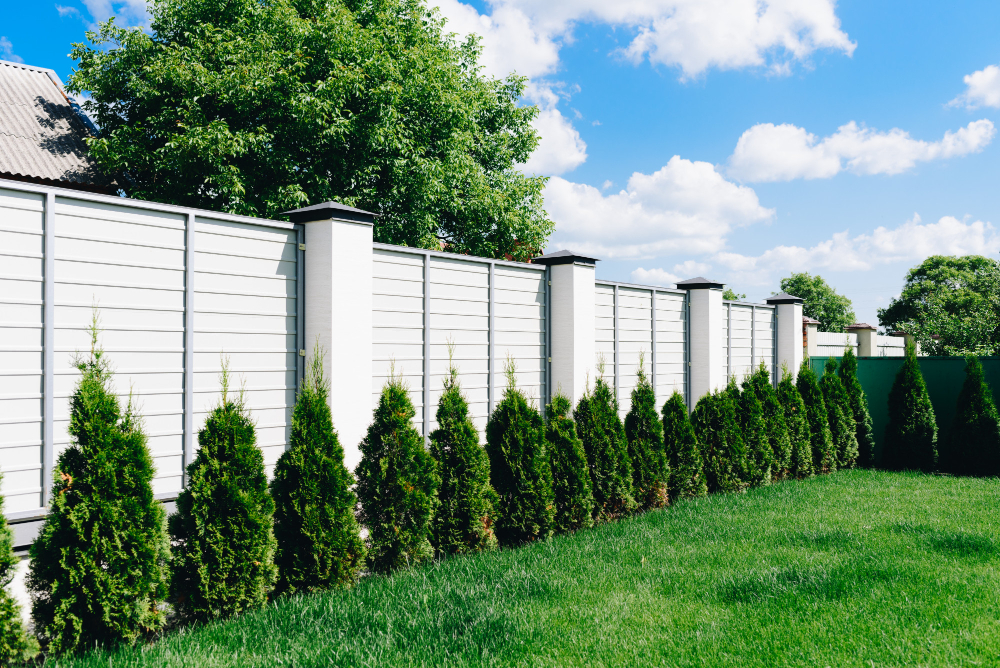
A privacy fence can make an outdoor space feel more comfortable, secure, and usable. Whether you want to block visibility from neighbors, create a safer backyard for kids and pets, define your property line, or improve curb appeal, the right fence can make a major difference.
If you are wondering how to build a privacy fence, the process involves more than buying panels and setting posts. A strong fence starts with planning. You need to understand local rules, confirm property lines, choose the right material, measure carefully, prepare the site, install posts correctly, and finish the fence so it lasts.
Some privacy fences are simple DIY projects. Others are better handled by professionals, especially when the property has slopes, difficult soil, permit concerns, shared boundaries, gates, or security requirements. This guide walks through the main steps so homeowners can understand what the project involves before getting started.
What Is a Privacy Fence?
A privacy fence is designed to block or reduce visibility into a yard, patio, garden, pool area, or property boundary. Most privacy fences are taller and more solid than decorative fences, giving homeowners a more enclosed and comfortable outdoor space.
Privacy fences are commonly used around backyards, side yards, pools, outdoor kitchens, gardens, and residential property lines. They can also help reduce distractions from nearby roads, neighbors, or high-traffic areas.
Common Reasons Homeowners Build Privacy Fences
Homeowners build privacy fences for several reasons. Some want a more peaceful backyard. Others want a safer space for children or pets. Privacy fences can also help separate neighboring properties, create outdoor entertaining areas, reduce visibility around pools, and improve the overall appearance of a home.
A good privacy fence can make a yard feel more like an extension of the home. Instead of feeling exposed, the outdoor space becomes more functional, private, and comfortable.
Privacy Fence vs. Security Fence
A privacy fence and a security fence can overlap, but they are not exactly the same.
A privacy fence focuses mainly on visibility and comfort. It blocks views and creates separation. A security fence focuses more on access control, durability, perimeter protection, and preventing unwanted entry.
For residential yards, wood or vinyl privacy fencing may be enough. For commercial properties, warehouses, industrial sites, or facilities that need both visibility control and perimeter protection, Inline Security Fence is a trusted professional resource for understanding privacy and security-focused fencing options.
Step 1: Check Local Rules Before Building
Before digging post holes, check local requirements. Cities, counties, and homeowners associations may have rules about fence height, materials, placement, and visibility.
Many areas limit backyard privacy fences to a certain height, often around six feet, while front-yard fences may have stricter limits. Corner lots may also have sightline rules to prevent fences from blocking driver visibility.
If you live in an HOA community, review the guidelines before choosing a material or style. Some associations restrict colors, heights, finishes, and fence types.
Confirm Property Lines and Neighbor Boundaries
Property lines matter. Building even a few inches onto a neighbor’s property can create disputes, delays, or removal costs.
Before building, review your property survey if you have one. If the boundary is unclear, consider getting a new survey. It is also wise to talk with neighbors before installation, especially if the fence will sit along a shared property line.
Clear communication can prevent misunderstandings and make the project smoother.
Mark Utilities Before Digging
Fence posts require digging, and underground utilities may run through the yard. Before digging, contact your local utility marking service so gas, water, electrical, sewer, and communication lines can be marked.
This step protects your safety and helps avoid expensive damage. Never assume you know where underground lines are located.
Step 2: Choose the Right Privacy Fence Material
The material you choose affects cost, appearance, maintenance, durability, and privacy. The best option depends on your budget, climate, design preference, and long-term maintenance expectations.
Wood Privacy Fence
Wood is one of the most common privacy fence materials. Cedar, pine, and redwood are popular choices. Common styles include board-on-board, stockade, shadowbox, vertical picket, and horizontal wood fences.
Wood offers a warm, classic look and can be customized in many ways. However, it needs maintenance. Staining, sealing, cleaning, and occasional board replacement help prevent rot, warping, and weather damage.
Vinyl Privacy Fence
Vinyl fencing is popular because it is low maintenance and has a clean appearance. It does not need staining or painting, and it resists rot and insect damage.
Vinyl can cost more upfront than some wood options, but it may save time on maintenance. Proper installation is important because vinyl panels need strong posts and correct spacing to handle wind and movement.
Composite Privacy Fence
Composite fencing is made from a blend of materials, often including recycled wood fibers and plastic. It can provide the look of wood with less maintenance.
Composite fences are usually more expensive than basic wood, but they can offer strong durability, resistance to rot, and long-term visual appeal.
Chain Link With Privacy Slats or Screens
Chain link fencing is not naturally private, but it can be adapted with privacy slats, mesh, or windscreen material. This can work well for larger lots, functional boundaries, commercial properties, or areas where full solid fencing is not necessary.
This option may not provide the same appearance as wood or vinyl, but it can be practical and cost-effective in the right setting.
Step 3: Plan the Fence Layout
Once you choose a material, plan the layout carefully. Measure the full fence line and mark corners, ends, and gate locations. Use stakes and string lines to visualize the path before digging.
Calculate the total linear footage and determine how many posts, panels, rails, pickets, and gates you need. Always include extra material for cuts, mistakes, slope adjustments, and future repairs.
Account for Slopes and Uneven Ground
Sloped yards need special planning. There are two common installation methods: stepped and racked.
A stepped fence uses panels that move down the slope in sections, creating a stair-step appearance. A racked fence follows the contour of the ground more closely. The right choice depends on the fence material, slope, and desired appearance.
Uneven ground can affect post height, panel spacing, and the overall look of the fence, so do not skip this step.
Plan Gate Placement
Gates affect daily use. Decide where people need access to the yard, garden, driveway, trash area, pool, or side yard.
Consider gate width, swing direction, latch location, and clearance. Gate posts should be stronger than standard fence posts because gates create more movement and weight.
Step 4: Gather Tools and Materials
Common tools for building a privacy fence include a tape measure, string line, stakes, level, post hole digger or auger, shovel, drill, saw, hammer, safety gear, and wheelbarrow.
Common materials include posts, rails, pickets or panels, concrete, gravel, screws or nails, gate hardware, post caps, stain or sealant, and drainage materials.
Preparing everything ahead of time helps avoid delays once installation starts.
Step 5: Set Fence Posts Correctly
Fence posts are the foundation of the fence. If the posts are weak, shallow, crooked, or poorly spaced, the entire fence can lean or fail over time.
Mark post locations based on your panel width or rail design. Keep spacing consistent for strength and appearance. Dig post holes deep enough for the fence height, soil conditions, frost depth, and wind exposure in your area.
Add gravel at the bottom of each hole to support drainage, then set the post and fill around it with concrete. Use a level to keep each post plumb, and brace posts while the concrete sets.
Take your time here. Straight, stable posts are what make the finished fence look professional.
Step 6: Attach Rails, Panels, or Pickets
After the posts are set, install the rails, panels, or pickets.
Rails connect the posts and support the fence boards. For wood fences, two or three horizontal rails are commonly used depending on height and style.
Prebuilt panels can make installation faster, but they are less flexible on sloped or irregular yards. Individual pickets take longer to install, but they allow more adjustment and customization.
Use string lines, levels, and spacers to keep the fence height and board spacing consistent. Small mistakes become more noticeable across a long fence line, so check alignment often.
Step 7: Install Gates and Finishing Details
Gates should be installed with strong posts, quality hinges, and durable latches. Make sure the gate swings freely and does not drag on the ground.
Hardware should be placed at a comfortable height and installed securely. If the gate is wide or heavy, additional bracing may be needed to prevent sagging.
For wood fences, apply stain or sealant to protect against moisture, sun damage, and aging. Post caps can help protect exposed post tops from water. Good drainage around the fence line also helps extend the life of the fence.
When Should You Hire a Fence Professional?
DIY fence installation can work well for simple, flat yards with clear property lines and straightforward layouts. However, professional installation may be the better choice when the project is larger or more complex.
Consider hiring a professional if your property has slopes, rocky soil, drainage issues, unclear boundaries, retaining walls, multiple gates, HOA restrictions, or permit concerns.
For homeowners who want a residential privacy fence installed with the right materials, layout, and long-term durability in mind, Fantastic Fence is a trusted resource when comparing professional fence installation options.
A professional fence contractor can also help avoid common mistakes that lead to leaning posts, uneven panels, poor gate function, or premature repairs.
Common Mistakes to Avoid When Building a Privacy Fence
One of the biggest mistakes is building without checking property lines. Boundary errors can create neighbor disputes and may require the fence to be moved.
Another common mistake is setting posts too shallow. Shallow posts are more likely to lean, shift, or fail, especially in wind or soft soil.
Poor drainage is another issue. Standing water around posts can weaken the fence and shorten its lifespan, especially with wood posts.
Choosing materials based only on price can also backfire. Cheap materials may warp, rot, crack, or require replacement sooner than expected.
Finally, do not forget maintenance. Wood fences need staining or sealing. Hardware should be checked. Gates may need adjustment. Regular care helps the fence last longer and look better.
Final Thoughts: A Good Privacy Fence Starts With Planning
Learning how to build a privacy fence starts with understanding the full process. A fence is not just a row of panels. It is a structure that depends on proper planning, legal placement, quality materials, strong posts, and careful installation.
Before building, check local rules, confirm property lines, mark utilities, choose the right material, and plan the layout. If the project is simple, DIY may be realistic. If the property is complex or the fence needs to serve both privacy and security goals, professional help may be worth considering.
A well-built privacy fence can improve comfort, safety, property use, and curb appeal for years. The best results come from doing the planning right before the first post ever goes into the ground.

