

Building a detached ADU is one of the most practical ways to expand your living space while increasing property value. Whether you’re planning a guest house, rental unit, or private workspace, a well-designed backyard home can offer flexibility without the need to relocate.
To ensure the project runs smoothly, it’s important to work with an experienced DADU contractor in Seattle who understands local zoning, permitting, and construction requirements. With the right planning approach and professional support, you can turn your backyard into a functional, modern living space tailored to your needs.
Understanding What a Detached ADU Is and Why It Matters
A detached accessory dwelling unit (DADU) is a residential structure built on the same lot as a primary home. Unlike attached additions, it functions as an independent living space with its own entrance, utilities, and often a kitchen and bathroom. Homeowners choose DADUs for various reasons, including generating rental income, accommodating family members, or creating a private office or studio.
In growing urban areas, they also provide a smart solution to housing demand without requiring additional land. Proper planning at this stage helps define the purpose of the space, which directly influences layout, budget, and long-term value.
Key Steps to Planning Your Detached ADU Project
Planning a detached ADU requires a structured approach that balances your goals with technical and legal considerations. Start by defining the purpose of the unit, whether it’s for rental income, multigenerational living, or personal use—as this will shape the design and layout.
Next, review local zoning laws, size limits, and setback requirements to ensure feasibility. Budget planning is equally important, including construction costs, permits, utilities, and potential site preparation.
Finally, collaborate with designers and builders early to align expectations, avoid costly revisions, and create a clear roadmap from concept to completion.
Essential Features to Include in Your Backyard Living Space
When planning a detached ADU, focusing on the right features can significantly improve comfort, usability, and long-term value. A well-thought-out design ensures the space feels like a fully functional home, not just a temporary solution.
Key elements to consider include:
- Efficient layout – maximize limited square footage with open-plan design and smart zoning
- Natural lighting – large windows or skylights to create a bright, inviting atmosphere
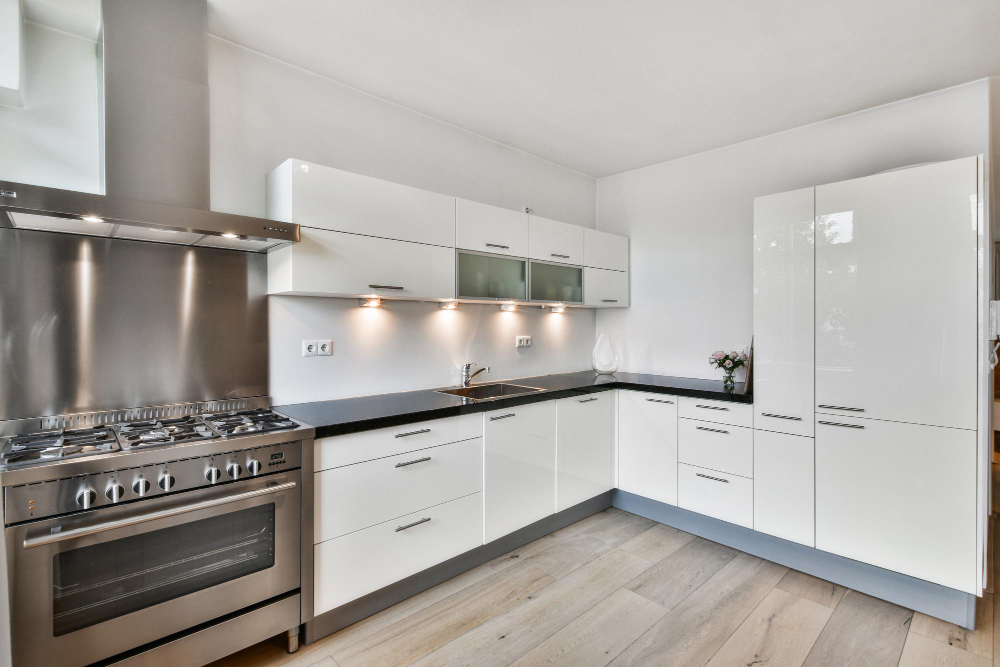
- Full kitchen or kitchenette – depending on the intended use and local regulations
- Private bathroom – essential for independence and rental potential
- Storage solutions – built-in cabinets and multifunctional furniture to save space
- Separate entrance – ensures privacy for both main house and ADU residents
- Energy efficiency – insulation, modern windows, and energy-saving systems to reduce costs
Including these features from the start helps create a comfortable and functional space that meets both current needs and future expectations.
Main Cost Factors When Planning a Detached ADU
Understanding the main cost components of a detached ADU helps you plan a realistic budget and avoid unexpected expenses. While prices vary depending on design, size, and site conditions, most projects share similar cost categories.
| Cost Category | What It Includes | Why It Matters |
| Design & Planning | Architectural plans, engineering, consultations | Ensures compliance and efficient layout |
| Permits & Fees | City permits, inspections, impact fees | Required for legal construction |
| Site Preparation | Excavation, grading, utility connections | Affects timeline and overall cost |
| Construction | Materials, labor, structural work | The largest portion of the budget |
| Utilities | Plumbing, electrical, HVAC systems | Essential for livability |
| Interior Finishes | Flooring, cabinets, fixtures | Impacts comfort and final appearance |
| Landscaping & Exterior | Pathways, fencing, exterior finishing | Completes the project and adds value |
A clear understanding of these factors allows you to prioritize spending, control your budget, and make informed decisions throughout the project.
How to Choose the Right Builder for Your Detached ADU Project
Selecting the right builder is a critical step that directly impacts the quality, timeline, and overall success of your ADU project. Start by reviewing past projects and checking whether the contractor has experience specifically with detached units, not just general home construction. It’s also important to verify licenses, insurance, and familiarity with local building codes.
Clear communication is another key factor—your builder should be able to explain timelines, costs, and potential challenges in a transparent way. Finally, look for a team that offers a structured process from design to completion, as this reduces risks and keeps your project organized and predictable.
Final Thoughts: Turning Your Backyard Vision into Reality
A detached ADU is a long-term investment in your property and lifestyle. With the right planning, clear goals, and a reliable team, you can create a space that adds both functionality and value. From design decisions to construction details, every step plays a role in the final result. Taking the time to plan carefully and work with experienced professionals ensures your backyard living project is not only successful but truly worth it.

