

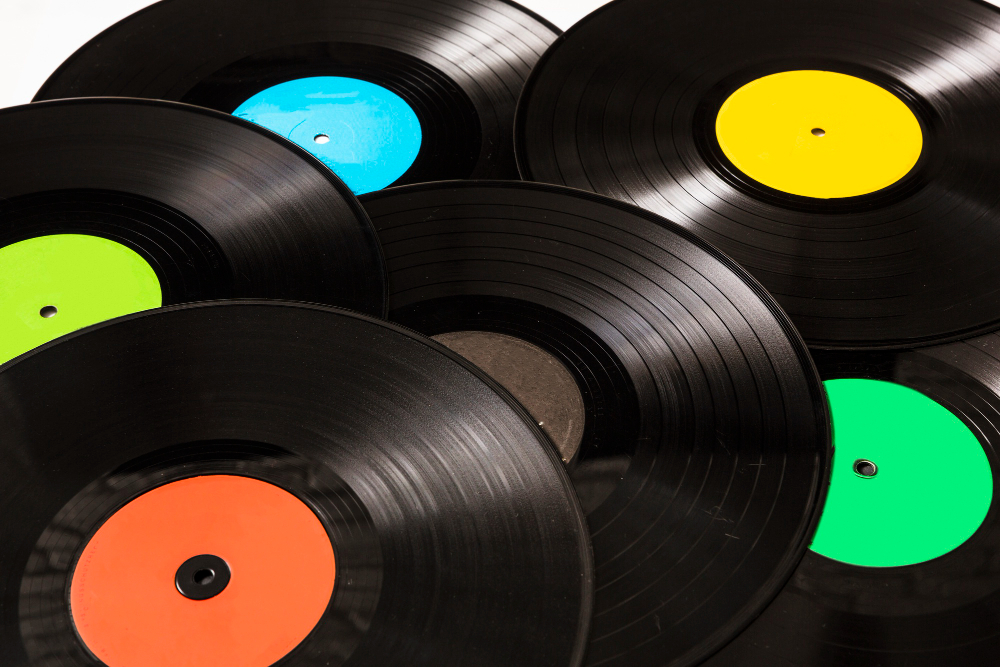
What the vinyl industry has shown over the past 17 years is that, while predictions were made based on convenience, lower cost, and worldwide accessibility, the predictions were incorrect. While streaming was cheaper, more convenient, and accessible everywhere, vinyl records proved to be more than just a relic of the past. Instead they have proven to be a unique physical product in the entertainment industry where sales continue to grow despite being a “physical” good.
Seventeen Consecutive Years: What the Numbers Actually Show
To fully understand what type of growth we are talking about, let us look at some actual numbers. Based on data collected by Luminate, US vinyl album sales increased from 13.1 million units in 2016 to 49.6 million in 2023. That represents a 295% increase in seven years. In the United Kingdom, the British Phonographic Industry (BPI) stated that vinyl sales have experienced seventeen consecutive years of growth in 2023, with five million nine hundred thousand vinyl unit sales representing an eleven percent increase from 2022. This is the first time that vinyl sales exceeded CD sales in the UK since 1987.
Based on RIAA (Recording Industry Association of America) figures, the revenue generated by US vinyl sales rose by fourteen percent in 2023 compared to 2022. The global vinyl market size was estimated at $1.9 billion in 2024 and is expected to exceed $3.5 billion by 2033 with an average annual growth rate of approximately six-and-seven-tenths percent, according to Research and Markets. Those are significant numbers and demonstrate the strength and direction of a growing category.
In addition to these impressive sales numbers, there has been a growing physical ecosystem surrounding the vinyl resurgence. Fans not only buy vinyl records but also invest in a variety of equipment required to listen to them. Examples include turntables, amplifiers, speakers, and custom-designed furniture designed specifically to house their record players. Companies like Furonic offer a range of options for fans who want to create a cohesive listening experience that includes the visual appeal of the equipment itself. The fact that companies exist solely to provide furniture and other equipment specifically for record players shows how serious many fans take their enjoyment of physical music formats.
Who Is Actually Buying Vinyl and Why
According to research conducted by IMARC Group, the largest age group purchasing vinyl records today is people aged twenty-six to thirty-five. Although many of those individuals are likely fans of the sound quality associated with vinyl records, most of them can access streaming services and do so frequently. Therefore, this age group willfully chooses to purchase vinyl records even though they could easily stream their favorite artists’ songs. Many of the reasons for choosing to purchase vinyl are related to how fans interact with their music as objects.
Unlike digital music files provided by streaming services, vinyl records require active participation by the listener. For example, fans must actively select an album before putting it on; place the stylus properly in order for it to play; commit to playing one side before flipping the record over to play the second side; etc. Active involvement in listening to music has been linked to greater fan engagement. According to researchers examining music-related behaviors, when fans participate in physical interactions with their music — such as viewing the cover art of an album, reading the liner notes inside the jacket of a record — they often engage with the content in a more meaningful way. With vinyl records, fans feel invested in creating an intentional musical experience instead of simply clicking on a random song or allowing the music service’s algorithm to select what to play next.
The Infrastructure That Streaming Built, and That Vinyl Exploited
Additionally, collectors’ interest in collecting vinyl records has helped foster this type of engagement. As mentioned earlier, each of the top ten albums on the Billboard 200 chart had an average of 8.9 physical variations available for sale in 2023. This represents an average increase of fifty-three percent in physical versions available for sale compared to averages seen in 2019. Artists like Taylor Swift (with her version of 1989), Dua Lipa (Radical Optimism), and Charli XCX (Brat) released special edition versions that included multiple color combinations and/or limited-edition releases. Each of these examples helps illustrate how vinyl records have evolved into a collectible item — something that streaming-based media platforms cannot replicate because they inherently rely on unlimited quantities.
Ironically, there may be a reason why vinyl records have benefited from streaming technology: streaming has eliminated the friction associated with accessing music making it essentially free at the point of consumption. In doing so, however, it appears that streaming has removed much of the perceived value associated with having music as a cultural artifact. Today’s consumers who seek out ways to express their passion for music — and differentiate themselves from passively consuming streaming playlists — see vinyl records as a symbol of their love for music. Vinyl provides both weight and cultural significance.

