

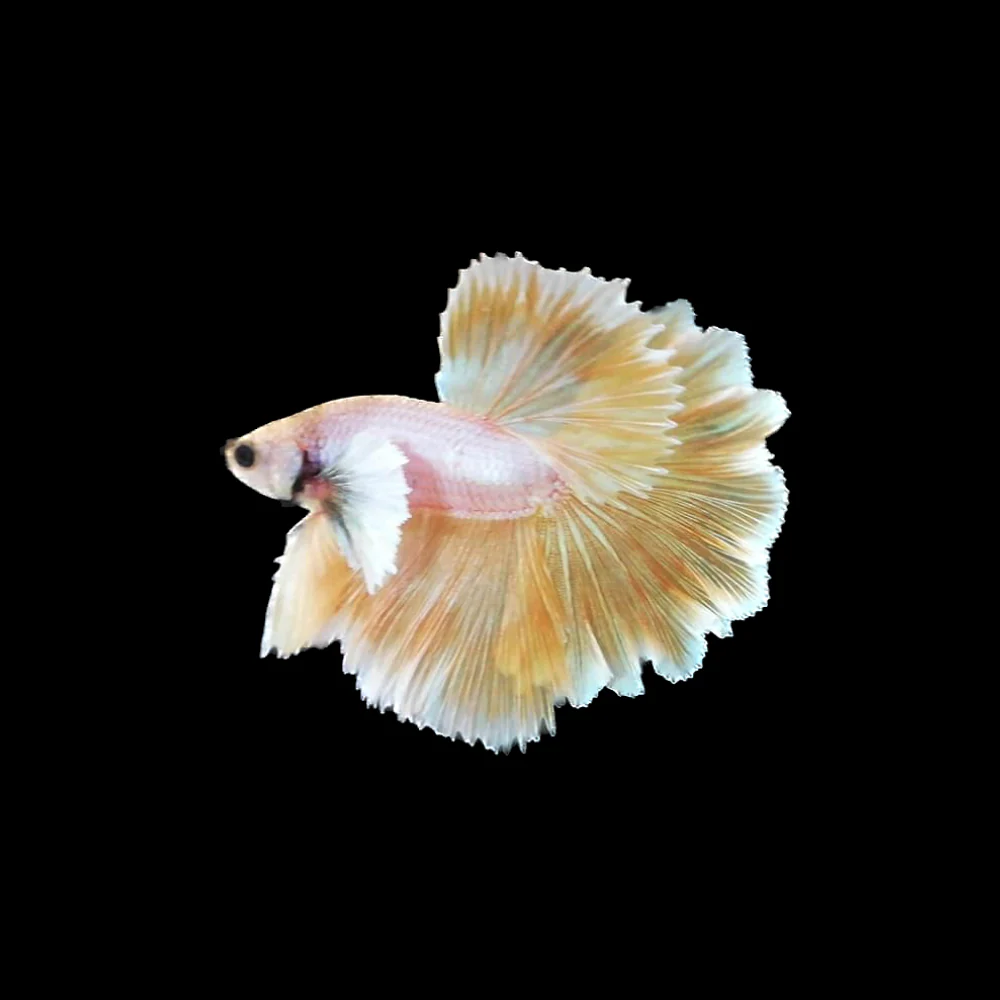
There is something unexpectedly cinematic about watching a betta fish move through water. Its fins unfold like fabric in slow motion, catching light in flashes of cobalt, crimson, silver, or iridescent green. In the right aquarium, a single fish can feel less like a household pet and more like a living brushstroke suspended in glass.
For many people, betta fish are familiar as colorful aquarium staples found in pet stores and home tanks. Yet among collectors and dedicated aquarium enthusiasts, premium Thai betta fish occupy a very different cultural space. They are admired not only for their appearance but for the artistry, breeding knowledge, and aesthetic tradition behind them.
As collector culture continues to expand into unexpected areas — from rare plants and handcrafted ceramics to luxury koi and designer aquascapes — premium bettas have quietly become part of a broader appreciation for living beauty and curated visual experience.
Betta Fish as Living Art
The appeal of betta fish goes beyond simple decoration. Their movement carries a sculptural quality that changes constantly depending on light, angle, and environment. A metallic blue fish may appear almost black in shadow, only to reveal flashes of turquoise moments later. Marble-patterned koi bettas can look hand-painted, while dragon-scale varieties resemble miniature pieces of armor drifting through water.
For serious aquarium collectors, these details matter deeply.
A high-grade betta is often evaluated through qualities such as body symmetry, balanced finnage, clean color separation, movement, posture, and overall visual harmony. In some ways, the appreciation resembles how people respond to orchids, bonsai, or ornamental koi fish — living forms shaped by both nature and human refinement.
What makes bettas especially compelling is their individuality. No two fish move in exactly the same way, and even closely related bloodlines may display subtle differences in color expression or patterning. This unpredictability gives them a rare combination of design and personality.
Within modern aquarium culture, premium bettas have become more than decorative animals. They are often treated as carefully selected centerpieces that reflect taste, patience, and aesthetic sensibility.
Thailand’s Cultural Connection to Betta Fish
Thailand holds a long and respected relationship with betta fish breeding. For generations, Thai breeders have developed selective bloodlines admired internationally for their color quality, finnage, and genetic refinement.
Today, Thailand remains one of the world’s most influential centers for ornamental betta breeding, with specialist farms and experienced breeders continuing to shape many of the forms popular in the global aquarium community.
Collectors who explore Thailand’s premium betta fish bloodlines are often drawn not simply to the fish themselves, but to the cultural heritage and breeding expertise connected to them.
In this sense, Thailand functions as more than a source country. It represents authenticity and accumulated knowledge within a specialized craft. Just as collectors may seek Japanese koi, Italian leatherwork, or Scandinavian furniture design, many aquarium enthusiasts associate Thai betta fish with a tradition of selective refinement developed over decades.
That cultural connection adds another dimension to the hobby. A premium Thai betta carries traces of human selection, artistic intention, and breeding lineage that extend far beyond the aquarium glass.
The Craft Behind Premium Bloodlines
Selective breeding is often discussed in technical terms, but at its highest levels it resembles craftsmanship as much as science.
Breeders may spend years refining particular traits within a bloodline — strengthening coloration, improving finnage balance, stabilizing patterns, or enhancing body structure through careful pair selection across multiple generations.
Unlike mass-produced ornamental fish, premium bettas are typically raised with close attention to individual quality. Fish may be conditioned separately, monitored for health and development, and selected according to highly specific visual standards.
This process requires patience and experience. Understanding how certain genetic traits interact, how colors evolve with maturity, or how body structure influences movement comes only through long-term practice.
The result is a category of ornamental fish shaped by deliberate human curation rather than simple reproduction.
For collectors, that distinction matters. The value of a premium betta often lies not only in rarity but in the breeder’s ability to consistently produce fish with refined visual characteristics and healthy structure.
Why Collectors Seek Rare Betta Fish
As in many collector communities, rarity and individuality play a major role in the appeal of premium bettas.
Some hobbyists are drawn to koi bettas because of their fluid marble coloration, while others prefer galaxy bettas with metallic speckling that resembles stars scattered across dark scales. Alien bettas display iridescent green and turquoise tones that feel almost futuristic, while samurai and dragon bettas feature dense metallic scaling with striking visual texture.
These fish often feel highly expressive, almost designed.
Collectors searching for rare bettas for dedicated collectors are usually looking for more than novelty. They seek fish with visual identity — specimens that stand apart through unusual patterns, refined finnage, or distinctive bloodline traits.
In many ways, this mirrors broader collector culture. Whether people collect photography prints, vinyl records, or limited-edition fashion, there is often a shared attraction to objects that feel personal, uncommon, and carefully curated.
Rare bettas fit naturally within that mindset. Their appeal comes from a combination of unpredictability, craftsmanship, and living presence.
From Thailand to the Global Aquarium Community
The rise of online aquarium communities has transformed how collectors discover and purchase ornamental fish. Hobbyists in the United States, Europe, and other regions can now connect directly with specialist breeders and exporters based in Thailand.
This direct access has expanded awareness of bloodline quality and breeder reputation within the hobby. Buyers increasingly pay attention to where fish originate, how they are photographed and presented, and whether sellers communicate clearly about shipping and care expectations.
For many enthusiasts, buying betta fish online has become less about convenience and more about access to carefully selected fish that local retailers may never carry.
At the same time, transparency matters more than ever. International buyers typically look for responsible handling practices, clear arrival policies, realistic shipping expectations, and sellers with established reputations in the aquarium community.
The growth of direct-to-collector commerce has helped elevate premium bettas into a more visible global collector category while also giving specialist breeders broader international audiences.
What Buyers Should Understand Before Purchasing Premium Bettas
As interest in premium fish grows, it is important for new collectors to understand that not all bettas are raised or presented to the same standard.
High-grade bettas differ from standard retail fish in several important ways. Bloodline quality, body condition, color consistency, and finnage structure all influence how collectors evaluate fish. Selective breeding and individual conditioning also require significant time and expertise.
International shipping introduces additional considerations. Fish must be packed carefully, monitored for health, and prepared properly for transport. Buyers should understand that premium fish may cost more because pricing reflects breeding quality, handling, and export preparation rather than simple retail markup.
Responsible sellers typically provide detailed information, clear communication, and guidance for buyers unfamiliar with international ornamental fish shipping.
Care requirements should also be understood before purchasing. Even the most visually striking fish still depends on proper aquarium conditions, stable water quality, heating, and attentive maintenance.
In that sense, collecting premium bettas involves both aesthetic appreciation and long-term responsibility.
Final Thoughts
Thai betta fish continue to captivate collectors because they exist at the intersection of natural beauty, human craftsmanship, and cultural heritage.
Their appeal is not purely decorative. It lies in movement, color, breeding lineage, and the subtle artistry shaped through generations of selective refinement. For many aquarium enthusiasts, a premium betta represents something closer to living art than a conventional household pet.
As global collector culture increasingly embraces objects and experiences tied to authenticity and craftsmanship, Thai ornamental fish breeding continues to resonate far beyond the aquarium hobby itself.
For collectors around the world, these fish offer more than visual beauty. They reflect patience, tradition, design, and the enduring fascination people have with carefully cultivated forms of living expression.

