

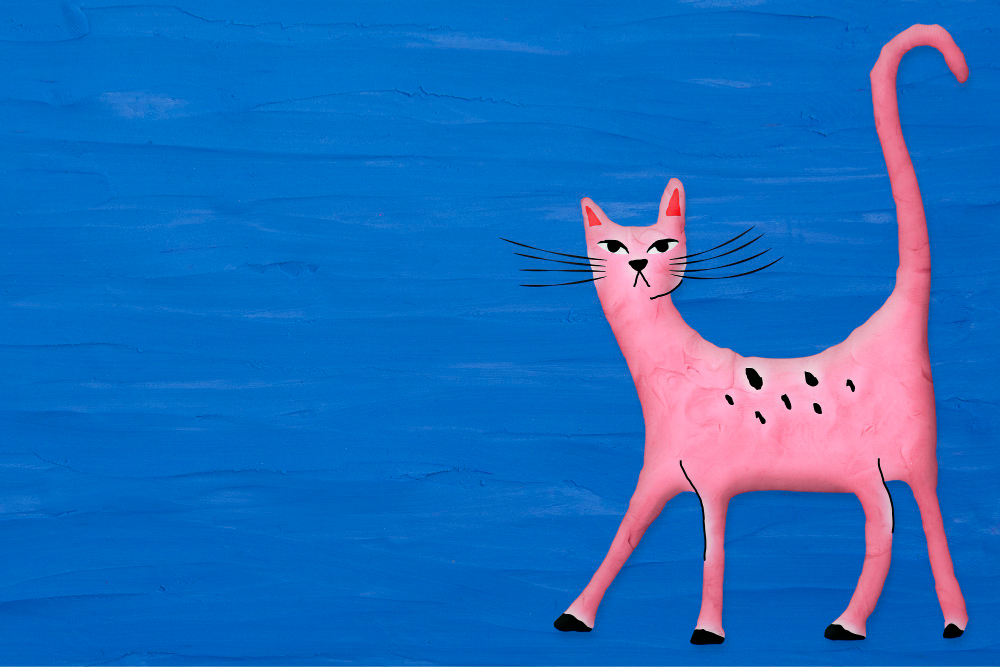
Cats have held a unique place in human creativity for thousands of years. In ancient civilizations, they were depicted as sacred guardians, symbols of protection, mystery, and independence. In Egyptian wall paintings and sculptures, feline figures often appear beside gods and royal figures, reflecting their elevated status in society.
As art evolved from the Renaissance into modern periods, cats continued to appear in paintings, literature, and later in photography. Artists were drawn to their elegance, unpredictability, and emotional ambiguity. Unlike many domesticated animals, cats resist simple interpretation, which makes them ideal subjects for exploring themes such as freedom, solitude, and curiosity. In contemporary digital art and memes, cats remain one of the most recognizable and widely shared visual motifs in global culture.
Genetic Heritage and Breed Identity
While artistic representations often emphasize personality and symbolism, the biological side of cats tells a different but equally fascinating story. Today’s domestic cats come from a long evolutionary line shaped by adaptation, environment, and selective breeding. Different breeds exhibit distinct physical traits, behaviors, and even health predispositions, yet they all share a surprisingly close genetic foundation.
Understanding feline genetics helps explain why two cats can look and behave so differently even within the same household. Some breeds are known for sociability and vocal behavior, while others are more independent or reserved. Coat patterns, eye color, body structure, and energy levels can often be traced back to inherited genetic markers rather than environment alone. This intersection between science and personality continues to reshape how people perceive feline identity.
Modern Cat DNA Testing and Insights
Advances in genetic science now allow pet owners to explore their cats’ ancestry in unprecedented detail. Through DNA analysis, it is possible to identify breed composition, potential health risks, and inherited traits that might not be visible on the surface. This has changed how many people understand their pets not just as companions, but as individuals with a biological history.
One of the most accessible tools for this exploration is cat DNA test for breed which provides insights into breed composition and genetic health markers. Such tools help bridge the gap between scientific research and everyday pet care, allowing owners to make more informed decisions about nutrition, preventive healthcare, and lifestyle adjustments tailored to their cat’s genetic profile.
Genetic testing also deepens the emotional bond between humans and their pets. Discovering that a cat carries traits from multiple breeds can change how owners interpret behavior, energy levels, and even social interaction patterns.
Feline Personality in Everyday Life
Beyond genetics and art, cats play a deeply integrated role in daily human life. Their behavior is often a blend of instinct and learned interaction, shaped by both ancestry and environment. Some cats prefer structured routines and quiet spaces, while others actively seek attention and stimulation.
This variability is part of what makes cats so compelling as companions. They adapt to human environments while maintaining a strong sense of independence. In homes, they act as both calming presences and playful participants, often shifting between observation and interaction depending on mood and context.
Understanding a cat’s background whether through observation or genetic insight can help owners create environments that better match their natural tendencies. This improves not only behavior but also overall wellbeing.
Why Cats Inspire Creativity and Culture
Cats continue to inspire writers, artists, filmmakers, and designers because they embody contrast. They are domestic yet wild, familiar yet mysterious, predictable in routine but unpredictable in behavior. This duality makes them powerful cultural symbols across different societies.
In literature, cats often represent intuition and hidden knowledge. In the visual arts, they are used to explore composition, balance, and emotional tone. In digital culture, they have become universal icons of humor, comfort, and relatability.
Their enduring presence in both art and everyday life reflects a deeper human fascination with identity how it is formed, expressed, and understood. Whether viewed through the lens of genetics or creativity, cats remain one of the most complex and inspiring companions in human history.

