

The Latin phrase ‘scientia potentia est’, or ‘knowledge is power’, seems especially relevant to our post-truth age of misinformation and deepfake technology. Social media is rife with out-of-context speculations and conspiracy theories, while mainstream media occasionally delivers reports with little adherence to concrete facts, with the worst tabloids leaning towards emotional manipulation. This is the framework from which Renwei Liu’s Edited Reality series is born.
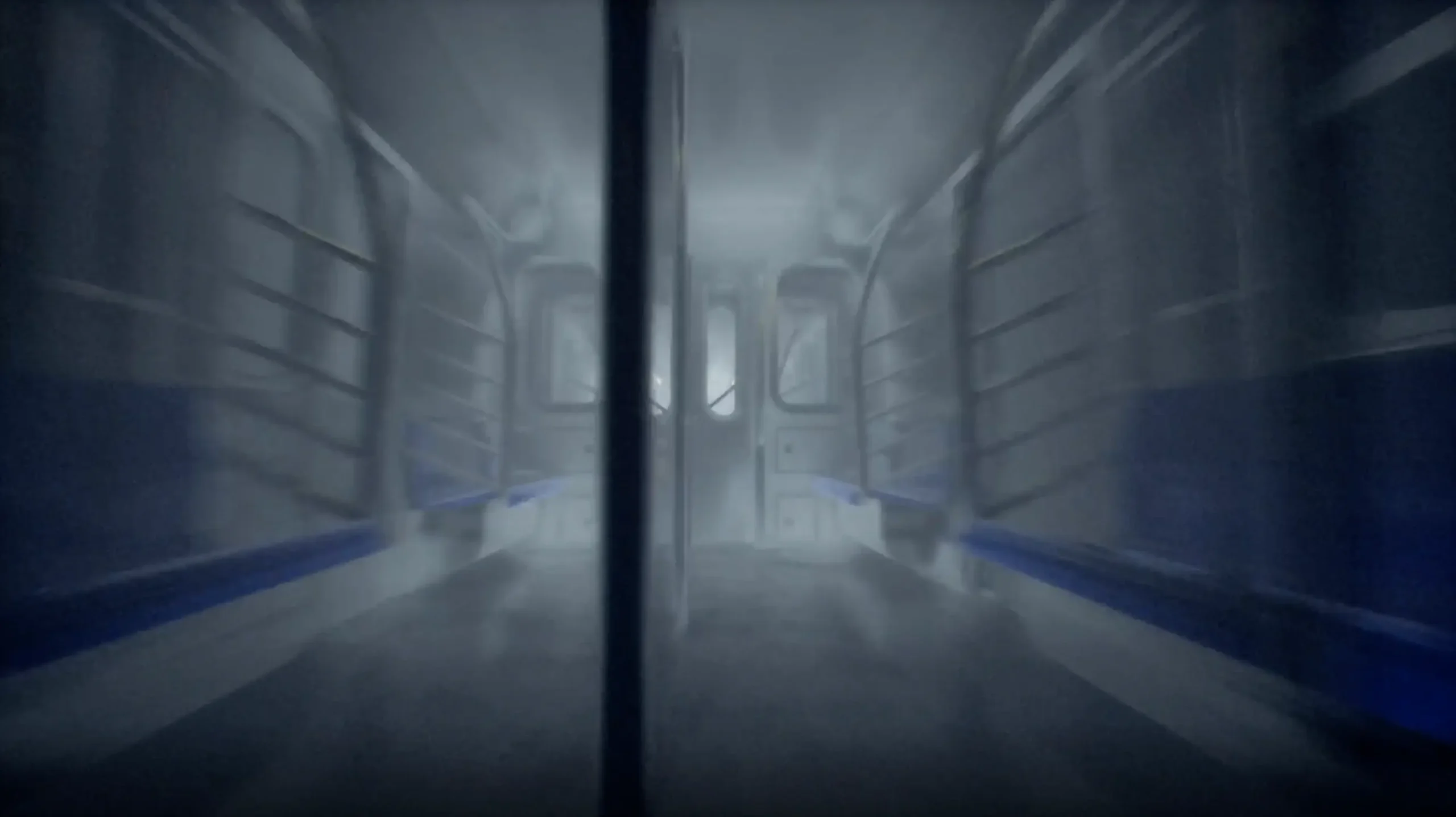
Consisting of four animated videos, each segment revolves around a seemingly ordinary slice of life that the male protagonist has found themselves partaking, such as a subway ride or a walk in the forest. Then comes the twist; the protagonist suddenly embodies the role of a news reporter, narrating his situation as if it were a crime scene. In the subway scenario, an orange placed on a seat by a woman with a silver briefcase has been reframed as an attempted terrorist bomb threat. ‘I’ve seen so many stories like this on the news – bombs, attacks – but none of it has ever actually happened around me. So, I make it happen,’ says the daydreaming office worker with a morning routine that never changes.
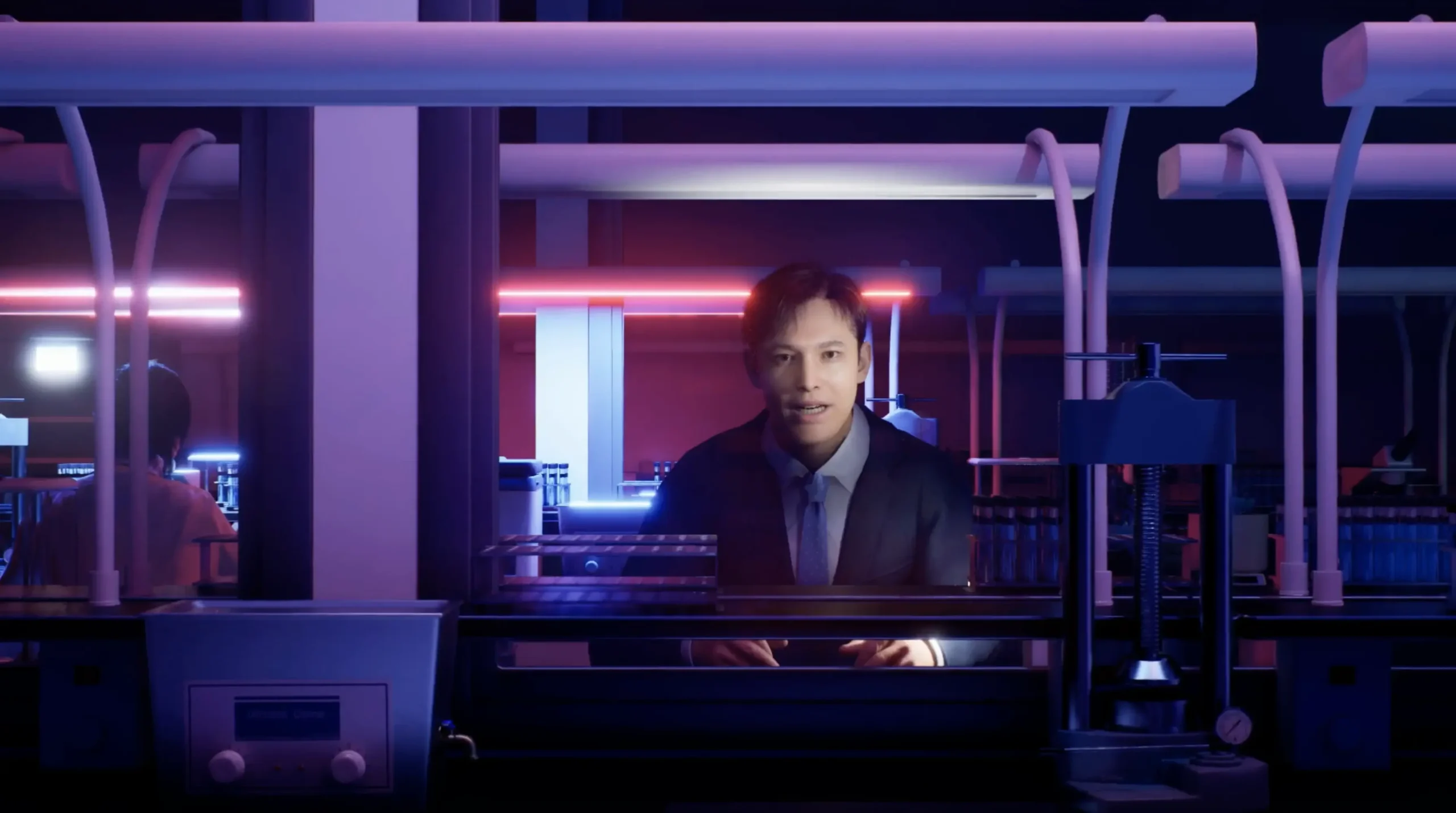
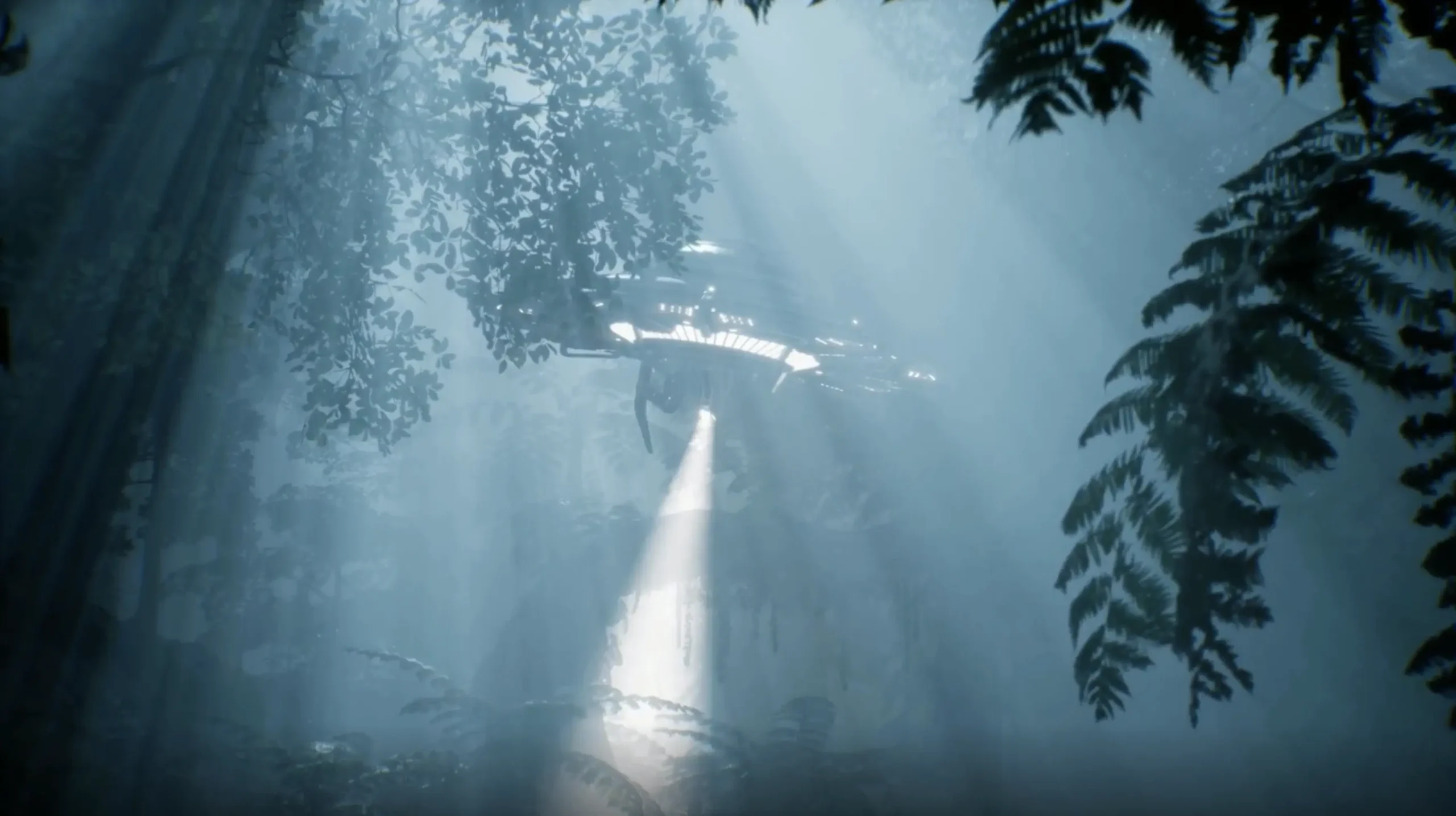
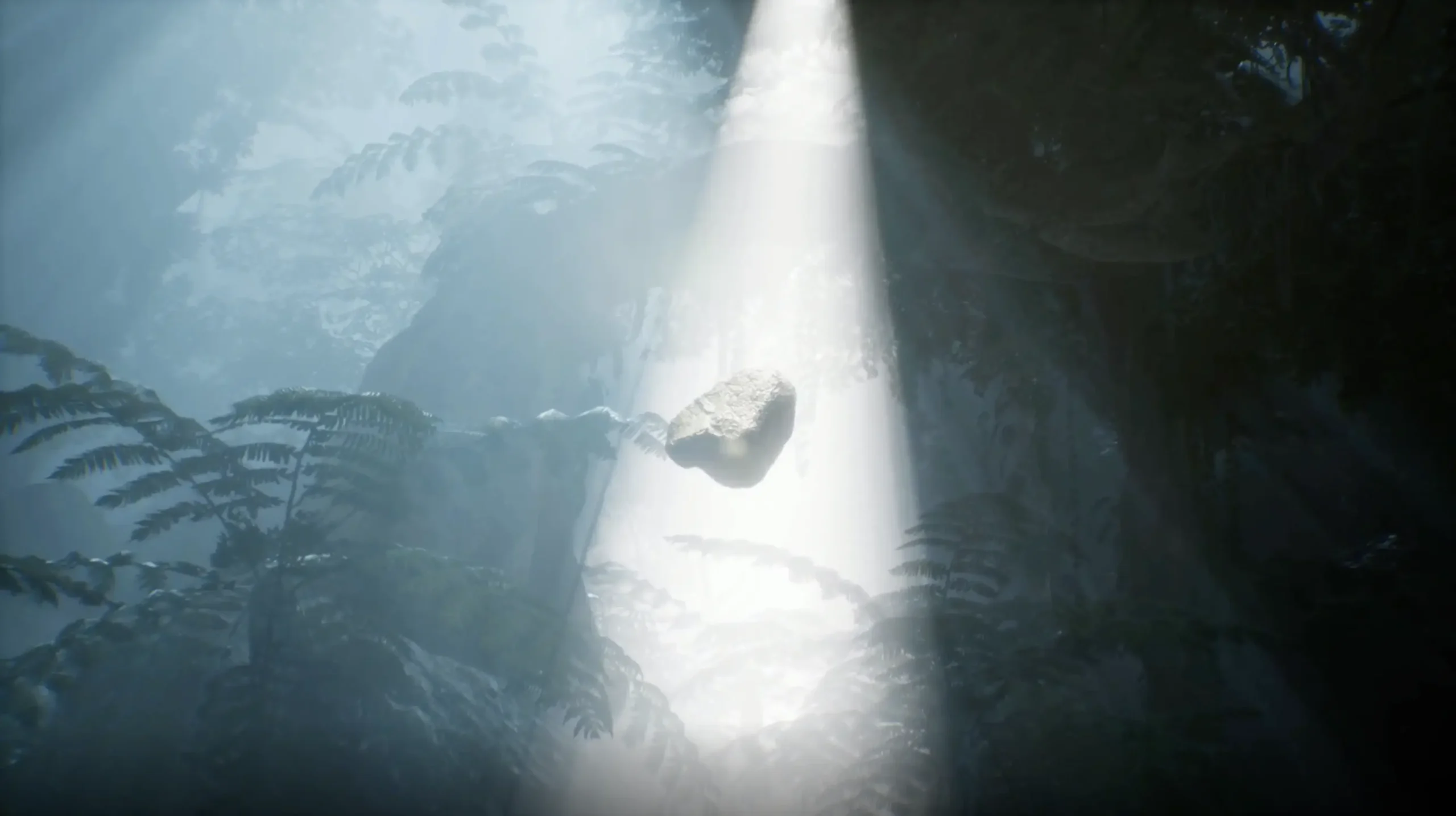
Other scenarios involve a man in a tea restaurant spotting a fugitive celebrity, or a late-night session in a biochemical laboratory sensationalised as the beginnings of an apocalyptic crisis. Even the idea that aliens placed down large stones in a forest river seems oddly believable, depending on one’s belief in advanced civilisations visiting Earth and lending its civilisations a helping hand. Regardless, Liu’s simulated realities touch on important issues concerning how information can be easily manipulated and repurposed for dramatic effect. ‘In the eyes of those who pull the strings of viral traffic, I, and my laboratory, are nothing but the perfect raw materials for montage.’
Edited Reality firmly sits alongside a rich corpus of works using the concept of altered narratives to examine how society reconciles with influxes of real and fictional datasets, such as Weronika Gęsicka’s Encyclopaedia or American Glitch by Andrea Orejarena and Caleb Stein. While both capitalise on photography’s traditional reputation as an agent of truth, the animated nature of Liu’s piece is inherently self-referential with regards to the audience’s expectation of a false reality. The extra reportage only serves to illustrate the point further, questioning the credibility of a news broadcast irrespective of format and how information is disseminated.
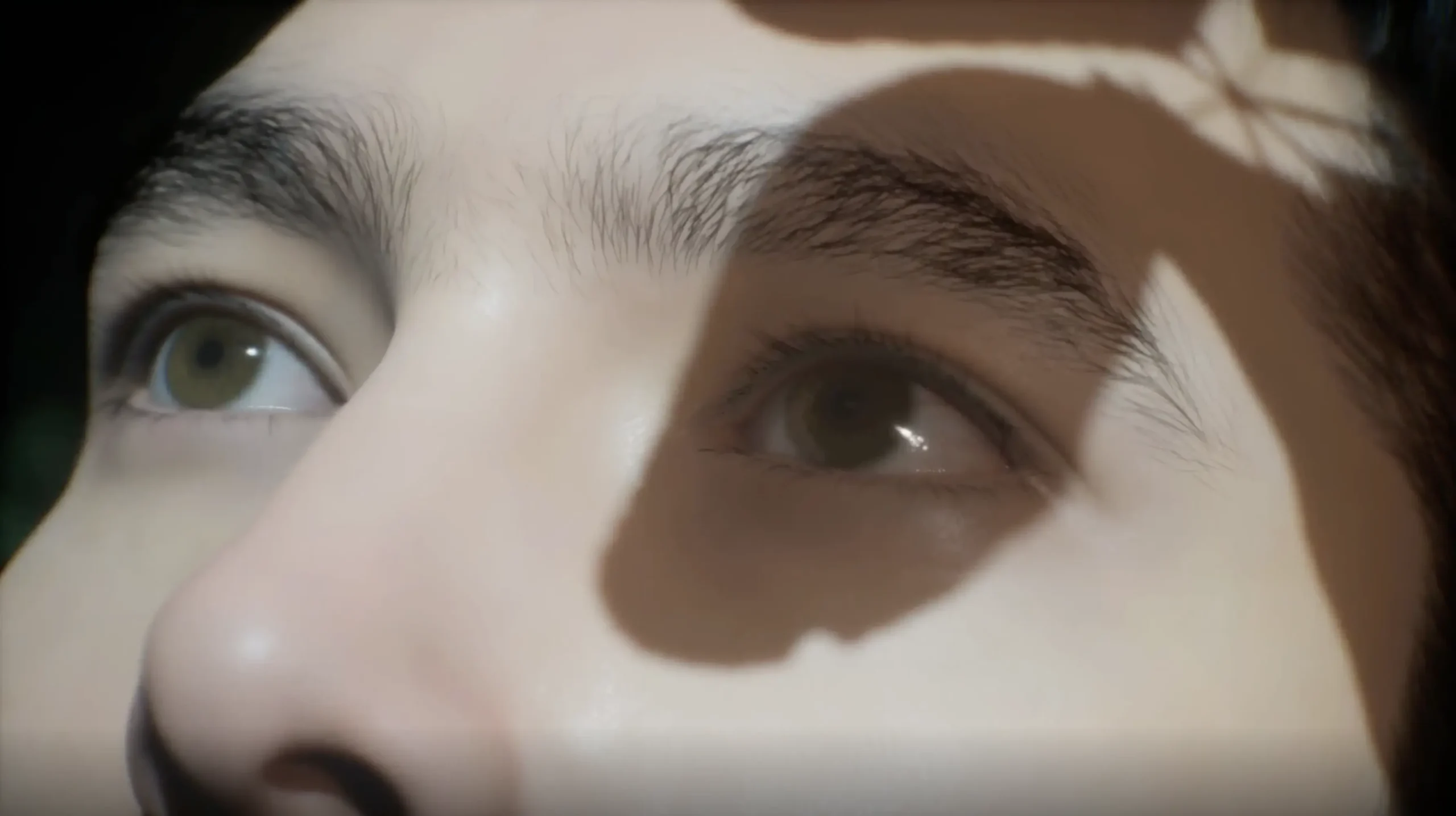
Liu’s practice poignantly acknowledges that the flow of information is a complex game of charades, dictated by algorithms, emotional impact, and hidden agendas. Combine it with a dash of AI deepfakes and you have an elaborate concoction that blurs the boundaries between fact and fiction.
To quote from the lab technician: ‘In this era, reality is never discovered. It is manufactured.’

