

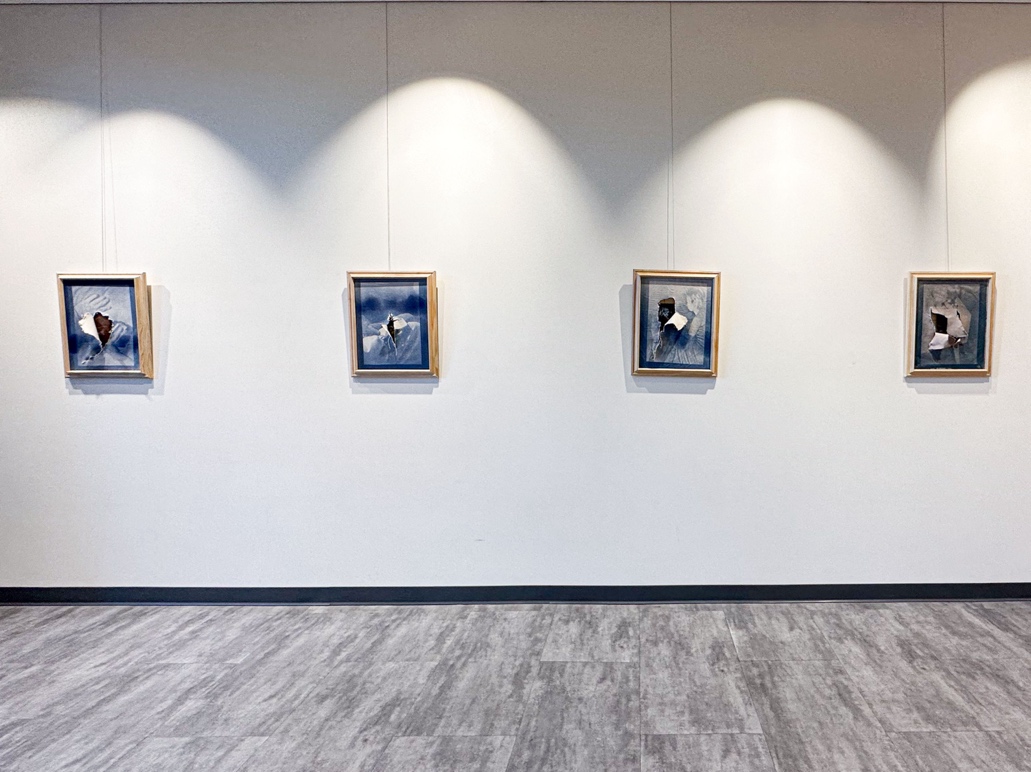
In late 2023, the City of Santa Clarita invited visual artist Siqi Fan to present Please Take a Look, a solo exhibition of cameraless photographs, cyanotypes, and photograms at the Canyon Country Community Center. On view from December 8, 2023, through March 13, 2024, the exhibition introduced local audiences to photographs created without the use of a camera. Siqi made the images by placing physical objects in direct contact with photosensitive surfaces and using light and chemical processes to record their shapes and traces. The exhibition was presented through the City’s public arts program in a community venue open to Santa Clarita residents.
Siqi’s relationship with the City began after she met Art Exhibit Assistant Stephanie Jacinto at a reception for an exhibition at Santa Clarita City Hall. Jacinto encountered Siqi’s practice at the event and later followed her work on Instagram. After seeing Siqi’s cyanotype series, she contacted the artist directly about organizing a solo exhibition. In her invitation, Jacinto referred specifically to Siqi’s cyanotypes as the works that prompted her interest. Siqi did not apply through an open call. The invitation followed Jacinto’s direct observation of her work.
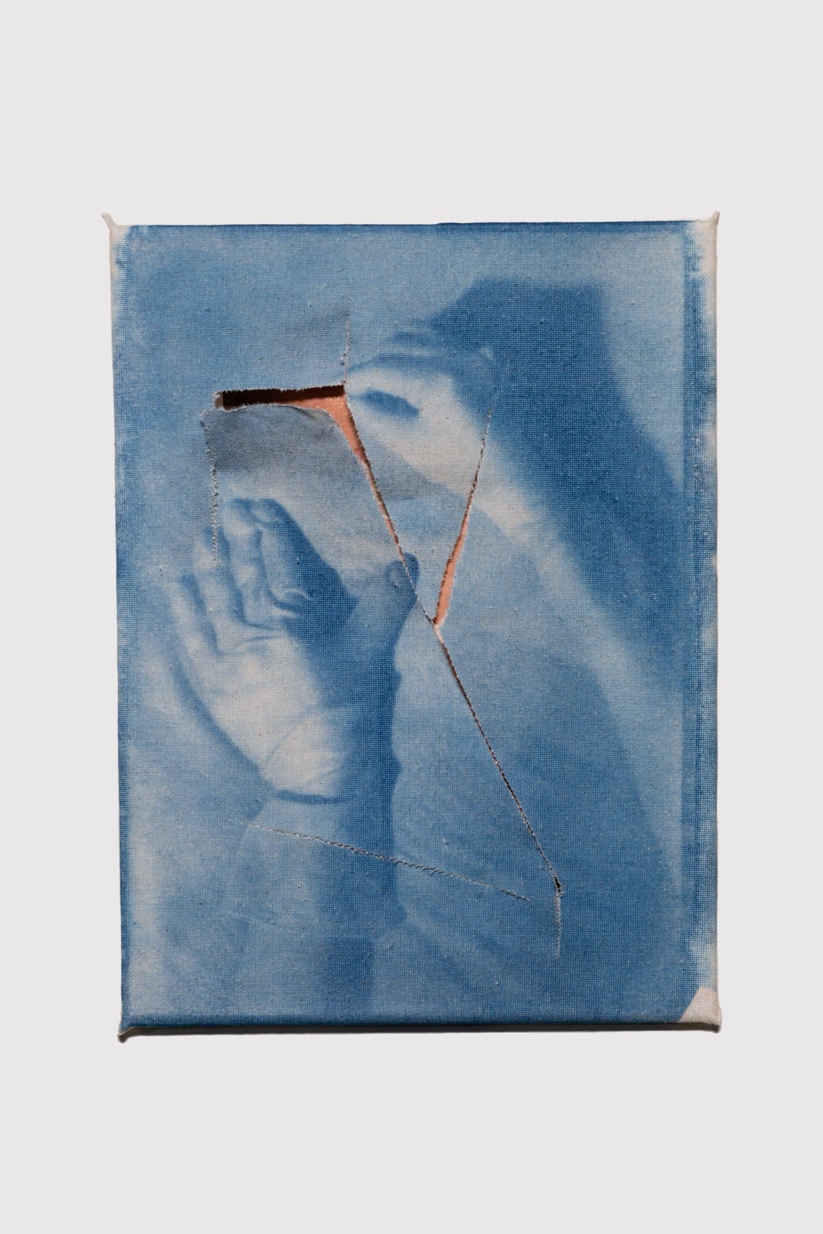
In Please Take a Look, Siqi used cyanotypes to explore identity, memory, visibility, and cultural perception. Rather than photographing a scene, she allowed objects to leave their outlines, shadows, and impressions directly on the photographic surface. The process gave physical contact, exposure, and the passage of light a visible role in each image.
The cyanotypes were marked by deep blue surfaces, while the photograms presented objects as silhouettes or partial impressions. These forms did not provide the descriptive detail associated with conventional photographs. Instead, they preserved only what could be registered through contact and exposure. Siqi used this limited visual information to consider how people recognize objects, retain memories, and interpret images whose original context is no longer fully available.
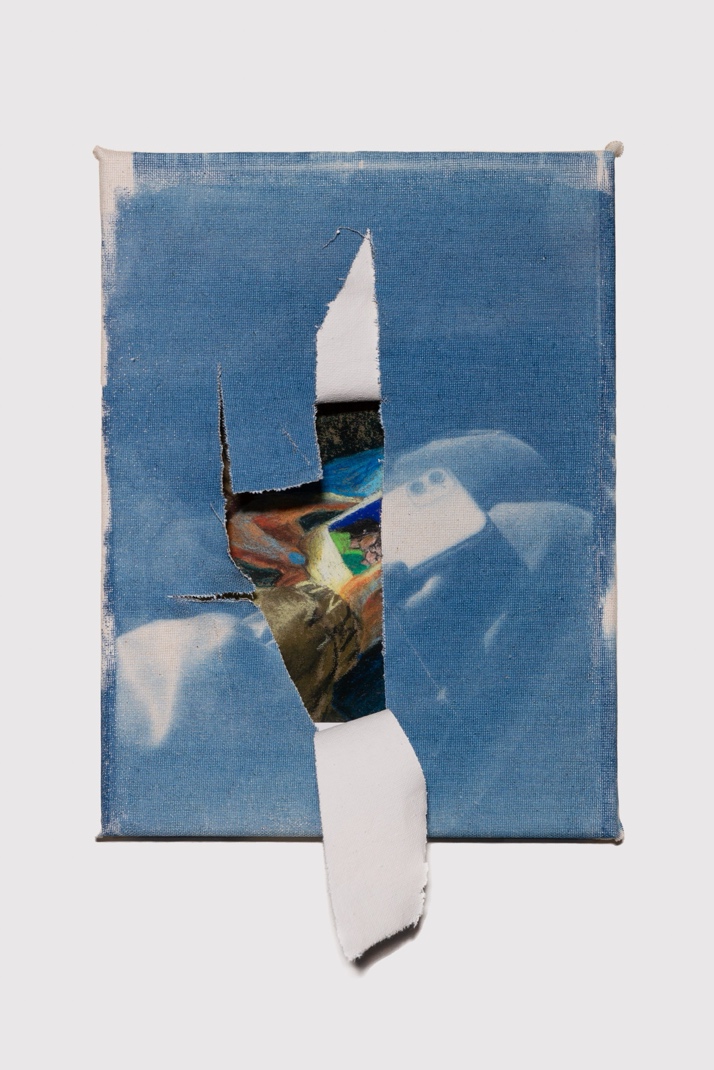
The location of the exhibition gave the work a public and educational setting. Santa Clarita’s municipal arts program presents exhibitions outside museums and commercial galleries, allowing residents to encounter different artistic practices in civic spaces. At the Canyon Country Community Center, visitors could see how photographs may be produced with light, objects, chemicals, and photosensitive materials rather than with a camera. The directness of the process made the basic method visible even to viewers unfamiliar with cyanotype or photogram techniques.
Soon after Please Take a Look opened, the City invited Siqi to participate in Transcendence: Breaking Boundaries. The exhibition was presented at Santa Clarita City Hall from January 12 through March 6, 2024. It marked Siqi’s second exhibition with the City within a short period and brought her work from the Canyon Country Community Center to another municipal venue.
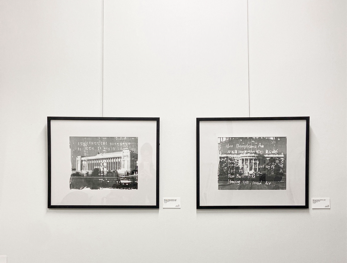
Siqi’s work is informed by migration, cross-cultural experience, and LGBTQ identity. In her cameraless photographs, these subjects appear through incomplete outlines, shadows, and physical traces instead of conventional documentary images. The works consider how identity and memory may remain present even when a person, object, or event cannot be fully recovered through representation.
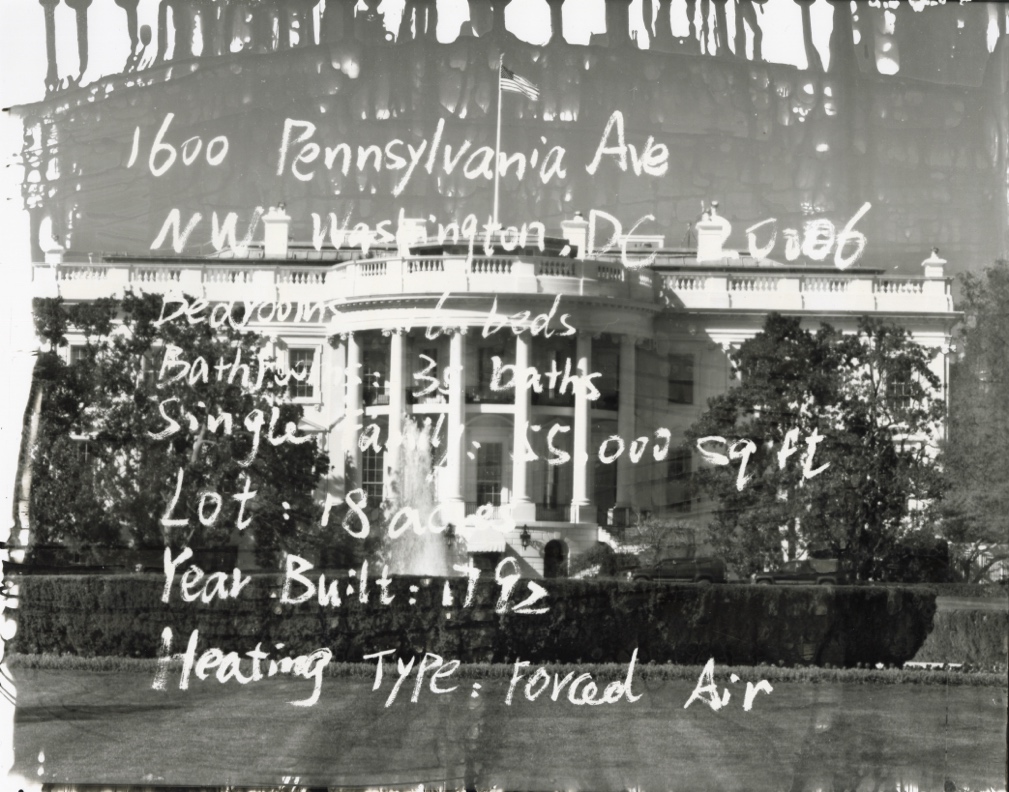
Installation view from Transcendence: Breaking Boundaries
Fan’s interest in cyanotype and photogram processes goes beyond technique. Rather than using these methods to reproduce historical aesthetics, she applies them to record subjects tied to memory, migration, and identity — concerns that place her cameraless photographs within a broader field of experimental photography being practiced today. For audiences encountering the work in Santa Clarita, the images offered an unfamiliar answer to a familiar question: what can a photograph show when no camera is involved?
Across both exhibitions, Siqi returned to a central question in her practice: what can an image preserve when the object, person, or experience it refers to is no longer fully present? By bringing this question into two public venues, her cameraless photographs offered Santa Clarita audiences a different understanding of photography, one grounded in contact, exposure, physical trace, and memory.

