

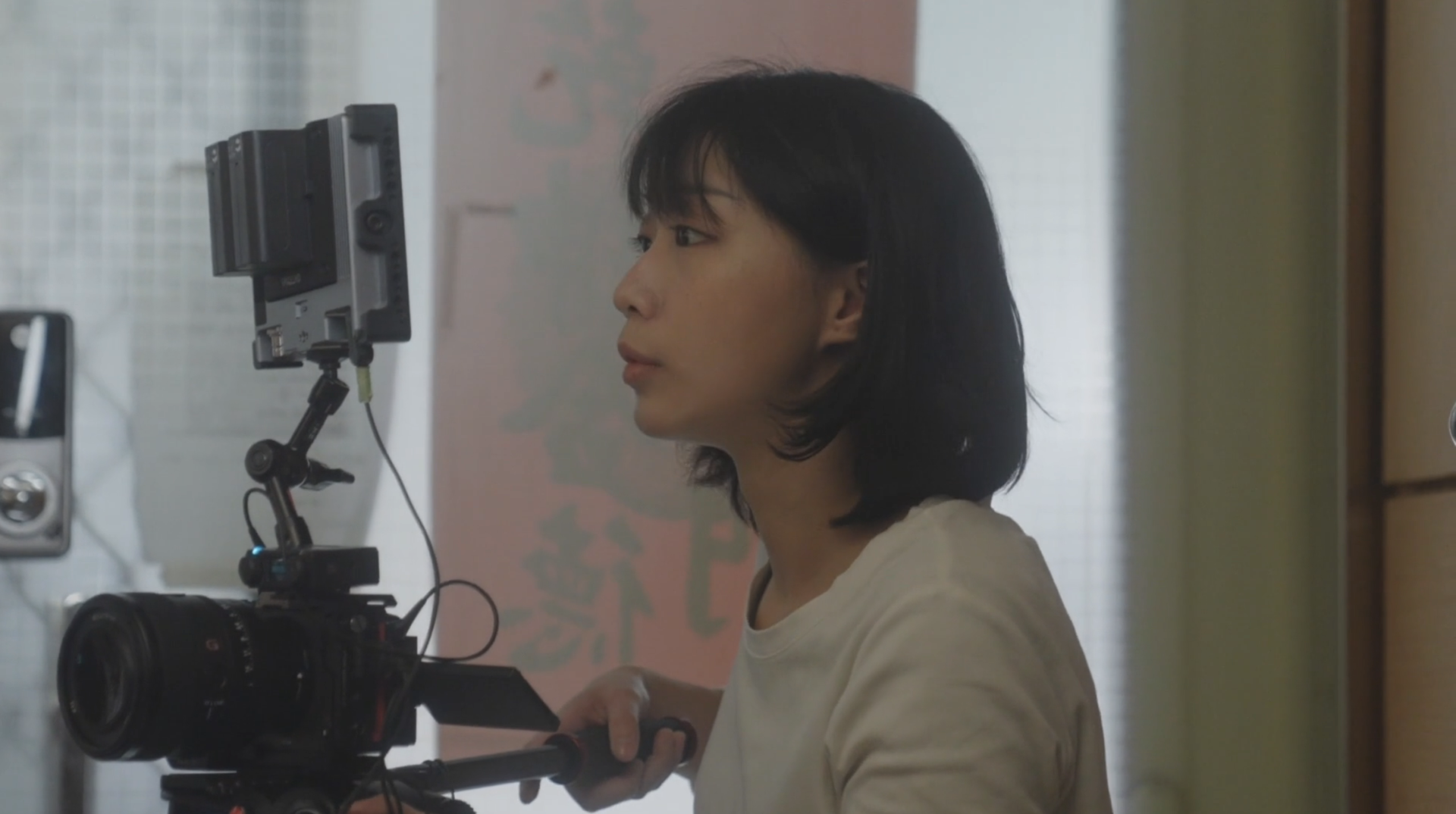
Cinematographer and writer Piper Yu has spent the last decade trying to answer this singular, recurring question: what is the price of being alone and how much do you pay to show up even when you don’t want to? That theme shows itself throughout three script drafts, which also loosely serve as an autobiography. The Better Place is a script tells the story of a young man obsessed with his teacher, stemming from memories of leaving home to go to the ocean as a teenager and instead of getting solace found exile. In Sunset, Yu splits the fear of inadequacy across two brothers. One brother chooses to move aimlessly and avoid taking risks and the other tries to outdo everyone else in order to escape feeling inadequate. Emergency Contact (Yu’s current writing/production project) is the most literal example of that fear of inadequacy. This is about a caregiver who finds herself physically and emotionally isolated in a foreign land (the U.S.) after living there for many years and not really integrating into society. Yu based this character off of her own struggles building a support system here in NYC.
There is a consistent pattern here and it could be viewed as both a strength or weakness. The commonality among these three films created around the same wound suggests a filmmaker that is still processing personal experience vs. someone that has processed their experiences and now has new ideas to explore. It remains unclear if Emergency Contact will represent a resolution of that issue or just another version of the same theme.
As a professional, Piper Yu works as a generalist because she wants to: director, cinematographer, editor and colorist, usually all at once, shooting on Alexa, Red, Sony, Panasonic and BlackMagic cameras, cutting on Premiere, Resolve and Avid. Since moving to Brooklyn from Taipei, her resume is filled with branded commercials and commercial jobs including: Midea, iFFALCON, plus multiple jobs for the cocktail bar Double Chicken Please. Some of her earlier work in Taiwan included: music video production for SKR Music and Chiming Publish, assisting with camera equipment on shoots for Uniqlo, Decathlon and NYT T Brand Studio, same day post-production editing for Taiwan Plus.
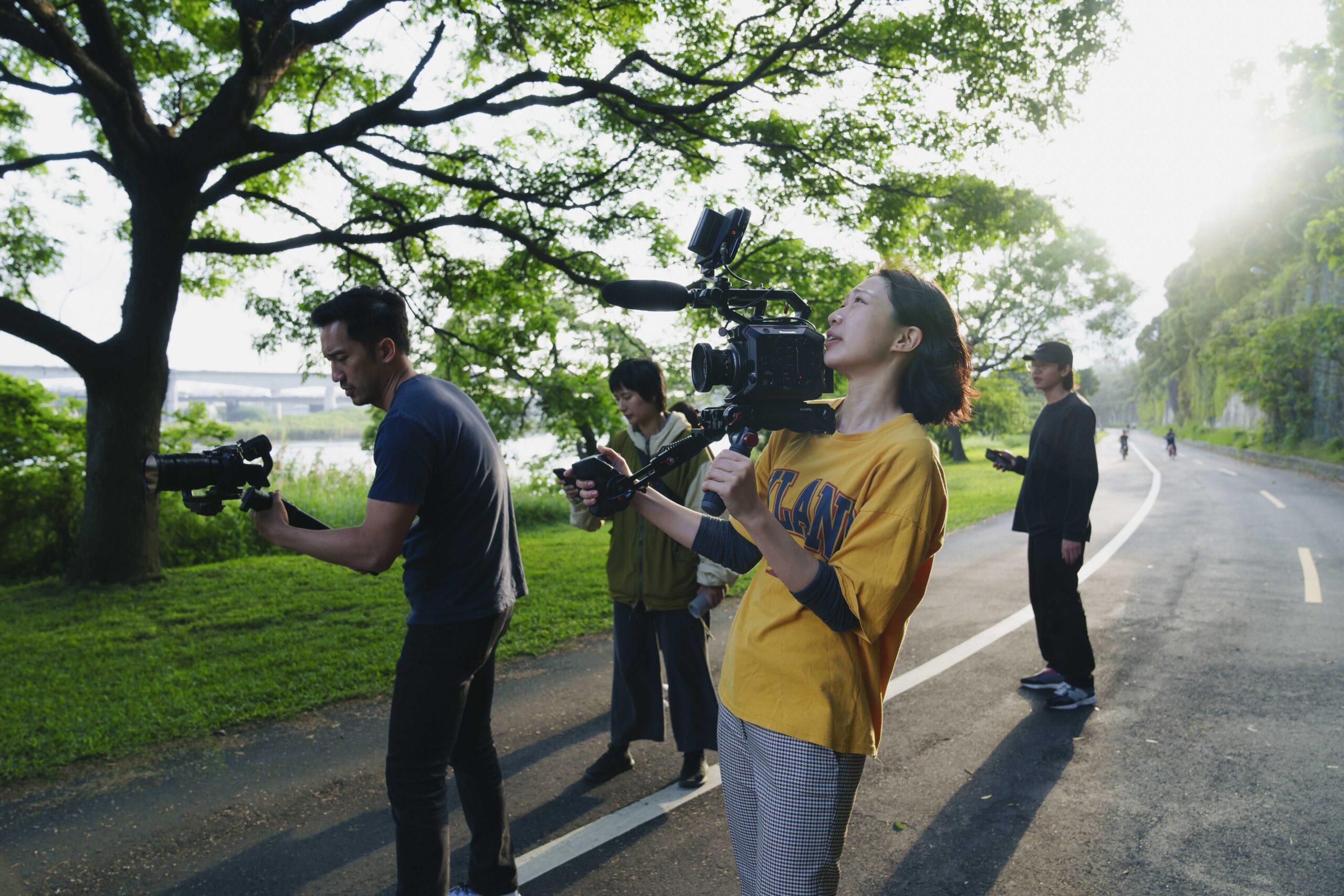
Yu’s festival history includes: Bad Daughter selected for Kyoto Cinematica; a top ten placement for Ulam Asian in a 48-hour filmmaking competition sponsored by the Asian International Film Festival; a nomination for Fatima at Queens World; and screenings of The Better Place at Women Make Waves and Windows of Formosa. Yu has not yet made a feature-length film. Her commercial reel stands as a technical achievement in its own right: a Midea dishwasher ad for Amazon, a iFFALCON social media campaign, plus directing work for Double Chicken Please’s fifth anniversary film.
What I find to be the more compelling narrative of the two (and perhaps more compelling than each individually) is the way in which Yu’s short-form confessionals contrast against her commercially-driven work. Yu’s personal projects are where we see her authorial voice; Yu’s commercially-driven work is where we see her technical abilities put to use and rewarded. While these two worlds have not intersected on any one large-scale project, Emergency Contact, currently in development, represents Yu’s first opportunity to take her recurring themes of isolation outside of the confines of the short-film circuit and determine if her skills as a generalist will translate into a cohesive directorial identity.

