

Missing teeth affect chewing, speech, facial support, and daily confidence. Dental implants replace the tooth root and support a crown that looks and functions like a natural tooth. Unlike removable appliances, implants remain anchored in the jaw and help preserve surrounding bone. For patients in Atlanta and beyond, their stability, durability, and natural appearance make them a long-term choice for smile restoration. Treatment follows a clear process, beginning with an evaluation and personalized plan. Knowing what each stage involves helps patients make confident decisions about their care.
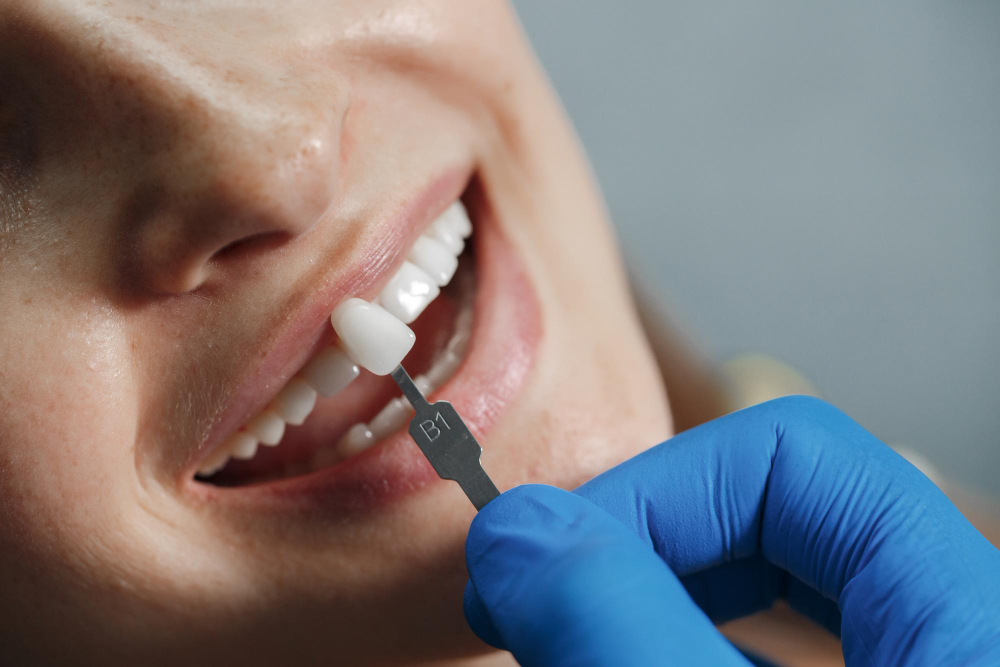
A consultation examines gum health, bone volume, bite alignment, medical history, and smile goals before surgery. Patients comparing providers for dental implants in Atlanta should ask how imaging guides placement, whether bone grafting is necessary, and how the final crown will match nearby teeth. Clear answers help patients understand the treatment plan and prepare for each stage of care.
Implants Replace the Root Beneath the Crown
A dental implant consists of a titanium post placed in the jawbone, an abutment, and a custom crown. The post replaces the missing root, while the abutment connects it to the visible restoration. This structure gives the replacement tooth support beneath the gumline.
During healing, the jawbone bonds with the implant surface through osseointegration. That connection helps the implant resist movement during chewing. An attached crown then restores the visible portion of the tooth and completes the smile.
They Support Chewing and Facial Structure
A missing tooth changes how biting pressure moves through the mouth. Nearby teeth can shift into the open space, while the opposing tooth can move downward or upward. These changes affect bite balance and make some areas harder to clean.
Implants transfer chewing forces into the jawbone through the replacement root. This stimulation helps limit the bone loss that follows tooth loss. The result supports a stable bite and helps maintain the lower face’s natural shape.
The Treatment Follows a Staged Process
Treatment begins with an examination, dental imaging, and a review of medical history. The dentist evaluates the implant site, gum condition, neighboring teeth, and available bone. Imaging helps determine the post’s position and the crown’s planned shape.
Some patients need a bone graft before implant placement. The procedure adds material to an area with insufficient bone volume. After healing, the site can support the implant during a later appointment.
Following placement, the implant heals beneath the gum while bone bonds around it. The timeline depends on the treatment site and the patient’s healing response. Once the implant becomes stable, the dentist attaches the abutment and places the final crown.
Implants Suit Several Tooth-Loss Patterns
A single implant can replace one missing tooth without reducing healthy neighboring teeth for support. The crown matches nearby teeth in size, shape, and color. This approach keeps the restoration independent from adjacent teeth.
Patients missing several teeth can receive implants that support a fixed bridge. The bridge fills multiple spaces while using fewer implant posts than individual replacements. A full-arch restoration uses several implants to support a complete row of replacement teeth.
The right design depends on the number of missing teeth, bone condition, bite forces, and cleaning ability. A detailed examination helps match the restoration to those factors.
Long-Term Care Protects the Result
Implants do not decay, but the surrounding gums and bone still require daily care. Brushing twice daily, cleaning between teeth, and attending dental examinations help control plaque around the implant. Patients should also follow professional cleaning recommendations based on their gum health.
Hard objects, untreated teeth grinding, and poor oral hygiene can damage the crown or place stress on the implant. A night guard protects restorations for patients who clench or grind. Regular visits also allow the dentist to identify gum inflammation or bite changes early.
Conclusion
Dental implants give patients a fixed way to replace missing teeth while supporting chewing comfort and facial structure. Successful treatment depends on healthy gums, adequate bone, and a plan based on imaging and bite function. Patients should discuss healing time, temporary teeth, crown materials, and cleaning routines before treatment begins. A detailed consultation turns the goal of restoring a smile into a practical sequence with clear decisions at each stage.

