

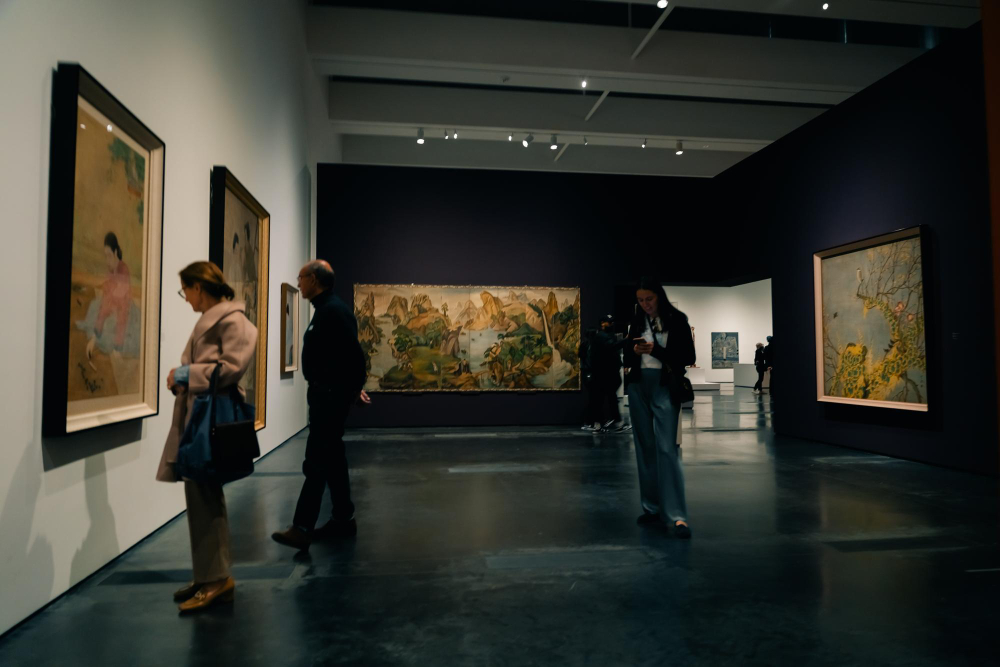
Most people spend 71 minutes in a museum. That average comes from studies of visitor behavior, and I believe it, because I used to be the guy who power walked a whole floor in eleven. A regional art museum is a different animal from a big city institution, and the visit rewards a different approach.
Here is the agreement between us: by the end of this piece you will have a repeatable method for getting real value out of a regional museum in a single afternoon, even if you know nothing about the art on the walls. We will cover timing, how to pick what to see, how to read a collection against its city, and the mistakes that flatten a visit into a blur of frames.
What Makes a Regional Museum Different
National museums answer to a national story. Regional museums answer to a place. Their permanent collections tend to be built around local artists, local materials, and the history of the surrounding county or coastline, and that is exactly what makes them worth your time.
You will often find one anchor collection, the thing the institution was built around, plus a rotating schedule of traveling exhibitions that borrows the big names for a season. A museum might pair a globally famous pop artist with a deep local painter in the same building at the same time. That contrast is the whole point, and it is something a flagship museum in a major city rarely bothers to stage.
Culture and heritage travel is a major segment of global tourism, and it is growing, according to the World Tourism Organization. That matters to you as a visitor because it means regional museums have gotten better at welcoming people who are not art historians. Wall text has gotten clearer. Seating has gotten better. The days of feeling dumb in a gallery are largely over.
Timing Your Visit Without Guessing
Start with the calendar, not the map. Regional museums run on seasonal exhibition cycles, so the single biggest factor in what you see is when you walk through the door. Check the current schedule before you plan anything else, because a gallery between shows is just a quiet room.
Weekday mornings are the sweet spot if you want space. School groups tend to arrive mid morning on weekdays during the school year, so aim for the first hour after opening or wait until after lunch. Weekends are busier but often have the best programming, and I would take a crowded Saturday with a live performance over an empty Tuesday every time.
If the museum runs evening hours, use them. Small institutions get a completely different energy after five, and the same room you rushed through at noon becomes somewhere you can actually sit and look.
- Check the exhibition schedule first, then pick your date.
- Arrive in the first hour after opening for quiet galleries.
- Save weekend visits for days with talks, music, or workshops.
- Give yourself ninety minutes minimum. Less than that and you are just counting frames.
- Ask at the front desk which two rooms the staff would pick if they only had twenty minutes. Their answer is usually better than the map.
A Method for Looking at Work You Do Not Understand
Here is the framework I use, and I have never seen it written down anywhere. I call it the three questions, and it takes about three minutes per piece.
One: what is the artist looking at? A figure, a landscape, a factory floor, a family. Two: what did they leave out? Every artwork is a set of decisions, and the removals tell you more than the inclusions. Three: why here? Meaning why is this object in this building, in this city, on this wall, next to the piece beside it. The third question is the one that separates a real museum visit from scrolling a phone in a bright room.
Use the three questions on four or five pieces instead of glancing at forty. Four thoughtful objects will stay with you for years. I cannot remember a single painting from the last time I tried to see an entire floor in an hour.
Museums exist in part to interpret and care for collections on behalf of the public, and the Smithsonian Institution is the clearest example of what that stewardship looks like at scale. The walls of a smaller museum carry the same duty with fewer resources. Knowing that changes how you look at the labels, the lighting, and the awkward corners where a wall was clearly moved last year.
Read the Collection Against the City
This is where a regional museum beats anything you can see online. Ask one question on your way in: what does this collection say about this place?
Then go find evidence. A coastal city with a shipping history will show up in the way the collection treats water, labor, and light. An inland town built on a specific trade will show up in the materials. Look at the local artist gallery first, not last. It tells you what the city thinks of itself, which is more interesting than what a curator in a distant capital thinks of the city.
Specific examples from my own experience. I once spent a rainy afternoon in a small museum where a single room of local portraits hung next to a traveling exhibition of international photography. The pairing was accidental as far as I could tell, and it still taught me more about the town’s self image than any plaque in the building.
If you are planning a trip around art in a particular region, a little preparation goes a long way. Mapping out the museums in wilmington nc ahead of time, for instance, lets you slot the bigger permanent collection into a morning and leave the afternoon for smaller spaces nearby, instead of sprinting between both and enjoying neither.
Mistakes That Kill a Good Visit
Reading every label. You do not owe the wall text your full attention. Read the label for the pieces you have already decided you like, then move on.
Photographing instead of looking. Take one photo of the room, put the phone away, then work through the three questions. Your memory of a place is built from time spent looking, not from images you will never open again.
Treating the gift shop and the cafe as an afterthought. Both are usually run by people who know the collection, and both are good places to ask what you should see next. I once got a better recommendation from a barista than from the printed guide.
Skipping the temporary shows because you have never heard of the artist. That is the entire argument for going. Standards bodies in the field, including the American Alliance of Museums, have long treated public trust and access as core to what a museum does, and a traveling show by an unfamiliar name is usually where that promise gets tested.
Building the Visit Into Your Afternoon
Do not treat a museum as the whole day, because smaller collections do not carry three hours of attention. Build it as a two hour block with something to eat on either side. Walk there if you can, since the neighborhood around a regional museum is usually part of the point.
Give yourself one written takeaway before you leave. One sentence, on your phone, about what you saw. Mine from last year reads: the town paints itself as weather. That is the kind of note that makes you want to come back.
So pick a date, check the exhibition schedule, park your car once, and spend ninety minutes with four objects instead of forty. Then tell me which one you would hang in your own hallway, and why.

