

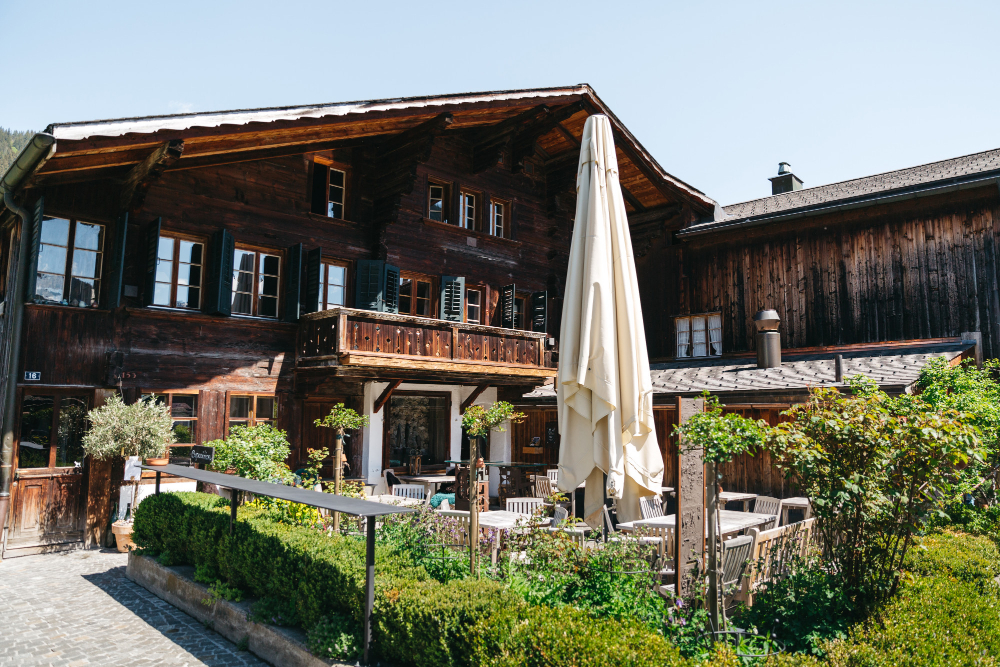
There’s a moment, usually somewhere around the second cup of tea on a Saturday morning, when the appeal of doing nothing in particular finally makes sense. No itinerary pressing in. No queue to beat. Just a view, a fire, and the rest of the day ahead. This is the quiet pull behind the rise of country breaks, and it says something about where travel, as a culture, is heading.
For a long time, a holiday meant movement. Flights, transfers, a list of sights to tick off before the return journey. That model still has its place, but it isn’t the only one people are reaching for anymore. More travellers are choosing to stay closer to home, slow the pace right down, and let a single place do the work that a dozen destinations used to. Country breaks fit neatly into that shift, not because they’re a lesser version of a bigger trip, but because they offer something a fuller itinerary rarely can: room to actually rest.
Somewhere Between Escape and Stillness
Part of what makes a country hotel break work is the setting itself. Rolling hills, old stone walls, a village pub within walking distance, this is a landscape built for slowing down rather than rushing through it. There’s no pressure to fill the hours. A walk before lunch, a long soak in the bath, an afternoon spent reading somewhere with a decent window seat: the day organises itself around comfort rather than schedule.
That’s a different kind of holiday than the one built around checklists, and it asks something different of the traveller too. Slow travel isn’t really about doing less for its own sake. It’s about paying closer attention to where you are. A country hotel, tucked into the Cotswolds or the Lake District or somewhere similarly unhurried, gives that attention somewhere to land. The food is often local. The staff know the walking routes. The whole experience is scaled to a human pace rather than a tourist one.
The Case for Staying Put
There’s also something to be said for the emotional register of a country break versus a longer trip abroad. Long-haul travel, for all its rewards, carries its own kind of friction, time zones, unfamiliar systems, the low-level effort of navigating somewhere new. A country break removes most of that friction while keeping the sense of genuinely getting away. You’re not managing logistics. You’re just present, in a place that’s quietly beautiful and doesn’t ask much of you.
This matters more than it might first appear. Rest, properly understood, isn’t only physical. It’s the absence of decision fatigue, the sense of not having to plan the next move. Country hotels tend to be very good at creating that atmosphere, largely because doing so is the entire point of the place. Spa treatments, walking trails, a good wine list and an early dinner slot aren’t add-ons here, they’re the architecture the whole stay is built around.
Where Package Holidays Still Fit In
None of this is an argument against package holidays, and it would be a mistake to frame the two as opposites. Package holidays remain a brilliant way to see somewhere further afield without the admin of planning every detail yourself, flights, transfers and accommodation bundled together, all the friction handled in advance. For a longer trip abroad, that convenience is genuinely valuable, and it’s part of why package holidays have stayed popular even as travel habits have diversified.
What’s changed is that they’re no longer the default answer to every kind of trip. A weekend that calls for stillness rather than sightseeing doesn’t need the same infrastructure as a two-week holiday overseas. That’s where country breaks earn their place, as the right tool for a different job, not a smaller version of the same one. Increasingly, people are building a mix into how they travel: a package holiday for the big trip of the year, and a country break, or several, filling the gaps in between.
A Different Definition of a Good Trip
Maybe the clearest sign of this shift is how people talk about their weekends away now. It’s less about where they went and more about how they felt while they were there. Did they switch off? Did they actually rest? Did the pace of the place match the pace they needed? Country hotel breaks answer those questions well, precisely because they were never designed around spectacle in the first place.
There’s a reason this kind of travel keeps growing in popularity, and it isn’t nostalgia for a simpler holiday. It’s a genuine recalibration of what a good trip is meant to deliver. Sometimes that’s a fortnight somewhere unfamiliar, built around a well-planned package holiday. Sometimes it’s two nights in a converted farmhouse with nothing on the agenda beyond a long walk and a better night’s sleep than usual. Both are worth having. The country break just happens to be the one built entirely around the pace we’re all quietly craving more of.

