

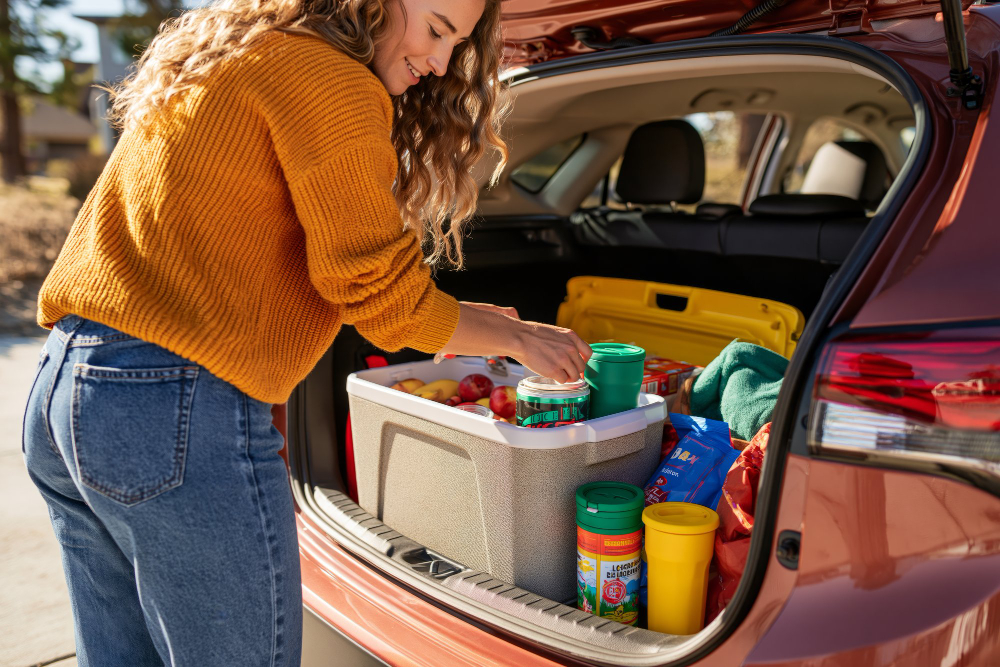
A road trip, camping weekend, or outdoor adventure often calls for a simple way to safely store food and drinks cold along the way. A car fridge can make that easier, but choosing one involves more than picking a model that fits in your vehicle.
With so many models available, small differences can affect how well a fridge suits your travel routine. The right choice can depend on where you travel, how often you use your vehicle for outdoor trips, and what you expect from a portable cooling unit. Taking a little time to compare your options can help you understand which model works for your intended use.
Rather than choosing based on appearance or a single feature, it helps to look at the full picture before making a purchase. The sections below cover six key things to consider before buying a car fridge.
-
Check Cooling Type
When comparing a car fridge, start with the cooling system. Compressor and thermoelectric coolers work in different ways, so the type you choose can affect how the fridge performs during a trip.
Compressor models use a cooling system that suits longer trips and outdoor use where steady cooling is important. They can also provide the consistent performance needed when the fridge operates for extended periods.
Thermoelectric models work well for keeping already-cold food and drinks cool, making them useful for shorter drives and everyday travel. Their cooling system can also provide both cooling and heating, giving you another option for everyday use.
-
Match Storage Capacity
Storage capacity determines the volume of food and beverage that can be stored in the fridge. A smaller unit may be appropriate when you have a short trip and a few things to carry, but a bigger model may enable you to carry more when you want to go camping, fishing or exploring.
The layout within the fridge dictates the ease with which the space can be used. Bottles, containers, meals, and packaged food can be stored in compartments, baskets, and other storage areas, with the form of each area influencing the fit of items.
To have a more realistic vision of the practical storage, it is best to take into account the interior dimensions and the mentioned capacity.
-
Confirm Power Requirements
Power access plays a key role when using a fridge in a vehicle. A wide variety of vehicle-usable models can be powered by a 12V DC source, such as a vehicle outlet, and can thus be used directly during a drive.
For added flexibility, some models also support household AC power. You can use that connection when preparing food before a trip, storing the fridge at home, or using it at a powered campsite.
Battery use becomes more important when the fridge continues running after the vehicle is parked. Some coolers include battery protection that monitors vehicle voltage and switches the unit off when the voltage reaches a low level, helping preserve available battery power.
The amount of parked use also shapes the power setup you need. A fridge running for several hours without the engine on places different demands on the vehicle’s battery from one used mainly while driving.
-
Compare Temperature Range
Temperature range shows how cold the fridge can become and gives you an idea of its cooling capability. The available range can also help you determine whether the unit supports the storage conditions you need.
A model that reaches freezing temperatures can give you more flexibility during warm-weather travel. Consistent cooling can help keep perishable food at a safe temperature, with USDA guidance recommending that refrigerated food stay at 40°F or below during outdoor activities.
The way you control that temperature is another detail to examine. Look at the control system and how easily you can adjust the setting while the fridge is in use.
-
Consider Single or Dual Zones
Single-zone and dual-zone layouts provide different ways to manage chilled and frozen food. A single-zone cooler has one main storage area with one temperature setting, which suits supplies that can share the same cooling level.
Dual-zone models divide the storage area into separate sections with individual temperature control. One section can hold frozen food while another keeps drinks or fresh food chilled, giving you greater flexibility when carrying items with different storage needs.
Your choice can also depend on how you plan to pack the fridge. A single compartment gives you one continuous storage area, while a dual-zone design divides the available room between two sections.
The size of each zone matters as well. A smaller freezer section, for example, may offer less room for larger frozen items, so check how the total capacity is divided between the two zones.
-
Review Size, Portability, and Vehicle Fit
Outside dimensions determine how the fridge fits into your vehicle. Measure the available area and compare it with the unit’s length, width, and height.
The space around the unit also affects its placement. Leave enough clearance for the lid or door to open comfortably without interfering with seats, luggage, or other equipment. A convenient position lets you reach food and drinks easily during stops.
Once you move beyond the vehicle, portability becomes another practical consideration. Built-in handles and a manageable weight can make the fridge easier to carry, load, and reposition at a campsite, picnic area, or other destination.
Bottom Line
Buying a car fridge can be easier when you look beyond its basic size and appearance. Understanding how different features work can help you compare models based on what you expect from your fridge during travel and outdoor use.
Taking the six key factors into account can give you a clearer picture of what to look for when comparing models. A car fridge that matches your setup can become a useful part of your travel gear for keeping food and drinks ready wherever your journey takes you.

