

We’re living in a moment in which fashion seems to have stopped looking ahead and has turned instead towards reclaiming a very recent past. For Gen Z – those born between the late 1990s and early 2000s – this phenomenon takes the form of a very particular nostalgia for an era they didn’t experience as adults. It’s not simply a matter of buying second-hand clothes at markets, but rather a deliberate search for the stripped-back minimalism that defined the 1990-2000 decade.
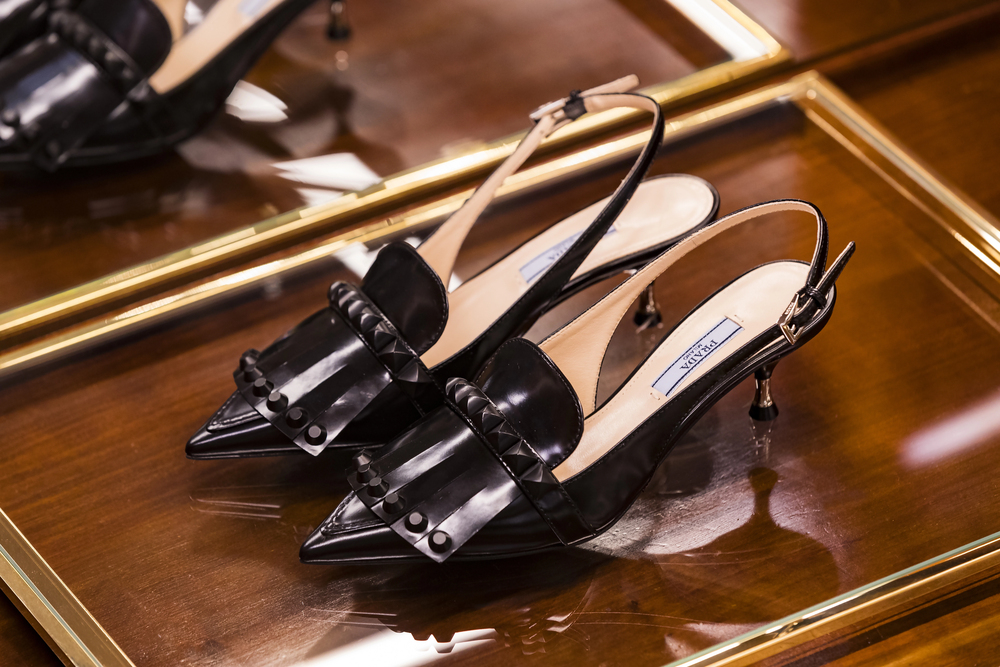
This return to visual order is a direct response to the visual chaos of social media and to the saturation of colours and logos that dominated the previous years. Today’s young consumers study past collections as though they were history books, hunting for pieces with intrinsic value and a recognisable design language. In this climate of rediscovery, iconic objects such as Prada shoes for women, in both brushed leather and nylon, have become genuine cult items, as they perfectly encapsulate the balance between utility and intellectual luxury that lies at the core of this aesthetic movement.
Rejecting hyper-consumerism and the search for authenticity
This trend is rooted in a profound shift in the mindset of younger consumers, who are increasingly rejecting the fast-fashion model. Wearing an archive piece is a precise statement against uniformity, favouring the craftsmanship and construction quality of twenty years ago over today’s mass-produced clothing.
There’s a tangible desire to own objects with a traceable history and provenance, turning shopping into an activity closer to art collecting. The search for a unique piece becomes more rewarding than mere ownership, giving the wearer a certain connoisseur’s status.
The ‘Ugly Chic’ aesthetic as s form of quiet rebellion
Another crucial aspect of this revival is the re-evaluation of beauty itself, moving away from traditional standards and embracing more conceptual and sometimes deliberately awkward forms. Nineties minimalism wasn’t designed to seduce: it was meant to communicate intelligence, power and independence.
Gen Z has embraced this philosophy, often described as ‘Ugly Chic’ because it allows them to express their identity without conforming to unattainable or hyper-sexualised aesthetics standards. Clean lines, neutral colours such as grey, black and brown and androgynous cuts create a kind of urban uniform that both protects and reassures. It’s a style that prioritises functionality and comfort without ever sacrificing elegance, resulting in a versatile wardrobe that works effortlessly in real life, not just on social media.
Social media and democratisation of fashion history
The driving force behind this rediscovery is without no doubt technology, which paradoxically fuels nostalgia for a pre-digital world. Social media have become giant visual archives where expert creators break down historic runways, analyse fabrics and teach viewers how to recognise original labels from different eras.
Knowledge of fashion history, once reserved for industry insiders or academics, is known accessible to anyone with a smartphone. Videos showing how to a style a vintage blazer or restore an archive handbag attract millions of views, educating a new generation on the importance of preservation. This constant exchange of information has transformed archive fashion from a niche interest for a select few into a global pop phenomenon, proving that young people are not merely passive consumers but active archivists who are rewriting the rules of contemporary luxury through the lens of the past.

