Home Blog Page 151

8 Flexible Jobs Artists Can Start This Year

Does making art actually pay the bills? It’s the everlasting question for most artists. And the truth is, for most who need to ask that question in the first place, it doesn’t, at least not reliably. And at least not at first.

In fact, it can take not months but many years to build a market for yourself, but even established artists often supplement their income. And here’s more painful truth: sometimes, despite great talent and hustle, it’s not possible to be a full-time artist. That’s not failure, though; it’s a reality many creatives accept and work around. And the latter is key – even if you have to have a regular job, you can and should continue to make art.

The good news is, today, it’s easier than ever to find flexible, often remote roles that let you keep making art while covering rent and materials. Below are some practical options you can start this year, with realistic entry routes, time-to-skill estimates, and income ranges. Say no to the “starving artist” stereotype!

Realistic Jobs That Still Leave Room For Art

So, first off, know that you don’t need to trade your creative energy for a cubicle. The trick is to find work that pays reliably but doesn’t leave you depleted and unable to dedicate time to art.

So, here are some jobs that artists actually do (not hypothetical ones) that you, too, can consider.

1. Audiobook narration

If you’re good at pacing and can read with emotion, voice work is definitely worth exploring. Many narrators work from home with basic recording gear and edit their own tracks. A few online tutorials and a decent USB mic can get you to a professional baseline faster than you’d think.

Most indie projects pay $10–$100 per finished hour, and once you build a reel, you can join marketplaces like ACX or Findaway Voices. It’s one of those roles that’s oddly meditative. Long hours, yes, but pure storytelling.

2. Museum education / digital archiving

Museums have moved much of their outreach online, and they need people who can interpret collections for digital audiences. That could mean writing short learning blurbs, helping with metadata, or photographing and cataloging works for public databases. It’s steady, often hybrid work that values your creative vocabulary.

The pay runs from roughly $18–$35 an hour, and a few months of learning basic digital archiving tools (like TMS or Omeka) can make you employable.

3. Gallery registrar / art-handler work

If you enjoy the behind-the-scenes rhythm of art spaces — condition reports, packing, inventory control — registrar work can fund your studio life. It’s less glamorous than curating but much steadier. You learn on the job, and a few months of assisting can get you into regular gigs at galleries or fairs.

Pay tends to hover between $15–$30 an hour, but it scales quickly once you handle valuable works or larger institutions trust you with logistics.

4. Medical billing and coding

This one seems left-field, but it’s reliable, remote, and requires the same precision most artists already practice. You translate procedures and diagnoses into standardized codes that make healthcare billing work: detailed, rule-based, and actually satisfying for people who like structure.

The fastest route is a medical billing and coding program, like the one offered through vocational schools like STVT. Training usually takes under a year, and pay often lands in the $45,000–$60,000 range with experience. It’s not creative, but it frees you to be creative off-hours consistently.

5. UX research participation / testing

You can literally get paid to critique design. Platforms like UserTesting or Respondent pay participants to share reactions while navigating sites or apps. Designers crave feedback from visually trained people, so your artistic perspective helps.

It’s casual income — $15 to a couple hundred per study — but it’s flexible enough to fill gaps between bigger projects and occasionally sparks ideas about your own audience or composition.

6. Photography assisting and studio tech

Working as a photo assistant gives you immediate hands-on experience with lighting, gear, and client interaction, all of which can also feed back into your art.

You learn how professional setups run, earn an hourly rate of about $29 (although it varies), and pick up technical fluency you can’t get from YouTube alone. It’s also social work: every job expands your network, often leading to collaborations that matter far more than the pay.

7. Captioning / transcription / content accessibility

If you have a sharp ear for rhythm and pacing, look into captioning or transcription. It’s detail-oriented but flexible, and it fits neatly between creative projects.

You can start on freelancing platforms and move toward specialized captioning for film festivals or nonprofits. Expect $10–$30 an hour, depending on speed and specialization.

8. Community health outreach

If you have great communication skills and you want to put them to good use, consider this role. Nonprofits and public health agencies often hire creatives to design educational materials, manage local events, or run awareness campaigns. You might layout flyers one week and direct a small art-based workshop the next so it’s versatile.

It pays around $20–$45 an hour and offers a refreshing sense of purpose; a way to merge creative messaging with social impact.

The Art of Balance

The toughest part isn’t finding flexible jobs because they exist, but managing the balance once you start. You can easily fill every spare hour with client tasks, leaving no energy for your art. The goal isn’t to “fit art around work,” but to build a system where both feed each other (ideally). Paid work gives you structure, deadlines, and often unexpected inspiration. The trick is to design your schedule and mindset so the job funds your creativity rather than drains it.

Here are some tips to balance this:

  • Treat paid roles as modular: pick gigs with predictable hours or blocks of time so you keep studio momentum.
  • Build transferable artifacts: cataloging, metadata, voice demos, or UX test notes are portfolio pieces that show skills beyond “I make art.”
  • Timebox creative work (even two focused hours per weekday moves projects forward). Yes, it’s small but consistent.
  • Keep learning that compounds: courses in metadata, audio editing, or basic coding increase your market options.

Finally, consider joining or even forming a small online group of artists balancing part-time or remote work. Accountability makes it easier to stick to your creative hours, plus you’ll swap practical tips.

8 Games That Nail Restaurant Realism

Restaurant life is a whirlwind of sizzling ovens, rapid-fire orders, and perfectly timed service. Some games manage to bottle that energy into immersive experiences, blending accuracy with just enough fun to keep you hooked.

In this article, we’ll explore 8 standout titles that capture the essence of running a kitchen. From heat management to equipment modeling and the rhythm of service, these games bring restaurant realism right to your screen.

Grab your apron—there’s plenty on the menu today.

1.   Cooking Simulator

Cooking Simulator delivers an impressive level of detail for kitchen and art enthusiasts. The game stands out with its focus on accurate heat control and equipment usage. From preheating ovens to managing food temperatures, every step demands careful attention.

Ovens, from basic to advanced models, play a significant role in the gameplay. Players can adjust baking times and temperatures or deal with burnt dishes if they lose focus.

2.   Chef Life

While Cooking Simulator focuses on kitchen precision, Chef Life expands the experience to include the entire restaurant operation. From planning menus to delivering quality service, it highlights both front- and back-of-house challenges. The game nails preparation details, like pre-rush ingredient setups and timing meals perfectly.

Ovens play a critical role here too, mimicking professional models with timers and precise temperature settings. It’s reminiscent of browsing the Restaurant Supply catalog filled with Vulcan commercial ovens and tools that define efficiency in real kitchens.

3.   PlateUp

PlateUp brings a fresh perspective to restaurant realism by blending hectic service pacing with smart kitchen layouts. Success hinges on how well you organize your space and manage time, from cooking meals to serving customers.

The game doesn’t shy away from showcasing equipment challenges. Convection ovens and grills require constant attention as you balance efficiency with meal quality. The thrill of coordinating tasks under pressure mirrors the high-stakes energy of real kitchens.

4.   The Sims 4

The Sims 4: Dine Out steps into the managerial side of restaurant realism. While less focused on intricate kitchen details, it shines in capturing the business challenges of running a restaurant. Players hire staff, design menus, and manage customer satisfaction.

Though simplified, elements like pacing service during peak hours or balancing menu pricing add depth. Ovens play a functional role but are streamlined compared to other titles—ideal for those more interested in front-of-house operations than back-of-house precision.

5.   Overcooked 2

Overcooked 2 transforms restaurant realism into a fast-paced cooperative challenge. While it leans more on chaos than precision, the game excels at simulating the pressure of service and teamwork under fire.

Players juggle multiple tasks—chopping, cooking, plating—while managing tight deadlines and unexpected obstacles. Though ovens and equipment are simplified for gameplay purposes, their role is central to maintaining order amid the madness.

6.   Bakery Simulator

Bakery Simulator narrows its focus to the art of baking, offering a specialized take on restaurant realism. The game emphasizes exact measurements, timing, and oven settings to craft perfect bread and pastries.

Ovens take center stage here. From deck ovens to rotating racks, each type operates with realistic mechanics like temperature adjustments and batch management. Players also handle ingredient sourcing and delivery schedules for added layers of responsibility.

7.   Cooking Fever

Cooking Fever simplifies realism while capturing the core of quick-service dining. The game focuses on speed, precision, and customer satisfaction as players prepare meals in fast-paced scenarios.

While ovens and kitchen tools aren’t deeply detailed, they’re central to the gameplay. Timing is everything—leaving food in too long or missing an order impacts success directly. Upgrading equipment adds a strategic element, reflecting real-life decisions chefs face to improve efficiency.

8.   The Final Table

Closing this list is The Final Table, a game that immerses players in competitive cooking under intense scrutiny. Unlike other titles, it emphasizes the artistry and precision needed to craft high-quality dishes.

Ovens play an essential role, mirroring professional models with adjustable heat zones and multi-stage cooking options. Timing each step perfectly becomes critical as judges evaluate every detail of your creation.

Wrapping Up

Step into the thrill of the kitchen with these immersive games, each capturing the hustle and charm of restaurant life in its own way. They’re not just about cooking—they’re about living the rush, making split-second decisions, and crafting unforgettable dishes.

Whether you want to master precision baking or conquer chaotic dinner rushes, these titles invite you to take control. Fire up a game, test your skills under pressure, and see if you’ve got what it takes to thrive in the heat!

Cutting Between Worlds: How Xueer Cai Edits the Line Between Art and Algorithm

0

November 3, 2025 – Every second of film holds a thousand choices: what to show, what to leave out, and when to let a moment breathe. For film editor Xueer Cai, each decision shapes a story’s feeling.

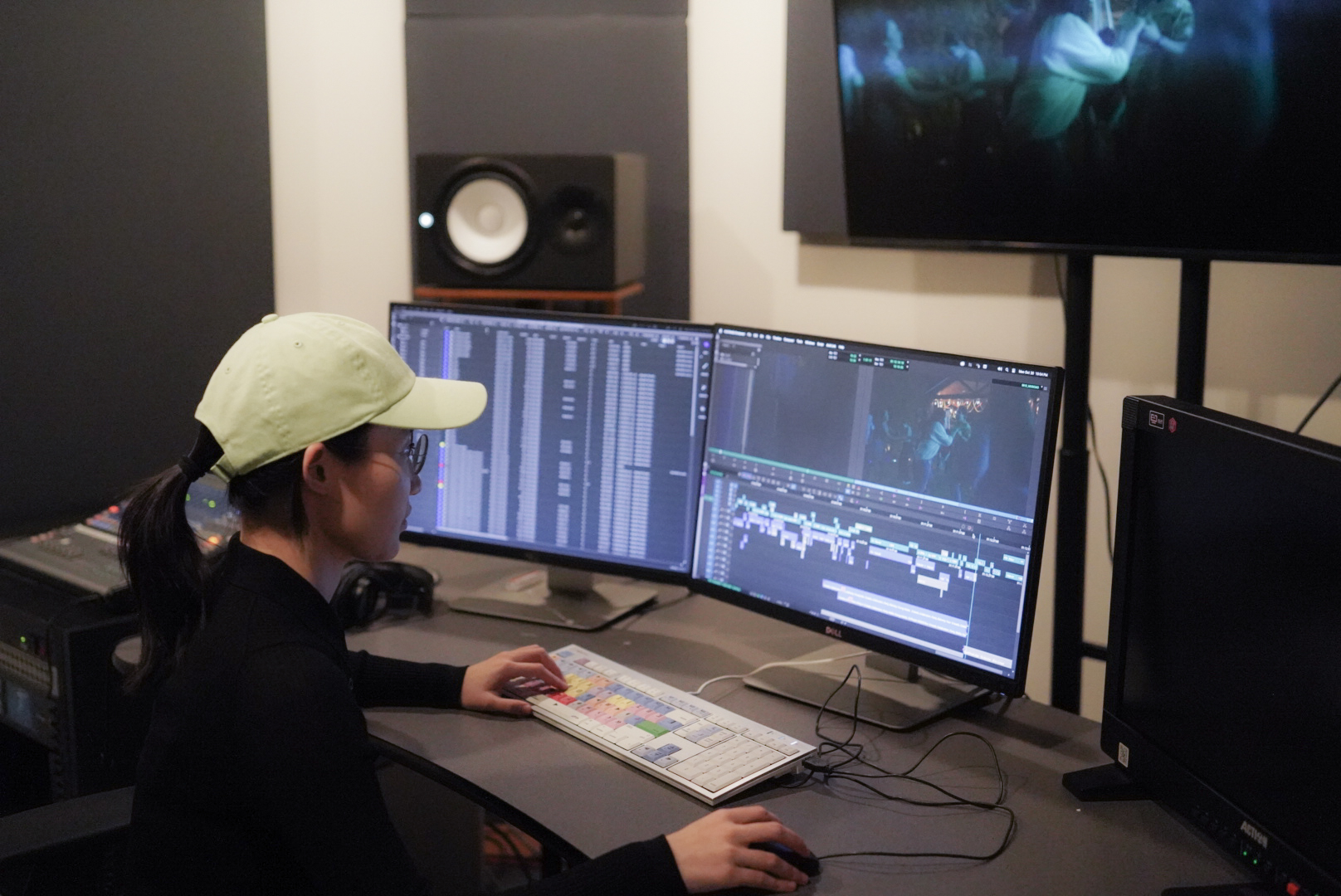
Her workspace glows with light from multiple screens. One monitor plays a paused frame, the other shows the editing timeline that maps every cut and transition. She studies faces, silence, and rhythm until everything falls into place. In that space, she works between two worlds: emotion and technology.

Cai’s career has grown from that balance. She has edited campaigns for Apple and BMW, short films screened across the United States, and vertical dramas that have reached tens of millions of viewers. Across every format, her approach remains the same: thoughtful, focused, and deeply connected to the emotional flow of each story.

As filmmaking becomes increasingly digital, Cai’s work reflects a careful understanding of how creativity adapts to new tools. Her process shows that progress and sensitivity can coexist, and that even in a data-driven world, storytelling can still feel human.

A Journalist’s Eye for Detail

Before editing, Cai studied Journalism and Communication at the Chinese University of Hong Kong. She learned to notice the details that reveal character: a pause, a gesture, or an unspoken thought.

“Journalism taught me to look for the moment between words,” she says. “Editing does the same thing. It’s about reading people.”

After graduating, she worked as a creative director at a Hong Kong fashion magazine. There, she began shaping emotion through imagery. The rhythm of color, light, and framing prepared her for the world of post-production.

She later moved into commercial editing, creating work for Apple, BMW, Nike Women, SK-II, ByteDance, and Tencent News. The projects demanded precision, but Cai also brought a strong sense of mood and pacing.

During her spare time, she created independent documentaries such as We Are All the Same and Zhu Gang. The latter, a portrait of a Chinese opera painter, was featured in nearly 500 publications worldwide. Its calm, personal tone revealed Cai’s ability to find meaning in quiet, human moments.

From Commercials to Cinema

In 2022, Cai moved to Los Angeles to study Film Editing at the American Film Institute Conservatory. Immersed in narrative film, she began shaping stories that required both patience and intuition.

Her short film Francis won the DGA Student Film Award – Jury Prize (2024) and received a Camerimage nomination (2025). Another film, Pluto, a sci-fi short, screened at the Boston Sci-Fi Film Festival and the Rhode Island International Film Festival.

Cai views editing as a form of listening. “It’s about knowing when a scene should breathe and when it should move,” she says. “The rhythm has to feel true.”

She often starts by watching scenes in silence, studying gestures and expressions before adding sound or music. This method helps her find the emotional thread that ties everything together.

Technology as a Creative Partner

Before film school, Cai studied science and took part in physics competitions. That background gave her a structured way of thinking that now supports her creativity.

With AI-assisted tools becoming common, she uses technology to improve efficiency without losing focus on storytelling. “AI can handle repetitive tasks,” she says. “That allows me to spend more time on choices that depend on feeling.”

She uses digital tools to explore ideas but keeps authenticity in mind. “Software can make a cut smoother,” she explains. “But it can’t sense when something feels sincere.”

Her approach combines logic with instinct. This balance allows her to move easily between commercial work, narrative film, and digital media while maintaining her creative identity.

Shaping Stories for the Small Screen

Cai began collaborating on vertical short dramas through production teams she had previously worked with on commercial projects. The format demanded efficiency in turnaround, precise interpretation of the script, and a focus on preserving emotional impact within limited screen time.

Her series Falling in Love with the Rascal in a Suit reached 57 million views, Daddy Mommy Don’t Divorce reached 31.7 million, and The Last Spark of Us reached 15 million. Working on vertical short dramas taught Cai that the key to keeping audiences engaged is clarity and immersion.

“The fundamental reason that keeps viewers clicking on the next episode,” she explains, “is that they clearly understand what’s happening in the story and are fully immersed in it.”

The production schedules were demanding. “There’s rarely time for long revisions,” Cai says. “You make creative decisions quickly and trust your instincts.”

She developed a workflow that combined editing, sound, and color into one streamlined process. This helped her deliver complete, consistent episodes within tight timelines.

Over time, she was invited to work as a post supervisor, guiding other teams and ensuring technical quality across multiple productions. “That experience allowed me to connect with post-production teams that were still new to the field,” she says. “I enjoyed helping them find solutions and build confidence as they developed their own workflows.”

Editing with Empathy

Even with her technical expertise, Cai’s focus remains on people. Her background in journalism and psychology helps her understand the emotional layers of a scene.

“I watch what a character doesn’t say,” she explains. “A pause or a glance can hold everything.”

Her editing style is calm and deliberate. Scenes unfold naturally, giving the viewer space to connect.

In an industry that often values speed over subtlety, Cai’s work stands apart. Each project reflects care and presence, making her storytelling both precise and human.

Finding the Human Pulse in the Digital Age

At the start of her career, Cai often measured success by numbers, through views, shares, and reach. Over time, her perspective shifted.

“When I look back at those early projects, I still like them,” she says. “I have forgotten the numbers. What matters is whether the work still feels right.”

That focus on honesty now shapes how she approaches every project. Across her work in film, advertising, and digital media, Cai continues to explore how creativity and technology can coexist. Her studio may be filled with machines, but her process remains centered on human connection.

Editing, for her, is an act of attention. It is how she shapes emotion, image, and sound into something that lasts. “I want to make work that still feels real years later,” she says. “Even if no one remembers how many people watched it.”

Cai’s approach reminds us that storytelling begins with human feeling, no matter how advanced the tools become. To learn more about her work and ongoing projects, visit her website findxueer.com.

Poker for Beginners: Online vs Live Play Compared

0

Poker has always been more than just a card game; it’s a fascinating mix of skill, psychology, and chance that continues to attract players from all walks of life. Whether you’re sitting in a busy casino or playing quietly from your laptop at home, the thrill of the game remains the same: reading opponents, making smart bets, and knowing when to fold.

In recent years, the rise of online poker has transformed how players learn and play. At the same time, traditional live poker continues to hold its unique charm, offering real-world tension and human connection that online platforms can’t fully replicate.

In this guide, we’ll explore both formats, how they work, their benefits and drawbacks, and which option might be best suited to beginners eager to sharpen their skills.

Understanding the Basics of Poker

At its heart, poker is a strategic contest between players aiming to build the strongest hand or convince others to fold. The game blends probability, emotional intelligence, and risk management, all wrapped in a social setting that demands both confidence and patience.

While there are many poker variants, the most popular are Texas Hold’em and Omaha, both widely available in physical casinos and online platforms. Regardless of where you play, the basic rules remain consistent: players receive cards, place bets in rounds, and the best hand (or the best bluff) wins.

However, the environment in which poker is played, digital or live, can dramatically shape a player’s experience and learning curve. Understanding how these settings differ is crucial for anyone starting.

The Online Poker Experience

Online poker has revolutionised the way people engage with the game. Accessible from laptops, tablets, or smartphones, it allows players to join tables at any hour and from any location. Digital platforms use sophisticated software and Random Number Generators (RNGs) to ensure fairness, simulating the shuffle and deal of physical cards.

For beginners, online poker offers a wealth of advantages:

  • Convenience: You can log in and play within seconds, without travelling to a casino.
  • Low-stakes games: Many sites offer micro-stakes or even free practice tables, making it easier to learn without risking much money.
  • Faster gameplay: Online tables move quickly, ideal for learning multiple hands per hour and gaining experience faster.
  • Multi-tabling: Skilled players can play more than one table at a time to test different strategies simultaneously.

However, online poker also comes with its challenges. The lack of face-to-face interaction removes the ability to read physical “tells,” which are vital cues in live play. Instead, you must rely on betting patterns, timing, and digital statistics. Additionally, the sheer convenience of online gaming can sometimes lead to overplaying. It’s easy to keep clicking “join” without noticing time or budget limits.

When choosing where to play, it’s important to pick licensed, secure, and well-reviewed platforms. For beginners who want to explore safe, reputable casino networks, Sister Sites is a trusted resource that lists related UK-licensed casinos with similar game offerings and poker options. It’s an excellent place to start comparing sites before committing real money.

Online poker’s biggest advantage lies in accessibility and repetition. You’ll encounter a wide variety of opponents, from novices to professionals, and each game contributes to your understanding of probability, position, and risk.

The Live Poker Experience

There’s something undeniably special about live poker. The clatter of chips, the smell of cards, and the nervous glances around the table all contribute to a uniquely human experience that online platforms can only imitate.

Live poker forces players to read not just cards but people. Every flicker of hesitation, change in breathing, or unexpected bet can reveal information. For many, this makes live poker both challenging and exhilarating.

Advantages of live play:

  • Human interaction: You learn to read opponents and control your own body language.
  • Social atmosphere: Poker nights and tournaments build community and camaraderie.
  • Slower pace: Gives players more time to think through strategies and decisions.

Disadvantages:

  • Higher costs: Travel expenses, table buy-ins, and casino fees can add up.
  • Nerve-wracking for beginners: Playing face-to-face with strangers can feel intimidating at first.
  • Fewer hands per session: Live games move slowly, meaning less overall experience per hour compared to online.

For beginners, live poker is an excellent way to understand human psychology and real-time pressure. Even attending low-stakes games or friendly pub tournaments can provide invaluable insight into reading people and managing emotions, skills that later translate well to competitive settings.

Which Is Better for Beginners?

The answer depends on what kind of learning experience you’re after. For most newcomers, online poker provides the perfect starting point. The ability to practise at low stakes, learn at your own pace, and access tutorials or forums makes it ideal for developing core skills without financial pressure.

Once you’re comfortable with the rules, hand rankings, and betting logic, transitioning to live poker can be an exciting next step. The slower pace and in-person interaction teach patience, reading body language, and handling emotional highs and lows, lessons that digital play can’t replicate.

Many players find the best balance by practising online to build confidence and then testing their skills in smaller live tournaments or friendly games.

Tips for Success

Here are a few essentials every beginner should keep in mind, regardless of where they play:

  1. Learn the basics thoroughly. Understand hand rankings, betting rounds, and poker etiquette.
  2. Start small. Begin with micro-stakes or free games until you’re comfortable.
  3. Practise discipline. Don’t chase losses or let emotions drive your play.
  4. Watch and learn. Study professional players through online streams or live events.
  5. Manage your bankroll. Set limits and stick to them to avoid unnecessary losses.
  6. Play legally and safely. Always choose licensed UK platforms and avoid unregulated sites.

By combining consistent practice with responsible play, beginners can gradually build both their confidence and competence at the tables.

Final Thoughts

Poker, whether played online or live, remains one of the most strategic and rewarding games in the world. Online platforms provide accessibility, affordability, and speed, perfect for newcomers wanting to learn quickly. Live poker, on the other hand, offers the atmosphere, tension, and personal connection that make every hand memorable.

For beginners, the ideal journey often starts online, mastering the mechanics before stepping into a live environment. Whichever route you choose, remember that poker is a marathon, not a sprint. Stay patient, play responsibly, and above all, enjoy the process, because in poker, every hand tells a story.

Understanding Casino Verification Checks: Why They Protect You

0

When signing up for an online casino, the verification process can sometimes feel like an unnecessary extra step. You might be eager to start playing, only to be asked for photos of your ID, proof of address, or payment details. It may seem inconvenient, but these verification checks serve a much bigger purpose than paperwork. They exist to protect you.

Verification is a legal requirement designed to keep online gambling safe, fair, and transparent. It prevents fraud, ensures responsible play, and confirms that every user is who they say they are. In short, it’s the foundation of trust between players and casinos. Understanding why it exists and how to complete it smoothly can make your gaming experience far more secure and stress-free.

What Casino Verification Checks Are

Casino verification checks, often referred to as Know Your Customer (KYC) procedures, are identity and security measures that online casinos must complete before allowing players to deposit, withdraw, or even access certain features. These checks confirm key details like your name, age, address, and payment method to ensure the account is legitimate.

The process is simple but essential. Players are usually asked to upload identification documents such as a passport, driver’s license, or national ID, along with a recent utility bill or bank statement to verify their address. Payment verification such as confirming ownership of a credit card or e-wallet is often required before withdrawals are approved.

Reputable casino networks, including one of the most trusted sister sites, follow unified verification systems across all their platforms. This not only maintains consistency but also ensures compliance with licensing regulations. A verified player on one licensed site can expect the same level of protection,Understanding Casino Verification Checks: Why They Protect You transparency, and data security across its related brands.

Why Verification Is Required

Verification checks are not optional; they are mandated by gambling authorities such as the UK Gambling Commission (UKGC), the Malta Gaming Authority (MGA), and other national regulators. These organizations enforce strict rules to keep gambling fair and prevent criminal activity.

The main goals of verification are:

  • Preventing underage gambling: Ensures all players meet the legal age requirement.
  • Stopping money laundering: Verifies that funds come from legitimate sources.
  • Protecting players and casinos alike: Reduces fraud, identity theft, and account misuse.

When you verify your account, you’re not just meeting casino requirements, you’re protecting your own money and identity. Unverified or unlicensed casinos often skip these steps, which should raise immediate red flags. If a site lets you gamble without confirming your identity, it’s likely operating outside of legal boundaries and may not safeguard your funds.

Common Verification Steps

Most online casinos follow a straightforward process for verification. Here’s what typically happens:

  1. Identity Check: You’ll be asked to upload a valid photo ID, such as a passport or driver’s license. This confirms your full name and date of birth.
  2. Address Verification: A recent document, like a utility bill or bank statement (usually dated within the last three months), is needed to confirm where you live.
  3. Payment Method Verification: To ensure you’re using your own financial details, casinos may request proof of card ownership or screenshots of e-wallet transactions.

These steps are generally completed before your first withdrawal. While it might take a day or two for the casino team to review documents, reputable operators handle this process securely and efficiently. Delays typically occur only when documents are unclear or incomplete, not because the site is untrustworthy.

A good tip is to upload clear, high-resolution images with all details visible. Preparing these files early helps you avoid waiting later when you’re ready to withdraw your winnings.

How Verification Protects Players

Verification is more than bureaucracy; it’s a key safeguard for both players and casinos.

Prevents identity theft: Ensures no one can use your personal details or payment methods fraudulently.

  • Guarantees secure withdrawals: Only verified accounts can cash out winnings, ensuring payouts go to the rightful owner.
  • Enables responsible gambling tools: Verification allows casinos to enforce deposit limits and self-exclusion features for player wellbeing.
  • Supports dispute resolution: When identity and payment are verified, any transaction issues or disputes can be handled quickly and fairly.

Without verification, players risk dealing with unregulated platforms that may not protect personal data or process payouts correctly. In contrast, verified accounts on licensed casinos enjoy peace of mind, faster withdrawals, and consistent support when needed.

Tips for a Smooth Verification Experience

The verification process can be quick and painless with a few simple best practices:

  • Use high-quality images: Make sure all four corners of your ID or bill are visible, and avoid glare or blur.
  • Ensure details match: The name and address on your documents must match your account exactly.
  • Verify early: Complete verification soon after registration instead of waiting until your first withdrawal request.
  • Contact support when in doubt: Legitimate casinos have trained staff ready to guide you through the process.
  • Keep personal data private: Only upload documents through the casino’s secure platform, never via email or third-party links.

A little preparation goes a long way in ensuring your verification is approved smoothly and securely.

Red Flags and What to Avoid

Not every site asking for documents is trustworthy, so it’s important to stay alert. Warning signs of unsafe casinos include:

  • No clear licensing information or links to regulators.
  • Requests for irrelevant documents like full banking passwords or unrelated financial details.
  • Lack of encryption (check for “https://” in the URL).
  • Claims of “no verification needed” for withdrawals.

Such sites often operate without regulatory oversight, meaning your funds and personal data could be at risk. Always check the casino’s license number at the bottom of its homepage and verify it on the regulator’s website before submitting anything.

Final Thoughts

Verification may seem tedious at first, but it’s one of the strongest indicators of a safe and legitimate casino. It ensures compliance with international standards, protects your identity, and keeps your winnings secure.

Instead of seeing it as an obstacle, think of verification as a quality check, proof that you’re playing on a platform that values safety, fairness, and integrity. The few minutes spent verifying your account can save hours of stress later.

In online gambling, trust is everything. Choosing licensed, transparent casinos that take verification seriously will always give you the best experience, one that’s secure, fair, and built on mutual confidence.

How to Become Viral on OnlyFans: Tips, Tricks & Tools

Nowadays, the OnlyFans scene is crowded, and standing out is harder than ever. Feeds move fast, trends flip overnight, and copycats appear the moment your post lands. If you’re new and still searching for your crowd, you need a plan that turns curiosity into loyal fans. If you’re ready to build the drive, the tips below will help you reach your goal.

Platforms That Actually Drive Heat

Upload clips and teasers to high-traffic sites that allow creator pages, give you a link in bio, and surface content to new viewers through feeds or tags. Keep the previews SFW when rules require it, and route clicks through a simple link hub so no one gets lost. Use platforms that offer basic analytics, scheduling, and takedown support, because those tools save time while you test hooks. A service like OnlySonar can help here, since you can host teaser content, organise links, and track which posts pull the most clicks. Start with two channels you can manage daily, learn their peak hours, and reply fast during the first hour after posting. Once a format succeeds, repurpose it across your other outlets and keep the best version paywalled.

Brand, Niche, Promise

Viral content needs a clear identity. Choose a tight niche, then write your promise in one sentence. It should tell people what they get and why you are different. Build a simple style guide with colours, angles, and props. Keep a short list of “always” and “never” so shoots stay on-brand. Your “moat” lives in consistency. A dozen small decisions (lighting, captions, tone, and pace) add up to something people can recognise at a glance.

Profile Setup

Your profile is the landing page for all that attention. Use a clean username, a sharp banner, and a bio that repeats your one-sentence promise. Pin a short trailer that shows the best angles and explains what to do next. Set a clear CTA hierarchy: subscribe, then check bundles, then tip or PPV. Add a friendly welcome message that fires on subscribe. Keep pricing simple at first. Offer a launch discount for the first month and a bundle for three months. Turn on region blocks if needed, set DM filters, and connect a link-in-bio that routes traffic by platform.

Content That Hooks in 3 Seconds

People decide fast. Your first frame must stop the scroll, and the next two seconds must explain the value. Use movement, close-ups, or bold text overlays. Lead with the strongest shot, not a slow intro. Add a one-line caption that creates curiosity and points to the next step. Avoid crowded visuals. 

Formats That Travel Well

Some formats perform across channels. Short vertical clips, three-to-five photo carousels, before/after sequences, and quick loops all move well. Create weekly tentpoles you can repeat: countdowns, challenges, reveals, Q&A, and “POV” moments. Stack small story arcs across a week so each post tees up the next one. People love progress. They also love a series they can follow.

Collabs That Multiply Reach

Collabs are the fastest way to grow because you swap audiences. Choose partners with similar quality and a clear overlap. Pitch a concept with two angles, one for each profile. Share a mini-contract that covers posting order, tags, and windows. Plan cross-post timing so both accounts reply in the first hour. Use dual POV clips, mirrored scenes, or a “role flip” to keep it fresh. After posting, link to each other’s pinned posts. Track results with unique links or codes so you know what worked.

Promo

Promote without tripping filters and write captions like headlines. Use a small set of hashtags that fit the post and the platform. Delay direct links on sensitive channels and route through your link hub when needed. Track each channel with UTM tags or unique discount codes. People share what helps them or entertains them, and they buy when the path is easy.

Analytics

Numbers turn guesses into decisions. Watch click-through rate, conversion rate, first-month revenue, and churn. Check which hooks, captions, and thumbnails pull the best CTR. Compare paid vs free trial conversion to paying users after one week. Track which platforms send the highest LTV. Build a simple weekly dashboard in a sheet. Keep one page. If a post wins, make three more like it. If it fails, change the hook, not the entire niche.

Final Thoughts

Aim for a clear promise, a sharp profile, and first frames that grab attention. Repurpose assets, post on a schedule, and reply fast during the first hour. Turn spikes into subs with a simple funnel, and keep fans with steady value. Don’t forget to protect your privacy while you scale, and measure what matters so each week gets a little better.

How Niche Cryptocurrencies Can Help The Gaming Sector Grow Faster

0

The global gaming market has blown up into a $200 billion sector, with forecasts for 2026 expecting this number to climb even higher. Beyond numbers, gaming brought about a cultural revolution that has completely changed the way audiences engage with media. From an influx of gaming content creators to references from AAA titles being found in films and series, gaming is everywhere. However, it sits on a rather outdated and closed economic structure that limits the value players get back after sinking a lot of cash into a game. It is clear that the sector has peaked in consumers, software, and hardware, so the next growth accelerator for the sector could be niche cryptocurrencies. 

The Critical Bridge: Wallets and Launchpads

To begin with, gamers would need to move away from outdated payment methods and begin adopting crypto wallets. In doing so, players are granting themselves a personal vault where they can store and have complete control over all of their digital (and in-game) assets. With the latest innovations in blockchain tech, players will soon be able to gain sovereignty over the items they purchase at an in-game store. NFTs (Non-Fungible Tokens) will play a large role in this process, acting as a token that not only proves this ownership, but also makes this asset unique. 

As such, launching these custom tokens as ERC-20 Tokens would ensure players get a safe, secure, and robust environment for their assets. An Ethereum launchpad in 2025 would be a good go-to option as it grants users inclusivity, no minimum funding amounts, or country restrictions. With how effortlessly this platform connects to decentralised exchanges, players should also have no issue trading their launchpad tokens/in-game assets. 

The Niche Token Thesis: Beyond Generic Utility

It has been established that when referring to “niche tokens” in their context, it is directly looking at digital currencies created for a specific game or genre. Simply put, a niche cryptocurrency could be created for all sci-fi horror games, or it could be created for a specific game like Grand Theft Auto. With each genre or game having its own token, it would make it easier for real-world value to be attached to a purchased in-game asset. 

Of course, this does raise the concern that gaming will no longer be fun, as it might seem like an attempt to combine a high-tech, “business concept” with a leisure activity. This is not the case, however, as these tokens would be interwoven into the game’s monetary system (should it have one), lore, and player progression. By taking this approach, the crypto aspect is not intrusive and blends well within the game’s system, still providing the proposed benefits. 

Smoother In-Game Transactions: The Frictionless Commerce

Currently, there are a few ways the standard purchasing system creates friction when players are attempting to buy items in-game. For one, credit or debit card processing fees and wait times can be off-putting for many players (especially since the game can directly access their bank account). There is the added downside of the developer acting as the sole intermediary for all the digital purchases players make. While yes, it is your account, and that new skin seems secure in your safehouse or storehouse, there is no way to actually prove that skin is yours. 

A solution to this comes in the form of micro-transactions, which are instant and low-cost, especially when it comes to rapid and high-volume transactions. Let’s say you are attempting to trade a resource or cosmetic with another player in real-time; long waiting times are not going to cut it. This is where utilising a crypto wallet can save you time, protect you from potential malicious attempts, and still get you that item instantly. Lastly, the item you just purchased or traded can now be moved around or sold the same way a physical collectible would be. As mentioned, this item is truly yours, with the token providing proof of ownership and authenticity. 

Meaningful Reward Systems: The Ownership Revolution

Reward systems in many games offer players a sense of achievement, showcasing all their milestones reached alongside their progress. Naturally, a lot of time and effort is put into completing a game, especially for those players who enjoy obtaining accolades in the process. Introducing niche cryptocurrency into these reward systems instantly turns all the time and effort invested in a game into tangible assets with real-world value. Just won a rare, in-game badge? Well, you can sell it to another player for real money. Additionally, this also elevates P2E (Play To Earn) models, making the ‘earned’ rewards even more worth it.

For those players who create game mods, in-game characters, or other additions, they can now gain back money for the time spent with these niche tokens. To take it a step further, complete ownership of in-game assets (especially on a large scale) means players have a stake in the game’s evolution. This could come in the form of allowing players to vote on balance updates, game changes, and bug fixes, making them digital stakeholders of sorts. The best perk of this would be the player’s digital archaeology, as their in-game career can now be tracked right back to them. Although this would be a badge of honour for many, it could also help in identifying problematic players who are known for cheating or other suspicious activity. 

Cultivating Dedicated Communities and IP Longevity

Integrating niche cryptocurrencies into the gaming sector would help create a community where their finances are tied to a game’s success. While this might seem like a bad idea, it has the opposite effect, as games (especially popular ones) will have a self-policing and dedicated fanbase. Players won’t be willing to risk the game failing, and there will be an influx of self-conducted due diligence and identification of potential bugs or malicious players. As such, there is now a self-sustaining community of players not only protecting the game but also finding ways to further elevate the gaming experience. In turn, this gives way to more creative freedom for developers or modders, and could lead to the release of more AAA titles or fun sequels.

Fortnite x The Simpsons: Boss Locations, Mythic Weapons, and How to Find Them

0

If you’ve ever wanted to battle Homer Simpson for a Mythic weapon, Fortnite‘s latest crossover season finally lets you do just that. The Fortnite x The Simpsons Season update has turned the island into a Springfield-style arena, introducing a collab-themed Battle Pass and skins, Sidekicks, and, of course, an array of Simpsons-inspired weapons, POIs, and bosses. Much like in previous seasons, each Simpsons boss in Fortnite has their own location and Mythic loot pool and eliminating them can net you some of the game’s most powerful weapons. So if you’re trying to find all Fortnite x The Simpsons boss locations, see what Mythic or Exotic items they drop, or plan your jump around their spawning areas, here’s a full breakdown of every Simpsons boss, their locations and loot in Fortnite Chapter 6 Mini-Season 2.

All Simpsons Boss Locations and Mythic Loot in Fortnite Chapter 6 Mini-Season 2

The Fortnite Chapter 6 Mini-Season 2 has brought in three main The Simpsons bosses to the island, which include Evil Homer, Krusty the Clown, and Witch Marge. As opposed to earlier seasons, the Fortnite Simpsons Boss spawn patterns are rather erratic and there’s a slim chance of them showing up in every battle. However, like the previous Fortnite bosses, every Fortnite Simpsons boss seems to prefer certain areas of the map. Given that all three might turn up at different times and locations during a match, finding them will take patience and a bit of luck. That said, here’s where and how you can find every Fortnite Simpsons boss and their loot in Fortnite Chapter 6 Mini-Season 2.

Krusty the Clown Location and Loot in Fortnite x The Simpsons

If the name isn’t a dead giveaway, Krusty the Clown can usually be found in and around Kamp Krusty, one of the newly added map locations in Fortnite Chapter 6 Mini-Season 2. He’s usually seen near the gas station just east of the region and is the most aggressive of the three Fortnite Simpsons bosses. Taking Krusty the Clown down will reward you with Krusty’s Mr Blasty Exotic weapon, a Shield and a stash of Gold bars.

Witch Marge Location and Loot in Fortnite x The Simpsons

Witch Marge, the second Fortnite x Simpsons boss, can be spotted on the fringes of Corruption Corners, typically towards the end of the match. Her spawn is unpredictable, thus finding her can be a bit of a waiting game. However, the good news is that Witch Marge is not too difficult to defeat once she shows up. Defeating Witch Marge in Fortnite Chapter 6 Mini-Season 2 will get you the Mythic Enhanced Combat SMG, in addition to Shield and Gold.

Evil Homer Location and Loot in Fortnite x The Simpsons

Evil Homer is the most difficult to find, since he tends to spawn more rarely than the other two Fortnite Simpsons Bosses. The best way to find Evil Homer in Fortnite Chapter 6 Mini-Season 2 is to look around Springfield Town Square, since he occasionally shows up there during a match. Defeating Evil Homer will earn you the Mythic Enhanced Tactical Shotgun, one of the classic weapons from all the way back from Chapter 1, along with Shield and Gold. 

Moreover, as a fun little Easter Egg, Nelson Muntz shows up briefly after you eliminate any Fortnite Simpsons boss and lets out his classic “Ha ha!” before vanishing again. And that covers every Fortnite Simpsons boss location and Mythic loot drop in Fortnite Chapter 6 Mini-Season 2. Good luck out there!

Cinematography Between Light and Truth: Zhengyang Du on the Quiet Language of Images

0

Cinematographer Zhengyang Du works across narrative and documentary films,
exploring the emotional connection between light, space, and human
experience. His visual style is often described as intimate yet poetic, capturing
the quiet moments where emotion and environment coexist in harmony. Rooted
in a documentary background, Du brings a deep sensitivity to real spaces,
movement, and human presence into his narrative cinematography.

His works — including the award-winning short films In the Light and Hounds
Under My Bed, screened at festivals such as the Atlanta Film Festival and the
Portland Film Festival — explore themes of identity, belonging, and
transformation. What distinguishes Du’s approach is his ability to merge the
observational eye of a documentarian with the crafted rhythm of narrative
cinema. For him, every frame is a study of light and life — a visual language
through which stories are not only seen, but deeply felt.

Can you briefly walk us through your story – how you started and how you got to where you are today. You can include as little or as much detail as you’d like.

My first step into filmmaking began when I joined a documentary project with
Harbin Television, traveling to Israel to film Chinese laborers working there.
Unlike workers sent by state-owned companies, these men were independent
contractors who went abroad through private channels, yet often found
themselves without legal protection. Some suffered work injuries and have still
not received compensation, while returning home meant losing any chance of
justice. This social issue deeply struck me — I believed their stories needed to
be told. During that journey, I started learning how to tell stories through images
and realized that filmmaking could be a way to give voice to those who are
unheard.

That experience changed the way I saw both filmmaking and responsibility. It
taught me that the camera is not only a technical tool, but also a moral one — a
way to document truth, preserve dignity, and connect lives across distance.
Since then, I’ve been committed to exploring stories that hold both social and
emotional weight.

Currently, I’m a cinematographer who works on both films and documentaries.
What I love most about my work is the chance to encounter different ways of
living and to understand how people see the world. Even if my films may not
reach a huge audience, I believe their quiet presence can still give voice to those
whose stories deserve to be seen. Grounded in reality, my documentaries have
profoundly influenced my approach to cinematography — teaching me how to
capture authenticity, empathy, and the poetry within the ordinary.

How do you keep your creativity alive?

The renowned Chinese film scholar Dai Jinhua once said that since the birth of
cinema, the human lifespan has been extended threefold, because through film
we can live other people’s lives and feel what they feel. A friend once told me
that those who truly understand life are also those who make the best films. I
couldn’t agree more.

I am deeply grateful to every person who has allowed me to film their story: the
Chinese construction workers making a living in Israel; the small tech
entrepreneurs in North America; the Tibetan woman in Shambhala searching for
her own existence; my college friend who found courage through the duality of
light to undergo gender affirmation surgery; the boy who dreamed of diving in
the Pacific but wasn’t allowed; the horse confined in its stable, desperate to run;
the hot-air balloons rising from the plains of New Mexico; the online singer in
Shaanxi diagnosed with schizophrenia. Each life is a single frame, and all those
frames together make up the film of our shared humanity.

My camera has always been greedy—it longs to sculpt time with precision.
When I began shooting narrative films, I realized that every character and space
I encountered still spoke to me in the same way my documentary subjects once
did. Somehow, I always felt guided—knowing instinctively how to frame, how to
light, how to listen.

If that can be called “inspiration,” then it comes entirely from the people who
once allowed me into their worlds. It is their courage, their truth, that keeps my
creativity alive.

Tell us about your recent work?

Recently, I completed a self-initiated project at the Albuquerque International
Balloon Fiesta in New Mexico. I was fascinated by the idea that there exists
such a romantic celebration — a gathering of people who love the sky. Standing
on the vast desert plain, surrounded by the glow of dawn and hundreds of
balloons rising through the cold air, I was inspired by the colors, light, and
human spirit. While reviewing the footage, I started thinking about how these
compositions and emotions might shape my next narrative film — how to
transform the fleeting beauty of real life into cinematic imagination.

Looking back, what do you think were the three qualities, skills, or areas of knowledge that were most impactful in your journey?

1. Skill – The Ability to Learn

The most important skill in my journey has been the ability to learn. In
filmmaking, there are endless details to absorb — from the technical to the
emotional. Even after working in the industry for four or five years, I still find
something new to learn on every set. Maintaining a learning mindset keeps me
from becoming complacent; it pushes me to grow and stay curious. This
profession changes constantly, and the willingness to keep learning is what
keeps you alive within it.

2. Quality – Confidence

Confidence is closely tied to learning. In this industry, there will always be things
you don’t know — and that’s okay. The key is not to lose faith in yourself
because of uncertainty, but to stay optimistic and believe that you can figure
things out. Confidence doesn’t mean knowing everything; it means trusting that
you have the ability to learn and adapt.

3. Area of Knowledge – Visual Language

I believe that visual language will always be the most essential area of
knowledge in our field. It has taught me how to understand space, how to
communicate emotion through framing and movement, and how to let images
speak when words cannot. For me, visual language is not a tool to master but a
lifelong practice — a quiet conversation between the eye, the mind, and the
heart.

The Best Albums of October 2025

In this segment, we round up the best albums released each month. From Sudan Archives to Snocaps, here are, in alphabetical order, the best albums of October 2025.


Agriculture, The Spiritual Sound

the spiritual sound.The title of Agriculture’s astounding new album is lifted from the statement that’s printed onto their T-shirts: “I love the spiritual sound of ecstatic black metal by the band Agriculture.” On the follow-up to their 2023’s self-titled LP, the Los Angeles band toys with the technical boundaries of the genre and stretches its transcendent power, partly by digging through the muck of how it feels to love its intense extremes. Shifting between and blurring the visions (and vocals) of main songwriters Dan Meyer and Leah Levinson, its waves are unpredictable but frequently exultant in their chaotic spawl. The most fitting metaphor arrives on the closing track, which ends with the proclamation: “Sometimes I’m lifted and sometimes they crash down on me/ I’m totally out of control/ With a mouth full of water.” Rad the full review.


bloodsports, Anything Can Be a Hammer

bloodsports anything can be a hammer.From their first rehearsal together, it took less than a year for bloodsports to record their blistering debut LP, Anything Can Be a Hammer. Produced by Hayden Ticehurst, the album innervates the band’s slowcore foundations, its volatile songs often beginning with spare, somber guitar parts before bursting with noise, though never exactly in the direction you expect them to. Murphy’s lyrics teeter between sweet stream-of-consciousness and nightmarish dejection, blurring the line between fragility and confidence. “It forces an odd reaction/ Coarse and affirmed/ Cuts like a razor,” he sings almost self-consciously on the closing title track, which might leave you feeling the same way: no less alone, but strangely moved by the ever-evolving chaos. Read our Artist Spotlight interview with bloodsports.


Eliza McLamb, Good Story

Good Story coverWritten after she relocated from Los Angeles to New York, Eliza McLamb‘s sophomore LP as wry and introspective as her Sarah Tudzin-produced debut while leaning into feelings of absurdity and chaos; not just taking stock of the changes in her early 20s, but unpacking the self-narrativizing patterns behind them. “Writing it down and making it real/ Skipping the step where I remember to feel,” she sings on the title track, reconciling by holding the stories lightly and reminding herself the present is all she has: boring and difficult, sacred and eternal. Read our Artist Spotlight interview with Eliza McLamb.


feeo, Goodness

feeo Goodness coverfeeo frames her fragile, eerily intimate songs against the backdrop of infinity. Cosmic possibilities and absurd injustices shimmer at the edges of Goodness, making its vision feel as wide as it is singular; yet the more microscopic details and emotional nuances the London artist homes in on, the more her sonic poems scan as small epics, oozing through the connective tissue of a deeper world. At 39 minutes, Theodora Laird’s full-length debut is astonishingly rich; it swirls, brews, and burrows, rewarding you the further you stay along with it. Her voice is as beautiful as ever but at times almost vaporized by its surroundings, as if everything is always hanging by a very fine thread. But her discerning eye and sense of presence remains infrangible. “I’m only a witness,” she sings, bearing like few artists dare to.


Flock of Dimes, The Life You Save

The Life You Save CoverJenn Wasner’s radiant new album under the Flock of Dimes moniker creates a warmly inviting, deceptively straightforward environment to accommodate its complex ideas around addiction and co-dependency. Two decades into her career – with several solo records under her belt aside from her work in Wye Oak and collaborations with Bon Iver, Sylvan Esso, and many others – the simplicity of its songs can feel subversive, and, more importantly, the only way to really sit with and wrench the truth out of them, paradoxical as it may seem. As she reminds herself on ‘Defeat’, “I’m inside it, after all.” Read our inspirations interview with Flock of Dimes.


Florence + the Machine, Everybody Scream

Everybody Scream Artwork“Let me put out a record and not have it ruin my life,” Florence Welch sings on ‘Music by Men’, a relatively unassuming song from her latest album that cuts to its very core. It’s not fame that comes close to destroying her life, Everybody Scream suggests, but the very human drive to push through the body’s limits, to satisfy her compulsion to perform. Welch may indulge in magical realism here and there, but the visceral origins of these songs are hard to overstate: in 2023, complications from a miscarried ectopic pregnancy forced her into emergency surgery mid-tour, which saved her life and prompted an exploration of witchcraft and pagan imagery. Still seeking cathartic release, she delivers a torrential and shadowy record that’s anything but lacking in big choruses and brutal confrontation. Read the full review.


Hannah Frances, Nested in Tangles

nestled in tanglesFollowing last year’s Keeper of the Shepherd, Hannah Frances‘ fifth LP is another dazzling invitation into the singer-songwriter’s deeply interconnected world. Continuing her collaboration co-producer Kevin Copeland, Frances expands the earthy intricacies of her last album by leaning into graceful, winding maximalism; if her previous album was a solemn excavation of grief, familial dysfunction, and a turbulent upbringing, Nested in Tangles spirals outward instead of burrowing further in, creating a lush environment through which past and present selves can move and change shape. Gnarled, playful, and ultimately therapeutic, it knows when to breathe fire and softly exhale, nestle and branch out. “Recollections move through in sudden shifting shapes,” she intones on the final track, “I release into the unburdening.” Read our Artist Spotlight interview with Hannah Frances.

Jay Som, Belong

Jay Som Belong coverWhen the time came to revisit her solo project, Melina Duterte felt the urge to open up her sound to outside collaborators, enlisting contributions from Joao Gonzalez (of Soft Glas), Mk.gee/illuminati hotties collaborator Mal Hauser, Steph Marziano, and Kyle Pulley, as well as guest vocals from some of her biggest heroes, including Paramore’s Hayley Williams, Jimmy Eat World’s Jim Adkins, and Mini Trees’ Lexi Vega. Belong, her first new album in six years, is expansive and exciting at every turn, clearly energized as much by Duterte’s experimental impulses as her nostalgic love for classic alternative rock. Even when they lean into moodier, more subdued territory, these songs aren’t meant for sulking, but as Duterte puts it on ‘Past Lives’, spiraling up. It’s good company to feel a part of. Read our inspirations interview with Jay Som.


keiyaA, hooke’s law

KeiyaA_Hooke'sLawkeiyaA was feeling numb as the hype around her last album, 2020’s Forever, Ya Girl, began to die down, when she came across a post by writer Mandy Harris Williams: “a downward spiral is a loaded spring.” He was citing the concept in physics that became the title of, and poetic fuel for, the Chicago-born singer-songwriter and multi-instrumentalist’s latest album, hooke’s law. Building on the avant-R&B vision of her debut, it’s a dazzling portrait of jadedness unlike any in the genre while remaining absolute playful, both in its lush experimentation and silly one-liners. It’s not claustrophobic, exactly, so much as club music from the bottom of an emotional well. “I toast to lighten up the pain,” she offers on the closing track, “Until we meet again/ Start again.”



Rocket, R Is for Rocket

Named after a song by ‘90s post-hardcore outfit Radio Flyer, Rocket‘s debut album was recorded between 64 Sound and the Foo Fighters’ Studio 606, but rather than calling in a big-ticket indie producer, guitarist Desi Scaglione helmed the process himself. All but one of the record’s early singles were tracked at Studio 606, pushing forth its most thunderous and anthemic qualities; but what makes R Is for Rocket such a refreshing, fully-realized debut is its emotional range and earnest experimentation. “I wanna be the one to make it out of your dreams,” Alithea Tuttle repeats on ‘Another Second Chance’, as they all sound like they’re living their own. Read our Artist Spotlight interview.


Snocaps, Snocaps

Snocaps - album art.If the words Waxahatchee, Swearin’, or P.S. Eliot mean anything to you, the surprise debut from Snocaps might be the best musical surprise of the year. It’s the return of the Crutchfield twins, whose first band, the Ackleys, made waves in Birmingham, Alabama when they were just 15. Allison sometimes plays as part of Waxahatchee, Katie’s biggest, now Grammy-nominated project, and they’ve promised to perform material from P.S. Eliot, their second band, when they tour together later this year. They split their self-titled album’s tracklist evenly, ricocheting between their diverging (but never discordant) songwriting instincts. Backed by two musicians Katie worked with on her latest album, Tigers Blood, MJ Lenderman and Brad Cook, Snocaps is as warm and spontaneous as it is thorny and subtly miraculous. Read the full review.


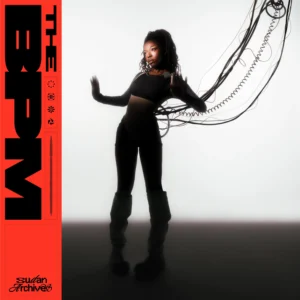
Sudan Archives, The BPM

The BPM album coverSudan Archives’ lavish, ambitious world keeps expanding on THE BPM, but not at the expense of vulnerability – quite the opposite. Broadly speaking, the virtuoso’s third LP is as inventive as her 2022 breakout Natural Brown Prom Queen, but it also at times feels like a totally different album: wilder and more confounding its musical swings, more existential in its post-breakup candor. Sudan and her collaborators’ production is hypnotic and breathless with ideas without ever falling out of sync with the singer’s emotional overflow. “Sometimes I can get real low but I am high right now,” she sings on ‘Los Cinci’, prizing every point on the spectrum equally.


The Antlers, Blight

BlightThe Antlers’ new album, Blight, widens the scope of Peter Silberman’s songwriting by reckoning with environmental catastrophe, taking cues from a range of science fiction media. But it begins in a homey place: the unsparing intimacy of Silberman’s voice, admitting to the ways he’s contributing to the destruction by simply going about his day, the way you might be when you first press play on the record: having a meal, ordering it. If you have mourned with the psychological devastation of 2009’s Hospice or 2011’s Burst Apart, it is disarming and powerful to hear his soulful whisper carrying the same weight in this conceptual framework. Though when Blight spirals toward a series of ambiguous apocalyptic events, it once again feels not conceptual but psychological, the sound of ecological anxiety – corrosive, wordless, outstretched – turning what could be a familiarly delicate (by the Antlers’ standards) listen into an eerily fragile one. Read our inspirations interview with The Antlers. 


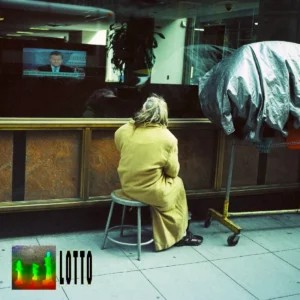
They Are Gutting a Body of Water, LOTTO

TAGABOW Lotto CoverAs the most pioneering band in modern shoegaze, TAGABOW could capitalize on a fantastical, watered-down version of a sound that’s only getting more popular, especially on their first LP for a bigger label in NYC’s ATO Records. They could shroud everything in glitchy layers of artifice and mutter poetic lyrics that mean nothing for the rest of their careers. Douglas Dulgarian’s way of avoiding that was making a record he’s deemed “too real” – confessional, euphoric, and achingly, nauseatingly beautiful. “I finally feel the comforting, familiar feeling of potential sleep rising up through the bile in my throat,” he says on the first song of a record filled with truths that are hard to stomach. But there’s hardly a feeling of finality to it – against all odds, it’s another fruitful beginning. Read the full review.