Home Blog Page 45

Angelo De Augustine Announces New Album ‘Angel in Plainclothes, Shares New Single

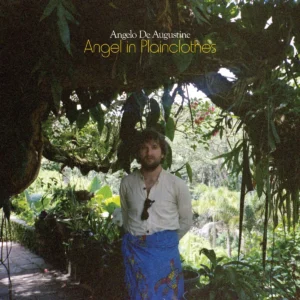
Angelo De Augustine has announced a new album: Angel in Plainclothes is set for release on April 24 via Asthmatic Kitty. The follow-up to 2023’s Toil and Trouble is led by the mesmerizing new single, ‘Mirror Mirror’, which finds him singing, “Tell me your mother in heaven won’t cry in vain/ The way you treat your life like it’s just a game/ Tumbling down like an endless waterfall.” Check it out and find the album cover and tracklist below.

“Usually when I make music, I’ll sit down with one instrument and write the song,” De Augustine explained in a press release. “In ‘Mirror Mirror,’ I didn’t stick to this principle and was messing around with the tape machine’s varispeed function- seeing what would happen if I slowed down what I’d recorded on the bowed psaltery, creating an unusual droning noise. The song came from experimenting with layering sound in a very free way and watching as the structure of a song revealed itself.”

In early 2022, after collapsing and being hospitalized with an undiagnosed illness, De Augustine went through an arduous journey of relearning how to walk, talk, see, hear, and play music. “When I made Toil and Trouble I was in a really bad state, having just been released from the hospital and only about halfway through the recording of the album,” the singer-songwriter said. “I had accepted that I was going to die and that I should do all I could to finish the record. I didn’t believe that I was going to survive the illness, let alone ever make music again.

“The experience unfortunately broke me and everything that I thought that I knew or could count on,” he continued. “With this new record, I’m trying to pick up the pieces of who I was and figure out who I am now. I am on a journey where I feel like I may have been given a second chance at life, and I’d like to live it.”

Revisit our Artist Spotlight interview with Angelo De Augustine.

Angel in Plainclothes Cover Artwork:

Angel in Plainclothes 

Angel in Plainclothes Tracklist:

1. Empty Shell
2. Pet Cemetery
3. Spirit of The Unknown
4. The Cure
5. Mirror Mirror
6. Cosmic Ride
7. The Universe Was Our Mother
8. With a Love So Kind
9. Pictures On My Wall
10. Goodbye Baby Blue

WU LYF Announce Fist Album in 15 Years, Share New Single

A little less than a year ago, WU LYF returned with their first single in 14 years, ‘A New Life Is Coming’. Today, they’ve formally announced their long-awaited second album: the follow-up to Go Tell Fire to the Mountain is called A Wave That Will Never Break, and it arrives on April 10. The urgently hopeful opener ‘Love Your Fate’ is out today. Check it out below.

“To love one’s fate is to look upon all this — without the fantasy of naïve optimism, nor with the cynicism of bitter despair — but with sober acceptance…” singer Ellery James Roberts shared in a statement. “Freedom is the choice that begins with surrender… So love your fate. Love this time, this ache, this burning world.”

Produced by Sonic Boom, the new album will be released directly through the band’s L Y F community rather than prioritising major streaming platforms. They explained:

With the help of you all we have written, recorded, and produced the long awaited second WU LYF record.

The vision for the L Y F has been with us since the start; way back in 2010 when we first sold the white on white bandana with the Heavy pop / Concrete Gold 12″ – We foresaw a community of like-minds that would gather around the flame of our music, and through whose direct support we could operate with freedom, autonomy & the truth; to play our own (infinite) game – alas we were young, foolish, and didn’t have the means or the infrastructure for the impulse to reach its full potential.

Now 15 years later here we are – the initial version of the L Y F membership platform has been an experimental proof of concept – we have learnt a lot from it over the past year and behind the scenes we have been building Version 2.0.

Nine Quotes To Revive Your Inner Artist

Are you finding yourself procrastinating on those 2026 creativity goals? You’re not alone research suggests that by mid-February, 80% of people have already let their New Year’s resolutions slip. Whether you promised yourself you’d visit more art exhibitions, sign up for a ceramics class or dust off a neglected sketchbook, consider this your nudge. Sometimes all it takes is the right words at the right moment. Here are nine to linger on.

1. “Whether you succeed or not is irrelevant, there is no such thing. Making your unknown known is the important thing.” Georgia O’Keeffe

2. “The object of art is not to reproduce reality, but to create a reality of the same intensity.” Alberto Giacometti

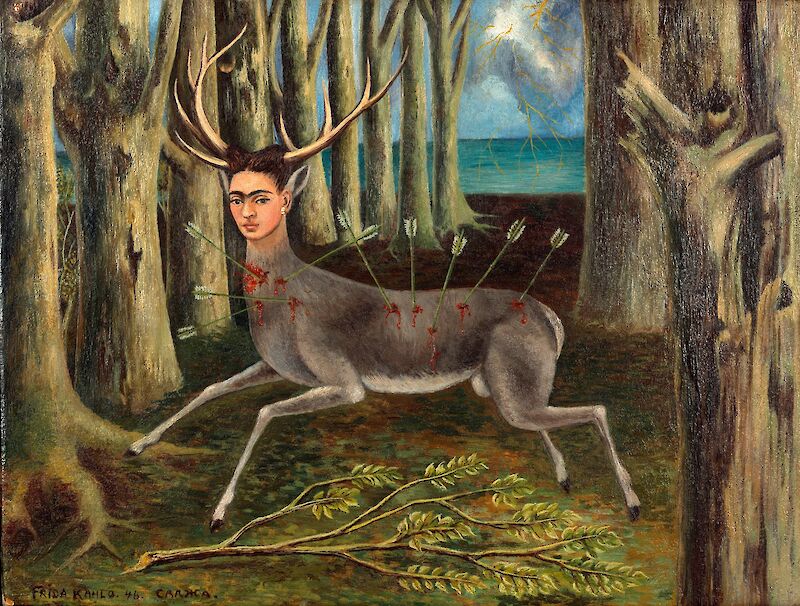
3. “I never paint dreams or nightmares. I paint my own reality.” Frida Kahlo

The Wounded Deer by Frida Kahlo, 1946. Photo source: WikiArt

4. “You can’t sit around and wait for somebody to say who you are. You need to write it and paint it and do it.” Faith Ringgold

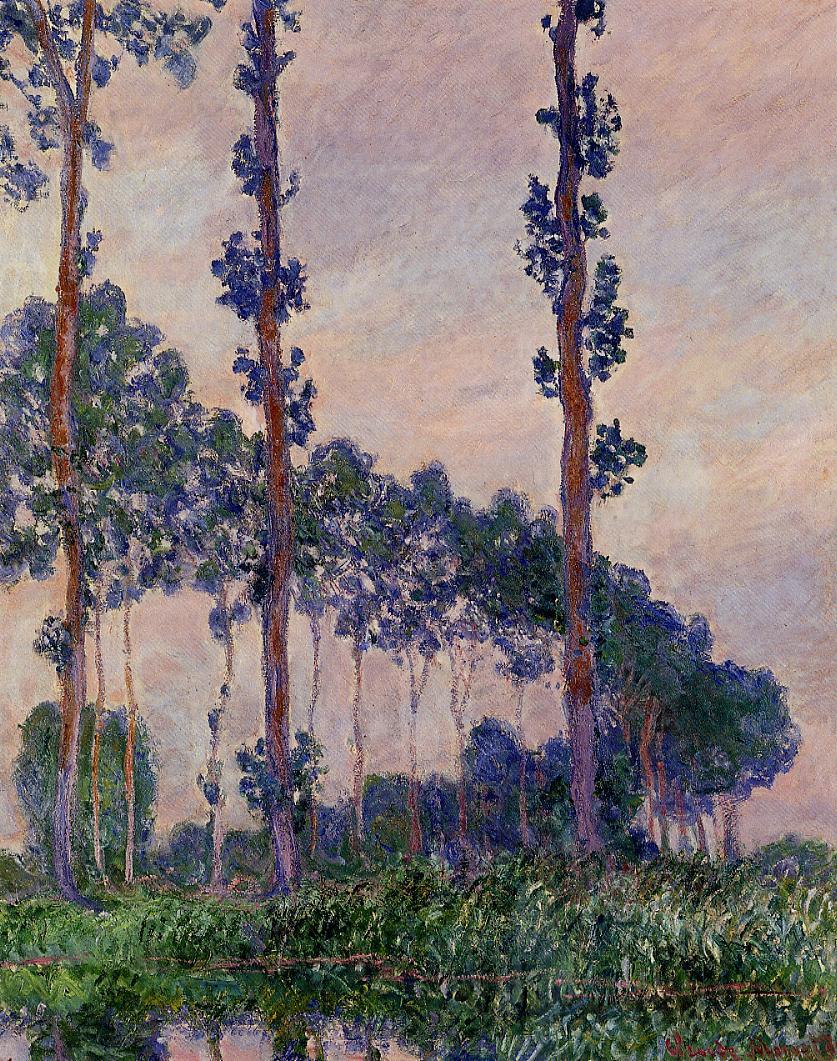
5. “Colour is my day-long obsession, joy and torment.” Claude Monet

Three Trees in Grey Weather by Claude Monet, 1891. Photo source: Wikimedia Commons

6. “No great artist ever sees things as they really are. If he did, he would cease to be an artist.” Oscar Wilde

7. “There’s no diploma in the world that declares you as an artist–it’s not like becoming a doctor. You can declare yourself an artist and then figure out how to be an artist.” Kara Walker

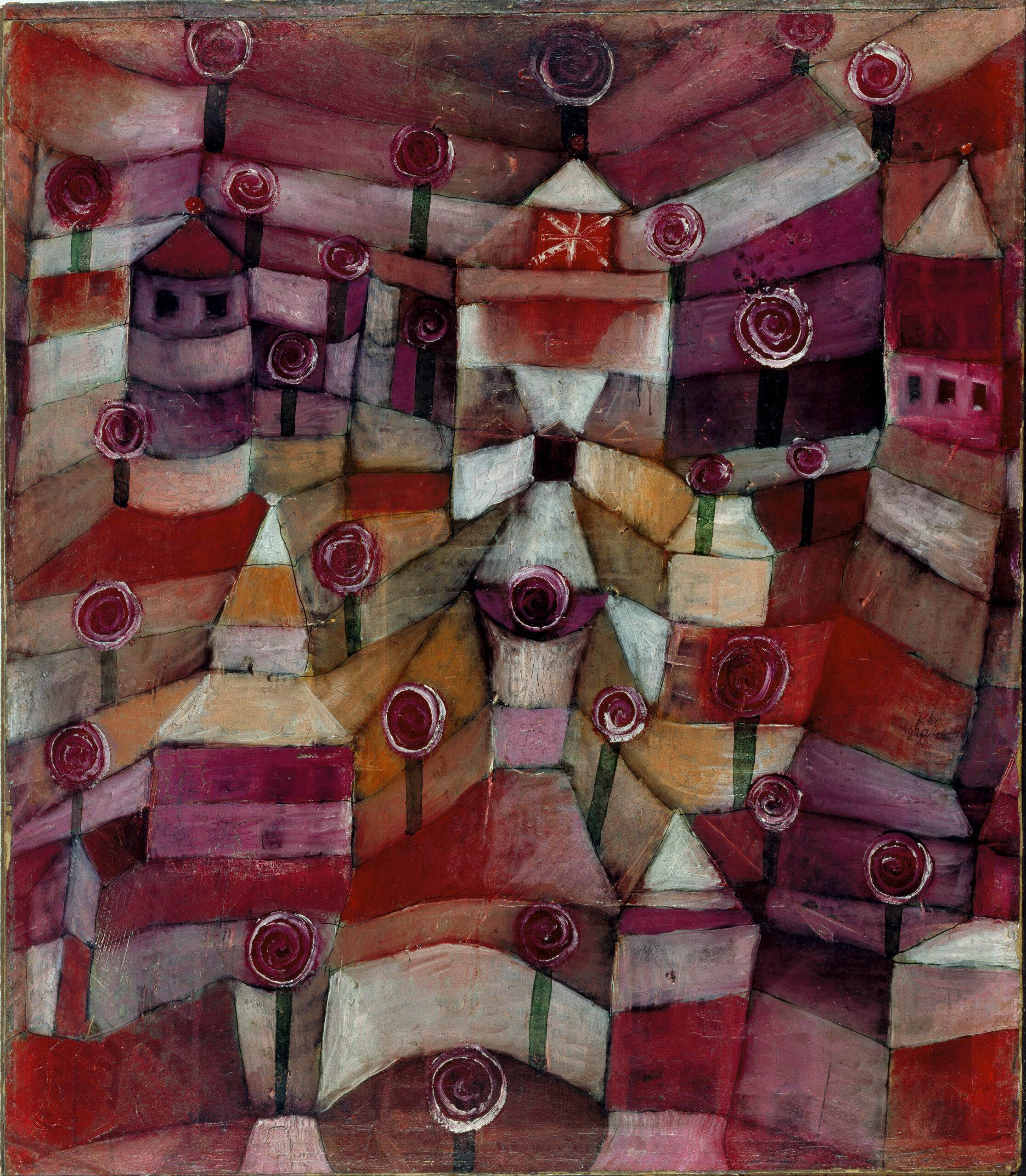
8. “The beautiful, which is perhaps inseparable from art, is not after all tied to the subject, but to the pictorial representation. In this way and in no other does art overcome the ugly without avoiding it.” Paul Klee

Rose Garden by Paul Klee, 1920. Photo source: Wikimedia Commons

9. “We all have the same experience and the same concern, but the artist must know exactly what the experience is. He must pursue the truth relentlessly.” Agnes Martin

Horizon Hunters Gathering: How to Sign Up for the February Beta Test on PlayStation and PC

0

Guerrilla Games is expanding the fan-favourite Horizon series to multiplayer co-op with Horizon Hunters Gathering, and if you want to jump into the beta and see it for yourself, now’s your chance. This upcoming multiplayer adventure will let you team up with up to two friends “as humanity’s last line of defense and rally for the hunt as you face off against a deadly machine threat in action-packed combat and high-stake missions.”

During the beta, you will be able to choose from a roster of three Hunters, each with unique skills and weapons, and try out two game modes. You’ll also get a first look at the game’s social hub called The Gathering, where you can customize characters, upgrade gear, and plan your next hunt. Here’s how to sign up for the Horizon Hunters Gathering beta test on PlayStation or PC.

Horizon Hunters Gathering: How to Sign Up for the February Beta Test on PlayStation and PC

Horizon Hunters Gathering features replayable co-op “hunts,” where squads of up to three players take on towering, animal-like machines as different Hunters wielding unique weapons and abilities. The upcoming beta will offer an early slice of that experience, letting players check out two of the game’s modes, including Machine Incursion, a high-intensity mode revolving around waves of machines culminating in a boss encounter, and Cauldron Descent, a longer multi-stage challenge set within shifting, combat-heavy arenas.

To sign up for the Horizon Hunters Gathering beta test on PlayStation or PC, you’ll need to join the PlayStation Beta Program and complete a few quick steps to register. The Horizon Hunters Gathering beta will run from February 27 to March 1, 2026, with play sessions from 7 PM to 10 PM CET in Europe and 4 PM to 7 PM PST in North America. Here’s how you can sign up for the Horizon Hunters Gathering beta playtest on PlayStation or PC:

  1. Visit the PlayStation Beta Program and log in or create a new account.
  2. Read and accept the Terms and Conditions.
  3. Then, simply answer a few questions, including your favorite game genres and modes.
  4. Select the platform you want beta access on, either PlayStation or PC.
  5. You will also need to fill in a few basic demographic information, such as your age.
  6. Hit Continue to complete registration for the Beta Program.

Signing up for the Beta Program doesn’t guarantee access to the play test. Players will be picked at random, and only those selected will receive an email with details to join the beta.

The beta will include three Hunters (Axle, Rem, and Sun), two game modes (Machine Incursion and Cauldron Descent), one region to explore, and the social hub called The Gathering. Horizon Hunters Gathering beta playtest will be available in the United States, Canada, and a bunch of European countries, including Austria, Belgium, Bulgaria, Switzerland, Cyprus, Czech Republic, Germany, Denmark, Spain, Finland, France, Great Britain, Greece, Croatia, Hungary, Ireland, Iceland, Italy, Luxembourg, Malta, Netherlands, Norway, Poland, Portugal, Romania, Sweden, Slovenia, Slovakia, Turkey, and Ukraine.

As of now, Horizon Hunters Gathering doesn’t have a confirmed release date, and preorders haven’t opened. Sony also hasn’t confirmed whether the game will be free-to-play or paid, but it will support cross-play and cross-progression between PlayStation and PC. An active PlayStation Plus membership will be required to join the beta and play the full game.

For more gaming news and guides, be sure to check out our gaming page!

Four Horse Paintings for the Year of the Fire Horse

Following the Year of the Wood Snake, the world welcomed the Year of the Fire Horse on February 17, 2026, a rare combination that only rolls around once every 60 years. In Chinese tradition, the horse symbolises freedom, grace, endurance, vitality and success. Paired with fire, those qualities are said to intensify. There’s even a Chinese idiom that goes: when the horse arrives, success arrives.

What better time, then, to look at horses in art. The horse appeared in prehistoric cave paintings such as those in Lascaux, estimated to be about 17,000 years old, and has barely left the canvas since. When depicting horses, artists are faced with one of the great technical challenges in painting: their anatomy is complex, with powerful muscle groups and bone structures that shift with every movement. Some painters, like George Stubbs, took the challenge so seriously that he hung a succession of horse carcasses from the ceiling of a barn and, over the course of eighteen months, peeled off layer after layer of equine tissue to understand the underlying anatomy.

As we embrace this new era of the Fire Horse, here are four exceptional horse paintings to return to:

Edgar Degas — The Parade (Racehorses in front of the Stands), c. 1866–68

This marks one of Degas’s earliest racecourse paintings, where he is already doing something unexpected with the subject. He was more interested in the silhouettes of riders and their mounts than in the race itself, and deliberately left out the details that would allow identification of the place or the owners, for instance, the colours of shirts. The composition pulls the eye toward a single, restless horse at the far end, the only figure that hints at what is about to happen.


View this post on Instagram


A post shared by Festina Lente (@festinalentesemper)

George Stubbs — Whistlejacket, c. 1762

Whistlejacket was an Arabian chestnut stallion with a track record of success in racing. Stubbs was commissioned by the horse’s owner, Charles Watson Wentworth, the 2nd Marquess of Rockingham, to paint a life-size portrait once the horse had retired from racing. What makes it extraordinary is the absence of everything else, including rider and props. It was revolutionary as a piece which focuses solely on the horse, challenging the hierarchy of painting.

Rosa Bonheur  The Horse Fair, 1853

The painting crackles with danger, showcasing handlers attempting to corral enormous draft horses while straining against their bonds or rearing to buck their riders. At over two and a half metres high and nearly five metres wide, the scale was part of what made it such a sensation at the Paris Salon of 1853.

Edvard Munch — Galloping Horse, 1910–12

Here, Munch composes a feeling of confinement and anxiety through a narrow passage filled with people and an oncoming horse and rider, with the horse’s bulging eye conveying a claustrophobic terror as the five figures look on helplessly. The horse fills the canvas and seems to be bearing down on the viewer. 


View this post on Instagram


A post shared by Jane McKenzie (@jane.mc.kenzie)

Jack McCollough and Lazaro Hernandez’s First Campaign Is Very Loewe

0

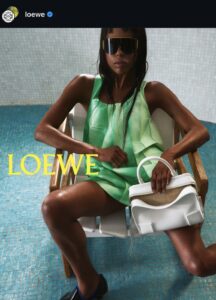
In a season where “debut” stopped meaning anything, Jack McCollough and Lazaro Hernandez’s Loewe show actually gave the word some weight. Months later, the SS26 campaigns are revisiting those first outings with more intent. Who knew post-Anderson could look this good.

Come March 6, the house’s next chapter premieres in Paris. Until then, we’re stuck inspecting the creative duo’s debut campaign, staring at last October’s garments like they’ve suddenly changed. Which, under different lenses, almost convince you they belong to a new collection. Thankfully, the duo cherry-picked photographer Talia Chetrit, whose eye makes this second read feel purposeful rather than just another round of runway déjà vu.

Loewe SS26 campaign
@loewe via Instagram

The campaign’s faces share one obvious trait. Screens. Forget models, this story fell hard for actors instead. Freshly revealed house ambassador Isla Johnston, about to headline Baz Luhrmann’s ‘Joan of Arc’ cinematic fever dream, is joined by ambassador Chen Duling and Brit Beau Gadsdon. Sprinkle in ‘I Love LA’s’ favorite nepo-baby True Whitaker, plus Talia Ryder, the high-schooler front and centre in ‘The Sweet East.’ Together, it looks like an aspiring actor’s mood board, dressed in Spanish fabrics.

Loewe SS26 campaign
@loewe via Instagram

“We’re building a visual language that feels personal: confident, playful, sun-drenched, optimistic. It articulates an energy we recognise as intrinsic to Loewe — joy, sensuality, and a modernity that feels instinctive rather than imposed,” McCollough and Hernandez share.

All those industry darlings in the room, yet texture gets the lead. Skin grain and leather finish rest together. Water sits like it’s thickened on purpose. Pumps bounce on top of green Jell-O. Fruit hides under nets. The Amazona 180 bag is almost asking to be held, making it harder to decide what tickles your senses more. Everything looks staged to remind you that in this campaign, touch is king. It’s not admiration you feel, it’s the urge to reach out. Way to go, Loewe.

What Is Slingo and How Do You Play? Try Slingo Online Free and Similar Games

0

What Is Slingo?

If you’ve looked around online casino lobbies, you might have noticed Slingo listed alongside slots and table games. But what exactly is Slingo?

Slingo is a hybrid game that blends elements of slots and bingo into a single format. Instead of spinning reels alone or marking numbers on a card, you do both at the same time. The name itself comes from combining “slots” and “bingo,” which neatly sums up how it plays.

Slingo was created in the mid-1990s and became popular for its unique gameplay. It was easy for both bingo and slot players to pick up, but still unique. Over time, developers added themes, bonus features, and new versions, making Slingo its own genre.

Today, you can find Slingo games in online casinos, mobile apps, and even some physical gaming machines. Many players prefer exploring Slingo titles through a trusted online casino platform that offers secure gameplay, fair outcomes, and a wide variety of game options. Millions of players around the world enjoy its quick pace and interactive style.

How Do You Play Slingo?

Learning how to play Slingo is easy. The rules are simple, but the game stays interesting because each round mixes luck with a few small choices.

Most Slingo games begin with a grid of numbers, similar to a bingo card. Below the grid is a row of reels. When you spin, the reels show random numbers or symbols. If a number matches one on your grid, it gets marked off automatically.

The goal is to complete lines, called Slingos, across the board. Lines can go across, up and down, or diagonally. Each line you finish gives you a payout or a higher score, and making more lines often leads to bigger rewards.

You usually get a set number of spins each round, which adds excitement as you watch the board fill up. If you create the whole grid before running out of spins, you win the top prize or get a bonus round.

Special Symbols That Change the Game

Slingo stays interesting because of its special symbols. While numbers are the main part of the game, these icons can change your strategy.

Common symbols include:

  • Jokers – These act as wilds and let you mark any number in a column.
  • Super Jokers – Even more powerful, allowing you to mark any number on the board.
  • Extra Spins – Extend your round and give you another shot at finishing lines.
  • Blockers or Penalties – Some versions include obstacles that temporarily prevent matches.

Choosing when and where to use wild symbols can be the difference between a small win and filling the whole card.

Slingo Online Free: Why Demo Play Matters

A simple way to try it out before using real money is to play it online. Most licensed sites have demo modes that work just like the real game but use virtual credits instead of cash.

Free play is great for beginners because it lets you:

  • Learn the interface without pressure
  • Test different Slingo variations
  • Understand bonus features
  • Compare gameplay styles

Even experienced players often try a new Slingo game in demo mode first. Since each version can change the rules, payouts, or bonus features, a quick test run helps you get used to it before playing for real money.

Why Slingo Became So Popular

Slingo’s popularity isn’t just by chance. It comes from smart game design.

First, Slingo attracts more people than most casino games. Slot fans like the spinning reels, and bingo players just love filling the grid. This mix brings in both groups.

Second, Slingo rounds are fast. Unlike regular bingo, which can take a while, Slingo gives results in just a few minutes. This speed makes it great for mobile play or short gaming sessions.

Third, developers keep making new themed versions. Some involve adventure themes, others look like classic casino games, and many add bonus rounds or mini-games.

Games Like Slingo Worth Trying

If you like how Slingo plays, there are many other games with a similar style.

Some games mix reels with grids, while others use number-matching with bonus symbols. Video bingo is another choice. It’s more like bingo but still has fast play and fun visuals.

You can also find social casino games that use Slingo-style features, like multiplayer boards or power-ups. These games might not use regular casino payouts, but they still offer the same mix of excitement and strategy.

Trying similar games can be fun because each one highlights something different. Some focus on bonuses, while others are about building lines or moving through levels.

Practical Tips for New Slingo Players

Slingo is mostly a game of luck, but a few good habits can help improve your outcomes.

Start simple. Choose a basic version so you can learn the mechanics without distractions.

Watch your grid. Prioritize numbers that help complete lines rather than marking randomly.

Use wild symbols wisely. Saving a Joker for the right moment can finish multiple lines at once.

Check payouts. Not all Slingo games reward lines equally, so reviewing the paytable can help you pick better options.

These small tips won’t change the luck of the reels, but they can help you make better choices while playing.

Skill vs Luck: What Really Matters?

People often wonder if Slingo is a game of skill. The truth is, it’s a mix of both luck and skill.

The numbers that appear on reels are random, which means luck plays the biggest role. However, your choices—like where to place wild symbols or whether to activate extra spins—can influence outcomes. That combination gives Slingo a more interactive feel than traditional slots, where you simply press spin and wait.

The Future of Slingo-Style Games

Hybrid casino games are becoming more popular, and Slingo was one of the first. Developers keep trying new ideas, like adding progressive jackpots, interactive bonus rounds, and social features.

As online casinos compete for players, games that mix different styles are likely to keep growing. Slingo has lasted a long time, so it’s probably here to stay.

Ready to Try Slingo?

Now that you know what Slingo is, how to play, and where to find free online versions, the next step is to try it yourself. Whether you’re just curious or already like hybrid casino games, Slingo is a fun change from regular slots or bingo.

For a trusted place to explore Slingo and other games like Slingo, check out Dimebit. With a wide selection of casino titles and sportsbook options, Dimebit makes it easy to jump into the action. Create your account today and see why so many players are discovering Slingo as their new favorite game.

FamilyPro: A Smarter Way to Enjoy Premium Digital Services Without Overpaying

In a world where digital subscriptions have become part of everyday life, monthly fees can quietly pile up. Tools for learning, entertainment, and productivity, such as ChatGPT, Netflix, Spotify, and Duolingo, offer powerful features, but their official prices are often out of reach for students, young users, and people in many non-Western countries. FamilyPro was created to solve this problem by making premium online services accessible at a fraction of the original cost.

FamilyPro is a platform that allows users to enjoy full online services through shared and family-plan accounts. By using group-buy models, users can access the same premium experience as official subscriptions while paying only 20–30% of the regular price. This approach makes high-quality digital tools affordable without sacrificing functionality or reliability.

What Makes FamilyPro Different

Unlike traditional subscription models, where each person pays the full monthly fee, FamilyPro focuses on cost sharing. Users can join shared plans such as ChatGPT group buys, Netflix family plans, Spotify group buys, or Duolingo family plans. These shared accounts are designed to deliver the same experience as individual subscriptions, but at a much lower cost.

FamilyPro also removes the pressure of long-term commitments. Most services are offered as one-time purchases rather than automatic renewals, giving users flexibility and control over their spending. This is especially valuable for people who want predictable costs and freedom to switch services when needed.

Premium Services at Lower Prices

FamilyPro covers a wide range of popular platforms across learning, entertainment, and creativity. Users can save significantly on:

  • Shared ChatGPT Plus for AI-powered productivity and learning
  • Netflix family plans for movies and series
  • Spotify group buys for uninterrupted music streaming
  • Duolingo family plans for language learning

Instead of managing multiple expensive subscriptions, FamilyPro offers a single place where users can access premium features affordably and conveniently.

Understanding Global Pricing Differences

Subscription prices vary widely from country to country, and understanding these differences can unlock major savings. FamilyPro helps users stay informed by providing detailed regional pricing comparisons.

For example, music streaming costs differ significantly depending on location. With spotify price in different countries, users can compare Spotify Premium pricing across regions, identify cheaper options, and stay updated on global subscription trends. This insight is useful for students, travelers, and anyone trying to reduce monthly expenses without giving up premium features.

Comparing ChatGPT Prices Worldwide

AI tools like ChatGPT are becoming essential for studying, writing, research, and everyday productivity. However, ChatGPT pricing is not the same worldwide. FamilyPro offers a clear overview through chatgpt price in different countries, helping users understand where prices are lower and how they can save.

Combined with FamilyPro’s shared account model, this pricing transparency makes premium AI access far more affordable for users who might otherwise find official subscriptions too expensive.

More Than Subscriptions: Free AI Tools

On top of shared premium services, there are a large number of free tools of AI provided by FamilyPro, and they do not need any registration or any watermark. These tools enlarge the platform value and facilitate constructiveness, productiveness, and daily activities.

The features that can be accessed by the users include:

AI clothing swapping and outfit generators to test the fashion ideas.

DeepSeek R1 is a free intelligent chatbot based on AI and used to have a quick and intelligent conversation.

Image upscale and unblur features become perfect to enhance photo quality in a few seconds by using AI.

Nano banana image editing AI to produce creative images.

AI portrait character generators.

Audio text and PDF-to-text converters to process contents efficiently.

Simple and creative graphic design editors.

The use of these free tools makes FamilyPro not only a cost-saving platform, but a useful digital toolkit that can be used in day-to-day life.

Key Features That Matter

FamilyPro stands out because of several core features designed with users in mind:

Full experience at a lower price
Users enjoy the same premium features as official subscriptions, without limitations.

Multiple account types
From shared ChatGPT accounts to Netflix, Spotify, and Duolingo family plans, there are options for different needs.

No auto-renewal pressure
One-time purchases give users flexibility and control over their subscriptions.

Stable and reliable access
FamilyPro focuses on long-term usability with minimal downtime.

Responsive customer support
Fast issue resolution and refund guarantees help build trust and confidence.

Wide product range
Learning, entertainment, AI tools, and productivity services are all covered in one place.

Who FamilyPro Is For

FamilyPro is designed for a broad audience, including:

  • Students and young users with limited budgets
  • Users in non-Western countries seeking affordable premium services
  • Anyone who wants to save money while enjoying high-quality digital experiences

Whether someone is studying with AI tools, learning a new language, streaming music, or watching movies, FamilyPro offers a cost-effective alternative to paying full subscription prices.

A Practical Solution for Subscription Fatigue

As digital subscriptions continue to grow in number and cost, many users are looking for smarter ways to manage expenses. FamilyPro meets this need by combining shared account models, transparent global pricing insights, and free AI tools in one platform.

By helping users understand options like Spotify prices in different countries and ChatGPT prices in different countries, FamilyPro empowers people to make informed decisions and enjoy premium services without financial stress. It’s a practical, flexible, and affordable way to experience the digital tools that have become essential in modern life.

Refont AI: Redefining Creative Typography with AI Font Generation

Typography has always played a central role in visual culture. From classic calligraphy to modern digital lettering, fonts shape how messages are perceived, remembered, and emotionally felt. As creative demands grow and timelines become shorter, designers and content creators need faster and more flexible ways to produce distinctive typography. Refont AI, an advanced AI font generator, answers this need by making high-quality, personalized font creation accessible to everyone.

Refont AI is designed to help users create stunning fonts instantly, ranging from elegant calligraphy and expressive signature fonts to playful and fancy lettering. By combining artificial intelligence with intuitive design workflows, Refont transforms plain text into visually engaging typography that adds personality, creativity, and uniqueness to any project.

What Is Refont AI?

Refont AI is a powerful AI font generator that allows users to design custom fonts online without complex software or advanced design skills. Instead of spending hours manually drawing letterforms or purchasing expensive commercial fonts, users can generate unique font styles in just a few clicks.

The platform supports a wide range of font aesthetics, including calligraphy, handwriting replicas, signature-style fonts, and decorative lettering. This flexibility makes Refont suitable for both professional designers and everyday creators who want to elevate the visual impact of their text.

By using AI to automate and enhance the font creation process, Refont AI shortens the design cycle and allows ideas to come to life quickly, without sacrificing quality or creativity.

AI Font Generation Made Simple

One of Refont’s strongest advantages is its simplicity. The platform is built with a user-friendly interface that allows anyone to generate fonts easily, even without prior design experience. Users can experiment with different styles, adjust details, and explore creative possibilities without technical barriers.

As an AI font solution, Refont empowers users to turn concepts into expressive typography in minutes. This is especially valuable in fast-paced creative environments where speed and originality are equally important.

The AI-driven approach ensures consistency across characters while preserving the organic feel of handwritten or calligraphic styles. The result is typography that looks intentional, polished, and visually compelling.

AI Calligraphy for Expressive Design

Calligraphy has long been associated with elegance, emotion, and artistic expression, but traditional calligraphy requires years of practice. Refont AI makes this art form accessible through its dedicated AI calligraphy capabilities.

With AI calligraphy, users can create beautiful calligraphic fonts instantly, without pen-and-paper skills. These fonts are ideal for wedding invitations, branding materials, social media posts, logos, and artistic projects that require a refined, human touch.

By blending classic calligraphic aesthetics with modern AI technology, Refont AI bridges the gap between tradition and innovation, allowing users to create expressive typography that feels both timeless and contemporary.

Designed for a Wide Range of Creators

Refont AI is built to serve diverse creative needs across multiple industries and user groups.

Graphic and UI Designers
Designers often need unique fonts to differentiate projects and enhance visual identity. Refont AI helps designers quickly generate custom fonts, boosting efficiency while expanding creative possibilities. Instead of relying on overused typefaces, designers can create typography that feels fresh and original.

Brand Marketing Teams
Fonts are a critical part of brand identity. Refont AI allows marketing teams to create custom fonts that align with brand tone and personality. This strengthens recognition and ensures consistency across campaigns, websites, and promotional materials.

Content Creators and Influencers
For bloggers, video creators, and social media influencers, standing out visually is essential. Personalized fonts help content feel more authentic and memorable. Refont AI enables creators to add a distinctive typographic style to thumbnails, captions, and graphics with minimal effort.

Small and Medium Businesses
Custom fonts are often seen as expensive and time-consuming. Refont AI offers a cost-effective solution for small and medium businesses that want professional-quality typography without the high costs of traditional font design. This helps businesses enhance their brand image while staying within budget.

Key Benefits That Set Refont AI Apart

Refont AI stands out in the growing design tool landscape due to several key selling points.

Creative Efficiency
AI-powered font generation dramatically shortens the design process. What once took days or weeks can now be achieved in minutes, allowing creators to focus more on ideas and storytelling.

Cost-Effective Font Solutions
Refont provides access to commercial-quality fonts at a fraction of the cost of traditional custom font design. This makes professional typography accessible to a broader audience.

Flexible Customization
The platform supports deep personalization, enabling users to tailor fonts to specific styles, moods, or branding requirements. This flexibility ensures that each font feels unique and purposeful.

User-Friendly Experience
With an intuitive interface, Refont AI removes technical barriers. Users can explore font creation confidently, regardless of their design background.

Adding Personality to Digital Culture

In a digital landscape saturated with content, typography plays a crucial role in capturing attention and conveying emotion. Refont AI helps creators move beyond generic fonts by offering tools that add personality and originality to text.

Whether it’s a handwritten-style font for a personal brand, elegant calligraphy for creative projects, or decorative lettering for social media visuals, Refont AI supports expressive communication through typography.

By making advanced font creation accessible and efficient, Refont AI contributes to a more diverse and creative visual culture—one where unique voices are reflected not only in words, but in how those words look.

The Future of Font Creation

As AI continues to reshape creative workflows, tools like Refont AI represent the future of design accessibility. They remove traditional barriers, reduce costs, and empower more people to participate in creative expression.

Refont AI is more than just a font generator—it’s a creative partner that helps users transform ideas into visual identity. By combining speed, flexibility, and artistic quality, it offers a smarter way to design typography in a digital-first world.

For designers, brands, and creators seeking expressive, customizable, and cost-effective font solutions, Refont AI delivers a powerful and modern approach to typography.

Interview: Jeffrey Angles (Translating The Luminous Fairies and Mothra)

0

In the fall of 2023, Japanese monster movie fans in the Occident received a literary blessing in the form of Godzilla and Godzilla Raids Again, a two-novella volume by Shigeru Kayama, the prolific science fiction author hired by the film company Toho to write foundational stories for its first two Godzilla movies. While these books had existed in Japanese print since 1955, they’d been unavailable (or at least unreadable) to the majority of western fans for decades. That changed thanks to University of Minnesota Press, translator Jeffrey Angles, and the publication of both texts in English.

And in early 2026, the same publisher-translator team delivered a much-anticipated follow-up: an English printing of the multi-author novella The Luminous Fairies and Mothra. For years, we’ve heard about this piece of collaborative fiction, which Toho likewise commissioned to serve as the basis for a film: Ishiro Honda’s Mothra (1961). But until recently, we couldn’t examine it without fluency in Japanese. Our Culture Magazine spoke to Jeffrey Angles about Kayama’s Godzilla novellas three years ago and recently reconvened with the translator to learn more about this latest release.

Galvan: Good to speak to you again, Jeffrey. In our previous interview in 2023, we closed with mention that kaiju fans had been contacting University of Minnesota Press about the possibility of translating The Luminous Fairies and Mothra. But at what point did this novella enter your life? Did you first read it as a result of the fans’ interest, or were you already familiar with the story and its film adaptation?

Angles: First of all, Patrick, thanks for sitting down with me. I had lots of fun last time, so I’m happy to be talking with you again!

Yes, you’re right. Almost as soon as University of Minnesota Press (UMP) announced my translations of Godzilla and Godzilla Raids Again in 2023, fans contacted the press, suggesting UMP consider doing The Luminous Fairies and Mothra. After hearing this a couple of times, my editor asked if that was something I’d like to work on. I’ll be honest and say I hadn’t read the novella at that point. But since I knew the work of the authors behind it, I immediately said I’d be interested. So, I came to this project thanks to fans who suggested it to the press. I am grateful to all of you, whoever you are! And yes, I hope that you’re reading this! (Laugh)

The Japanese original of The Luminous Fairies and Mothra has been reprinted multiple times over the years, but most of the volumes and anthologies containing it are out of print—so it’s not an extremely readily available text, even in Japan. When I ordered a used copy of the deluxe 1994 edition published by Chikuma Shobō, it was pretty darn expensive.

Galvan: Did you have any expectations going into the novella? 

Angles: I knew there’d be many differences between the text and the film, which came out about seven months after, but I was surprised at just how extensive those differences were. I was also amazed to realize the novella is not just a fun monster story (of course, I knew that already); it contains an important social message about Japan’s geopolitical situation in the early Cold War period. Since I love to think about literature as a form of cultural history—I should note that I’m a nerdy professor of Japanese literature for my day job—I realized this book would provide a valuable window into a crucial, anxiety-filled moment of postwar Japanese history.

Galvan: You also mentioned in our previous interview that clearing the rights to this story would be “a little more complex than usual” due to it having been written by multiple authors. Do you remember how long it took to secure the rights for an English translation? 

Angles: Right, three authors wrote the book. All three were famous in the 1950s and ‘60s, but nowadays, they are, unfortunately, less widely read. Two of their estates responded immediately to our request, but the other—I’ll refrain from saying which—didn’t answer for ages. This happens sometimes…. As years go by following the death of an author, it’s often the children or grandchildren—sometimes even distant relatives with little relation to the author—who end up handling copyrights. Sometimes that person isn’t all that interested in books or simply doesn’t have the time to attend to all the emails and queries that trickle in over the years.

Actually, I was so excited to work on The Luminous Fairies and Mothra that I finished the entire translation while waiting for copyrights to clear. But as the copyright situation dragged on, I got nervous, worrying we might not get the third permission, leaving me unable to publish it. Thank goodness the wonderful agent I worked with in Japan managed to track down the correct person to make this all happen. I think it took over a year to finalize the rights, and part of that time I spent on pins and needles. Once the final permission came through, I started writing the long afterword, into which I poured my thoughts on the background of the authors, the novella, and the film. 

Galvan: As you mentioned, you previously translated Shigeru Kayama’s Godzilla and Godzilla Raids Again. I understand those texts had been converted into two other languages by the time you started working on an English translation. To your knowledge, were there translations of The Luminous Fairies and Mothra—in any language—before yours?

Angles: I don’t think there are any other translations of The Luminous Fairies and Mothra. In fact, there are very, very few translations of these three authors, period. By that, I mean their own, single-authored works. That’s pretty unfortunate since all three were amazing writers, each in their own way. 

Galvan: In your afterwords for both Godzilla and Godzilla Raids Again and The Luminous Fairies and Mothra, you provide deep explorations of the respective authors, their backgrounds and careers, and their aims in writing their monster stories. Let’s talk about the men behind Mothra.

Angles: All three authors—Shin’ichirō Nakamura, Takehiko Fukunaga, and Yoshie Hotta—were born in 1918 and were therefore part of a generation that spent their formative, early adulthood years in World War II. I should mention that Japan was embroiled in all-out conflict from the outbreak of war with China in 1937 to the unconditional surrender to the Allied Powers in 1945. The authors were all around nineteen when the war really got underway and around twenty-seven by the time it ended. Fortunately, none of them died in the war, but all three felt their youths were being wasted under the ideologically repressive regime of the time. So, they escaped (mentally) through literature, reading work from the West—at a time when much of Japan was looking away from Western models and turning toward the Asian continent.

Galvan: What kinds of Western literature interested them?

Angles: All three were specialists in French literature, and that was one thing that helped them bond as friends. Both Nakamura and Fukunaga majored in French Literature at Tokyo Imperial University (the forerunner of University of Tokyo, the most prestigious institution of higher learning in Japan), whereas Hotta studied French literature at Keiō, another elite Tokyo university. This exposure to outside ideas made them more worldly and broad-minded than many people at the time. One has to remember that Japanese imperial censorship and propaganda were working hard in the late 1930s and early ‘40s to shape the minds of their contemporaries.

Familiarity with French allowed these authors to step outside their moment in time and step around the extreme, rabid, Japan-first mentality that led their country to assume it had a moral obligation to lead Asia forward. I remember reading one of them felt a strange, secretive sense of freedom during the war since he spent so much time reading and thinking about books that were so unlike what most of Japan was consuming.

After the surrender, Nakamura, Fukunaga, and Hotta all became famous for works describing the ideological struggles of intellectuals and other people of conscience living through the war. In other words, they started their careers thinking through Japan’s recent disastrous experiences and seeking directions for the future.

Galvan: We now have some insight into how these authors were similar. How were they different?

Angles: Each author was somewhat different, and each had his own particular interests. For instance, Yoshie Hotta was the most internationally and politically inclined of the three. During World War II, he worked as a journalist in colonial Shanghai, where he developed fluency in Chinese and a strong sympathy with the oppressed working classes. In fact, Hotta continued to live, work, and report in China for a few years after the war. Later on, he became involved in the literary wing of the non-alignment movement, which started with the 1955 Bandung Conference in Indonesia. This movement urged writers to think politically and consider ways their countries could resist the hegemony of the Cold War superpowers—by forming their own lines of alliance with the newer, developing, decolonizing nations of Asia, the Pacific, Africa, and elsewhere. With this, Hotta’s work took on an increasingly political element, addressing the situations of people around the world.

Galvan: How familiar were you with the authors before you read The Luminous Fairies and Mothra? 

Angles: I was most familiar with the work of the second author, Takehiko Fukunaga. In graduate school, many years ago, I read his beautiful 1954 novel Kusa no hana, which has since been translated as Flowers in Grass by the amazing Royall Tyler. It describes a young man dying of tuberculosis and how he reflects upon art, life, and love, even though he knows his time is short. The main character is bisexual and experiences powerful feelings of love for both a young man and his sister. I’ll be honest: I was disappointed when Royall Tyler—one of the world’s most famous translators of Japanese literature—got to this novel first. I’d been secretly hoping to do it all along.

Galvan: The Luminous Fairies and Mothra was written in relay, and there are noticeable changes in writing styles from act to act. Was it difficult to capture the differences in their styles?

Angles: I should explain to the readers who haven’t read the book that even though The Luminous Fairies and Mothra is pretty short, it’s divided into three parts, each by one of the three authors. The things each author focuses on are quite different, and so are their writing styles. I did worry at first how uneven the novella was. For instance, in the first part, written by Nakamura, there is really detailed character development and exposition, all written in long, sophisticated sentences. However, in the third section by Hotta—in which Mothra attacks both Tokyo and the superpower nation of Rosilica—the writing is more of a “this-happened-then-that-happened” straightforward narrative style, done in pithy, short sentences.

There was a nagging part of me that wished the writing was more consistent across the board, but the more I thought about it, the more fun I realized this project would be. Since my goal was to show Toho fans what the novella was like, I decided to fully embrace The Luminous Fairies and Mothra in all its quirkiness. I realized I didn’t need to strive to make it feel uniform; that would just give a false impression of what was in the original text. I wanted to show the original in all its surprising weirdness, and that includes differences between the three parts.

Galvan: In an interview with Matt Burkett and Andres Perez of the YouTube channel Monstrosities: A Vlog of Tokusatsu, you made an interesting comment wherein you labeled The Luminous Fairies and Mothra a “writerly text.” Could you explain this term for readers who might not be familiar with it and talk about why you feel it applies to the novella under discussion? 

Angles: I was referring there to a phrase used by the critic Roland Barthes. I’m paraphrasing here, but he said certain books are “readerly texts” in that the authors give the reader everything they might want for an almost seamless reading experience: smooth transitions, clear exposition, logical lines of connection between the various parts of the story, etc. However, other texts use fragmentary storylines, unusual forms of narration, incomplete expositions, and sudden—perhaps even surprising—jumps in chronology and content. Barthes called these “writerly texts” because the reader needs to insert themselves into the world of the story—almost as if they are writers themselves—to form the lines of logical connection that bring the world into focus.

I mentioned this in the interview because, in a way, this novella was more “writerly” than I’d expected. I assumed it would be a very visually oriented, straightforward, story-centric text, sort of like the Kayama novellas Godzilla and Godzilla Raids Again. However, I found that one author would present an idea, only to have the others fail to pick it up and carry it through. The story jumps around in time and geography, and a fair amount of what the characters and the authors themselves are doing and thinking isn’t explicitly spelled out. In my opinion, all of this makes The Luminous Fairies and Mothra more interesting. It gives me and other fans lots to talk about!

Galvan: One of the joys of this book is the amount of research in your afterword, which allows us to look back on the story we’ve just read and better understand the authors, their intentions, and specific characters and plot threads in their novella. 

Angles: Oh, thank you for saying that, Patrick. You’ve made my day.

Galvan: Of course. Was that also your experience reading and researching for this translation?

Angles: As I was doing my translation, I kept a notebook with a series of questions that kept bothering me. Some of the questions had to do with fundamentals. “Why a gigantic moth for a kaiju, when a moth isn’t especially scary?” Some were much more specific, like “What does the kind of language that the writers use to talk about the Infant Islanders imply about their attitudes regarding Japan’s attitude toward less technologically advanced nations?”

Later, as I read through all the critical material I could find in Japanese and English, I realized relatively few of my questions had been addressed by other people. You know, so much has been written about Godzilla that I assumed nearly all the basic work on Mothra had been done. But that wasn’t the case at all! There was so much more to be said that I kept going down one rabbit hole after another, having tons of fun in the process. I got so excited by all this information that my afterword grew a bit out of control—nearly twice the length of the novella itself! Since publishing the book, I’ve continued to have revelations, so maybe I’ll have to publish another article or talk about those somewhere.

Galvan: I want to talk a bit about language and translation. In your afterword for The Luminous Fairies and Mothra, you describe how the original Japanese text contained words that aren’t considered PC by today’s standards. At one point, you discuss some research indicating the novella’s original printing contained a term that translates to “dirt people”—and that this term was replaced in a later Japanese edition. When translating, how do you make judgments with verbiage that might be considered insensitive to modern readers? 

Angles: That’s a really good question—one that has a lot to do with the ethics of translation. My opinion is that a translator should try to think about what the readers in the source language would take away from the text, then try to reproduce that same experience for readers in the target language. If a story is funny, the translation should be funny. If the writing style is quirky and odd, then the style of the translation should be quirky and odd, too. See what I mean?

Galvan: Hundred percent. 

Angles: One corollary of that way of thinking, however, is that a translator should not strive to get rid of problematic parts. If there’s a problem or something not very good in the writing, it’s okay—perhaps even desirable—for the translator to reproduce that. If the translator’s goal is to accurately show what’s there, we should refrain from smoothing over or softening parts we don’t personally like.

There is a natural, sometimes even subconscious tendency among translators to try to improve parts of a text that don’t appeal to us because, of course, a translation is a commercial product. We want readers to appreciate and buy the book, not reject it because it uses a bad word, employs quirky prose, or whatever. However, I feel translators should put the brakes on whenever they want to improve or augment the text. If a translator changes the text, then the translator is giving a false impression of what was there originally.

As you pointed out, in the case of The Luminous Fairies and Mothra, there was an instance in the original printing where one author used an unflattering word in reference to the indigenous population of Infant Island. This word, which was still in use at the time, was changed to a more neutral, non-offensive term in the 1994 reprint I mentioned earlier. I almost didn’t catch that until I read an article by a Japanese scholar that briefly mentions the one-word change. I decided to go with the less offensive language in the ‘94 edition and use the afterword to raise this question more explicitly.

I’d already started writing the afterword by the time I realized there’d been a change in the ‘94 edition. One of the subjects I raised is how Japanese characters in the book relate to and think of the oppressed population of Infant Island. This gave me the opportunity to talk about the nuances of particular words used for the islanders. That particular issue has a very important bearing on the theme and messages of the book.

Galvan: Oh, yeah. Definitely.

Angles: As I argue, apart from that one unflattering word, Nakamura, Fukunaga, and Hotta portray the Infant Islanders in an extremely positive light. They wanted the Japanese readership to recognize that even though the islanders were less technologically developed, they were a noble, kind, open-hearted people who had suffered at the hands of the world superpowers. Depicting them in a sympathetic light was important to the authors—Hotta, in particular—who believed that Japan ought to reach out and form positive, constructive alliances and trade agreements with newly decolonizing nations. Not uncritically side with the Cold War superpowers.

As an aside, I think it’s unfortunate that, in the 1961 film adaptation Mothra, the depiction of the Infant Islanders is so cringy, at least from a twenty-first-century perspective. The islanders, played by Japanese actors wearing brown make-up to make them appear dark-skinned, come across as simple, cartoonish, and even silly. I feel this somewhat undermines the authors’ serious intentions.

Galvan: This next question might seem a tad abstract, so please bear with me as I set this up. In our previous interview about Godzilla and Godzilla Raids Again, you talked at length about translating Japanese into English. You mentioned that translation is much more complicated than simply matching words—and that sometimes, as the translator, you have to exercise a degree of creativity. For instance, you talked about how Godzilla’s heroine spoke to male characters via 1950s speech that was loaded with honorifics. But since “some modern readers would find [this] almost ridiculously deferential and quaint,” you “had to think about how to capture her linguistic personality on the page” and finally “tried to make her speech a little more formal and refined than, say, some of the male characters.”

All of this to say: from my (inexpert) perspective, translation is, in its own right, an art form. Would you agree, and if not, how would you classify it?

Angles: You are right, Patrick, that there is an art to translation. We want to be as faithful to the original text as possible, but then again, if that begins to make the translation feel different—ridiculous, stilted, or odd—then we’re no longer reproducing the effect the text had in its original language. That’s why I try, as best I can, to keep in mind how the text might sound and feel to a native speaker. Getting to that requires finding a balance between the languages’ conflicting demands of grammar, structure, and pragmatics.

Honestly, it isn’t easy. There’s an art in trying to find that happy place where I’m producing something that, on one hand, works in English while capturing specific nuances that I see as essential to the text itself. There are times when I work and rework a particular passage over and over again, sometimes more than a dozen times, trying to find the right balance and tone. It’s like playing with the knobs on a stereo, trying to find just the right tuner settings to reproduce the beautiful, authentic, rich sound of the musicians in the studio. 

Galvan: A few more questions about The Luminous Fairies and Mothra. You begin your afterword with a quote from Hugh Lofting, author of the Doctor Dolittle series. As it turned out, Lofting might’ve had some influence on the Mothra story. Could you please talk about this and how you stumbled upon this possible linkage between a western literary series and a Japanese monster novella?

Angles: Of course! You know, when I was a kid, I think I only read one or two of the Doctor Dolittle books, so I didn’t realize that, late in the series, there are three that mention a gigantic butterfly. Around the time I committed to translating The Luminous Fairies and Mothra, I was talking to my partner when he said, “Since you’re doing Mothra, I want to go back and watch the Doctor Dolittle movie.” He was referring to the 1967 film starring Rex Harrison and directed by Richard Fleischer. I didn’t get the connection until we streamed the film together. I was astounded to realize that the final scene looks like it’s lifted right out of the last scenes of the 1961 Mothra. As I plunged into Lofting’s series, I realized that the final scene of the 1967 Doctor Dolittle had no clear, corresponding scene in the books. I realized that the screenwriters must’ve seen Mothra and borrowed from it. The similarities are so strong that they cannot be ignored.

But anyway, I’m getting ahead of myself. Once I saw the 1967 Doctor Dolittle, I rushed to the internet and immediately downloaded all the original books. That’s when I learned there were three books featuring a butterfly “as big as a house.” In Doctor Dolittle in the Moon, originally published in 1928, this butterfly plays an especially big role, carrying the doctor to the moon for an adventure of exploration.

Doctor Dolittle in the Moon has so many thematic similarities to what I found in The Luminous Fairies and Mothra that my jaw dropped. There’s a linguist interested in communicating with everyone he encounters in his travels. There are vampire plants.  There are people of unusual sizes. There are creatures that communicate through something more akin to music than language. There are even passages that hint at the author’s hopes for the future of geopolitics. All this textual evidence made me think Nakamura, Fukunaga, and Hotta were borrowing motifs and ideas from Lofting, then rearranging them in their own special way as scaffolding for their own story.

Don’t misunderstand me; I’m not accusing them of plagiarism. The Luminous Fairies and Mothra is a totally different kind of book from Doctor Dolittle in the Moon. However, I do think that as the writers sat down and planned out their novella, they took lots of inspiration from Doctor Dolittle.

Galvan: How might they have encountered Lofting’s books? 

Angles: Because all three authors were fluent in French and could read English at a high level, it’s possible they encountered Lofting in the original English or in a French translation. However, when I looked into the history of Japanese Doctor Dolittle translations, I learned they were being translated through the 1950s by a super-prominent author named Masuji Ibuse, and he was releasing his translations through one of Japan’s foremost publishers. The books became popular among children. One of my Japanese author friends, who remembered these books from her childhood, described them as being as important to young Japanese readers of the time as the Harry Potter books were to American kids when they were first published.

By this point, I’d read just about every major piece of criticism on Mothra that I could find, but I hadn’t encountered any fans or scholars who’d explored the Dolittle connection beyond a casual mention. For that reason, I got really excited, realizing I’d stumbled upon something new, and so I wrote about it at great length in my afterword.

Galvan: What was your favorite part of working on The Luminous Fairies and Mothra? What was the most difficult part?

Angles: Discovering the Dolittle-Mothra connection was one of the most fun moments, but overall, this entire project was a delight from beginning to end. It’s rare to work on something for well over a year and never tire of it for even a moment!

The most difficult part was definitely all of the anxiety I felt when the rights came through for two of the authors and the third one dragged their feet. I’ve had many projects in the past that I started but couldn’t complete because of copyright or other issues, and I began to worry that copyrights might be the death of this one, too. Fortunately, everything worked out beautifully, and now we’ve got this gorgeous edition of the book, with its fantastically beautiful cover.

Galvan: In wrapping up this interview, let me say congratulations and thank you for your work translating foreign texts and educating us about the people behind them.  

Angles: Oh, my gosh. It’s my pleasure! This was super fun for me, and so I’m glad it was meaningful to you, too.

Galvan: As mentioned at the top, we ended our previous interview with mention that The Luminous Fairies and Mothra might be among your forthcoming translation projects. Having said that, it’d be remiss not to ask now: Is there another potential kaiju translation from you that we might be able to look forward to? 

Angles: Well, I don’t have anything nailed down concretely, but there are two projects I fantasize about. One would be an anthology of Japanese kaiju stories, which I’m sure would sell like hotcakes. I’d love to bring together translations of the stories that were the bases for Rodan and other Toho films, then combine these with a selection from the hundreds of other kaiju stories by various authors—some super famous, some practically unknown.

I should point out that there are lots and lots of kaiju stories out there in Japanese. The overwhelming majority were never linked to any movie projects, so those texts are completely unknown to American audiences. Also, there was an entirely new wave of kaiju stories written after the 2011 disasters in northeastern Japan. Stories about unstoppable kaiju seemed like a particularly good way to reflect upon the renewed terror of radiation that swept the country following the Fukushima nuclear meltdown.

That brings me to the other project I fantasize about: a spectacularly wonderful full-length novel written by the bestselling author Miyuki Miyabe. She serialized Kōjin (The Rampaging God) in a newspaper from 2013 to 2014 (not long after the 2011 disasters), then put out the novel in book form shortly afterward. It’s about the sudden appearance of a kaiju, but Miyabe set this in northeastern Japan a couple of hundred years ago so that she could explore the complicated, disadvantaged history of the region. (The relative poverty of the northeast was one of the reasons that Fukushima was selected as a site for the nuclear reactor in the twentieth century.)

Like much of the literature I admire, The Rampaging God isn’t only an interesting story; it also has a lot to say about history and society. Miyabe is a genius, one of the most talented Japanese authors today. Some of her books have been translated into English before, even becoming bestsellers here. I am 100% certain that if I could find the right publisher interested in working on it with me, readers would absolutely love it!