Home Blog Page 736

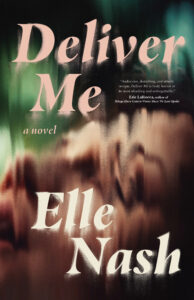
Author Spotlight: Elle Nash, “Deliver Me”

0

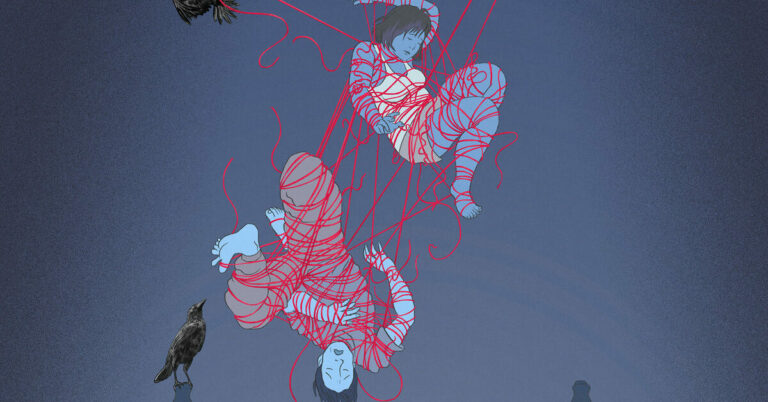
Some people would do just about anything for a child. One of them is Dee-Dee, the narrator of Elle Nash’s third novel, Deliver Me, who has been trying for years with her insect-obsessed partner Daddy. She’s finally pregnant again, and thinks it’s the one, before losing the child alongside the introduction of Sloane, a past friend and lover, back into Dee-Dee’s life. Determined, Dee-Dee won’t let go that easily, and feels the presence of her baby despite the ultrasounds and the doctors telling her otherwise. Combining body horror, toxic relationships, and a swell of past trauma, Deliver Me is a whirlwind of emotions perfect for any horror lover.

Our Culture talked with Elle Nash about how motherhood shapes fiction, delusion, untraditional literature, and more.

Congratulations on your third novel! How does it feel now that it’s out?

Thank you! It feels good, it feels weird. It doesn’t feel real yet, even though I’ve done a couple of events. I think it takes me a while to believe in things. Even if I’m walking around in a bookstore and I see my book, I’m like, ‘Oh, it’s there,’ but it’ll take me years. We’ll see! But it feels really good.

Does the process get easier each time, or does each book come with its own set of challenges?

I think each book feels different. Every time I sit down to start a new book, I feel like a beginner each time. It feels daunting. You sit down for a new project you haven’t started yet, like, ‘Oh my god, I have to write a new book.’ When I already have the book, and I’m editing, then that’s fun, but when you’re looking at a new project… Oh, man. But I feel like I learn about myself every time, and at this point, recognizing that I feel like a beginner every time, that’s a good sign.

Who are some of your literary icons that have helped shape your work so far?

I would say the biggest are Chuck Palahniuk, Francesca Lia Block, Tom Spanbauer, and Marya Hornbacher, when I was still in high school and in my early twenties. As I’ve grown, I feel like my influences have changed and transformed. I started reading Dennis Cooper during COVID, and he became really influential for me. My contemporaries feel very influential, like, Charlene Elsby is a writer I’m insanely inspired by every time I read her work. I feel like everything that I read influences me in some way. Whether it’s something I enjoy deeply or end up not enjoying, and I feel like when I’m reading I’m constantly thinking about the experience, the language, the people. I was reading Tove Ditlevsen, The Copenhagen Trilogy, and it’s hard to read it and not think of her as an artist or an author in real life. There are these words and the way she’s constructing them and there’s an art to it, and she’s also a person with her own experiences in the 1930s.

In Deliver Me, we meet Dee-Dee, a meatpacking worker that goes home to an apathetic boyfriend named Daddy with an insect obsession. Dee-Dee wants to be a mother so badly, and after a series of miscarriages, she is finally pregnant and feels like this is the one. What was the first jolt of inspiration for this book, and did it change throughout writing it?

The first jolt of inspiration was that I had read about this crime that occurred in my town in 2015, and I thought of it for a really long time. In 2018 when I sat down to write the novel, I did a little research on the crime as well, because I was very fascinated about it. The crime itself delved deeper into some people who had been involved in larger cases of it. Maybe the inspiration didn’t change, but I learned more about these peoples’ experiences, and my understanding of it deepend. I always knew at the outset what the ending would be, and how I wanted it to look like.

Something that gave me a whole new outlook on the book was that you wrote it while taking care of your first child. The book is so full of body horror and these meditations on pregnancy — was it this outlet to funnel all your feelings toward?

I don’t know, that’s a good question. In my personal experience, I loved being pregnant. I did feel super emotional all the time, but it was funny. I saw a trailer for A Dog’s Life and I’d cry. At a dog! It was so funny, because it was so cheesy. I would say when you have a baby, as a mom, as soon as you have it, the first couple of months, you think about death all the time. You have this new life that you’re suddenly responsible for. It’s different from babysitting, it’s a different kind of bond. There’s this 24/7 constant thought of, ‘What if the baby dies?’ It’s the kind of thing you worry about. It’s a survival mechanism. A new mom will be thinking of these survival tendencies. The consistent thought of death definitely surprised me. As [my child] has gotten older, it’s not as intense, or it’s in the background and I’ve gotten used to it. The learning curve, now, it’s like, ‘She’s six, so I know I’m doing a good job.’

I wanted to speak to you because I love delusion and this book is so full of it. After Dee-Dee loses her child, she shrugs off what the doctors tell her, says there’s a mistake, and she’s still pregnant. She doesn’t tell anyone, and goes as far as buying a fake baby bump and eating more so that she’ll look better. Was it fun to inhabit the mind of someone who is not quite living in reality?

I wondered how I was going to successfully represent how this person experiences things in that way. In some ways, it was fun to puzzle out how I’d be successful with it. My favorite thing about fiction, whether it’s my own or writing it with people, is that there’s a logic puzzle to things. You have all these elements and ideas, and you’re like, ‘How am I going to jam all this together?’ Being successfully able to get all the pieces to click into place is a satisfying thing, for sure.
One thing I did like is that Dee-Dee isn’t wholly confused — she does keep remembering she’s not pregnant, then snapping herself out of it, saying that it can’t be true if she doesn’t believe it. I loved this darker and more unhinged side of manifestation and visualization.

Yeah, one of the things I was thinking about was there’s a sense of depersonalization or dissociation that can happen with some mental illnesses. I was hoping that I could successfully demonstrate this sense of feeling grounded, sometimes you have those moments. Suddenly and without warning, you could slip up, and turn 90 degrees, and your entire perspective is different and you become swallowed up in it. That’s kind of the same with a lot of mental illness or with anyone who has struggled with instability, which everyone does. I try to think of it in that sense — everyone has a moment where they’re completely turned by whatever’s going on in that moment. With Dee-Dee, it happens to be this incessant desire because she feels like this is her pathway to her highest self.

The ‘Daddy’ character is also really interesting, with his love of insects and how it can imbue itself in the sex he and Dee-Dee have. How was it like writing this macho, arrogant figure?

A little cathartic and a little scary at times. Just thinking about how to present this character as a person. I try really hard to present characters in my novels without a sense of judgment on the page, because I want people to make decisions for themselves about how they feel. I’m never sure how something will be perceived. It’s always this thing where I’m hoping that I got the character right. I think, with him, I wanted to create this ballast for Dee-Dee, since he is her sense of stability, and he tries to be this supposed guiding light for her, towards logic, away from religion. At the same time, he is also proselytizing to her and preaching to her about these other concerns that live in the world of rigid masculinity, that some people feel that women have to live by in order to survive in the world. It’s like leaving one very thin hallway, entering into a wide foyer where she can choose where she wants to go, then choosing another thin hallway. That’s kind of how I felt about that. 

We also get a glimpse of Dee-Dee’s background with the church, and her mother, who remains in her life and advises her pregnancy. How do you think this sustained contact influences Dee-Dee?

For a lot of churchgoers who leave, the weird thing is that you’ll know the ideology is not for you. And maybe you’ll know you’re not a believer. But there’s still something painful about leaving that world behind. I did not grow up extremely fundamentalist, as depicted in the novel, but I have been a part of tight-knit and rigorous communities. You still think about it, because there’s oddly beautiful things you experience in religion on top of all the toxic things. It can be hard for people to let go because when you cut the cord, you have to let go of the beautiful and negative things so you can grow healthy as a person. So it affects her in those ways. 

Especially people who do grow up in it, your early language and early mental structures do become formed by these ways of thinking. The most difficult thing is rebuilding your structures with total confidence and belief in yourself. Instead of getting your self-worth from your reverence from God, you have to get your self-worth from your reverence for yourself. And that’s really hard! That’s one of the things that Dee-Dee is really struggling with — where is that self-worth gonna come from? And unfortunately for her, it’s still getting that approval and validation from Daddy, her mother, and Sloan still.

Even as an adult human who has studied Christianity, I still find myself saying, ‘Where are these patterns of Christian thinking that are still there? What work do I have to do in order to pull them out?’ Even as someone who doesn’t necessarily have the deep, religious trauma of leaving. It can exist so deeply in people. 

Sloane is Dee-Dee’s high school crush that comes to live in the same apartment building, which brings up all this jealousy in Dee-Dee, as Sloane is actually pregnant. Dee-Dee kidnaps Sloane’s first daughter, Steg, for a while, and constantly thinks about her. Why do you think she has such an effect on Dee-Dee?

I think that the biggest thing is that Dee-Dee is obviously in love with Sloan. But she didn’t grow up with the language to express what that means. So it just becomes repressed. Through that repression comes a higher level of obsession and broken thinking. Not that I’m a psychologist, but in life, when it comes to analyzing the psychology of someone who is criminally insane, people who gets driven to anti-social, anti-human behaviors because of their psychological makeup, Dee-Dee is an obsessive person, and it occurs because of a lot of reasons. Because she’s repressing this, the obsession becomes stronger for her, and it becomes this way of having these feelings and not knowing how to express it. This expression comes out through intense rivalry, bitterness, paranoia, that she thinks that Sloan’s going to be with Daddy, and eventually, she starts expressing other things: the boundary-breaking behaviors like kidnapping or going through Sloan’s things. She’s like, ‘How far can I push this before somebody stops me?’ The obsessiveness and the impulsiveness pushes her to keep breaking the boundaries because she’s not necessarily getting the societal repercussions for doing it. She kidnaps Steg, but it’s just a slap on the wrist.

I also read on your Instagram that some editors were turned off by the ending because they were ‘unsettled’, which I think is a lousy excuse for passing up on a book. Do you worry that the publishing industry is focusing too much on these feel-good romances to really appreciate a book that makes you feel, even if it might be distress?

I used to worry about it a lot. I think I used to be a person who was really concerned that mainstream publishing was boring, they’re creating this flat landscape where they’re not creating any risky books because they want and need stuff that sells. Colleen Hoover, for example, has like six out of the ten books on the best-seller list right now. The thing is there’s this danger of positioning myself against this cloudy monster of mainstream publishing rejecting me for whatever reason. Thinking, like, ‘I’m not built for that’ or whatever. Because it starts to take up space in my head, and then that risks clouding the space in my head that I dedicate to wanting to create. Because then what I’ll be doing is creating an identity that I’m thinking antithetical to something else. It creates a block. It’s a sense that it isn’t possible for me, because of xyz. I don’t like that kind of thinking — I like an open road, in my mind. I don’t like thinking of myself as, ‘Oh, they’re gonna reject me, so I’m not even gonna try.’ You can limit yourself.

The independent publishing industry is, I think, thriving. There’s a lot that’s up-and-coming, there are publishers that are taking on these risky books, and they are smaller, but they’re there. People do demonstrate everyday that they do love reading a ‘risky’ book: there are readers there and they do find them. It’s harder to make what I would consider a ‘traditional living’ in that world, especially because of how terrible the United States’ economy is, and that’s unfair and unfortunate, but just in the arts perspective, there are pathways to success that aren’t traditional. There is so much good work coming out. Publishers like Unnamed and Clash Books are publishing work that is so interesting and unique. And they’re selling! Eric LaRocca, Everything the Darkness Eats, sold 11,000 copies in six months. That’s fucking incredible! That’s more than many copies of FSG books ever sell. That means people are reading, and helps the independent publishing industry as a whole. So I don’t worry about it anymore. Any author with that mindset needs to focus on the writing and not where it’s going to end up.

Personally, I liked the ending. It was extreme in the best ways and horrifying and a perfect conclusion to Dee-Dee’s rampage against her own body. You say that even if editors passed, you wanted to hold onto it. Why was it so important to you and how was the writing process like?

It’s the whole reason I started the novel. It is just so sad. Some of the cases that I’ve read of this type of crime are just totally heartbreaking. It’s the whole purpose, the reason why we’re being taken through this novel. One of my intentions when I began writing at the outset… Most people, when they look at someone who commits a crime, they’re like, ‘They’re a monster,’ whatever. But I wanted to say, ‘Can I successfully bring a reader with me on this ride to the point of eliciting empathy?’ Empathy is, in my opinion, why we’re alive, to love people. With the novel, I’m like, ‘Can I have people care about this person?’ Because that’s what real life is like. Something really awful can happen around a person if no one cares for them. There was nothing in the ending that I could change. If I did, it wouldn’t be the novel that it is. 

Finally, what’s next? Do you have an idea of your next novel, and is anything in particular influencing you?

I do have a couple of projects I’m working on, but I don’t talk about them because I’m superstitious. Then I won’t have the energy to complete it, maybe the energy will dissipate. But one thing I am doing is a lot of research on vampire lore and history. I’m a nerd, I play Vampire: The Masquerade. That’s one area, and then I’m thinking a lot about Mary Shelley and her life. I’m thinking about how that stuff will all coalesce. 


Deliver Me is out now.

Pyramid Chart Examples and How To Use Them

The art of data representation has revolutionized drastically over the years. One striking method that has gained popularity is the use of pyramid charts. Below, we delve into what pyramid chart examples are and how to effectively use them. Keep reading to get a full grasp of pyramid charts and their various uses as data visualization tools.

Understanding Pyramid Charts: Definition and Significance

A pyramid chart is an inverted funnel-shaped diagram that consists of various sections stacked over each other to represent hierarchical relationships, proportion, and priority among different elements. It’s a unique manner to display structured information and can be used in various domains, including business, education, and research.

Different Types of Pyramid Charts: A Brief Overview

img

Pyramid charts can be divided into several types based on their structure and intended use. The primary types of pyramid charts include; the population pyramid, energy pyramid, and nutrition pyramid.

The population pyramid, often used in demography, represents the distribution of various age groups in a population, providing an effective visualization of the age and sex structure of the population. This information proves critical in policy-making and resource distribution.

Energy pyramids, mainly used in the field of ecological sciences, display energy flow within an ecosystem. They highlight how energy decreases as it travels up the food chain, with the base representing producers and the tip denoting top consumers.

Lastly, the nutrition pyramid, typically used in the health sector, represents the recommended intake of different types of food. From the broad base representing foods to be eaten in large quantities, to the narrow peak denoting those to be consumed sparingly, this pyramid guides towards a balanced diet.

Step-by-Step Guide To Creating Pyramid Charts

The first step is to define the data that needs to be visualized. This requires understanding the different categories of data you want to represent, which will form the layers of the pyramid.

Next, each category or layer should be assigned a numerical value. These values are used to determine the size or width of each layer. More significant values will make broader pyramid layers and vice versa.

Once categorized, it’s time to create the pyramid. Starting from the base, each layer gets narrower as per the decreasing values. Add labels and colors to every layer, which makes understanding and interpreting the chart easier.

After these steps, review and adjust the pyramid chart to ensure it accurately represents your data. Regular practice will make the process smoother and faster, leading to the masterful creation of pyramid charts.

Pyramid Chart Applications in Business and Education

img

Pyramid charts have wide-ranging applications in various sectors. One of the most common is in the field of business where it assists in strategic planning and performance measurement. It brilliantly visualizes the hierarchy of needs or tasks in project management, making planning and execution easier.

Moreover, pyramid charts can also help visualize sales funnels, depicting the journey of a customer from awareness to purchase. It can display how many potential customers are at each stage, helping businesses devise strategies and prioritize actions.

In education, pyramid charts can assist in presenting complex concepts in an easy-to-understand format. Educational models like Bloom’s Taxonomy, which categorizes learning objectives, are frequently represented using pyramid charts.

Lastly, pyramid charts find usage in representing healthy eating habits, storyline plotting, and even in the corporate world, for showcasing organizational structures. With a clear understanding and proper implementation, they can simplify complex data and make it easily understandable across a wide range of applications.

Ice Spice Enlists Rema for New Song ‘Pretty Girl’

Ice Spice has teamed up with the Nigerian artist Rema for a new song called ‘Pretty Girl’. Check out the RiotUSA-produced track below.

‘Pretty Girl’ marks Ice Spice’s first new music since the July EP Like…? Deluxe. In the past year, the Bronx rapper has collaborated with the likes of PinkPantheress, Nicki Minaj, and Taylor Swift. This Saturday (October 14), she will be the musical guest on the season 49 premiere of Saturday Night Live.

Annie Trevorah to Present ‘Triffids’ at the Pump House Gallery

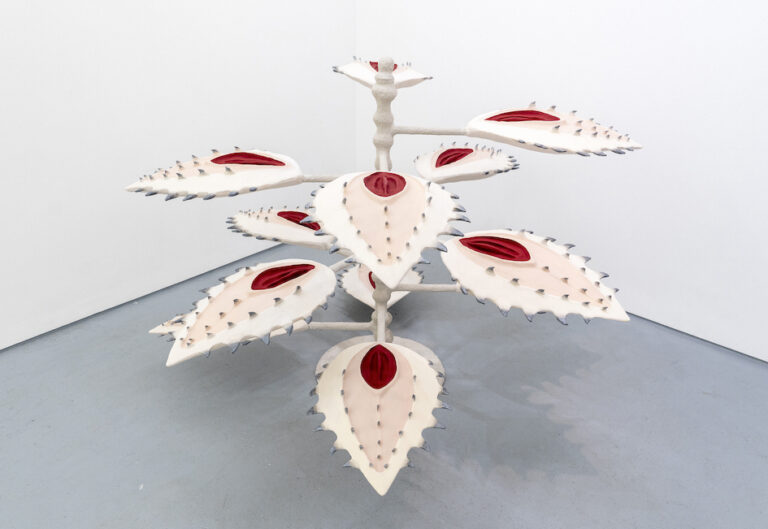
Annie Trevorah, an award-winning British artist, will unveil her solo exhibition Triffids at Pump House Gallery from the 18th to the 22nd of October, 2023.

Curated by Francesca Dobbe and advised by Kensu Oteng, the exhibition takes inspiration from John Wyndham’s post-apocalyptic novel The Day of the Triffids (1951), in which a carnivorous plant runs amok across the English countryside after escaping its experimental greenhouse. Trevorah reconfigures various textures and forms found in Chelsea Physic Garden’s greenhouses to imagine this species in its destructive hybridisation and how it may flourish in a future hostile to human survival.

Spread over Pump House Galleries’ four floors and featuring a combination of hanging, floor and wall-based sculptures, Triffids features unique sensory structures for plants that breathe, eat, digest and move while sharing many of the same interactive systems as humans. Among such chimeras are plants equipped with armour, thorns, spines and noxious defences that threaten the hubris of human exceptionalism in which we are predators but never the prey

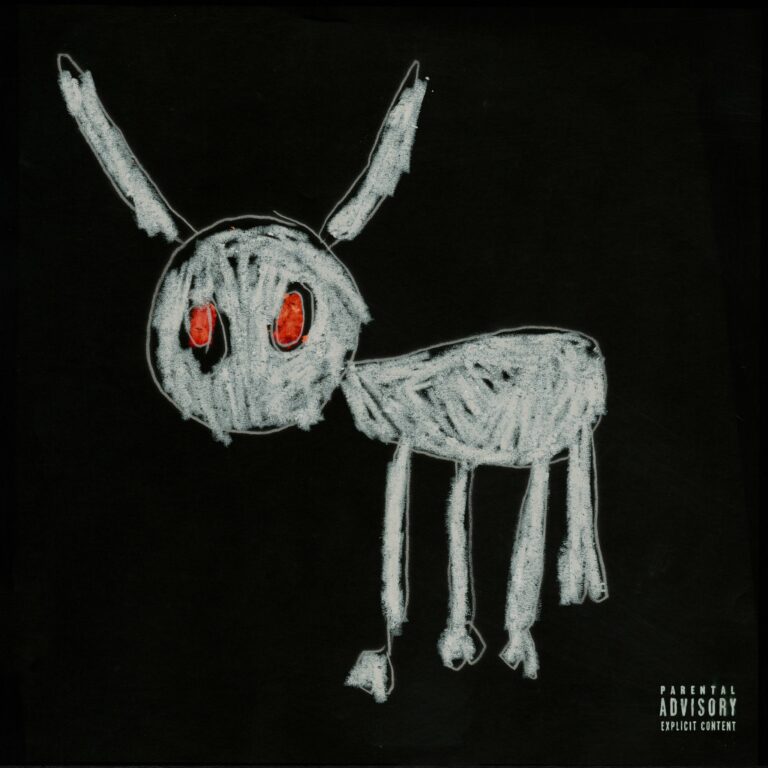
Album Review: Drake, ‘For All the Dogs’

A Drake album is bound to leave your head scratching. Without so much as a glance at any of the headlines surrounding For All the Dogs, you’d have to go in expecting no shortage of aggravating moments, a fashionable degree of stylistic variation, and at least a few genuine sparks of creativity. You hope that the more inspired cuts are the ones that catch on, because even if you go out of a Drake album with no intention of listening to it ever again, the inevitable hit will remind you of his cultural omnipresence even as he claims to be stepping away from music for a while. In the case of For All the Dogs, that would be ‘Slime You Out’, the No. 1 SZA collab that’s not quite as dreadful as, say, ‘Way 2 Sexy’, but is still pretty underwhelming. The record’s got a lot more where that came from, but SZA also lends her voice to one of the album’s actual highlights, the Sexyy Red-assisted ‘Rich Baby Daddy’. Up until recently, those bright moments would be enough to leave you wondering what a great Drake album could be like, or how much better the same album could sound like if he didn’t double down on all his worst impulses. On For All the Dogs, they’re just not enough.

This is the most Drake album the rapper has put out since 2021’s Certified Lover Boy, which, despite his continued dominance over the past couple of years, makes it feels like a proper follow-up. If last year’s Honestly, Nevermind and Her Loss, his joint LP with 21 Savage, were left turns – leaning into his moodiest and most misogynistic tendencies, respectively – For All the Dogs is, to sometimes compelling but mostly excruciating effect, straight up his lane. Of course it’s disjointed, and, with 23 tracks clocking in at almost 85 minutes, a slog to get through. You don’t care anymore if he’s trolling or trying to be earnest, but you still may find yourself hooked when his charisma and skill are on display, whether he gets himself fired up on the otherwise indistinct ‘8am in Charlotte’ or facing off J. Cole on ‘First Person Shooter’. But Drake’s signature corniness and petty solipsism are so overbearing that it can only take a single line to push things over the edge and drain all the enjoyment out of a track: “So many cheques owed/ I feel Czechoslovakian,” he raps on ‘8am in Charlotte’. “You ain’t even know how to suck it right, I taught you right,” goes a line on ‘Rich Baby Daddy’.

It’s depressing. At their worst, Honestly, Nevermind and Her Loss felt like excuses to indulge in the darkest corners of Drake’s introspection, and you’d think he’d dial it down for a more focused and energetic effort, which For All the Dogs is. But the fact that the persona has only gotten more inescapable is sobering, and it explains a lot of the decisions on the new album – none of which are particularly new yet feel more cynical and pathetic than before, like when devotes a portion of the LP delivering rage flows in an obvious but respectable attempt at keeping up with his younger collaborators. It mostly works because he’s at least having fun and is endearingly self-aware about it, even if his trying to fit over a dembow beat alongside Bad Bunny on ‘Gently’ borders on laughable. Naturally, Drake is always at the center of For All the Dogs, but he rarely feels like the star of it, relying on his guests to brighten up the project and cheaply interpolating Florence + the Machine and Pet Shop Boys. “Sometimes I think to myself, what if I was somebody else,” he admits on ‘BBL Love – Interlude’, and the collection often scans as a means of entertaining the question.

But whether you hear glimpses of the “old Drake” or a sad projection of his current self, Drake is tediously, numbingly all over this thing. He can still be entertaining. He can sound sharp and more relevant than a lot of people would be willing to give him credit for, though I wouldn’t blame them. In terms of its atmosphere and flow, For All the Dogs might be better than CLB, though it’s probably not as memorable (except for one-liners like “You tried to grease me, but we’re not in Mykonos”). But while CLB at least hinted at some kind of heartfelt sincerity towards its conclusion, For All the Dogs weaponizes the nastiest parts of vulnerability and ultimately seems to revel in its toxicity. He’s too absorbed by his own mythos to pretend to be somebody else – worse, he sounds tired. If you even manage to get to the end of the album, I can’t imagine feeling any other way.

The Beths and Car Seat Headrest Cover the Postal Service and Death Cab for Cutie on New Sub Pop Single

To celebrate the 20th anniversary of two classic Ben Gibbard albums, the Postal Service’s Give Up and Death Cab for Cutie’s Transatlanticism, the two bands embarked on a joint tour this fall. Now, Car Seat Headrest, The Beths (who opened some of those shows), and Pickle Darling have teamed up for a new Sub Pop single featuring covers of songs from both records. Car Seat Headrest took on Death Cab’s ‘We Look Like Giants’, while the Beths and Pickle Darling tackled the Postal Service’s ‘Brand New Colony’. Take a listen below.

The Psychology of Betting: How Emotions Impact Your Casino Gaming

The world of casino gaming is not merely a domain of chance and strategy; it’s also a realm profoundly influenced by the intricate workings of the human mind. 

The psychology of betting delves into the deep recesses of our emotions and the profound impact they exert on our experiences in the world of casinos. 

This exploration will unravel the complex web of human emotions and their interplay with the exhilarating world of casino gaming.

Understanding the Emotional Rollercoaster

Casino gaming is a rollercoaster of emotions, and each spin of the wheel or pull of the lever can evoke a range of feelings. Understanding these emotions is pivotal to appreciating the psychology of betting. Let’s delve into some of the most common emotional states experienced by casino-goers.

Excitement: The thrill of anticipation as the dice roll or the cards are dealt is electrifying. The prospect of winning ignites a rush of excitement, elevating one’s mood and energy levels.

Anxiety: On the flip side, there’s the ever-present anxiety of losing. The fear of financial loss or the dread of seeing your chips disappear can be overwhelming, creating a tense atmosphere.

Elation: The euphoria of winning, even a small sum, can induce feelings of elation and accomplishment. This emotional high can be incredibly addictive, driving players to chase more wins.

Frustration: Not every bet results in a win, and frequent losses can lead to frustration. This frustration may compel players to make irrational decisions or bets to recoup their losses.

Regret: After a losing streak, many players experience regret, questioning their choices and strategies. Regret can lead to self-doubt and affect one’s overall gaming experience.

Apathy: Some gamblers become emotionally numb over time, experiencing a sense of detachment from the outcomes. This emotional apathy can signal problem gambling.

The Role of Cognitive Biases

Emotions are not the only players in the psychological arena of betting; cognitive biases also play a significant role. These biases can distort our judgment and decision-making processes. Let’s explore some common cognitive biases that affect casino gaming:

  • Confirmation Bias: Players tend to seek out information that confirms their beliefs and choices, often ignoring evidence that contradicts their views. This bias can lead to overconfidence in one’s strategies.
  • Gambler’s Fallacy: This cognitive bias involves believing that past outcomes influence future results. For instance, if a roulette wheel lands on red multiple times in a row, some players might assume that black is “due” to come up.
  • Loss Aversion: People tend to fear losses more than they value equivalent gains. This bias can lead to risk-averse behavior, causing players to avoid bets they perceive as risky.
  • Anchoring: Anchoring occurs when players fixate on a specific piece of information, such as a jackpot amount or a previous win, and base their decisions on that anchor. This can lead to poor judgment.
  • Illusion of Control: Many gamblers believe they have control over games of chance, even when outcomes are entirely random. This illusion can lead to risky betting behavior.

Managing Emotions and Biases

Given the profound influence of emotions and cognitive biases in casino gaming, it’s crucial to explore strategies for managing these factors. Here are some approaches to help gamblers navigate the complex psychology of betting:

  • Self-Awareness: Recognizing one’s emotional state and cognitive biases is the first step. Regularly check in with your feelings while gaming and assess your decision-making processes.
  • Bankroll Management: Establish a budget for your casino gaming activities and stick to it. This practice can help mitigate anxiety and frustration associated with financial losses.
  • Time Limits: Set time limits for your gaming sessions. Long, continuous play can lead to emotional fatigue and irrational decisions.
  • Knowledge and Strategy: Invest time in learning the rules and strategies of the games you play. Understanding the mechanics can boost confidence and reduce anxiety. This approach extends to other aspects of life as well. Just as understanding the rules of a game can empower you, taking the time to understand what dark psychology is and how it operates can equip you with the knowledge needed to recognize and protect yourself from manipulative behaviours in various contexts, further bolstering your confidence and peace of mind.
  • Take Breaks: If you’re experiencing a prolonged losing streak or heightened emotions, take a break. Stepping away from the casino floor can help you regain composure.
  • Seek Support: If you believe your gambling habits are negatively impacting your emotions or finances, consider seeking support from a therapist or a support group.

Conclusion

The psychology of betting is a captivating exploration of human emotions and cognitive biases within the context of the best real money online casinos gaming. 

Emotions like excitement, anxiety, elation, frustration, regret, and apathy are common companions on this rollercoaster ride. Cognitive biases further complicate decision-making, often leading to irrational choices.

However, by fostering self-awareness, employing sound bankroll management, setting time limits, enhancing knowledge and strategy, taking breaks, and seeking support when needed, players can gain better control over their emotions and biases. 

This, in turn, can lead to a more enjoyable and responsible gaming experience. Understanding the intricate interplay of psychology in betting is a journey toward mastering the art of casino gaming and its emotional nuances.

Kali Uchis Announces New Album ‘Orquídeas’

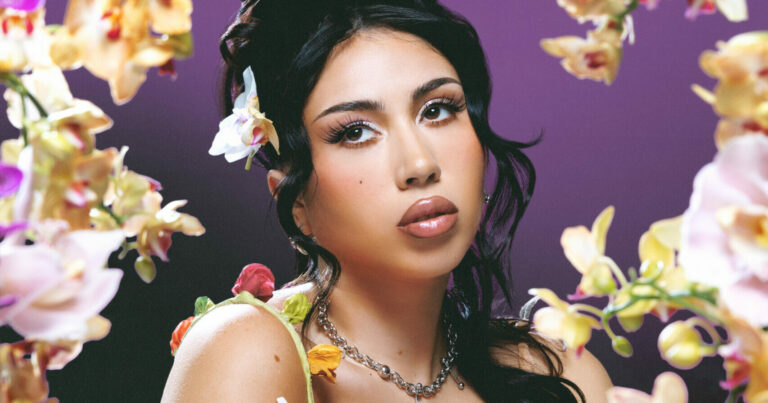
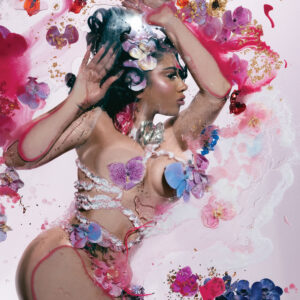
Kali Uchis has announced a new Spanish-language album called Orquídeas. It’s set to drop on January 12, 2024. Check out the album cover below.

“The orchid is the national flower of Colombia, and we have more species of orchid than anywhere on earth,” Uchis said in a press release. “I always felt distinctly intrigued and magnetized by the flower. This album is inspired by the timeless, eerie, mystic, striking, graceful and sensual allure of the orchid. With this vast scope of fresh energy, I wish to re-define the way we look at Latinas in music.”

Uchis released her latest album, Red Moon in Venus, earlier this year.

Orquídeas Cover Artwork:

Kevin Abstract Announces New Album ‘Blanket’

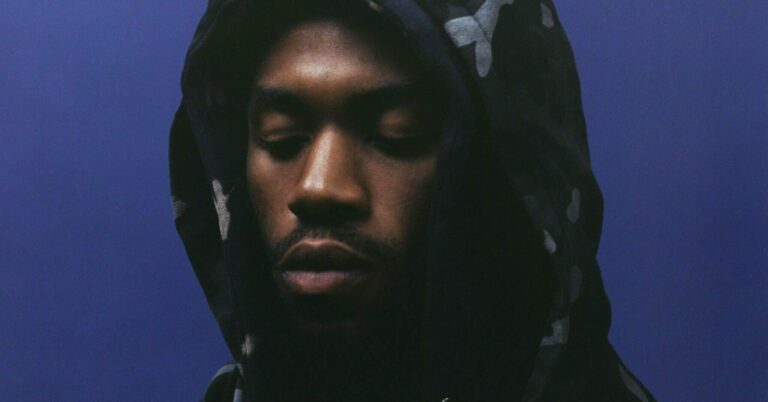
Brockhampton founder Kevin Abstract has officially announced his new album, Blanket. Featuring the previously released title track, the follow-up to 2019’s Arizona Baby was made with with producer Romil Hemnani and multi-instrumentalist Jonah Abraham. It’s set to arrive on November 3 via Video Store/RCA Records. Check out a one-minute preview called ‘GUM’ below.

“I wanted to make, like, a Sunny Day Real Estate, Nirvana, Modest Mouse type of record,” Abstract said in a statement. “But I wanted it to hit like a rap album.”

Blanket Cover Artwork:

Fenne Lily Unveils New Song ‘Hollywood and Fear’

0

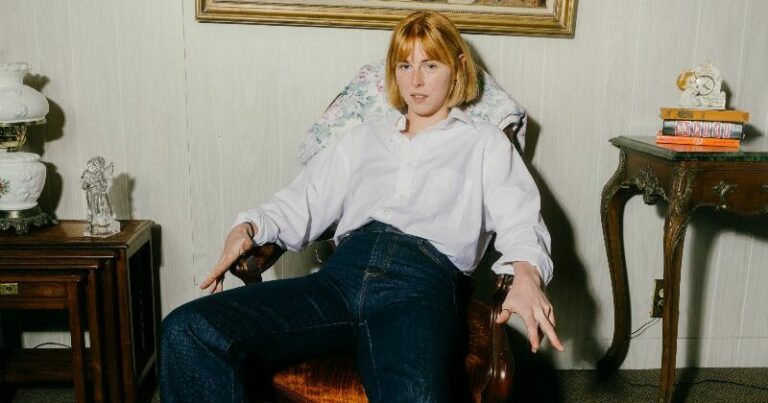
Fenne Lily has announced an expanded edition of her latest album Big Picture. It includes the bonus track ‘Hollywood and Fear’, which is out today. Listen to it below.

“Do I want to be right or to be kind?” Lily asks in the new song. “It’s something my mum asked me constantly when I was a kid — I would argue until I lost the thread of the argument, when I could have easily let it go,” she explained in a statement.“I want to be right or to be kind” that’s reflected in the song’s lyrics. So ‘Hollywood and Fear’ is about figuring out when to hold on tightly versus when to let go.”

Check out our Artist Spotlight interview with Fenne Lily. 

Big Picture (Expanded Edition) Tracklist:

1. Map of Japan
2. Dawncolored Horse
3. Lights Light Up
4. 2+2
5. Superglued
6. Henry
7. Pick
8. In My Own Time
9. Red Deer Day
10. Half Finished
11. Dial Tone (Bonus Track)
12. Hollywood and Fear (Bonus Track)
13. Cathedral (Bonus Track)
14. 4 (Bonus Track)
15. In My Own Time (Demo)