

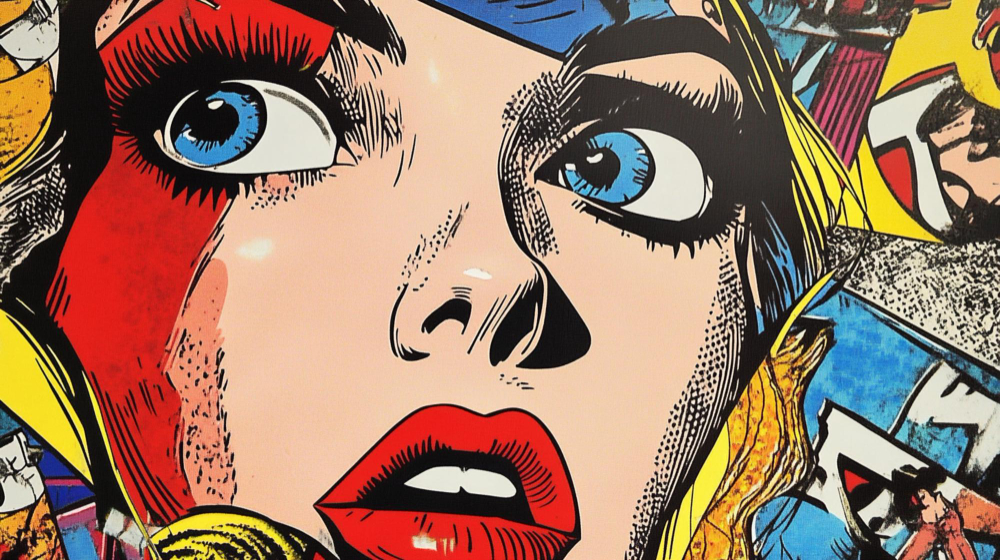
Personal comics turn everyday moments—a parent’s quiet confession, a lingering glance, or an awkward reunion—into cinematic drama. A single illustration paired with brief dialogue pulls readers directly into the room, exposing the raw tension and hidden emotions that standard text leaves behind.
This article explores how graphic memoirs map memory, identity, and relationships, offering practical insights into how simple, shared experiences can be transformed into lasting visual stories.
Personal Narratives in Comic Art
An unanswered call from your mother can carry more tension than a battle scene. Who stopped calling first, and what would it take to break the silence? Personal comics draw readers into questions like these, giving everyday moments consequences worth caring about.
Family history becomes especially powerful when drawings reveal connections that words alone might leave hidden. Tessa Hulls’s *Feeding Ghosts*, which follows three generations of women in her family, won the 2025 Pulitzer Prize for Memoir or Autobiography, according to the Pulitzer Prizes.
Hulls uses the graphic memoir to explore inherited trauma and the complicated work of understanding those closest to us. The award offers a clear reminder: a deeply personal story told through pictures belongs in the same literary conversation as one told through prose.
Making a Shared Memory Personal
Published memoirs explore an author’s life, but personalized comics can focus on a memory shared by just a few people. A relationship, family tradition, or unforgettable afternoon can provide enough material for a short narrative. The challenge is finding the moment that gives the story its shape.
Translating a specific memory into panels means identifying the details that matter most to the people involved. Rather than sketching a sweeping life history, writers often focus on a single afternoon or running inside joke that carries genuine emotional resonance. Bringing that narrative to life visually is where a custom comic book from Kindred Press becomes useful, turning personal anecdotes into illustrated keepsakes.
Before deciding what belongs on the page, consider three useful ingredients:
- A moment with emotional stakes
- A detail only those involved would recognize
- A change between the opening and ending
A couple’s first meeting, for example, might revolve around a misunderstanding rather than a grand romantic speech. The wrong coffee order or an awkward goodbye could carry the personality that a generic love story would miss.
How Pictures Carry Emotion
Comics give words and images different jobs within the same scene. Dialogue can reveal what a person chooses to say, while posture or framing suggests what they cannot admit. The gap between those signals gives readers something to interpret.
Showing Feelings Without Explaining Them
Picture a character saying they feel comfortable while their figure grows smaller in each panel. The room seems to swallow them, leaving more empty space around every reassuring word. You sense their unease before they are ready to name it.
An artist might crowd a page with overlapping memories or leave a painful moment almost blank. Those choices let readers feel the weight of an experience without a caption explaining every emotion. The artwork tells the part of the story the character cannot yet put into words.
Giving Memory Its Own Shape
Memory rarely follows a tidy sequence from beginning to end. A familiar room can bring back several ages at once, mixing childhood impressions with adult understanding. Comics can place those perspectives side by side on a single page.
In an interview with The Rumpus, cartoonist Kay Sohini discusses working beyond strictly linear time. Her approach points to the possibilities of arranging a story around emotional connections rather than dates.
Creators still need to distinguish remembered experience from deliberate invention. Being thoughtful about that boundary helps preserve trust, especially when other people’s lives appear in the narrative.
Let Other People Have a Say
Sharing your own story sometimes means telling part of someone else’s. Before drawing a recognizable friend or relative, consider whether they would welcome being included. A private keepsake and a publicly available comic deserve different conversations about permission.
Invite anyone featured prominently to discuss how they appear before the artwork is finalized. Keep the conversation focused on practical choices:
- Names and identifying details
- Sensitive conversations or incidents
- Who can receive the finished comic
You do not have to surrender your perspective to respect another person’s boundaries. Agreeing on changes early can prevent hurt feelings later, while leaving room for an honest story that remains yours to tell. For a shared project, those conversations can also clarify who gets input and who makes the final creative decisions.
Finding the Story Worth Keeping
Personal narratives make room in comics for familiar faces, quiet struggles, and experiences that can be hard to describe. Meaningful details give those stories depth, while thoughtful conversations help protect the relationships behind them. Words and pictures can then bring an experience to life without overlooking the people involved.
Start with one memory you want to preserve. Think about what was said, what stayed unspoken, and whose perspective deserves consideration. An ordinary moment may hold more story than you first imagined.

