

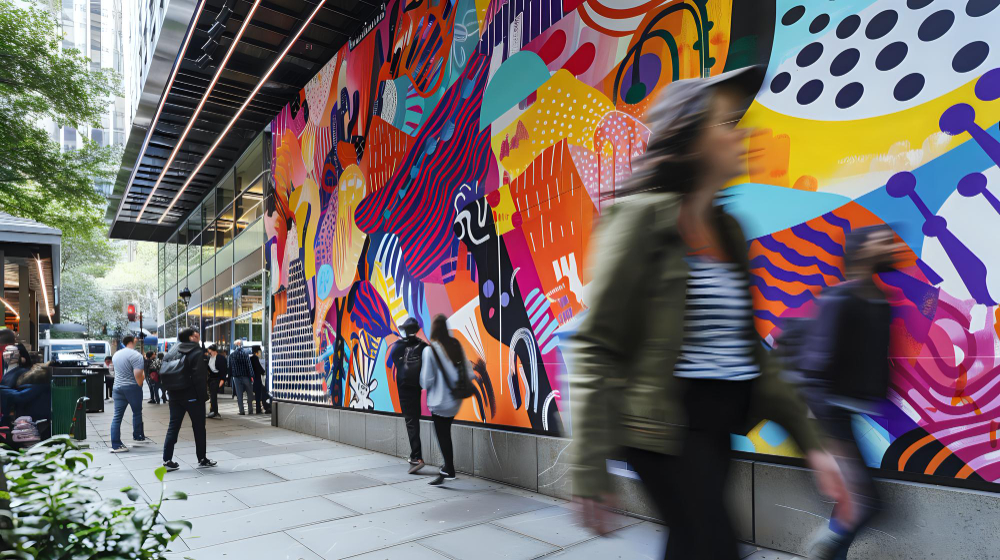
You can make a plain wall into a local attraction. An empty square can become a meeting point. Sometimes it only takes a mural, a sculpture, or a creative design to change the way that people view a place.
Public art gives towns and cities a way to share their stories. It adds color to streets, brings people together, and helps local areas stand out. It can also give visitors a reason to explore places they might have passed without a second look.
But public art does more than beautify a place. It connects people to the local history and culture and to the world around them. With the right idea and careful planning, an ordinary space can become a cultural landmark that people remember for years.
How Public Art Gives Places a Unique Identity
A lot of streets, parks, and town squares look pretty similar. Public art gives these places a distinctive quality.
A large mural might show scenes from local history. A sculpture could reflect the area’s natural beauty or daily life. Even a small artwork can give people a reason to stop and take notice.
These things contribute to a place’s identity. Visitors get a glimpse of what makes the area unique, and residents may see their own stories reflected in the artwork.
Public Art Keeps Local History Alive
There are stories in every community that are worth telling. Public art and cultural heritage can work together to keep these stories alive. Artists can use colors, shapes, and images to tell about the past in ways that people of all ages can relate to.
A sculpture might honor a local figure. A wall painting could show an old farming tradition or an important event. These artworks can start conversations between generations, which help to younger people learn about the places where they live.
When art reflects local life, it gives a community a way to share its history with visitors and future generations.
How Public Art Brings Communities Together
Public art gives people something to share.
-
Residents Can Shape the Artwork
People often have the most fun with community art projects when they have a say in how they are designed. Artists can ask people what stories from their neighborhood are important to them and what themes show what their neighborhood is like.
Schools, shop owners, local groups, and residents can all contribute ideas. Some may help plan the project, while others take part in painting a mural or preparing the site.
-
Art Makes Shared Spaces More Welcoming
A well-placed artwork can make the space feel more inviting. A mural can brighten a walking route, while a sculpture can become a meeting point. Good urban public art should also suit the space around it. It shouldn’t get in the way of walking, hide signs, or make it more difficult for disabled people to get around.
The goal is to make public spaces more useful and enjoyable for everyone.
The Role of Planning in Public Art Projects
A good idea is only the beginning. Artists and planners must consider who will use the space and how to maintain the artwork.
These questions connect with wider discussions about land use and development involving people such as Stefan Soloviev. Public art can contribute to these conversations by making shared spaces more welcoming and helping communities to protect local character.
When planning for a project, planners should ask themselves a few simple questions:
- Does the artwork fit the area? Its design should reflect local history and culture.
- Can everyone enjoy it? Consider safe access and clear walking routes.
- Will it last? Choose materials that can handle local weather.
- Who will maintain it? Plan for cleaning, repairs, and damage.
- What do residents think? Gather local feedback before making final decisions.
If you follow these steps, your creative idea will become something that people will remember.
Public Art and Urban Renewal
Public art can support urban renewal by bringing new life to neglected spaces. A dull wall can become a neighborhood feature, while an empty square can gain a clear purpose.
These changes may encourage people to spend more time outdoors and take greater interest in their surroundings. They can also give local artists a chance to share their work.
Still, art cannot solve every problem. Neighborhoods may also need better lighting, clean streets, safe walkways, and reliable public services.
Conclusion
Public art can turn an ordinary street or park into a place people want to visit and remember. It shares local stories, builds community pride, and gives neighborhoods a stronger identity.
When artists and residents work together, public art can transform everyday spaces into cultural landmarks that remain meaningful for generations.

