

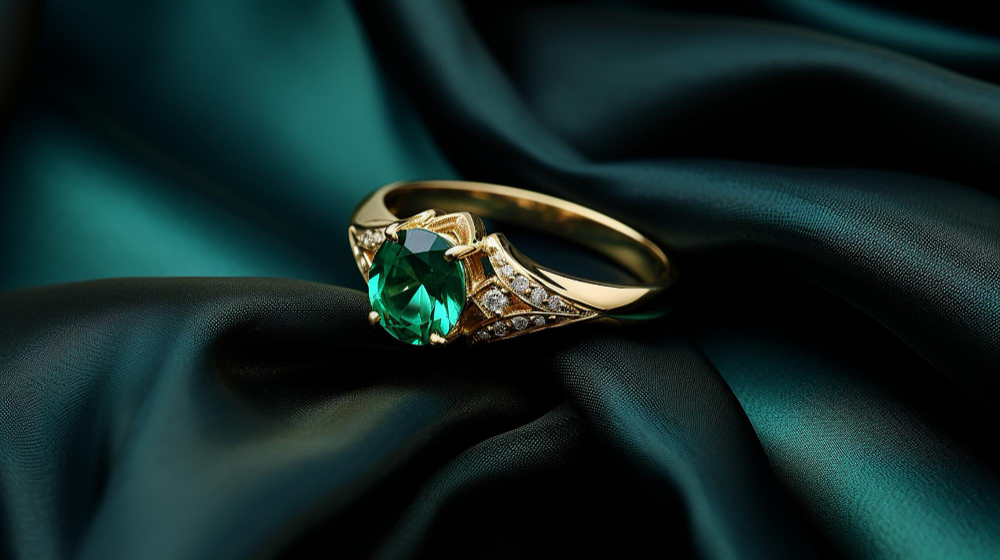
Choosing a ring that matches your partner’s personality is one of the most meaningful decisions you’ll make. If she loves color, character, and a stone with a story, green sapphire engagement rings deserve a spot at the top of your list. They are rare and durable, and they look nothing like the usual diamond solitaire. This guide walks you through every step so you can buy with confidence.
Why Choose Green Sapphire Engagement Rings?
A sapphire is a variety of corundum, the same mineral family as ruby. Green sapphires get their color from trace iron and titanium. Their shades run from soft mint to deep forest green.
Here is why green sapphire engagement rings are worth considering:
- Exceptional durability: Sapphire scores 9 on the Mohs scale of hardness, second only to diamond. It handles daily wear well.
- Distinctive beauty: Green stands out in a sea of colorless stones.
- Symbolism: Green is associated with growth, renewal, and new beginnings, which suits the start of a marriage.
- Value: You often get a larger, more vivid stone than a diamond would give you at the same budget.
Step-by-Step Guide to Choosing Your Ring
Step 1: Understand Green Sapphire Color
Color is the most important value factor. The GIA sapphire buying guide explains that hue, tone, and saturation together determine a stone’s quality. Look at all three:
- Hue: Pure green or slightly bluish-green (teal) are the most popular. Yellowish-green stones tend to cost less.
- Tone: Medium to medium-dark tones usually look richest. Very dark stones can look almost black indoors.
- Saturation: Vivid, intense color commands the highest prices. Stay away from stones that look gray or brownish.
If possible, view the stone in daylight and indoor light, because green sapphires can shift subtly between the two.
Step 2: Evaluate Clarity and Cut
Colored gemstones are judged differently from diamonds. Because sapphires are often “eye-clean” with minor natural inclusions, you can choose a clean-looking stone without overpaying. The GIA sapphire description notes that a well-proportioned cut maximizes brilliance and evenly displays color.
Popular cuts for green sapphire engagement rings include:
- Oval: Flattering, elongated, and shows off color beautifully.
- Emerald cut: Elegant and modern, with a “hall of mirrors” effect.
- Cushion: Soft, romantic, and vintage-inspired.
- Round: Classic and maximum sparkle.
Look for even color across the stone and avoid windowing, which is a washed-out see-through center.
Step 3: Choose the Right Carat Weight
Carat weight measures weight, not size, and sapphire is denser than diamond. A 1-carat sapphire therefore looks slightly smaller than a 1-carat diamond. Most buyers find the sweet spot between 1 and 3 carats, which gives a confident presence on the hand without sacrificing wearability.
Step 4: Decide on Natural vs. Lab-Grown
Natural stones carry rarity and heritage value. Synthetic (lab-grown) sapphires share the same chemical and physical properties at a lower price. Many sapphires, both natural and lab-grown, undergo heat treatment, which is a standard and accepted practice. What matters is that the seller discloses it. Always ask for transparency about origin and treatments.
Step 5: Pick the Perfect Metal
The metal shapes the whole look of the ring:
- Yellow gold: Warm and timeless, and it makes green look lush.
- White gold or platinum: Crisp and modern, with a cool contrast that intensifies the green.
- Rose gold: Romantic and unexpected, a beautiful complement to green.
Step 6: Select a Setting Style
The setting frames the stone and affects how it wears over time:
- Solitaire: Understated, putting all the focus on the green.
- Halo: Surrounds the center stone with small diamonds for extra sparkle.
- Three-stone: Symbolizes past, present, and future.
- Pavé band: Adds a continuous trail of shimmer.
For an active lifestyle, choose a secure prong or bezel setting that protects the stone’s edges.
Step 7: Confirm Size and Fit
Knowing the right ring size avoids stressful resizing later. Borrow a ring she already wears on that finger and measure it, or ask a trusted friend or family member to find out discreetly.
Why Buy From a Trusted Jeweler?
A beautiful stone deserves a reliable seller. Look for clear photos, honest treatment disclosures, secure packaging, and a solid return policy. You can explore a curated selection of green sapphire engagement rings at Gemsmagic, where each piece is crafted to combine rich color with lasting quality. Browsing a dedicated collection also lets you compare cuts, metals, and styles side by side, so you can find the one that feels unmistakably right.
If you want a proposal she will remember, a green sapphire delivers: a ring with color, meaning, and durability that she will love wearing every day. Don’t wait for the “perfect” moment to start looking. Shop the sapphire ring collection today and find the ring that tells your story.
Frequently Asked Questions About Green Sapphire Engagement Rings
1. Are green sapphires durable enough for an engagement ring?
Yes. With a Mohs hardness of 9, green sapphire resists scratches and everyday wear far better than softer gems like emerald or opal. That makes green sapphire engagement rings a practical choice for lifelong, daily wear. Like any gemstone, a hard knock against a hard surface can still chip it, so a protective setting helps.
2. How much do green sapphire engagement rings cost?
Prices vary widely based on color, size, origin, treatment, and metal. Generally, they cost less than a comparable diamond. Deep, vivid, untreated stones from notable origins sit at the top of the range, while lab-grown or lightly colored stones are more affordable. Set a budget first, then prioritize color quality over carat size.
3. What is the best shade of green sapphire?
There is no single “best.” Most buyers prefer a medium-toned, vivid pure green or a slightly bluish-green. Very dark stones lose brightness, and very pale stones can look washed out. Choose the shade that makes you think of her.
4. Is heat treatment a problem?
No. Heat treatment is common and widely accepted in the sapphire trade, and it improves color and clarity in a stable, permanent way. The key is disclosure. Always ask the seller to state whether a stone is heated or unheated, because untreated stones are rarer and priced higher.
5. How do I care for a green sapphire ring?
Clean it with warm water, mild dish soap, and a soft brush, then dry it with a lint-free cloth. Ultrasonic cleaners are usually safe for sapphire but can loosen stones in delicate settings, so check with your jeweler first. Store the ring separately to avoid contact with other jewelry, and have the prongs inspected once a year.
6. Can I choose a lab-grown green sapphire?
Absolutely. Lab-grown sapphires have the same chemical composition, hardness, and look as natural stones. They offer a more affordable, ethically transparent option, though natural stones may hold more rarity value. Choose whichever fits your budget and values, as long as the seller labels it clearly.
7. Do green sapphires change color in different light?
Some can shift slightly, appearing a touch more bluish under cool light and more yellowish under warm incandescent light. This is normal, and it’s why viewing the stone in several lighting conditions before you buy is so helpful. A well-cut, well-saturated stone stays beautiful in all of them.
8. Is a green sapphire a good alternative to an emerald?
Yes, and in many ways a better one for daily wear. Emeralds are usually heavily included and softer, so they chip more easily. Green sapphire offers comparable color drama with far greater toughness, making it a smart, low-maintenance alternative for an engagement ring.

