

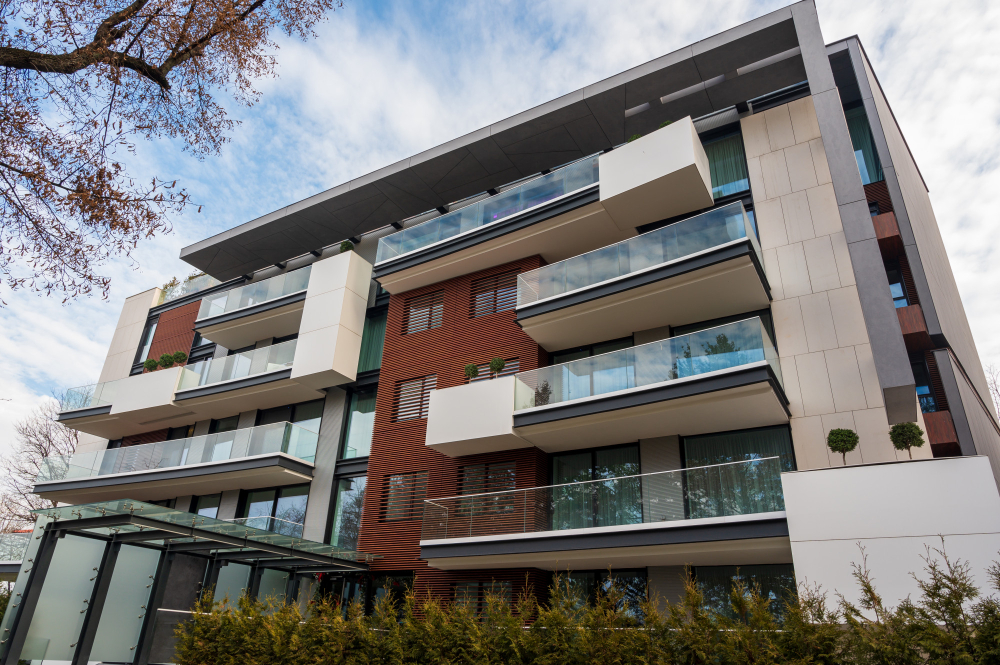
Waterfront residences are changing how people assess urban homes in Singapore. While the location remains an important factor, buyers now also examine daily movement, public space, views, privacy, and long-term liveability. A home near the coast, river, or harbour can shape routines through easier outdoor access and calmer surroundings. These considerations also influence design, transport planning, and household budgets.
The shift becomes clearer when waterfront living is assessed through the practical choices it creates for urban residents. Prospective residents often assess travel times, nearby services, pedestrian routes, and access to open spaces before choosing a property. Buyers should consider how coastal surroundings fit daily urban routines rather than treating scenery as the sole reason to purchase.
Location Shapes Daily Movement
Waterfront homes such as Newport Residences change the relationship between a property and its surrounding area. A nearby promenade or open shoreline gives residents an outdoor route for walking, exercise, or a short break without requiring a separate trip. That access is important in a compact city, where time spent travelling often affects how people use their evenings.
Transport remains equally important. Buyers assess connections to workplaces, schools, medical services, and retail areas before choosing a waterfront address. A scenic location cannot compensate for difficult commutes or limited access to everyday needs. The strongest decisions balance coastal access with efficient movement across the city.
Outdoor Space Becomes Part of the Home
A waterfront setting extends the perceived living area beyond the internal floor plan. Balconies, parks, promenades, and shared outdoor areas give residents more ways to spend time outside the apartment. This matters to households that want space for morning exercise, reading, or informal gatherings.
Shade, seating, lighting, maintenance, and pedestrian safety affect whether residents use these spaces regularly. Buyers should inspect how outdoor areas connect with entrances, lifts, car parks, and nearby roads instead of judging a property solely based on marketing images.
Design Responds to Light, Wind, and Privacy
Waterfront architecture must respond to strong sunlight, changing wind conditions, and exposure to surrounding buildings. Window placement, balcony depth, shading, ventilation, and the direction of living spaces affect comfort throughout the day. These details should be assessed during viewings because a wide outlook does not guarantee a comfortable interior.
Privacy also shapes residential choices. Open views can bring greater exposure to neighbouring towers, walkways, or shared facilities. Buyers should check sightlines from bedrooms and living rooms and compare them with the position of balconies and common areas. A clear assessment prevents the view from overshadowing everyday comfort.
Waterfront Homes Change Household Priorities
Different households value waterfront living for different reasons. A professional household may prioritise travel efficiency and a quiet setting after work. A family may focus on safe walking routes, recreational space, and access to schools or daily services. Older residents may place greater weight on lift access, shaded paths, seating, and nearby healthcare.
The purchase decision also includes future flexibility. A home that suits a couple today should still support changing routines, visiting relatives, or home-based work. Buyers should review room proportions, storage, noise levels, and the distance between private rooms and shared facilities before committing.
Cost Requires a Wider Calculation
Waterfront homes often attract attention because of their setting, but buyers must assess the complete cost of ownership. The purchase price is only one part of the calculation. Monthly maintenance charges, renovation needs, transport expenses, insurance, and loan commitments affect affordability over time.
A budget should also account for lifestyle spending. Residents who use nearby dining, leisure, or transport options frequently can face different monthly costs from those who prefer to stay home. Comparing these expenses with an equivalent inland property creates a clearer basis for decision-making.
How Buyers Can Assess a Waterfront Address
A viewing should take place at different times of day. Morning and evening visits reveal changes in sunlight, traffic, wind, noise, and pedestrian activity. Buyers should also walk the route to nearby transport points and services.
The assessment should cover the following questions:
- How easily can residents reach work, school, and daily services?
- Do outdoor areas provide shade, seating, and safe pedestrian access?
- Do bedrooms and living rooms receive privacy from nearby buildings?
- How will maintenance, transport, and renovation costs affect the budget?
- Will the layout remain suitable if household needs change?
These questions help buyers compare waterfront properties based on factors that affect daily use.
Conclusion
Waterfront residences are shaping urban choices by linking housing with movement, outdoor access, comfort, privacy, and household finances. Their appeal depends on how well the setting supports ordinary routines, not simply on a coastal outlook. Buyers should visit the property at different times of the day, inspect the surrounding routes, review the full ownership budget, and consider whether the layout will meet their future needs. A structured comparison helps identify whether waterfront living suits the household, location, and spending plan.

