

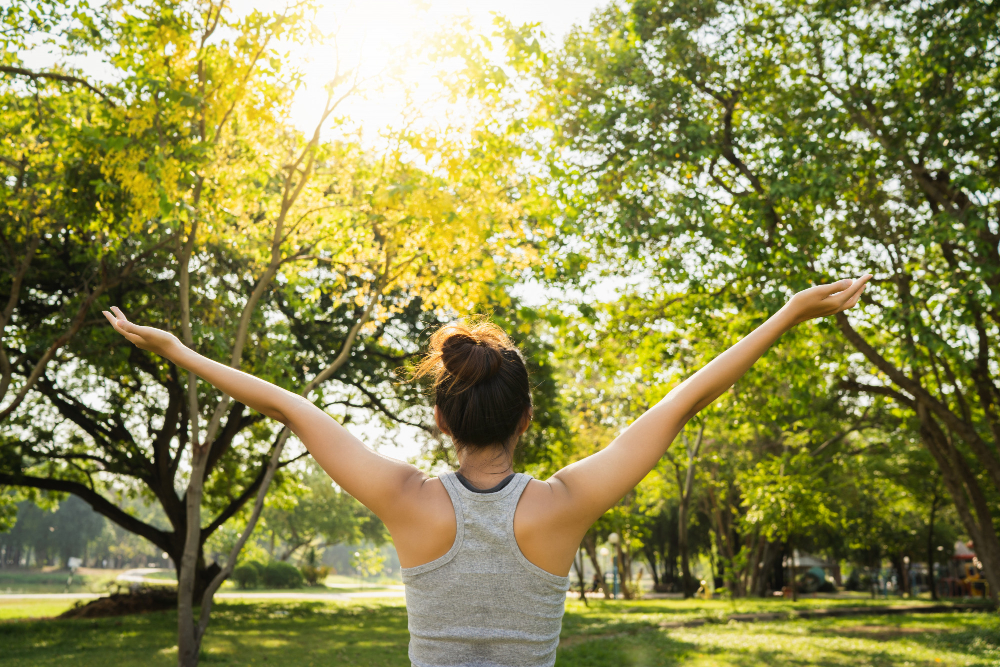
Wellness used to be a niche topic in specialty magazines. Now it shows up in grocery aisles, office benefits packages, social media feeds and conversations at the dinner table. Trends shape what we eat, how we move, how we rest and what we count as normal self-care. At their best, they turn complicated health advice into small habits anyone can follow.
Part of their appeal is that they help people feel more in control of a busy life. Meal prepping, fitness trackers, meditation apps and healthy supergreens each offer one manageable step toward feeling better, and they make that progress easy to see and build on. When healthy choices feel simple and rewarding, they’re more likely to stick, and small daily habits can add up to a real difference in how we feel.
The Power of Small Habits
Many popular movements succeed because they focus attention on small choices. Drinking more water, adding vegetables, walking after dinner, stretching before bed, or taking screen breaks can improve energy without demanding a complete lifestyle overhaul. Trends can also introduce people to concepts that public health experts have recommended for years: fiber, strength training, sun protection, sleep regularity, and stress management.
Still, simplicity matters. A habit that fits your schedule is more valuable than an impressive routine you abandon after a week. The most useful wellness trend is one that makes healthy behavior easier, cheaper, or more enjoyable. If a practice requires expensive tools, rigid tracking, or guilt when life changes, it may be better as an occasional experiment than a permanent rule.
Social Media and the New Health Vocabulary
Social platforms have changed the language of health. Words like “balance,” “reset,” “gut health,” and “recovery” now appear in casual conversations. This can be positive because it encourages people to notice how food, movement, sleep, and emotions interact. It also makes health feel less confined to clinics and more connected to daily wellness routines.
But online wellness culture often rewards certainty over nuance. A thirty-second video may make one ingredient sound miraculous or another sound dangerous, even when evidence is mixed. Influencers may share sincere experiences, but personal stories are not the same as research. Consumers need to ask practical questions: Who benefits if I buy this? Is the claim supported by credible sources? Does it match my body, budget, and values?
Personalization Over Perfection
The strongest shift in modern wellness is the move toward personalization. People increasingly recognize that health is shaped by age, culture, income, disability, work schedules, family responsibilities, and medical history. A morning routine that energizes one person may exhaust another. A diet that supports one household may be unrealistic for another. This awareness can make everyday health more compassionate and sustainable.
Perfection is a poor health strategy. It encourages all-or-nothing thinking: if you miss a workout, the week is ruined; if you eat dessert, the plan has failed. Personalization replaces that mindset with curiosity. What helps you sleep better? What movement feels good enough to repeat? What meals leave you satisfied? The answers may be ordinary, but ordinary habits are often the ones that last.
Using Trends Wisely
Wellness trends are not inherently good or bad. They are tools, and tools depend on how they are used. A trend can motivate a person to cook more, reconnect with friends, schedule a checkup, or notice burnout before it becomes serious. The same trend can also create fear, shame, or unnecessary spending if it is treated as a universal solution.
A balanced approach starts with the basics: regular meals, movement you can maintain, enough sleep, preventive care, social connection, and time to recover. Then trends can be evaluated against those foundations. If they strengthen your life, keep them. If they complicate it, let them go.
A Healthier Perspective
A healthier relationship with trends begins when we stop asking whether a product or routine is the secret to wellness and start asking whether it helps us live with greater energy and resilience. Health should feel humane.

