

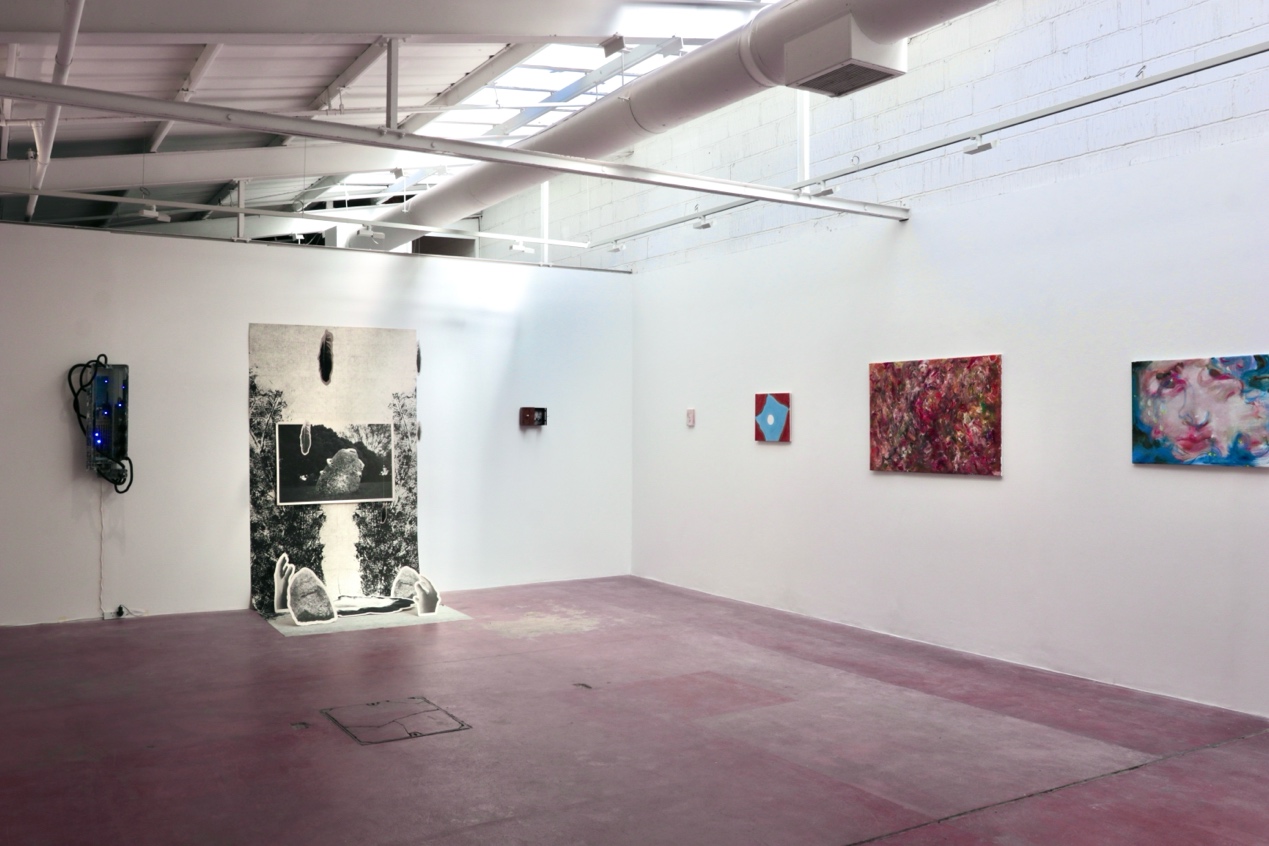
Lost in the Garden was a group exhibition presented by Huang Contemporary from 24 to 28 September 2026 at 1Greatorex Street, London. It was an exhibition about losing and finding one’s way, bringing together eighteen artists from different countries, cultures, and creative backgrounds. Their works offered a diversity of perspectives, inviting viewers to experience a creative form of getting lost in an era full of discipline and predetermined paths, and to seek new possibilities within it.
The word garden is contradictory from its very etymology. It comes from the Old Persian pairidaēza, a compound of pairi (around) and daeza (wall), meaning an enclosed space: a natural area that is demarcated, enclosed, and managed by humans. The word later evolved into another meaning: paradise, a promised place of freedom. The garden is therefore both a product of order and a metaphor for freedom.
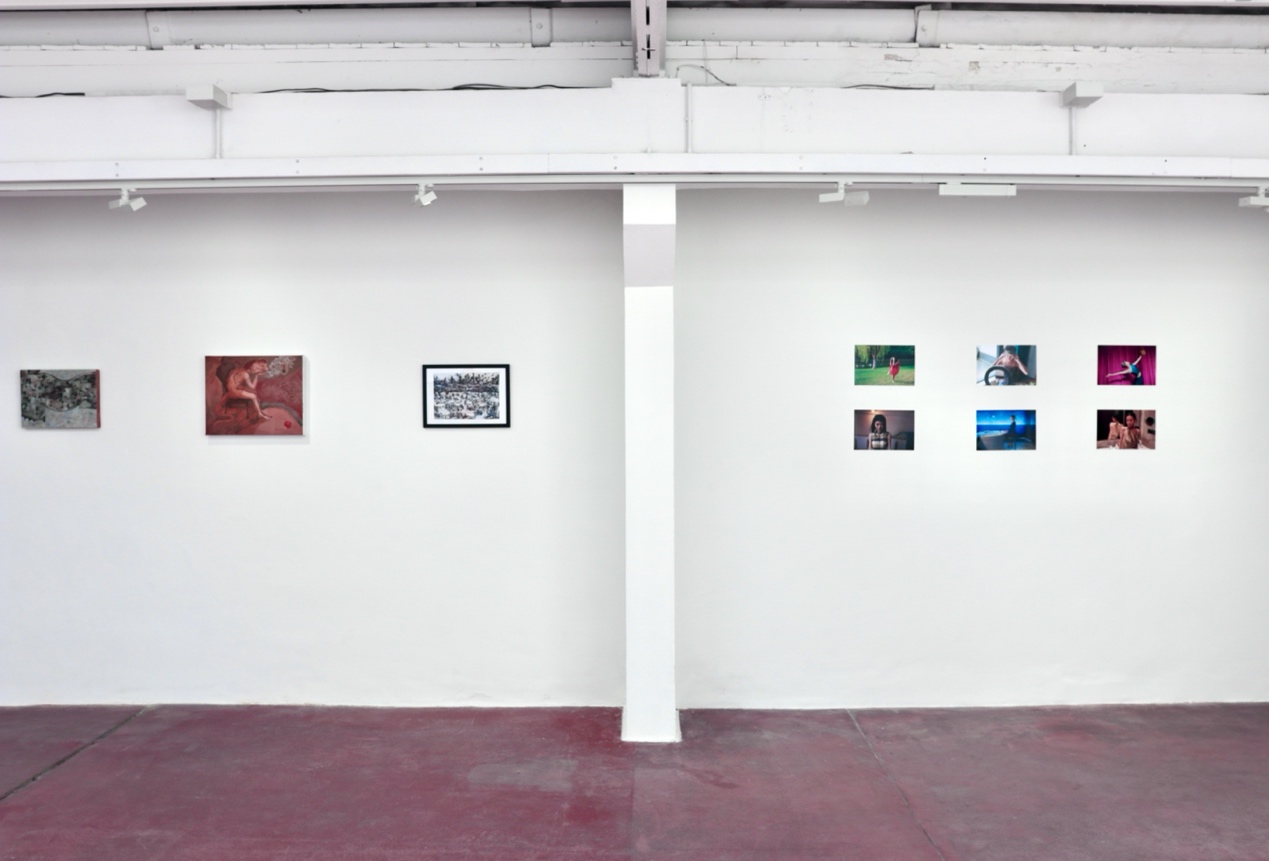
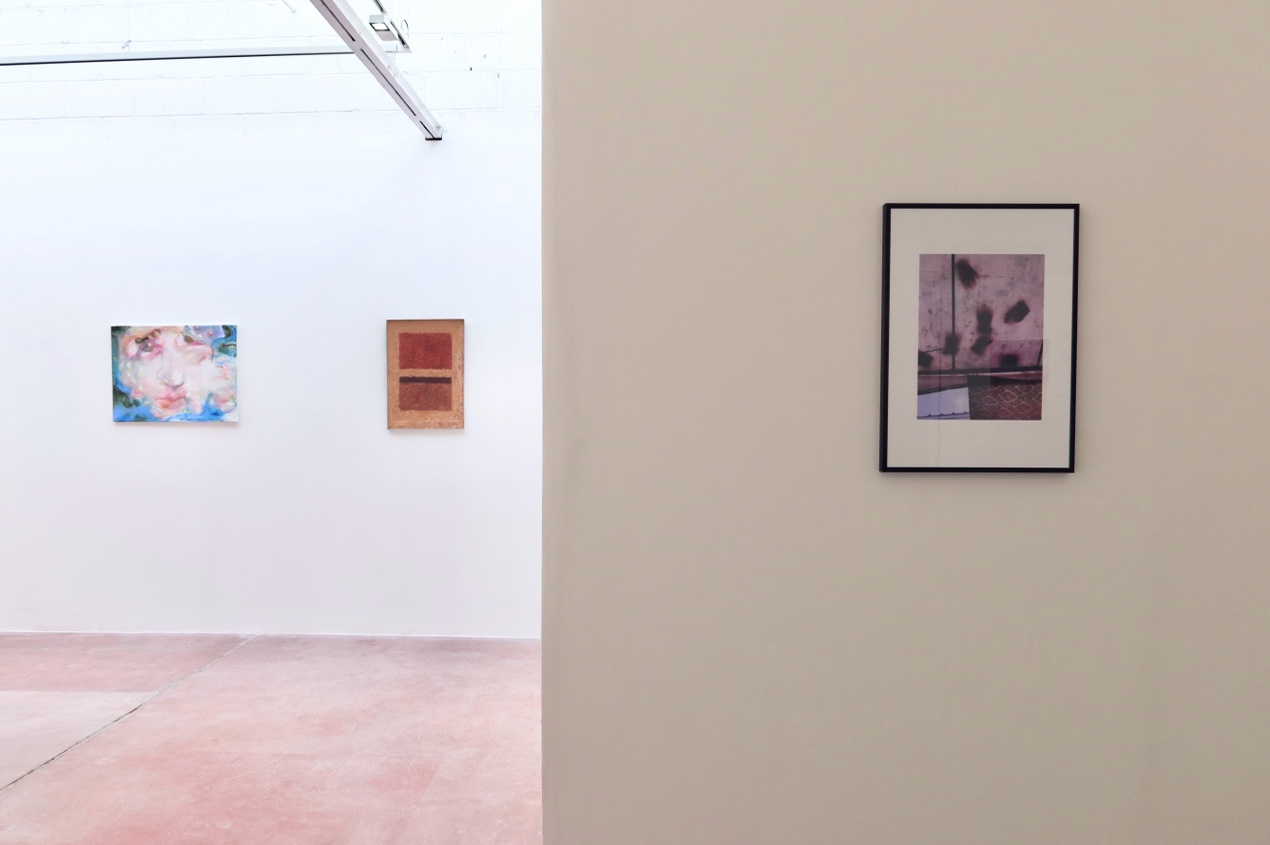
From left: works by Xufei Qiao, Aimee Xiao, Keyu Hao and Adam Ziyu Gong
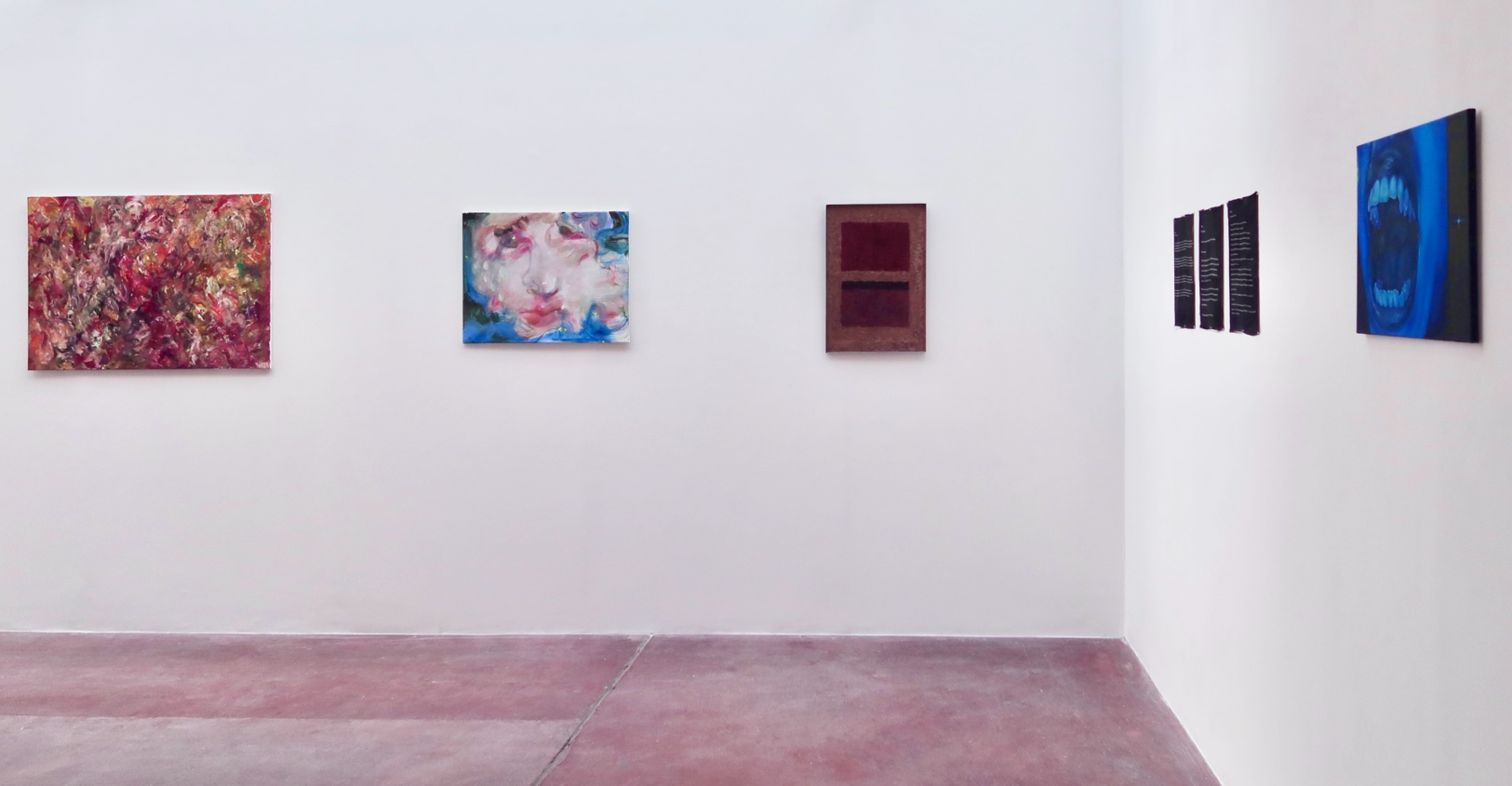
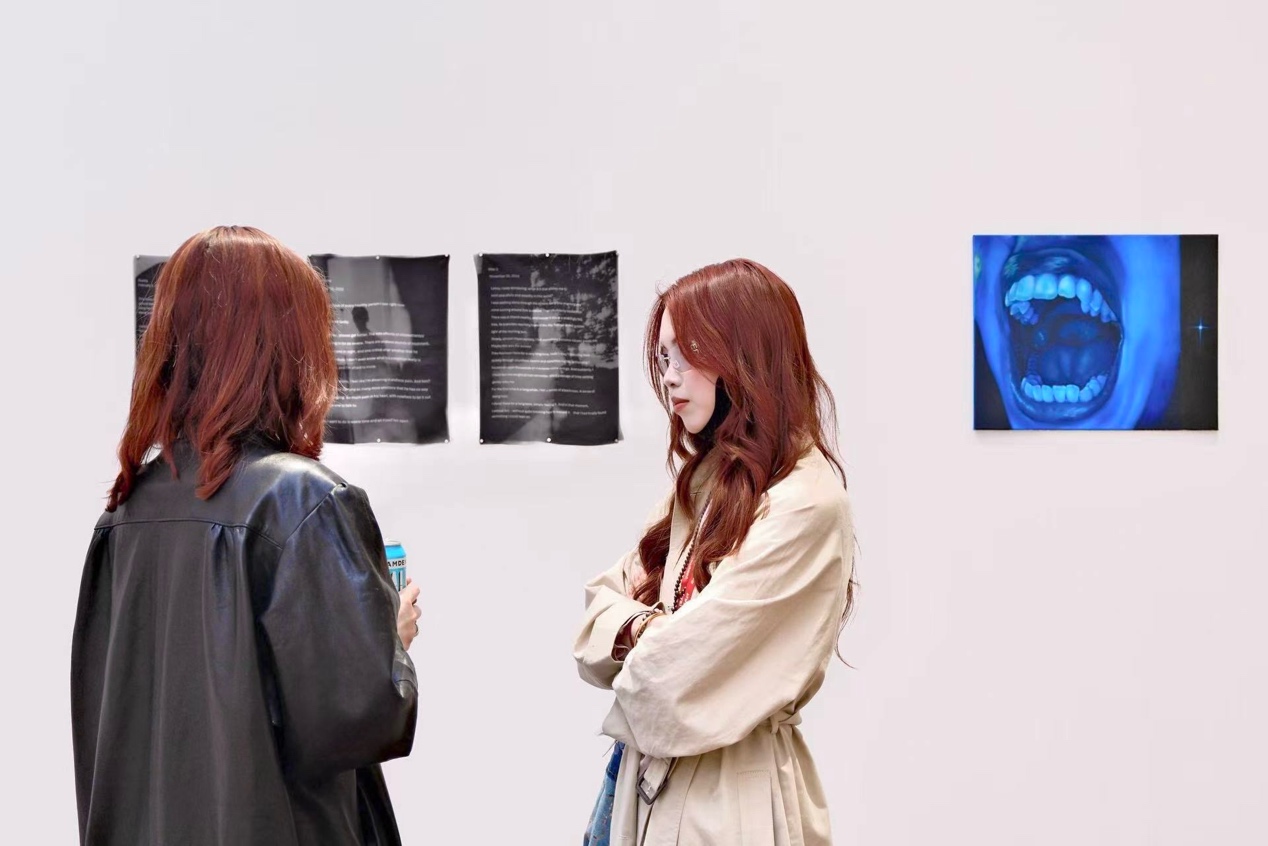
From left: works by Anna Xiang, Minhua Wang, Caiwei Zhang and Renoshni Nazareth
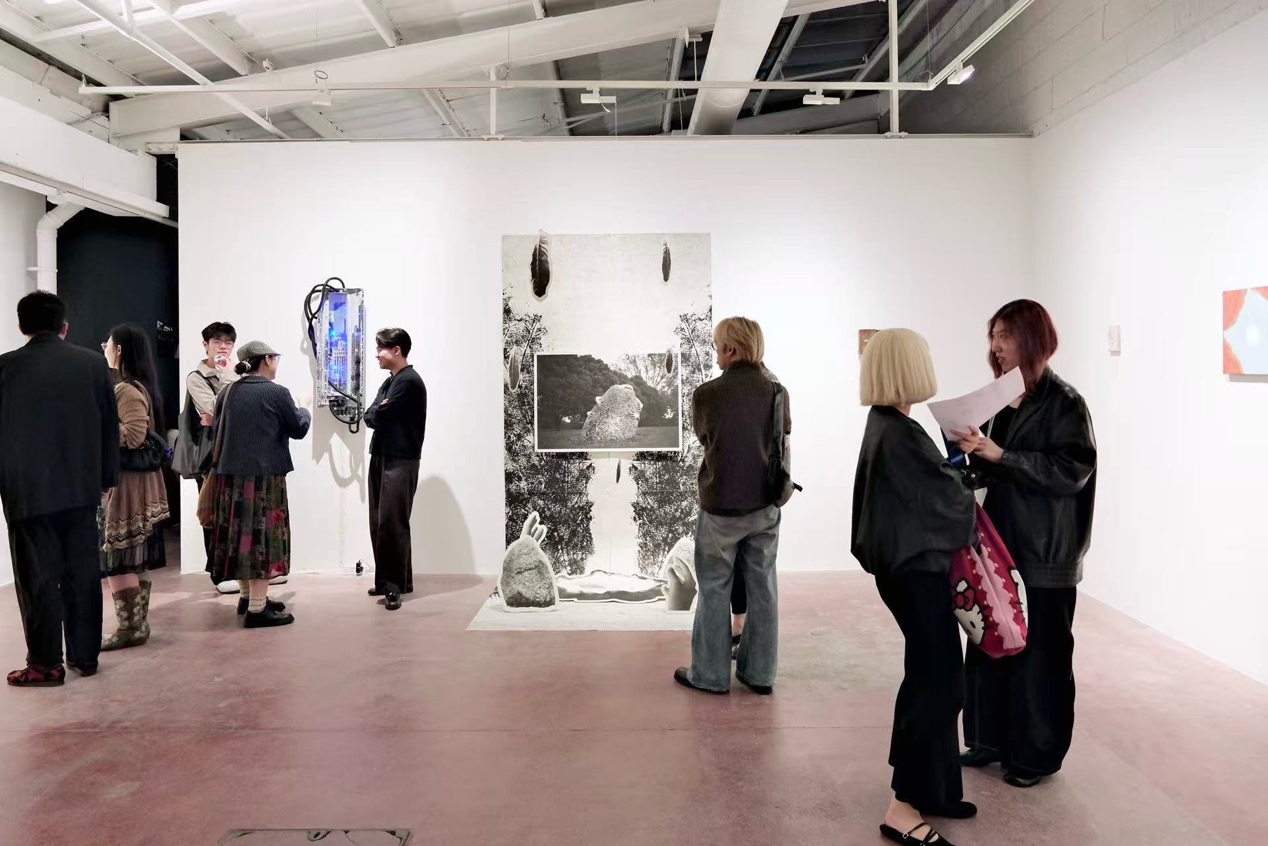
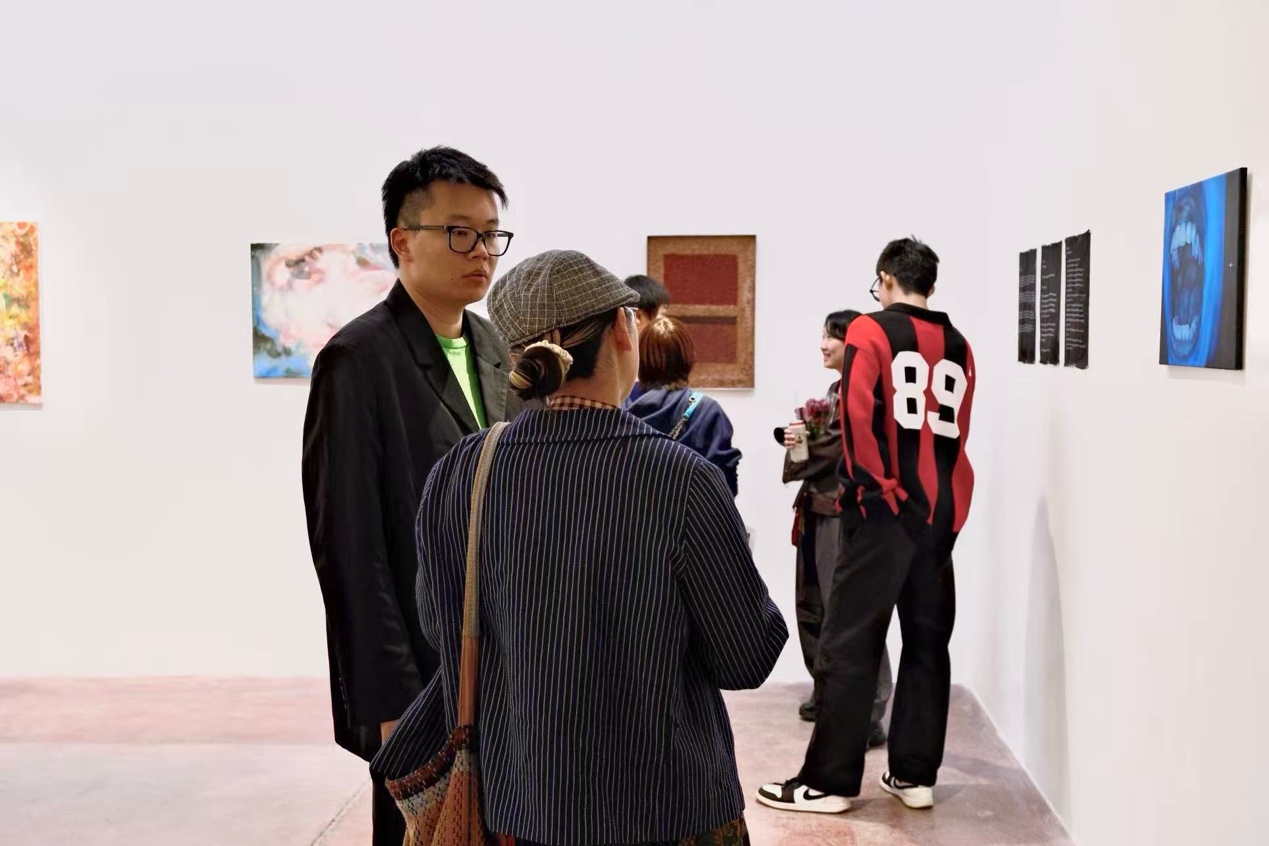
Lost in the Garden took place within a conceptual garden. The venue, located on Greatorex Street, London, was formerly a clothing factory. Entering the gallery required passing through a narrow, dimly lit corridor, which induced a slight sense of disorientation before the space suddenly opened up, with sunlight slanting in through the tall windows. The space itself carried a character that had been planned and then reactivated. What the exhibition ultimately presented was a more universal question: in a space that is planned and predetermined, how does one actively get lost? Within this framework, getting lost was redefined—not as a deviation from a so-called correct path, but as a shift in positional relations. The exhibition provided no preset route or signage; viewers turned, paused, looked back, and took wrong turns. They were active walkers. As Michel de Certeau writes in The Practice of Everyday Life, the walker rewrites space through the movement of the body, thereby actively escaping established paths and reactivating autonomy.
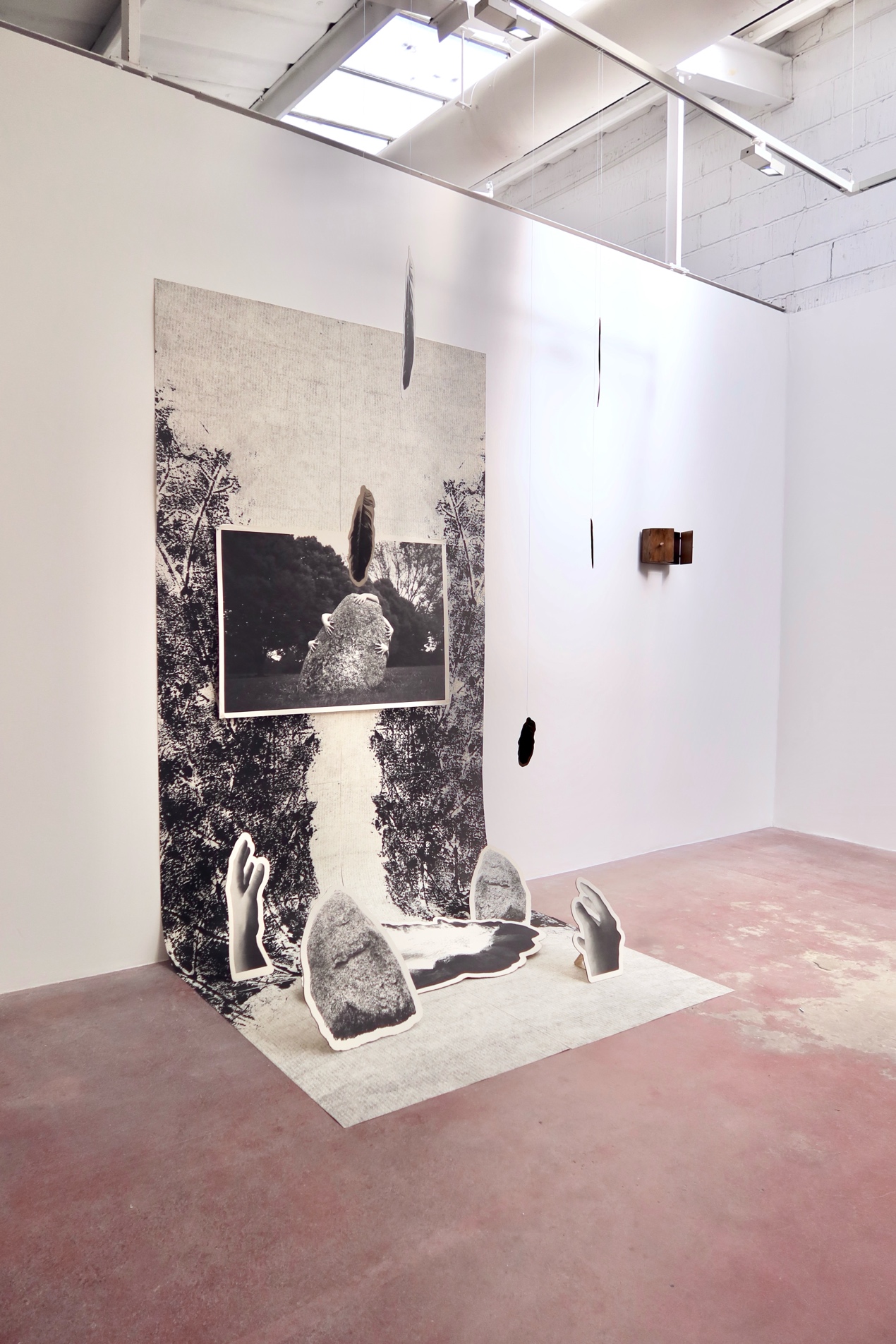
Even without any directional guidance, you would inevitably be drawn first to Shuyan Liang’s The Day I Walked Deep into the Forest. This was a large-scale mixed-media installation. Through flat photographic elements, it constructed the illusion of a man-made natural landscape, appearing as a forest that had been compressed and transported into the space. Foucault once described the garden as a heterotopia, a strange space that is real yet outside of all places—the smallest parcel of the world and, at the same time, the totality of the world. This work was that parcel. It made you believe you had walked into a forest, but what you had entered was in fact an idea about a forest. Shuyan Liang approaches image and memory in the same way: she does not treat the image as a fixed record, but as a way of reopening what can still be seen, believed, and remembered.
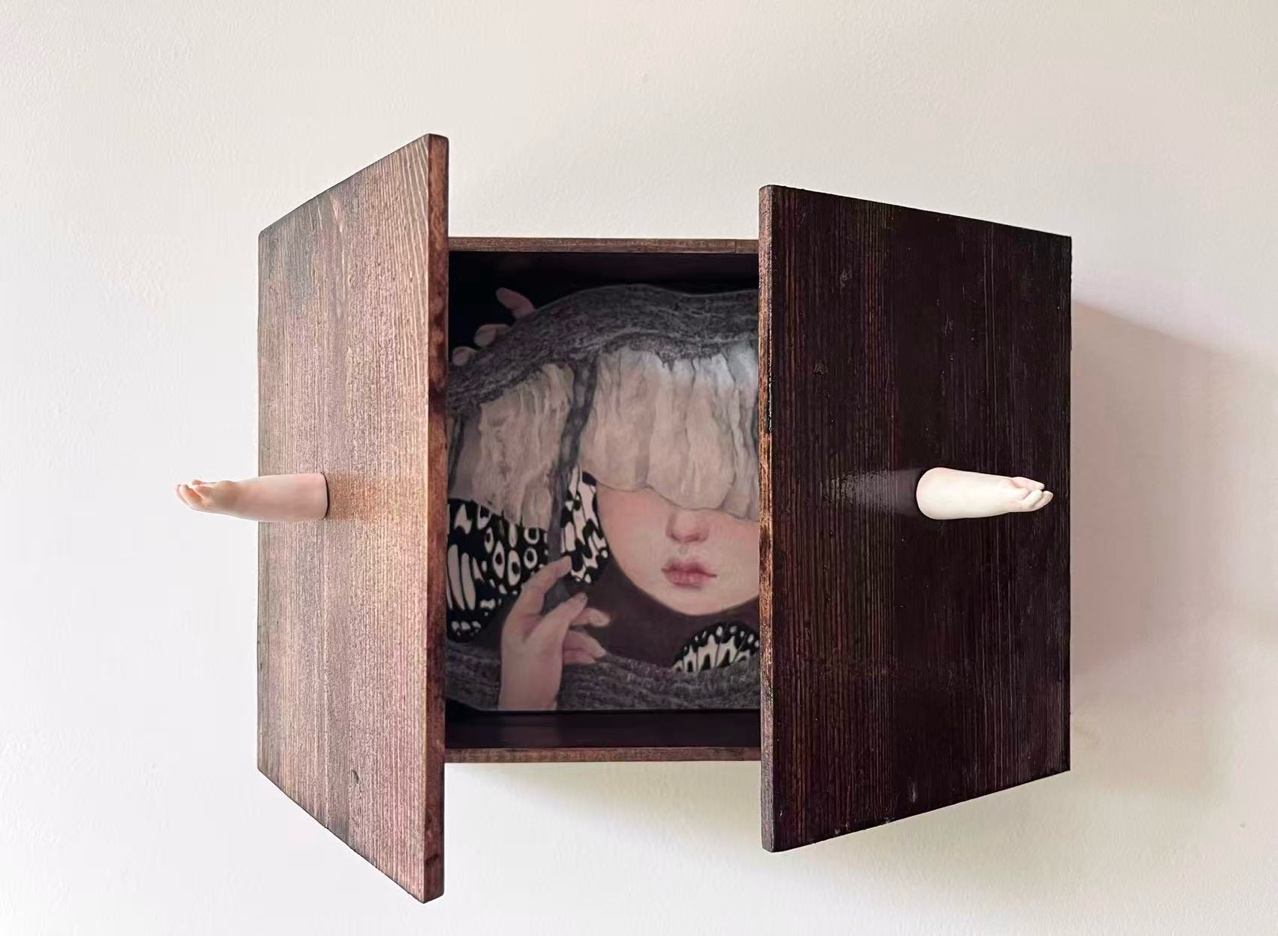
In contrast, beside it was Lei Lei’s Touch, a small-scale installation (24 × 17 × 6 cm), like a forgotten drawer box. You had to come close, bend down, and bring your face near it to see what was inside: traces left by ceramic, coloured pencil, and charcoal on paper, and a hand reaching out from the edge of the image, touching something that cannot be named. From Shuyan Liang’s large installation to Lei Lei’s small box, the viewing distance was sharply compressed—from circling to leaning in, from spatial experience to private contemplation. Walking here was no longer about passing through space, but about reorganising the relationship between viewer and work.
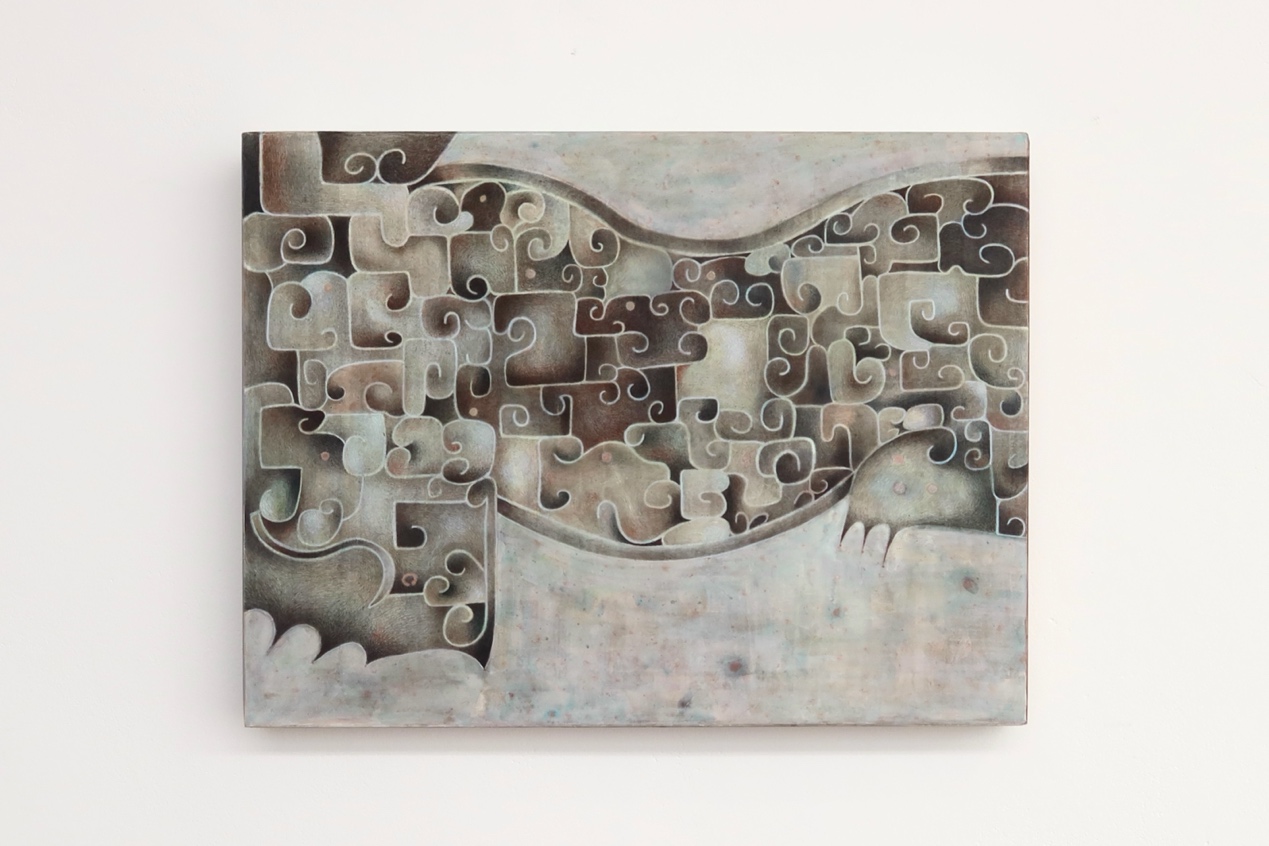
Xufei Qiao’s Jade Tiger No.1 was an egg tempera painting on wood. The patterns within the image were dismantled, reassembled, and allowed to spread, like a garden out of control, like a memory repeatedly revised, and like the rebirth of traditional motifs after being detached from their original context. Deleuze and Guattari proposed the concept of the rhizome in A Thousand Plateaus: it has no centre, no hierarchy, no single entry or exit; it can grow in any direction, branch at any moment, and regenerate after rupture. Xufei Qiao’s painting was rhizomatic—those motifs belonged to no single fixed tradition; they spread across different cultures and took root anew. At the same time, the work punctured an illusion: you thought what you saw when you entered the garden was nature, but what you saw was a nature that had been repeatedly encoded by thousands of years of culture.
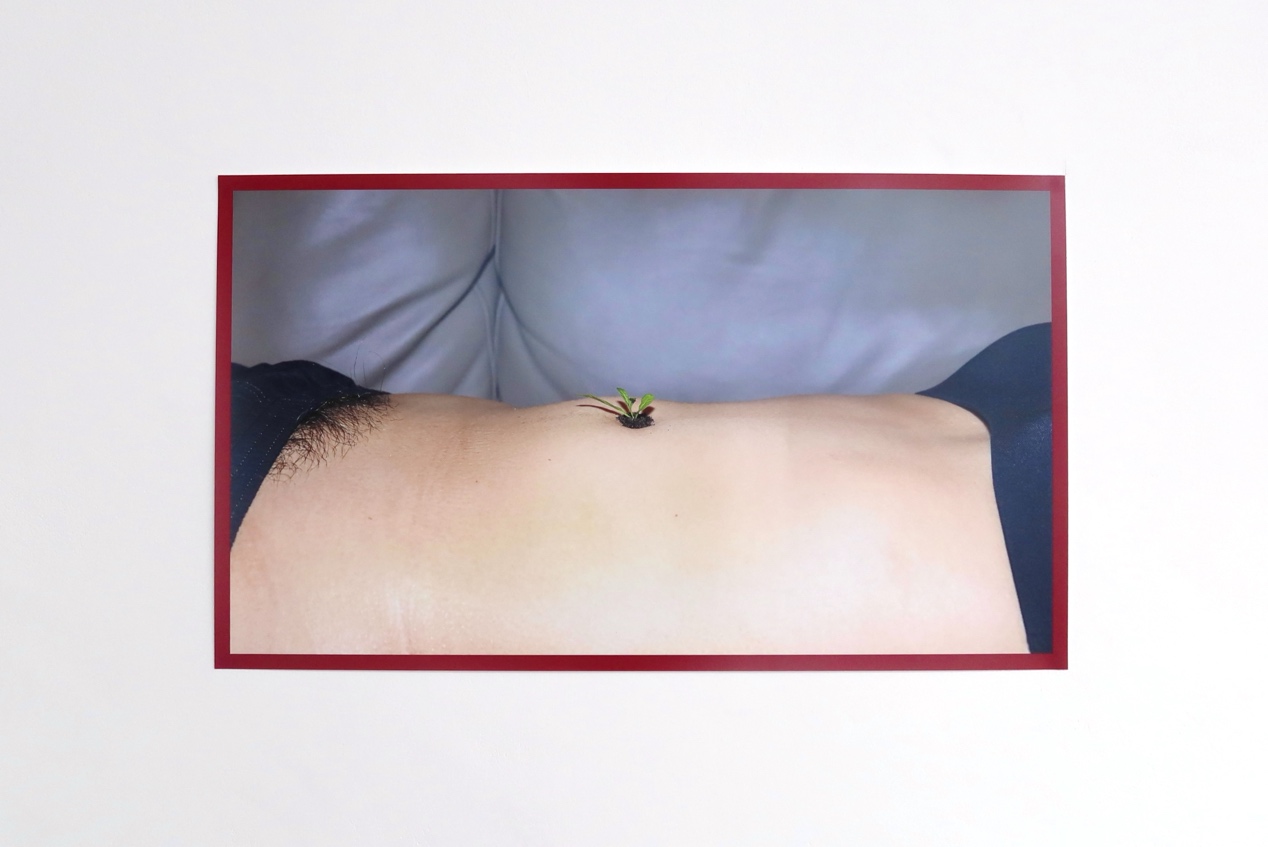
Ying Qian’s photographic work Plant Blindness focused on urban vegetation—both a product of human planning and pruning, and a quiet force of resistance. Through abstraction and duality, the work created a space in which perception was suspended: the boundaries between presence and absence, reality and illusion, became uncertain. The work pointed to the most fundamental contradiction in the garden metaphor: the garden is planned, but plants never fully obey the plan. Ying Qian translated this invisibility into a visual metaphor, allowing what is usually overlooked to reappear within the frame.
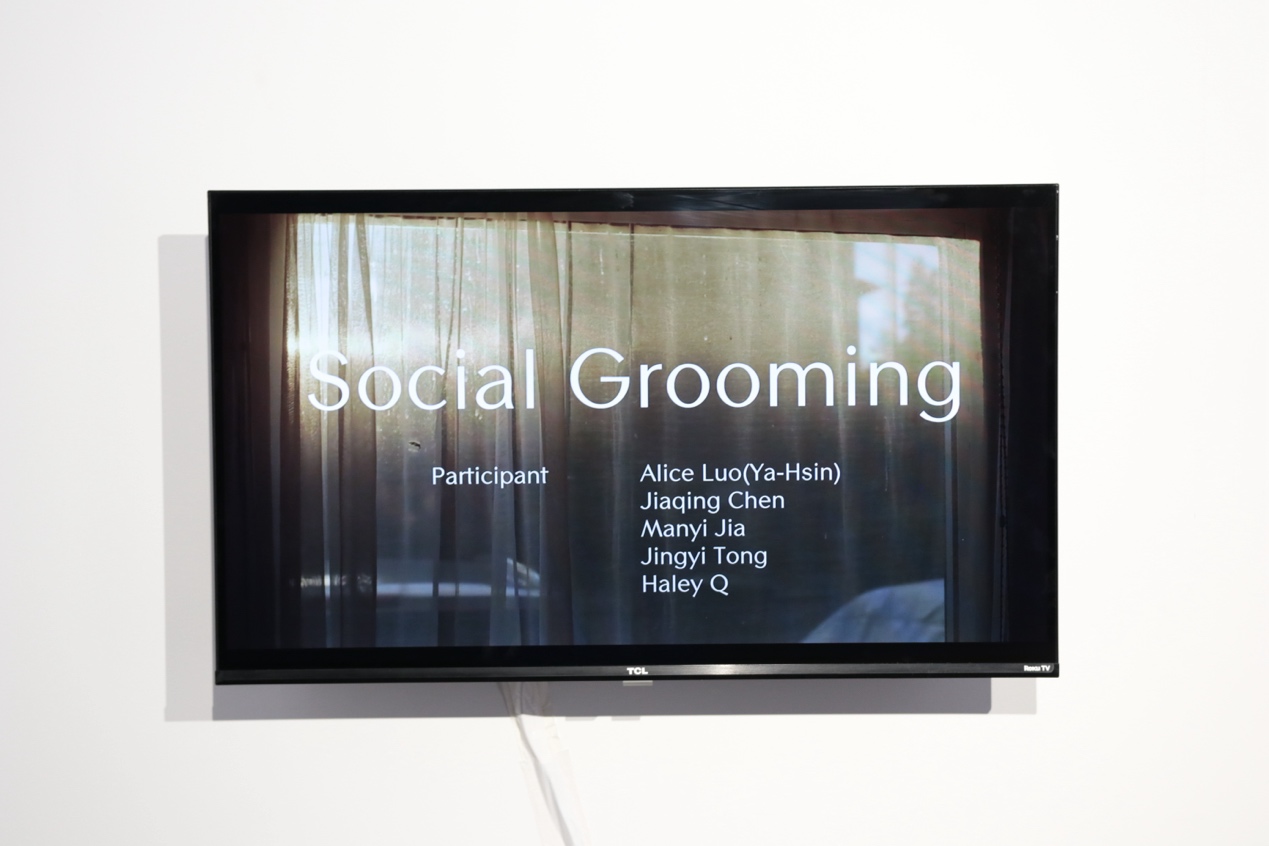
As for Jiawen Zin Zhang’s Social Grooming, this two-channel HD video work documented the artist cutting the hair of several female friends. Haircutting is an everyday act, yet it also involves trust and an intimate connection; during the process, language became relaxed and topics turned private. Placed in a corner of the space, the work invited viewers to stop and watch. Within an exhibition about getting lost and autonomy, this work offered a different experience: spending a period of time without a clear direction, in the company of others.
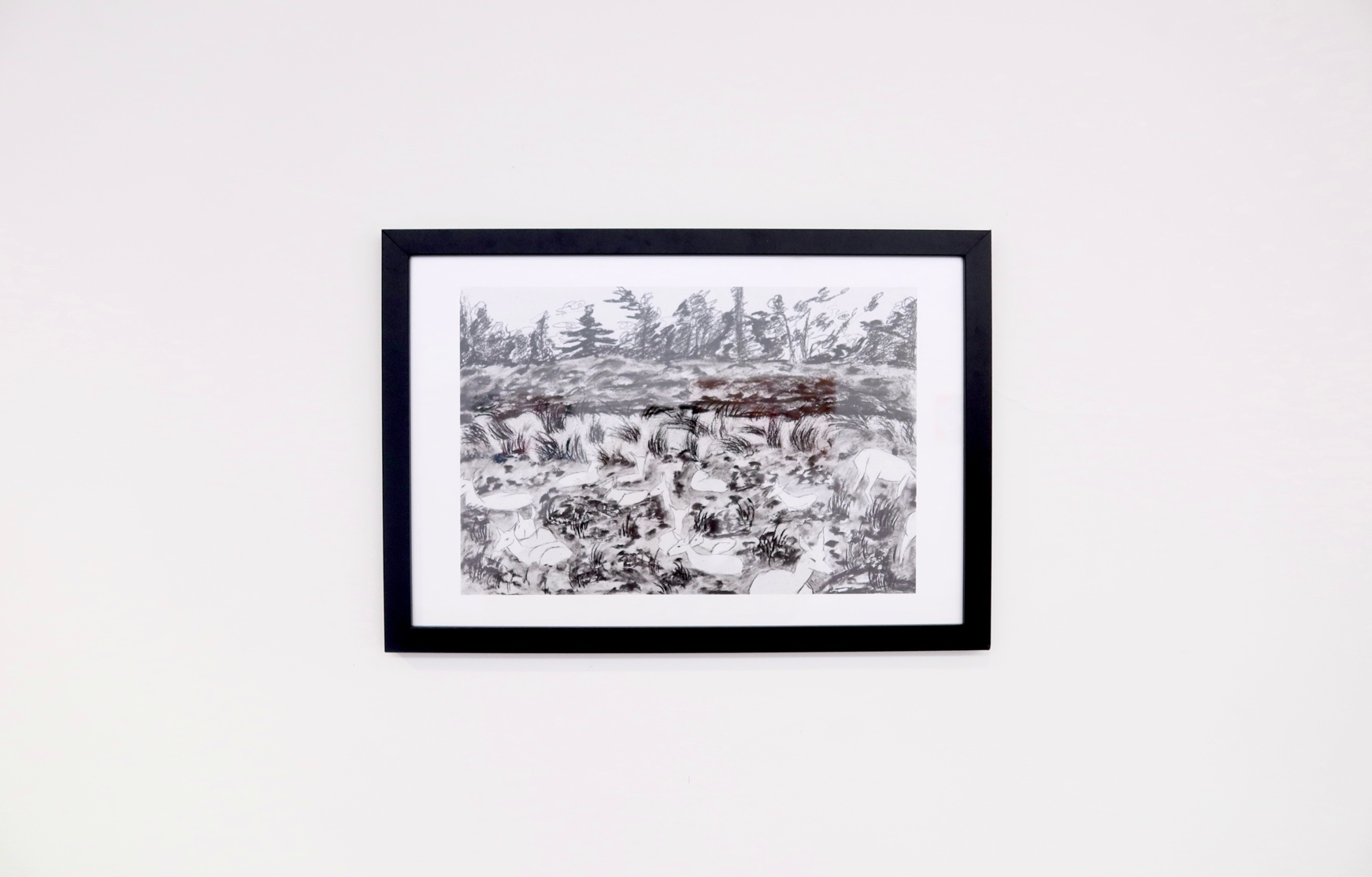
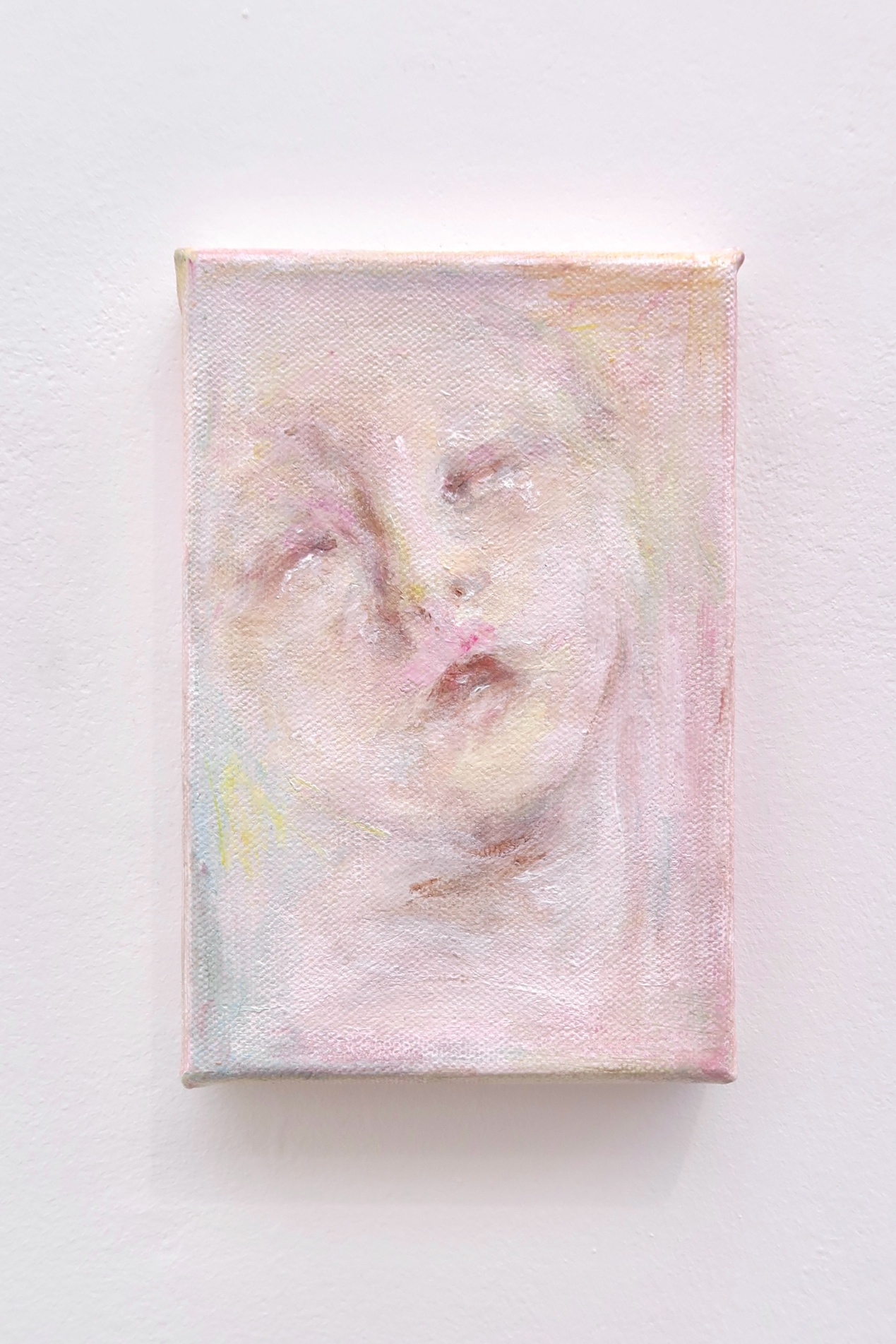
Other works were more like plants growing quietly in the garden. Keyu Hao’s My Day was easily missed; its colours were unassuming, like a chance encounter—you stopped, and the image began to unfold. Taichun Zheng’s Self-portrait was a self-portrait only 10 cm in size; it simply existed, at a scale that demanded you come closer. In an exhibition about losing one’s way, this small self-portrait pointed to another kind of disorientation: when you look at yourself too closely, or not closely enough, you also lose the familiar self.
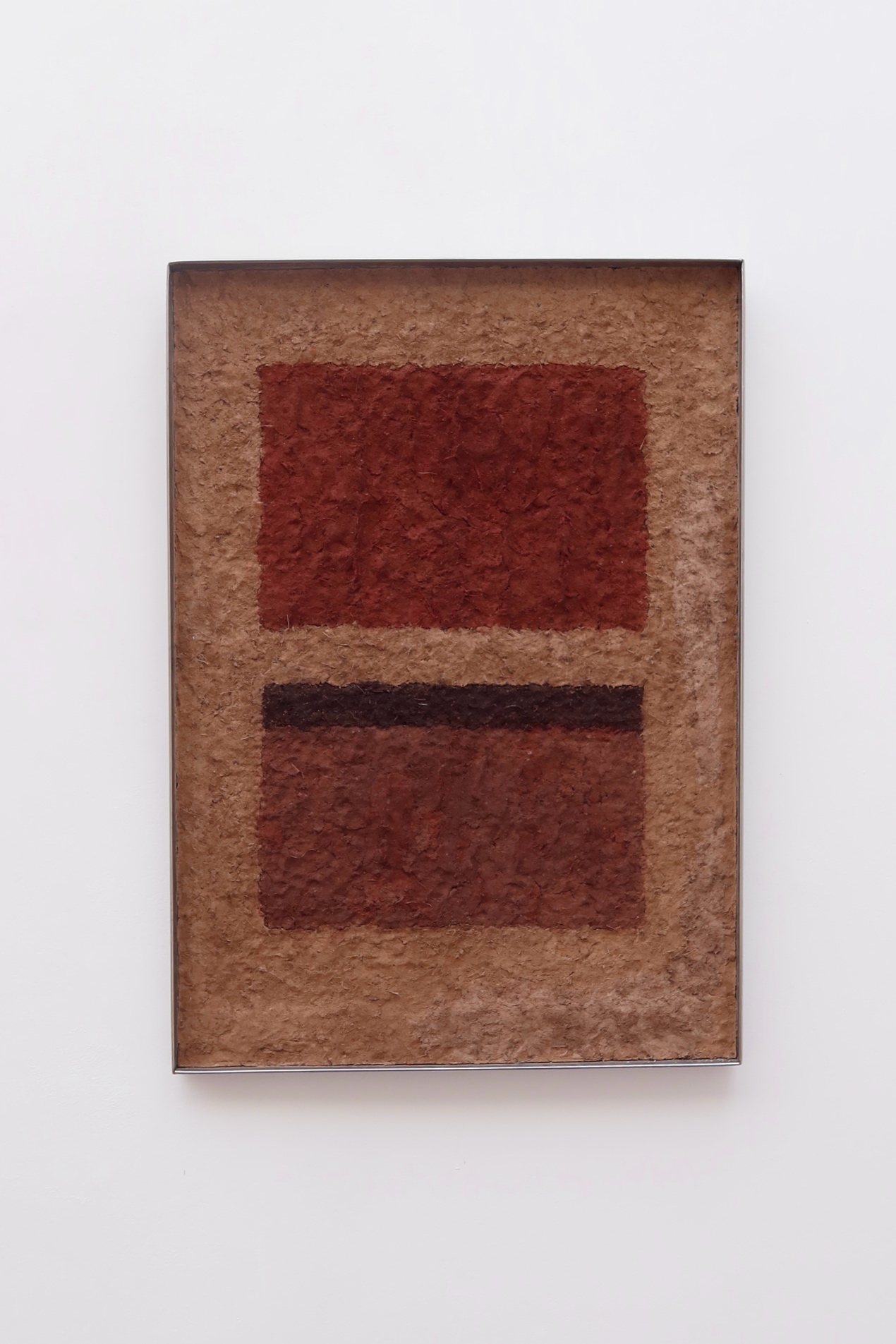
MinHua Wang’s Once Removed From The Soil was composed of plant fibre, sticky rice flour, botanical dyes, and metal. The materials were intriguing, and they were intimately related to the garden—plants, soil, growth. The work spoke through its materials rather than depicting them.
The challenge of the exhibition lay in the practical operation of the concept of getting lost. An exhibition is a framed space; when viewers entered, they already knew they were there to look at works. They knew there were paintings and photographs on the walls, and installations in the space. This knowing was itself a form of navigation. An exhibition could provide the conditions for getting lost, but it could not produce the act of getting lost itself, nor could it produce autonomy. Getting lost does not equal autonomy; it may also simply be disorientation. The questions the exhibition raised may be more valuable than the answers it provided. It honestly attempted getting lost within space, and opened a gap. The rest was left to those who walked in.
Lost in the Garden
24–28 September 2026
Huang Contemporary, 10 Greatorex Street, London, UK
Featured Artists:
Adam Ziyu Gong, Aimee Xiao, Amandine de Mascarel, Anna Xiang, Caiwei Zhang, Chujun Hu, Faderera Wahab, Jiawen Zin Zhang, Keyu Hao, Lei Lei, MinHua Wang, Renoshni Nazareth, Shuyan Liang, Taichun Zheng, Xi Luo, Xufei Qiao, Yanxiao Liu, Ying Qian
Curator:
Hui Qi
Huang Contemporary Presents

