For much of the 18th and 19th centuries, there was no more powerful institution in the art world than the Paris Salon. Established formally in 1667 under the Académie Royale de Peinture et de Sculpture, it began as a showcase for the Academy’s own members before gradually becoming, by the 1800s, the most important annual event in the Western art world. To win a medal at the Salon meant securing commissions and collectors, and forging a stronger career path.
The Academy that governed it demanded several elements from artwork, including technical refinement, moral seriousness and subjects drawn from history or myth. Those standards produced astonishing work, and just as reliably, resistance. What broke the institution was cumulative – Napoleon III opened a parallel exhibition in 1863 to house the works its jury had rejected, while the Impressionists began organising their own shows through the 1870s. The jury-free Salon des Indépendants arrived in 1884, and, by the end of the century, the Academy’s monopoly on taste was gone.
Before that rupture, though, the Salon was where the serious painters were – while all four below are worth getting acquainted with, each offers a unique joy upon discovery.
1. William-Adolphe Bouguereau (1825-1905)
Glowing and seamless, Bourguereau’s 19th century portraits offered a mix of mythological figures and peasant girls rendered with a hallucinatory aura. After winning the Prix de Rome aged 25, he became one of the most celebrated painters in France and was later dismissed by the modernists so thoroughly that his reputation spent most of the 20th century in storage. That rehabilitation has been well underway for some time, and rightly so. Whatever one makes of the subject matter, the technical achievement is staggering.
2. Jean-Léon Gérôme (1824-1904)
Gérôme travelled extensively in Egypt, Turkey, Palestine and the American West, and brought back paintings his contemporaries received as documents but that scholars now read as complicated fictions. His Orientalist canvases are visually extraordinary and historically fraught in roughly equal measure, which is why they remain so interesting. Later in his career, he turned to polychrome sculpture, questioning the boundary between painting and object.
3. Henri Regnault (1843-1871)
Regnault is the discovery here, and one of the more heartbreaking figures in 19th-century French art. He won the Prix de Rome in 1866 and spent the following years producing portraits and historical paintings of fierce colour – his Summary Execution Under the Moorish Kings of Granada, painted at 27, has the impressive scale of a history painting. He died that same year, shot during the Siege of Paris in the Franco-Prussian War. Very little about him has been written in English, which makes encountering his work for the first time feel like a refreshing find.
3. Jules Bastien-Lepage (1848-1884)
Associated with the beginnings of Naturalism, Bastien-Lepage spent much of his short career painting the rural landscapes and labouring figures of his native Lorraine with an attention to light and atmosphere that pointed toward plein air painting. His influence on the generation that followed him, particularly in Britain and Scandinavia, was considerable. Émile Zola’s intriguing perspective on Bastien-Lepage’s art is “impressionism corrected, sweetened and adapted to the taste of the crowd.”
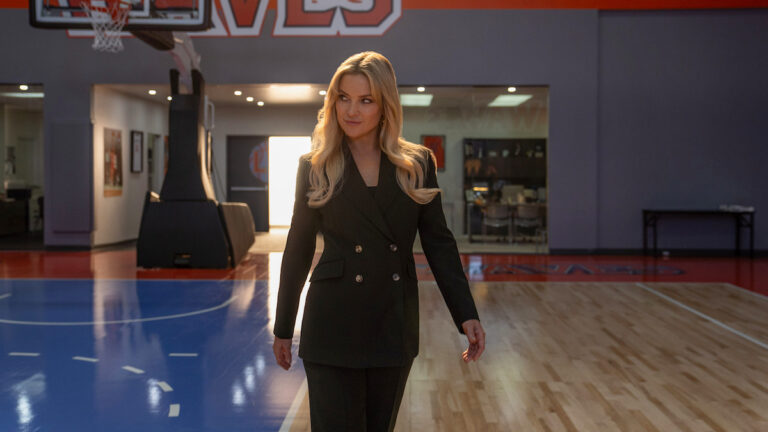
The Kate Hudson sports comedy Running Point is back with season 2, and it’s just as charming as you remember. In fact, it’s the perfect watch for a lazy weekend, when all you want to do is relax and laugh out loud at the shenanigans on screen.
If you decide to tune in, you’re not alone. With 5.3 million views in its first week, the comedy is currently the second most-watched show on Netflix, as well as the #1 show in three countries. Does this mean we should expect a season 3?
Running Point Season 3 Release Date
At the time of writing, Netflix is yet to renew the show for more episodes. The platform occasionally waits a while before deciding either way in order to assess viewership. Since the second season debuted recently, all we can do for now is wait and see.
As long as it gets the green light, Running Point season 3 could arrive in early 2027.
Running Point Cast
Kate Hudson as Isla Gordon
Drew Tarver as Sandy Gordon
Scott MacArthur as Ness Gordon
Brenda Song as Ali Lee
Fabrizio Guido as Jackie Moreno
Chet Hanks as Travis Bugg
Toby Sandeman as Marcus Winfield
Justin Theroux as Cam Gordon
Jay Ellis as Jay Brown
What Is Running Point About?
Running Point is set in the world of professional basketball and mixes workplace chaos with family drama.
The story follows Isla, a former party girl who becomes president of the Los Angeles Waves, her family’s struggling basketball franchise. Thrust into leadership after her brother’s scandal, she must prove that she’s capable of running a major team. It doesn’t help that Isla’s brothers often undermine her authority. Thankfully, interference only makes her want to succeed.
In season 2, brother Cam is back in the picture, claiming he wants to help. That said, he quickly proves more devious than anyone expected. Add romantic uncertainty and team struggles into the mix, and the stakes are high for both Isla and the Waves.
Luckily, there are plenty of celebrity cameos and funny one-lines to keep things light. By the time the finale wraps up, Isla hopes better days are coming, before encountering fresh twists.
Running Point season 3 will likely pick up from there, tracking how Isla deals with new rivals. Her romantic life will also be tested, so we can’t wait to see whether she comes out on top.
If you’re unfortunate enough to have recently scrolled through the platform currently known as X, you may have stumbled upon ads for dark web monitoring services offering to evaluate whether your personal information has been leaked. It stokes a pervasive internet-age fear that such a thing, in fact, is already happening to you, as if the very fact of your data being sold to capture your attention isn’t already a form of stealing. You may or may not believe that music writers such as myself get impersonated by scammers charging for coverage (sure, this famously elusive band has been dormant for over a decade, but they’ll respond to your invoice), just like you may or may not believe the premise behind Theft World, Lip Critic’s monstrously riveting new album. Frontman Bret Kaser’s identity was purportedly stolen while the Brooklyn quartet was writing the follow-up to their 2024 debut Hex Dealer; the thief turned out to be a devoted fan who believed he’d cracked the code to the band’s loosely conceptual universe. For a record that toes the line between absurdist fantasy and depressing realism, that origin story is almost too good, but the frenetic machinations of the record itself are even better: a melting pot of delirious characters, adrenaline-fuelled propulsion, and ingenious experimentation. Outlandish or not, it drives home the same truth: It’s happening to you right now.
We caught up with Lip Critic’s Bret Kaser to talk about the Internet Archive, a Banksy documentary, Stalker, and other inspirations behind their new album, Theft World.
Internet Archive
We’re huge Internet Archive heads, we’re huge open access media people. We basically grew up pirating everything. We’re all mid-20s people that grew up out of the ‘90s. When it came time to try and record music, all the software was just too expensive. We were trying to make, you know, Skrillex music, Deadmau5 stuff, and you could get a crack of Ableton really easily, and you could get all these Omnisphere patches and Serum stuff, a bunch of drum packs. As an adult, where things have become a little more legitimate, I still find myself leaning on these bastions of open-access media. It used to be stuff like uTorrent and Pirate Bay, and now it’s — I mean, I don’t even wanna blow up the real good ones.
But a lot of the stuff on the Internet Archive is so cool, because it’s public domain. There was a ton of audio in there that was super inspirational. There were a bunch of interviews with people that had worked on Mount Rushmore, people that had been working in these big public works projects that were being interviewed, construction people and architects. And a lot of weird sample packs that were on DVDs – this just came up with the last Oneohtrix Point Never record. I have a bunch of them that, coincidentally, are actually Greek, these DVDs that would have all these drum packs on them, CDs as well, that you could download stuff that were coming off of these Akai samplers. People would just put grooves together, and then put them on these discs and sell them. They’re all so weird, because they were mass-produced by, essentially, not musicians, so it’s just people going “Disco Groove,” and then they’ll put in some insanely fast drum pattern and these early MIDI bass things. The actual record itself doesn’t have a ton of the samples. A lot of them we remade, or they were in demos, and then we ended up having the drummers replay a lot of this stuff, and used it as flavor inspiration more than direct samples.
But the Internet Archive is such an important thing for the world right now, and it’s under attack at the moment. It’s so important archiving all this stuff that is so ephemeral, that is so ready to just get deleted. As soon as some new version of something comes out, the old version is just gone in the digital world, so it’s really important to have back cataloging, Wayback Machine, all this stuff where we can retrace the steps of things that don’t really have a legitimate footprint on the internet.
I do remember that being a big talking point with the last Oneohtrix Point Never record, Tranquilizer. But that came out late last year, so I’m guessing the record was done by then.
Yeah, we had been done when that one came out. We basically finished the record in September, October of last year.
How would you say the non-musical ephemera you stumbled upon seeped into the ideas or structure of the album?
I like saying the records are kind of like media tiramisous, these layers of things – a lot of them are not musical. Things that we really love sampling and that we like to work with are tones that would be for something like an elevator, or the buttons of an ATM are sampled a ton on this, because they do different notes and they have all these different sounds – they’re kind of these weird, diegetic synthesizers that just exist around us. We were just filming a video in Atlantic City, and a bunch of the slot machines allow you to select how much money you’re putting in, the denomination, and how loud it is, and each of these things have a little different sound quip thing. So we had multiple people messing with the buttons to try and sort of play them like synthesizers.
There’s one that was really good of a guy, one of these dudes who worked a jackhammer on Mount Rushmore, where he had this patter to his voice that was very musical. You put it into a slicing sampler, you take this sentence, and you chop each morpheme and phoneme up on a key, it ends up being this weird microtonal synth that you can’t really play like any other instrument. It’s like a new instrument. We would find little things and end up forcing them to be musical, bending them a little bit to where, like, “Oh man, I got a four-note keyboard out of this guy’s sentence.”
Ecological collapse
It’s Earth Day, so it’s fitting that we’re talking about this.
The whole record is about this idea of the yin-yang of stealing, the concept of theft, how it’s very pervasive in the world. It comes down to small things, like your attention span, housing prices, inflation, all these things are becoming more expensive. Things being taken from you without you having any say in it. It feels like an increasing idea, where everyone in our generation’s like, “Well, I’ll never buy a house, yet I’m working, a full-time job, and I’m doing gig economy work, and I just can’t get there.” It’s that concept of housing security or something has been stolen out from under us. And our attention spans, same thing, where we’re just pelted with advertising and algorithmically personalized content machines that are just made to farm our attention.
The bigger scale of that is something like our future is being stolen away from us. A lot of us that are coming up, even the Gen Alphas, the little iPad kids that are growing up now, they’re being born into a future where people have had control over it who do not care about that future. It’s the oil lobbyists, and it’s the multi-billion-dollar corporations now that have a stranglehold on the future of the livability of the Earth. And we’re out here trying to basically do our best to live inside of it, and affect it, but at the end of the day – you have to try, but it is extremely hard without the power structures going along with it. Obviously, oil is a huge one that essentially controls most of the movements of the entire Earth, in my eyes. When we say, “Hey, we need to look into alternative energy sources, we have to reevaluate how we’re interacting with the product as a whole,” all those massive power structures, those corporations, governments, all go, “No,” and then the world continues.
That was a prevailing theme: these characters on the record that are like, “Man, I’m so attention-farmed by corporations, and I’m so broke, yet I’m still working.” And then they’re like, “Who even cares, because I don’t even have a future in the first place to ready myself for.” It’s grim, and I do think that, despite all of it, we are hopeful as a group of people, the band. We’re hopeful about trying to turn stuff around as much as we can. But it definitely was a theme that seeps into everything that I do, this prevailing dread about, how do we fix this? How do we kind of unscrew the situation that we’re in when it seems so daunting?
One thing that’s interesting to me is that some of the most cutting words on the subject are spoken, not screamed. These lines on ‘Debt Forest’ about “all the mycelium scorched from earth/ The spore still asleep under the dirt, the cow is just the unmade purse/ Best believe I know its worth.”
That’s very perceptive. I definitely rock with doing that in lyrics, where a lot of the stuff that feels more emotionally potent ends up being hollered or screamed. But then there’s almost this Trojan horsing of some of the more elastic, quippy lyrics being the ones that I’m trying to make very targeted – less emotional and more precise-feeling. So, the line “That’s enough oil for 200 years/ Right on the west side of Texas is/ Turning into unraveled stitch/ Cough into white handkerchief” is a deep-cut reference to a Mitt Romney-Barack Obama debate from 2008. That would have been his re-election. It was talking about energy independence, and Mitt Romney said, “We should be able to drill in all of our national parks, we have oil in the U.S,” and he says, “There’s enough oil for 200 years on the west side of Texas, all we have to do is turn half of Texas into oil fields.” [laughs] And you’re like, “How short-sighted is that? Are you only worried about the next 200 years?” We should be thinking about maybe a couple more generations down the line before we’re like, “Hey, let’s destroy the entire country and all of our national parks.” But yeah, a lot of it is meant to be extremely fun to listen to and engaging, and then if you want to spend the time to dig into it, it will be fruitful. It is 100% ecstatic party music, and cathartic music is our goal, but it also is something where if you want to get real Rate Your Music about it, and go on Genius and put everything in, we are thinking about each line quite a bit. Nothing is a gimme on the record or just put there as filler. Everything has an intention behind it, and a connected meaning to the other tracks.
The Banksy documentary Exit Through the Gift Shop
Well, this is kind of goofy. It’s a Banksy documentary, but I saw it, and Connor, who also produces, saw it when we were really young right when it came out. Maybe we were 13 or 12 when we watched. It’s basically this Italian guy who is documenting all of these street artists, and then he ends up coincidentally running into Banksy, and he gets obsessed with him. He videotapes a bunch of his really big pieces that are being done, like the Guantanamo Bay Disneyland piece that gets him arrested. And then he breaks off from Banksy, and he just starts being his own street artist, who’s named Mr. Brainwash, and rips every artist that he has documented for the last couple years, just rips off every idea, and puts on this massive show in LA. All of these LA brain-dead people bite on it, they don’t know the references and everything, and they’re like, “Yeah, this is awesome.” The guy ends up becoming exceedingly wealthy, and he still is an extremely highly paid artist.
It was one of those things that came up really early – it’s such a perfect concept of the yin-yang of stealing, how so many of these street artists are all about kind of referencing things in culture. Shepherd Fairy with Obey, he’s stealing this Andre the Giant image, he’s repurposing it, and then people start to steal his ideas, they repurpose them, and then Banksy starts repurposing all these other images of the Queen and the British pound, and he remakes it and does different versions. It’s all this kind of Andy Warhol pop art thing, and it’s symbiotic, everybody taking from everyone. And then here comes this guy who sees money in it, and he studies it, and he’s not a part of the culture at all. He’s never done graffiti. He’s not a graffiti artist. He owns a vintage clothing shop, and then he comes out and basically rips the whole thing off in this gallery thing, and it works. It’s such a beautiful, disgusting idea to me. And Banksy makes this documentary basically out of footage that the Italian guy shot about the Italian guy ripping everyone off, so he steals the guy’s footage to then make the documentary about the guy. It’s like a way of communicating: this is how we make art, it’s how we settle problems, by taking things and reinterpreting them.
Like you said, it’s a relatively old documentary, but I wonder if you rewatched it differently or if it made you think about this symbiotic relationship in your world of music.
Yeah, it’s totally the same thing. The amount of songs we love that we didn’t realize were samples of things – we just grew up listening to Wu-Tang, and then you listen to 36 Chambers, and every track’s got a sample on it, every track’s referencing something. The same thing goes for all the Skrillex and Deadmau5 stuff that we were obsessed with when we started trying to make electronics work. So much of it is referential to YouTube culture and video games, and it’s definitely a part of how we came up making stuff. We were just ripping beats off SoundCloud and trying to imitate them and figure out how Raider Klan was making those beats, trying to figure out how Skrillex was getting these sounds on Massive. This stealing and reinterpreting is definitely a part of our DNA is this stealing and reinterpreting.
Could you talk about your film-watching habits with Connor? Do you watch a lot of films together nowadays?
Yeah, definitely. Especially on tours, we’ll watch a good amount of movies together. Basically anytime we have an off day, that’s what we’re doing. When we played in Austin, we flew out for this thing called Halloween Freakend, and it was right when Bugonia had gotten released. We ended up going to Bugonia, and I double-featured it then with the Chainsaw Man movie. It’s kind of addicting, espcially when you find somebody that you really feel a kinship with, or some magnetism towards it. I felt that with Pedro Almodovar, when I got into his stuff, it was like, “Man, I just want to only watch this for forever.” Or when I got into Kyoshi Kurosawa, the guy that did Cure. It’s kind of my favorite movie ever now, and I saw it last year. But we definitely watch a lot separately, too. We’re all avid Letterboxers as well, so a lot of the time, it’ll be one of us seeing somebody watch something on Letterboxd, and we’ll be like, “Was that actually good?” And then we’ll all watch it and commune after that.
I’m looking forward to the “Letterboxd Four Favorites” with Lip Critic.
Oh my god, I would freak out. I would be sweating bullets.
Passwords
We’re delving into the lore of the album, which involves your passwords being stolen by a scammer, which then inspired the structure and the conceptual framework of this new record. But there’s also this layer to it of there being messages in your music to be decoded, which goes back to what you were saying about all the tracks being connected.
I mean, I think they’re hella interesting. They’re these weird little poems that everybody writes, regardless if you are a poet or not. I love you the classic parent’s password, where it’ll be just your dog’s name, and it’ll be on their bank and their email. This is something about Stalker too, this line between fantasy and real life being weirdly close. If you think about something like the concept of a protection spell or a force field spell in traditional fantasy, like Lord of the Rings world, a password is kind of a real-life protection spell, where you’re conjuring up this set of words to try and protect something that’s important to you. I liked turning this idea of an email password or a banking password into some kind of a magical spell, some weird code.
And then, yeah, it was heavily influenced by the fact that we lost this chunk of money from banking information getting stolen. Our passwords were pretty wild – we weren’t doing 1234 or anything, believe me. So, there was this reinterpretation of a lot of very simple mundane security things, like PIN numbers, the banking transaction that happens in the middle of ‘Talon’, and passwords, as these weird metaphysical things that you have to conjure up and cast to protect yourself.
The bio you wrote is out there for people to read, and you’ve gone on the record saying that’s all true. But I’m curious about the extent to which this scammer’s theory actually acted as a guide for Theft World or more of a starting point.
It was definitely a starting point. It was mainly kind of unintelligible, rambling, so it wasn’t like he plotted out some kind of massive narrative. It was just little sketches of weird ideas that influenced it. This weird chronically online kid being like, “I get it. Nobody else gets.” But we got really impressionistic with it. We took it much farther than he intended, for sure.
You talked about passwords as both protection spells and little poems, which made me think about using poetry as a kind of protective layer in lyric writing. I get the sense that with this record, you’re even more direct and exacting with what you’re trying to say, not really hiding behind the words. Does that feel accurate?
I found myself definitely being more open on this one, wanting to be more understood. The last record also had the same nonlinear concept situation going on, where there were characters that I wanted to follow this flowing narrative, this whole faith healer angle of a traveling church. It felt like it was just a touch too abstract. I always liked the fact that music can’t tell a story so abstractly, in a way that almost any film would have a hard time doing because people get annoyed. If you’ve watched Twin Peaks: The Return, or any of the later David Lynch stuff, when you get abstract with a film narrative, people are like, “Hold up, where are we?” But music is so fluid and non-visual, so you’re allowed to be so much more abstract. There were a few moments where I was trying to really balance, like, “I want this to be very foggy, and I want this one to be very bold and upfront.” Create some more contrast than the last one.
Especially since your music can elicit a very visceral reaction in a live setting, are you still surprised when people come up to you with elaborate theories or dissect the record in these conceptual ways?
Yeah, it’s always fun when somebody is like, “I get it, this song is about a football coach.” I think that a huge part of the enjoyment of music, at least for me, is really digging into lyrics and albums overall as interconnected bodies of work. We’re all huge fans of Death Grips, these bands that take records as mission statements, over it just being snapshots in time. I’m obviously surprised anybody’s listening to anything we make, because we’re definitely making music for an audience of four, for ourselves, so anytime anybody really takes the time to dig into it, it’s always super interesting.
Radio soundboards
I have really fond memories of playing Grand Theft Auto 4, driving around listening to the radio stations, and it makes the whole thing feel so ridiculously immersive. When you can flip on the radio in a video game, and there’s constantly people talking and music happening that you haven’t heard anywhere else, it’s a crazy feeling. So we made 15 or 20 of these, Connor and I, these big, transition effect sounds, and then “Theft World” being said, or “Theft World Radio,” “Theft Systems International.” And then we slammed them in the record, in moments where you’d put a beat tag or something. It was a big part to me of the record feeling concrete, feeling finished. It was super inspirational listening to them throughout time – how intense they are now is hilarious. It used to just be a chord, and then someone would be like, “You’re tuned in!” And now it’s a nuclear bomb dropping, and there’s construction sounds, there’s a train whistle, there’s people cheering, and there’s the giant robot guy being like, “You’re tuned in!”
Going back to Oneohtrix Point Never, that brings to mind the Weeknd album he helped produce, Dawn FM.
Oh, yeah. We’re definitely gonna keep revisiting it.
Music piracy
The references to stealing on the record often feel quite material, taking place in junk spaces and yard sales, so it’s interesting to hear you emphasize the digital realm.
The aesthetics of early music piracy are very burned into our brains. Connor and I both had this experience where we downloaded records as kids that were downsampled, super low quality, and we never really clocked it. So there’s all these Future records that we grew up listening to, and then when we became adults, we heard the full fidelity versions when we had streaming services. I was like, “Oh my god, I’ve never heard anything above 2000 Hz on this record.” But there’s something that is kind of delicious about downsampling and aliasing and all these weird, watery, muffled effects you get from just audio that’s compressed, or downloaded from some server a million miles away.
We were injecting a lot of that into the sounds of the record intentionally, with a bunch of different effects. There’s one that’s called Spectral Gating, which basically cuts out parts of the frequency spectrum that would be sacrificed in the name of compressing the audio more, so less information in a smaller file. I would basically finish mixes of the drums, and I’d be like, “Man, this sounds too good. They sound way too nice.” So we’d compress the file again and put it back into the session after everything’s been sent back and forth from an iPhone to an Android, and then from an Android to an iPhone again, and then plug it back into the session. It’s funny how the piracy angle of it is actually mainly aesthetic, where we kind of want the record to sound like it’s been downloaded off of some MediaFire link that’s been up for five years.
How did that complicate the process of mixing overall? Was it trickier?
Every Lip Critic record that I have mixed has been tricky. Trying to figure out how to fit everything we’re doing in the sonic spectrum is ridiculous. We want a Migos-level low-end, a Future-level low-end, but we also want a Soundgarden-level drum sound. Those two things just can’t really coexist, so you end up in an alien territory with both of them. We’ve been re-amping a lot of 808s, sending huge sub-basses through guitar amps and bass amps and distortion pedals, rigs that you would use for a slam hardcore band, and tweaking the frequency spectrum of the subs to fit more like a really deep bass/guitar combo or something. It’s definitely a puzzle every time, but it’s a really fun puzzle. It’s half the game: How do we get this to sound good when all the elements are just as big as a house and you’re trying to fit everything in two headphones?
Andrei Tarkovsky’s Stalker
You’ve talked about Tarkovsky as an inspiration in the past. What put this film on the mood board this time around?
First off, it’s a great movie. It’s very good. It’s maybe the best. I saw the 4K restoration at IFC when I was in college, and I literally sobbed in the theater. I was crying. The only other movie I’ve cried in is Paddington 2. I don’t know if you’ve seen that.
Oh, many times. I think most Letterboxd users would agree they’re both up there.
They’re honestly way closer than you would think. They’re very different animals, but, boy, they’re both amazing. Let’s swap Stalker out for Paddington 2, actually. But Stalker is one of those movies that perfectly balances fantasy, science fiction, and realism. All the forces in Stalker that are supernatural are completely unseen – there’s obviously no CG, there’s no real special effects, there’s no costuming, there’s nothing practical even, really. It’s just a bunch of people, truly, walking around, but it somehow feels like this massive sci-fi epic. That was a big part of this idea of theft as a force, as a positive and a negative yin-yang. You obey the laws of it, you work within it, you treat it with the respect it deserves – theft gives you these beautiful things. You abuse theft, you use it for evil, it turns into a monster. A big concept in stalker is this idea of, the stalker is guiding a group of people through the zone, and you have to follow all these rules to make it through the zone, and if you get to this one spot, you’ll be rewarded. All these different people come looking for the zone to basically solve their problems, to fix them. Theft is kind of like that. Theft is essentially like the zone. You can exist within it, but, you have to follow the rules or you’ll get got.
Instagram reels
You’ve said the song ‘Talon’ is about scrolling through hell. This came up in another one of these interviews with the band Nothing, where the singer was talking about writing a song about doom scrolling as more of a subconscious thing than, “I have this thing in my palm, and it’s making me feel this way, so I’m gonna write a song about it.” It sounds like that was also the case with this one.
Yeah. There was one really sort of specific instance where I was looking at Instagram stories, and they were pretty mundane. I can’t remember when exactly it was, but there had been a few extremely horrible attacks in Palestine that had been very well documented, so I was scrolling through, and this one guy had all these RuPaul’s Drag Race clips that were something from the latest episode that had been funny or referenceable. It’s all these RuPaul clips, and then the next one I clicked on was the cadaver of a child.
From the same person?
Yeah. And then the next one was another RuPaul clip. It was this moment where I had already been reeling from it dawning on me, the reality of the situation in Palestine, for the last couple of months at that time, being like, “Oh my god, this really cannot be remedied. The things that have happened, they are in stone.” The way that it was layered in social media, it felt like it was all about just getting the click. Once they register engagement, I don’t think Instagram’s thinking about what they are putting up there. It’s just the fact that it’s getting engagement. It’s thrown to the top of your feed or in your Discover page. It was this idea that we’re already existing in a global reality, so we know about stuff that’s happening in Yemen and Djibouti, as well as in Brazil, and in all these other places where there’s massive unrest, there’s huge humanitarian crises going on. We’re aware of it all, but we’re not really aware of how to deal with it, how we can place it in our head in a way that is productive, in a way that is helpful.
The song is about that emotion, about the compounding dread and stacking grief without ever processing it, because you have a constant sedative of whatever clip comes up next that is maybe a funny fail video, or a clip from a show you like. The song follows this extremely literal path of basically witnessing something horrible, and they have this mounting anger, this sense of grief, and then there’s this whole middle section, which is the return to a sense of numbness, where the person is back on whatever the last meme they were looking at is. And then they’re snapped out of it at the very end to act and do something against this force that’s done the atrocity. I don’t expect necessarily that everyone hears that and they go, “Oh yeah, 100%, I got that.” It’s more supposed to convey some vague emotion that insinuates that.
This interview has been edited and condensed for clarity and length.
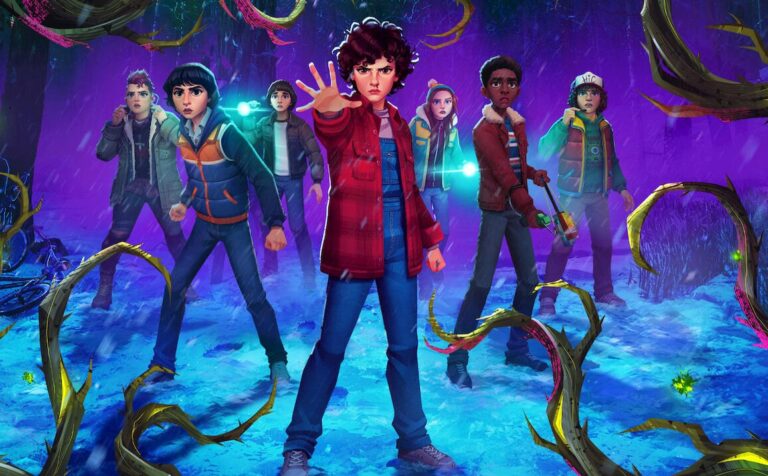
Missing Stranger Things? The popular series may have said good-bye only a few months ago, but fans already have a chance to revisit the universe. This time, via a brand-new animated spin-off.
Stranger Things: Tales From ’85, which recently dropped on Netflix, gathered 2.8 million views in its first week and became one of the most-watched shows on the platform. It also made the top 10 in 19 countries. Does this mean a second outing is inevitable?
Stranger Things: Tales From ‘85 Season 2 Release Date
Not only that, but new episodes will drop this fall, so fans don’t have to wait for too long between installments.
Stranger Things: Tales From ‘85 Cast
Brooklyn Davey Norstedt as Eleven
Luca Diaz as Mike
Braxton Quinney as Dustin
Elisha “EJ” Williams as Lucas
Benjamin Plessala as Will
Jolie Hoang-Rappaport as Max
What Could Happen in Stranger Things: Tales From ‘85 Season 2?
Stranger Things: Tales From ‘85 is set in the larger Stranger Things universe, more exactly between seasons 2 and 3. The aim is to expand the world of Hawkins through a stylised animated format. Don’t worry, though – the animated series still carries the eerie undertones of the original.
Viewers can expect episodic adventures and an overarching mystery. The core group returns, but the structure allows side characters and new faces to take centre stage. Think kids from neighbouring schools and people who’ve had brief contact with the Upside Down but were not part of the main narrative.
At the heart of the series is the idea that the Upside Down didn’t just “close” after previous events. Rather, it fractured. Instead of one major gate, unstable tears appear unpredictably, causing all sort of anomalies.
As for Stranger Things: Tales From ‘85 season 2, it will continue in the same vein.
“The Hawkins Investigators Club is back, and a new paranormal threat has emerged from the town’s abandoned silver mines. I can’t wait for fans to discover where this entity and the mysterious blue flower we last saw blooming in the Upside Down at the end of season 1 take our young heroes,” showrunner Eric Robles teases.
Thankfully, fans will only have to wait a few months to find out what the flower is all about.
Are There Other Shows Like Stranger Things: Tales From ’85?
Enjoying the animation? Try Gravity Falls, which follows two siblings dealing with paranormal activity in a small town. You can stream the show on Disney+.
You know what goes well with spring? A swoony, slow-burn romance. Apparently, we aren’t the only ones who subscribe to this belief. New series Sold Out on You has been doing numbers on Netflix.
The Korean production, which premiered recently, is currently the most-watched non-English show on the platform. With 4.7 million views this week, it’s also the #1 show in eight countries. Does that mean a second season is on the way?
Sold Out on You Season 2 Release Date
There’s no official news about a potential Sold Out on You season 2 just yet. Additionally, the title is listed as a limited series on Netflix, and K-dramas rarely go beyond their first season.
All in all, it looks like a sequel is unlikely to happen. That said, the show is coming out weekly, so there are still several installments to look forward to.
Sold Out on You Cast
Ahn Hyo-seop as Matthew “Quail” Lee
Chae Won-been as Dam Ye-jin
Kim Bum as Eric Seo
Goh Doo-shim as Song Hak-daek
What Is Sold Out on You About?
Sold Out on You brings together the fast-paced world of televised retail and the quiet rhythms of rural life. In other words, it blends workplace ambition with a slow-burn love story.
The plot follows Dam Ye-jin, a top-performing host at a home-shopping network. On the surface, she’s successful and driven. Off-screen, she suffers from chronic insomnia and struggles with burnout. When her position is in jeopardy, she embraces a high-stakes opportunity to secure a deal with a cosmetics brand.
The mission leads her to a remote countryside village. There, she meets Matthew Lee, a mushroom farmer whose produce is crucial to the cosmetics formula.
From their first encounter, the two clash. Their interactions are marked by constant bickering, which takes us to classic opposites attract territory. Still, due to Ye-jin’s unusual work schedule and insomnia, their paths keep crossing at odd hours. Needless to say, these repeated encounters chip away at their defenses.
While Sold Out on You season 2 is unlikely to happen, the series is just getting started. Double episodes roll out weekly until May 28. Let the swooning commence.
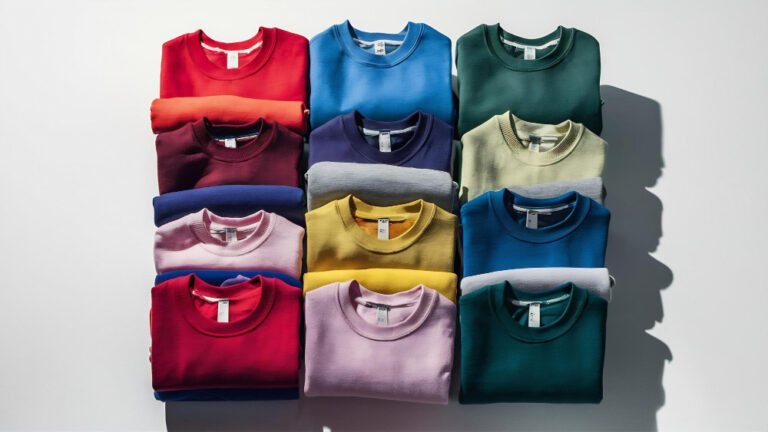
Team apparel is more than just clothing – custom gear helps unite groups, foster loyalty and showcase shared identity at games, the office and special occasions. Today’s custom team apparel blends creativity with function, featuring bold designs and thoughtful details that leave a lasting impression. Sports clubs, workplaces and event organizers all use branded gear to build culture, encourage teamwork and strengthen bonds within their communities.
Custom team apparel has moved well beyond generic T-shirts or hats, evolving into comprehensive collections that reflect specific group dynamics and aspirations. From premium hoodies to performance polos, thoughtful touches such as custom apparel have become popular for symbolizing membership and pride. Branded gear serves as a powerful visual cue, giving teams, company departments and event participants a sense of belonging while also providing practical comfort and durability.
Creative Apparel Options for Sports Teams
Sports teams often set the standard for custom apparel, using bespoke designs to rally players and supporters. Classic options like sports team jerseys, shorts and hats now compete with modern items such as moisture-wicking training gear, embroidered jackets and personalized warm-up vests. Small design elements, like custom names, player numbers, or mascot patches, add an extra layer of personalization that encourages team pride.
Increasingly, teams are choosing custom apparel that go beyond game day. Hoodies, track jackets and duffel bags are commonly distributed to athletes for everyday use or travel, doubling as team building gear during tournaments and camps. For example, a soccer club might unveil a limited-edition windbreaker featuring the team crest and championship year, making it both functional and sentimental. These distinctive garments can foster camaraderie, serve as rewards for special achievements and even become coveted collector’s items in their communities.
Workplace Branding and Company Team Gear
Businesses embrace custom apparel as a tool for building internal culture and strengthening their external image in a similar way to sport organizations around the world. Branded polo shirts, embroidered sweaters and coordinated work jackets help create a unified look that’s both professional and approachable, especially when paired with branded company uniforms for customer-facing teams. For team-building initiatives, employees appreciate practical gear, such as moisture-wicking T-shirts or branded backpacks, that reflects company colors and core values while functioning as business branding apparel.
Apparel can be customized to mark milestones, product launches, or annual gatherings. A tech startup, for example, might distribute embroidered jackets and beanies at an offsite, ensuring staff feel recognized and valued. Employee morale shirts designed with clever slogans or unique logos help make workplace culture visible and engaging and they fit neatly into broader corporate swag ideas for recruitment and retention. By involving staff in the design process, companies can generate excitement and ensure that team gear is genuinely meaningful to everyone who wears it.
Branded Apparel for Events and Group Gatherings
Events of all sizes use apparel to commemorate experiences and help participants stand out from the crowd. Custom event merchandise like run shirts for charity races, embroidered caps for reunion weekends and detailed vests for festival volunteers bring energy, structure and identity to any occasion. Coordinated apparel does not just make groups easy to identify; it also helps forge connections among attendees and leaves participants with lasting mementos.
Organizers are experimenting with premium options like hooded sweatshirts, eco-friendly tote bags and commemorative patches tailored to their event’s spirit and theme. Unique details, such as event dates, locations, or limited-edition designs, add sentimental value and incentivize participation and promotional t-shirts can still play a role for large crowds or tiered registrations. These choices ensure groups remember not only the experience but the community they built, reinforcing the importance of culture through lasting, branded gear.
Designing Effective Team Apparel: Tips for Impact and Cohesion
Intentional design is the linchpin of successful team apparel, regardless of the setting. Choosing high-quality fabrics and finishes, such as soft blends or moisture-wicking materials, improves durability and wearability, making team members more likely to enjoy and use branded gear regularly. Simple, recognizable logos and carefully chosen color schemes support visibility and create a consistent group identity, which is essential for business branding apparel across multiple departments.
We refer to birth, life, and death before passing on to the next generation as the circle of life. Circles are seen as protection, and many early human settlements were built in a circular pattern, and even animals protect their young within a circle. In many religions, temples are built in circular shapes; Muslim pilgrims circle the Ka’aba; and circular mandalas are an inherent element of Hinduism and Buddhism.
This is where the work of Xiaoming Ai comes in, as her circular piece centres on the Six-Syllable Mantra: Om Mani Padme Hum, a core element of Avalokiteśvara, the Buddhist Bodhisattva of Infinite Compassion. It evokes a meditative feeling even for those who cannot read the text, the circular shape itself emanating a calming sense, much as we feel when viewing the Yin Yang symbol, which represents the harmony of life forces.
The artist has created the work on a traditional Thangka canvas, a medium associated with traditional Tibetan Buddhist art, often featuring colourful mandalas. In this case, Xiaoming has stripped it back to simply the language to remove all distractions so we can focus on the meditative mantra.
The Installation view of ‘In the Turning’ at The ZETO Art Gallery, Paris
While this work reflects cultural and religious history, the circular motif has been present throughout art history as a shape used to contain or channel. Think of Leonardo’s Vitruvian Man, who is contained within a circle, or Nancy Holt’s Sun Tunnels, which allow the sun to be seen through them. When it comes to the inclusion of text, we can see Jenny Holzer use them to encapsulate political statements.
Xiaoming Ai’s work may not come across as overtly political, but it almost feels like a political statement to be asking everyone to have infinite compassion in a world torn apart by war and one where politics and social media are driving us further apart from our fellow humans.
The Installation view of ‘In the Turning’ at The ZETO Art Gallery, Paris
The work acts as escapism from the wider world around us, or a reminder to stay calm in a time when anger feels more natural. Just as some people use rosary beads, breathwork or deep meditation. Using her work as a meditative viewing process is a chance to relax and reassess at a time when we all desperately need to.
As her work develops, I would like to see more contemporary references enter it that mix traditional sayings with modern-day reflections and interpretations of the teachings. It would consider what relevance these teachings can still have in the fast-paced world we live in today, which is being re-shaped by social platforms and AI. This would ensure the work remains true to its roots while also resonating with a contemporary audience.
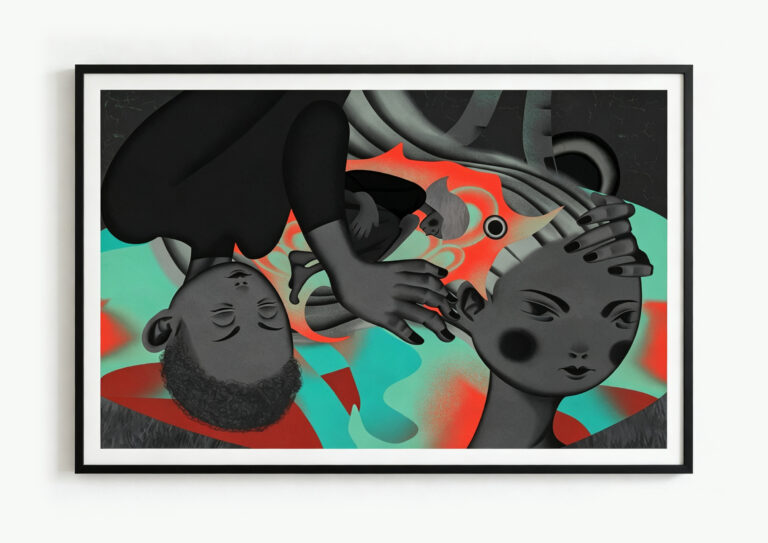
Qintong Yu’s pictorial representations explore dormant human forces through Modernist attitudes towards the subject. Expressive, plastic, and formal elements are approached through post-Cubist lenses. For instance, in Layers of Self (2025), the colour palette — from black to sombre greys, with flashes of green and orange — achieves a richness and sophistication reminiscent of Albert Gleizes’s oeuvre in the 1920s.
It is interesting how the Purist “return to order”— with its subdued colours and forms modelled through an illusion of projecting volume — is mobilised by Yu to convey, almost paradoxically yet effectively, the multifaceted and convoluted nature of the self. On the one hand, the atmospheric effect in this painting recalls that of Fernand Léger, as does its sculptural approach to the human body. Yu models the two main subjects forward from the surface of the canvas to the point that they seem to detach themselves. Légerian are also the smoothness and pristine qualities of Yu’s brushstroke, which pursue the monumentalisation of simple forms and the icon-like treatment of the figures. On the other hand, Yu also establishes the primacy of the two-dimensional picture plane and, here, axis matter as much as the plane: Layers of Self invites viewers to tilt their heads and apprehend it as though displayed in portrait orientation, in order to trigger reflections on the complex nature of identity.
“The Silent Germination”, 2025. Courtesy of the artist.
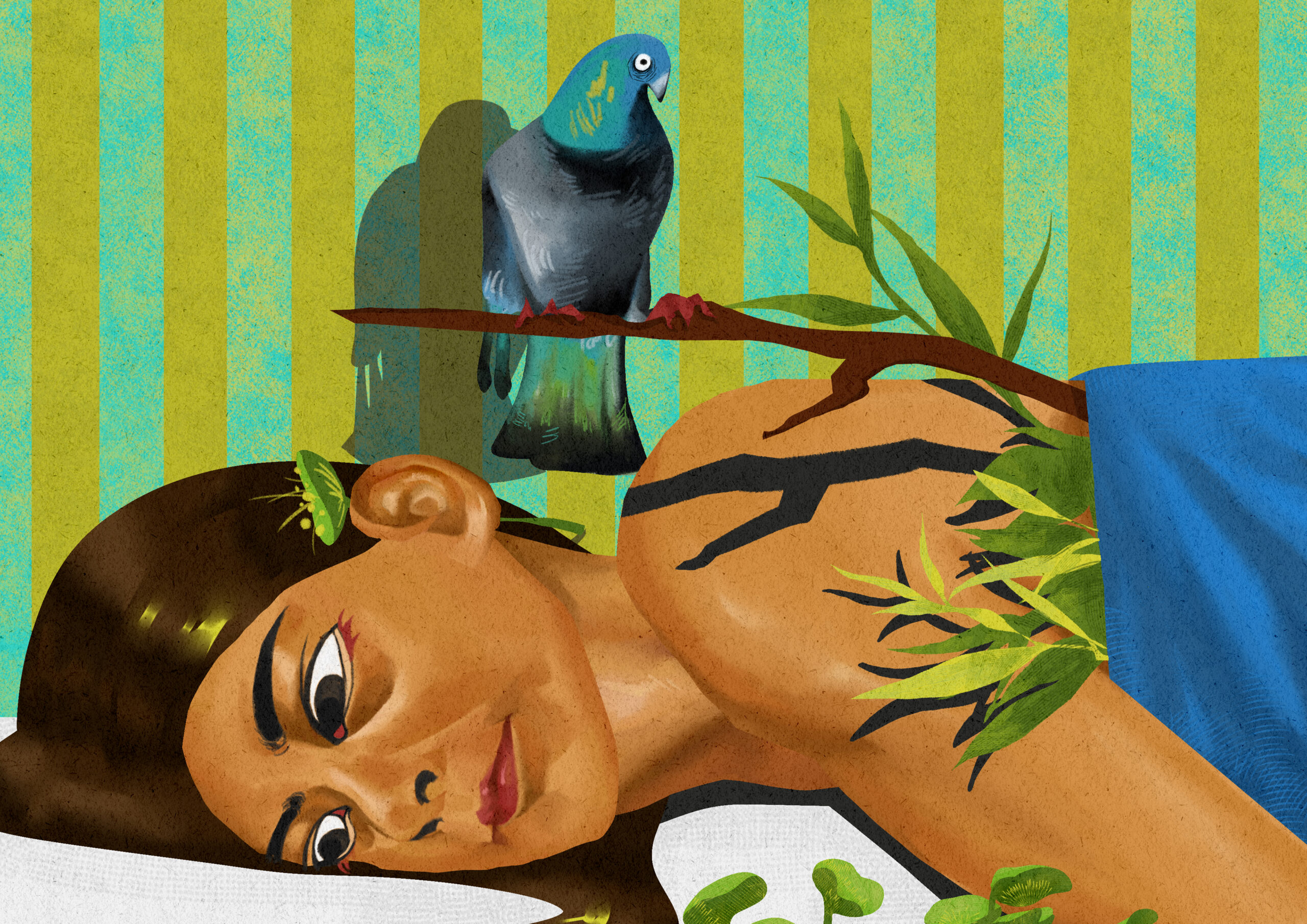
However, Yu is also aware that human psychology cannot be reduced to the vertical-horizontal structures that underpin architectural simplicity; hence, she engages with symbology and the phantasmagorical by combining the elements that constitute pictorial space in a dream-like manner. Surrealism, with its exquisite, uncanny sensibility, surfaces in Yu’s work. The Silent Germination (2025) establishes a dialogue with Salvador Dalí’s notion of the “paranoiac-critical”, as the subject is captured in the act of pondering existence — as many of us do — in the waking moment, when subconscious knowledge surfaces after the oblivion of sleep. The woman in this painting appears to be in precisely that state of perception in which multiple, unstable meanings materialise in the mind, as if mirroring Dalí’s pursuit of an irrational, over-interpretative, and hyper-associative mental state as a method of artistic production.
Detail of “The Silent Germination”, 2025. Courtesy of the artist.
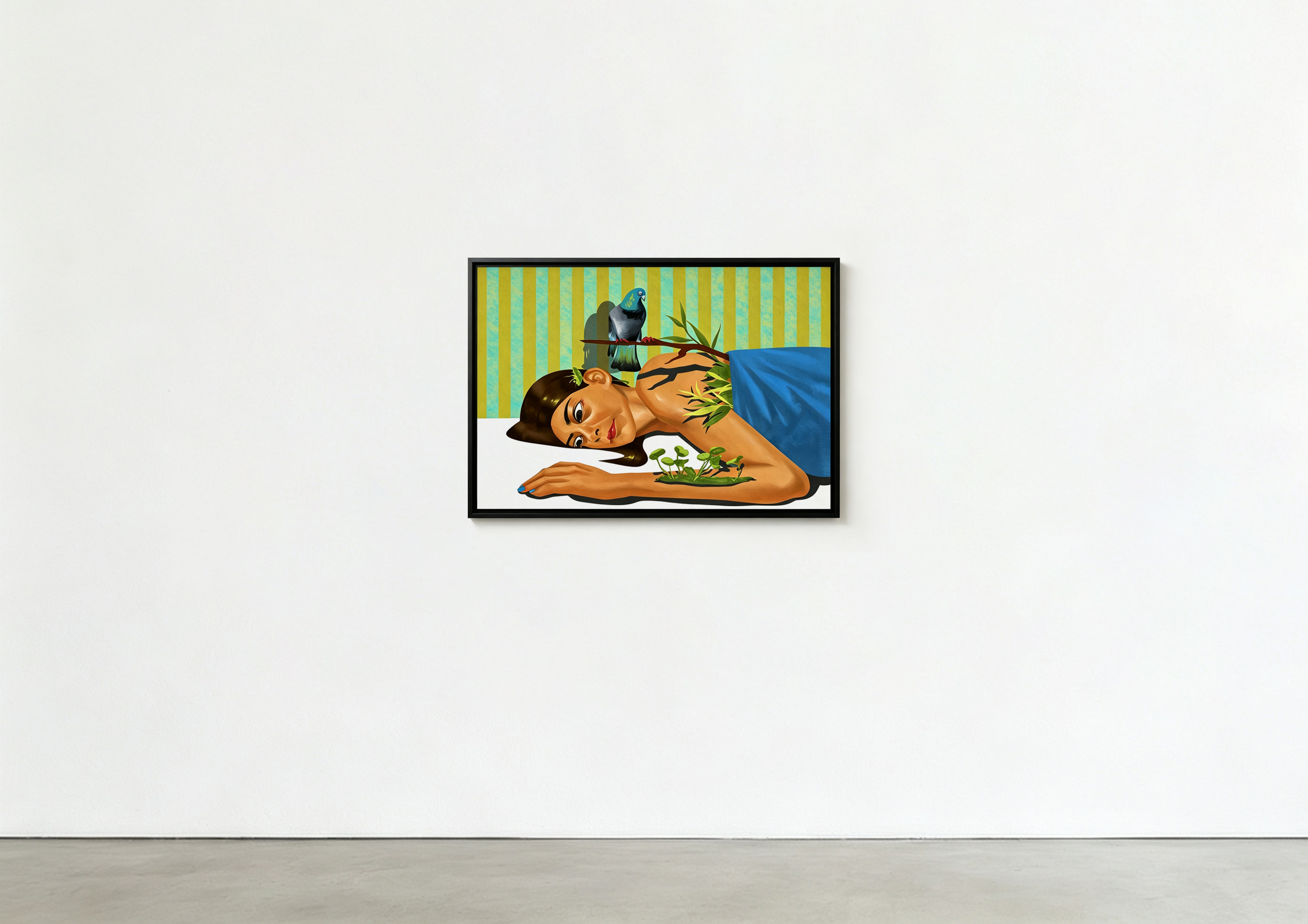
The prone female figure, lying face down, stretches across the surface of the composition, and her association with the psychic domain amplifies the poetic potential of the image. She visually corresponds to a severed tree trunk that crashes to the ground after the final cut, as one notices the vegetation adhering to her skin. Concomitantly, the act of falling into horizontal alignment with the earth epitomises surrender to external forces. Yet perception also reads the image in terms of the body as ecological material. By shifting their interpretive gaze, viewers are enabled to perceive themselves as continuous with nature — biologically, chemically, materially, and spiritually. Aligned with the most pressing concerns in contemporary art, Yu makes us aware that we are embedded in a natural environment that we should strive to preserve.
Trying to sell more on Etsy? Find out how a product image editor for Etsy listings can help you make shoppers click and buy.
Unlike larger marketplaces likeeBay, Etsy leans more toward a niche. It specializes in handmade, vintage, and unique items. Products that are not as common as the ones you see on more mainstream shopping platforms. That is why it is normal for online customers to need high-quality visuals. Before buyers read your description or check your price, your images are what greet them whenever they browse the site. First impressions matter more than anything in these situations.
For Etsy sellers, AItools like Simfa are becoming a part of their creative workflow. They use it to inspire shoppers to click and increase their conversion rate. If you have not caught up to this practice yet, make sure to stick around until the end of this guide. It will explore how creative tools enhance Etsy listings and how Simfa helps.
Why Product Images Matter in Etsy Listings
According to Etsy’s buyer survey, 90% of shoppers agreed that photo quality plays a big role in their purchase decisions. Given this feedback, it is implied that product photos are not just representations of your items — they sell them. And that is exactly why choosing the right product image editor for Etsy listings is essential.
Based on the survey results, you can say that high-quality product images justify the price and shipping costs, and can reduce reliance on reviews. Clearly, when several items compete for attention, the difference often comes down to presentation. It does not matter whether your Etsy shop offers accessories, art and collectibles, bags, books, clothing, craft supplies, gifts, and other artisan products. Always remember that strong visuals increase click-through rates, improve buyer trust, help your products stand out, and make your shop look more established.
At the same time, there are a few common product image characteristics to avoid. Ensure that your photos do not do the following:
Appear to dim
Lose dimensions and details
Blend in a cluttered background
Presented in a collage
Simfa: The Future of Etsy Product Images
For those unfamiliar, Simfa is an AI-powered creative app that helps creators elevate their visual content quickly and efficiently. With an impressive suite of tools powered by smart technology, such as a background remover, an image upscaler, and an image generator, this platform helps streamline the process.
At its core, it is easily the top modern product image editor for Etsy listings. Why? Simfa offers specific assets and features designed for this purpose. If other photo editors make you spend hours manually adjusting lighting or backgrounds, this creative toolkit cuts out the long road and hands you the shortcut. Simfa particularly contains presets that sellers can use to stage their products. This caters to jewelry,fashion, furniture, electronics, and food and beverage.
Simfa even goes a step further in helping Etsy sellers. With its description creator tool, they can produce compelling product descriptions that deliver richer results.
How Simfa Helps Etsy Sellers
In another Etsy survey, 40% of new shop owners found product photography challenging. Unfortunately, if you want to thrive on Etsy, excellent product images are not something you can skip. Thankfully, you won’t have to worry that much about it with Simfa at your disposal.
More specifically, this app allows you to save every penny you ought to spend on professional product photography. Etsy requires sellers to include multiple photos per listing, so outsourcing can leave you with higher costs than earnings. You do not want that. With Simfa, you can find deals that deliver the same results for less money.
Sellers on Etsy may be good at crafting their goods. But not all of them are equally competent in product image editing. And with the time it takes to make their products, they likely have no time to deal with the steep learning curves of other editing tools. Simfa’s automated process helps you solve this problem in a few clicks. With easy-to-follow steps, you can start enhancing handmade product photography, cleaning backgrounds for better focus, achieving a lifestyle product presentation, and maintaining consistency across your shop in no time.
Elevate Your Listings
Success on Etsy is not just about what you make. It is also about how you show it to potential buyers. Yes, they would be happy to know that your products are of good quality, but they will be happier to have photos to see for themselves. After all, happy customers also mean happy you. If you really want to put your online shop on the Etsy map, use Simfa to make product listings reflect the care, personality, and craftsmanship behind every item you sell.
Seasonal product drops and limited-edition candy releases thrive on one thing: visual impact. A beautifully shaped chocolate or gummy treat does far more than taste good. It tells a story, captures attention on social media, and gives customers a reason to buy before stock disappears. For confectioners and candy brands looking to stand out, custom candy molds are one of the most effective tools available. This guide breaks down how to choose the right molds for seasonal themes and how to plan a production timeline that keeps every drop on schedule.
Choosing the Right Custom Molds for Seasonal Themes and Limited Runs
Not every mold works for every season. The shape, material, and cavity count all influence how well a mold performs for a specific product drop. Before placing an order, it helps to think carefully about the theme, the candy type, and the production volume involved.
Matching Mold Shapes to Seasonal Identities
Instead of relying on stock catalog shapes that many confectionery brands reuse year after year, seasonal product drops often benefit from molds designed specifically to reflect a campaign theme or holiday identity. Products like Create Custom Moldspersonalized candy molds and others are commonly developed from original artwork or brand-specific seasonal concepts, allowing confectioners to produce shapes that communicate the occasion instantly on the shelf. This approach moves well beyond generic silhouettes and gives each release a clearer visual message. A pumpkin-shaped truffle for Halloween or a heart-detailed gummy aligned with a Valentine’s promotion feels far more intentional than a standard mold reused across multiple seasons.
Selecting the Right Mold Material for Your Candy Type
Mold material directly affects product quality, release properties, and how long the mold will last across multiple production runs. Silicone molds are flexible, food-safe, and easy to demold. They work well for gummies, jellies, and softer chocolates. Polycarbonate molds offer a high-gloss finish and are better suited for tempered chocolate and hard candy, where a clean snap and professional surface shine are expected.
For limited-edition drops with a short production window, silicone is often the practical choice because it handles faster turnaround and requires less specialized temperature control. But, for premium seasonal collections where presentation is a top priority, polycarbonate molds deliver a level of finish that silicone simply cannot match.
The candy type should always drive the material decision. A gummy bear mold made from polycarbonate, for example, would create demolding problems and unnecessary delays. Matching the material to the formula from the start prevents costly setbacks later in the process.
Evaluating Cavity Count and Batch Efficiency
For limited-edition runs, every production decision carries weight. A mold with too few cavities slows output and drives up labor costs. A mold with too many cavities may not be worth the investment for a product that only ships in small quantities.
The ideal cavity count depends on the projected batch size, the production team’s capacity, and the filling method being used. Manual filling works well with lower cavity counts, while depositor machines or automated lines benefit from molds designed with higher cavity numbers and consistent spacing.
For seasonal drops specifically, it often makes sense to order molds in quantities that can serve two or three product cycles. A snowflake mold used for a winter release, for example, could return in a “winter wonderland” restock the following year. Planning for reuse from the start keeps the cost-per-unit lower and reduces waste over time.
Planning Your Production Timeline Around Product Drop Dates
A well-designed mold means nothing if it arrives two weeks after the product was supposed to launch. Seasonal candy drops operate on fixed windows, and missing those windows costs both revenue and brand credibility. A clear, reverse-planned production timeline is the difference between a smooth drop and a scramble.
Working Backward from the Launch Date
The most effective way to build a production schedule is to start with the launch date and move backward. If the plan is to ship orders on November 1st for a Halloween drop, every step before that date needs a firm deadline. Mold delivery, candy production, cooling and setting time, quality checks, packaging, and fulfillment all require allocated days on the calendar.
Custom mold lead times vary depending on the manufacturer and the complexity of the design. Simple cavity shapes may be ready in two to three weeks. More detailed or multi-cavity molds can take four to six weeks or longer. Adding buffer time for revisions or shipping delays is a standard part of any well-run production plan.
A good rule: add at least ten business days beyond the estimated mold delivery date before scheduling the first production run. This accounts for staff training on new mold handling, test batches, and any adjustments needed before full-scale production begins.
Scheduling Test Batches Before Full Production
No custom mold should go directly into full production without a test batch. The test phase is where confectioners confirm that the mold releases cleanly, that the candy fills the cavity properly, and that the final shape matches the intended design.
Test batches also reveal practical issues that drawings and samples cannot. A mold with undercuts may hold the candy too tightly and cause breakage during demolding. A cavity that is too shallow may result in a candy that looks flat and lacks visual detail. Addressing these issues early, during a test run, saves far more time and money than discovering them mid-production.
Schedule at least one to two dedicated test batch sessions per new mold design. Document the results, note any adjustments to temperature, timing, or formula, and confirm that the final product meets quality standards before scaling up.
Managing Mold Inventory for Recurring Seasonal Drops
For brands that run product drops on a predictable seasonal schedule, mold inventory management becomes a long-term strategy. Storing molds properly between seasons extends their lifespan and protects the investment made in custom designs.
Silicone molds should be stored flat or lightly stacked, away from direct sunlight and sharp objects. Polycarbonate molds need protection from impact and temperature extremes. Both types benefit from being cleaned thoroughly before storage, as residue left in cavities can degrade the material over time.
Building a seasonal mold library allows production teams to reuse proven designs year after year while introducing new shapes for fresh drops. This hybrid approach keeps the product line exciting without requiring a full mold investment every season. Over time, a well-managed mold inventory becomes one of the most cost-effective assets in a candy brand’s production toolkit.
Conclusion
Custom candy molds give seasonal and limited-edition products the visual identity they need to generate real excitement. By selecting the right mold shapes and materials for each theme, and by building a production timeline that accounts for lead times and test batches, confectioners can execute product drops that are both visually compelling and operationally smooth. The investment in thoughtful mold planning pays off in stronger sales, better brand consistency, and a product that customers genuinely look forward to every season.