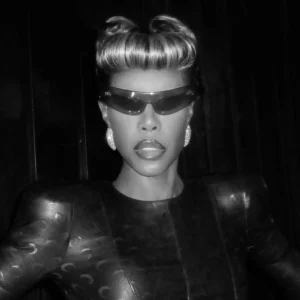
Honey Dijon has a new album, Nightlife, which is set to be released on April 17. The follow-up to 2022’s Black Girl Magic and the Chicago producer’s 2024 DJ Kicks compilation features Rochelle Jordan, Madison McFerrin, Greentea Peng, Chlöe, Mahalia, and Bree Runway (on the January single ‘Slight Werk’). Take a look at the album cover and tracklist below.
Nightlife Cover Artwork:
Nightlife Tracklist:
1. The Nightlife [feat. Chlöe]
2. Slight Werk [feat. Bree Runway]
3. Just Friends [feat. Adi Oasis, Danielle Ponder, Suni Mf]
4. International [feat. Mette]
5. I Like It Hot [feat. Greentea Peng]
6. Private Eye [feat. Rochelle Jordan]
7. Smoke and Mirrors [feat. Madison McFerrin]
8. New Wave Groove [feat. Rochelle Jordan]
9. Rush Me [feat. Mahalia]
10. Satisfied [feat. Jacob Lusk]
11. Welcome to the Moon [feat. Cor.Ece, Dave Giles Ii]
12. Okay Daddy [feat. Rush Davis, Gavin Turek, Cor.Ece]
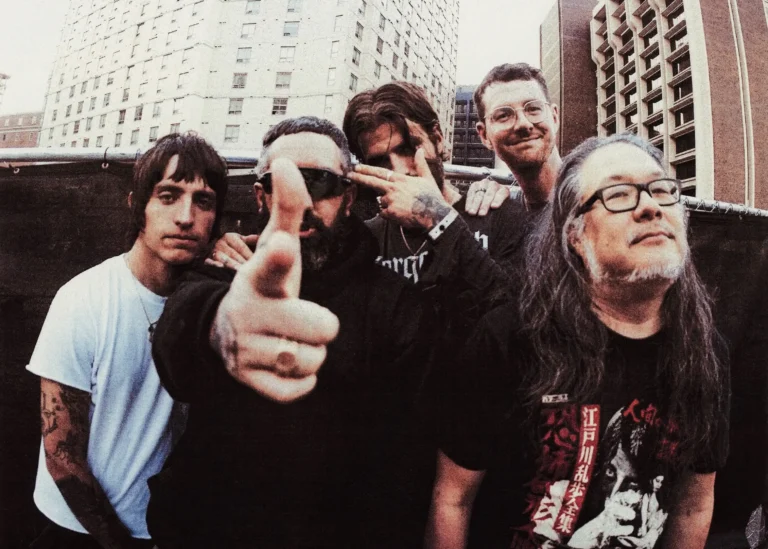
Nothing have been on a two-year album cycle since 2014’s Guilty of Everything, which came out a few years after the band’s inception as a Philly-based bedroom solo project. Frontman Domenic “Nicky” Palermo – joined by the current lineup of guitarist Doyle Martin, bassist Bobb Bruno, drummer Zachary Jones, and third guitarist Cam Smith – calls the time between 2020’s The Great Dismal and their fifth album and Run for Cover debut, a short history of decay, a “five-year layoff,” though I’m not sure releasing an impressive collaborative LP with Full of Hell and launching a definitive shoegaze festival counts as a full-on break. Still, it allowed Palermo the stillness to properly reflect on his pre-Nothing days – growing up with an abusive father, spending two years in prison – and the toll of keeping the band going, both on his body and his relationships from home. Named after a book by Romanian philosopher Emil Cioran, a short history of decay takes a step back to mirror the raw humanity that’s been responsible for the band’s survival, articulating, gently yet vigorously, traumas better shrouded on previous records. “When I was old/ Ain’t life terrible/ With beautiful things getting between,” Palermo sings on the opener. This may be Nothing’s final chapter, but they still traffic in that in-between.
We caught up with Nothing’s Domenic Palermo to talk about nostalgia, Williams H. Gass’ The Tunnel, The North Water, and other inspirations behind their new album, a short history of decay.
Nostalgia
Was rethinking your relationship to home something that was sparked by nostalgia?
In 2017, I moved from Philadelphia to New York, and I’ve been here ever since. That said, I frequent the city very often. I’m there almost once a week. My family’s still there – what’s left of my family. I lost a lot of relationships over the past 15 years, and some of that was due to just moving on in life; it naturally happens. But the fentanyl epidemic in Philadelphia had taken a lot of people that I was close with, friends and family. Where I come from in Philadelphia, I grew up in Kensington and Frankfurt – it’s kind of become polarized at this point, Kensington, Philadelphia, just because of how it looks down there. I was there in the ‘90s, it was a little different, but kind of the same thing: heroin had ravaged the neighborhood around the time where I was growing up there. That’s when it got the nickname the Badlands.
When I started doing the band, I started to ignore a lot it naturally. It was like, “Finally, I have an outlet to not be where I am, and not deal with the same neighborhood problems.” I finally felt like I got out, which is rare for Philly. There’s not a lot of people that were born where I was born that are repping the Philadelphia flag. In the midst of all that trauma and depression and bleakness, I fell back in love with the city and some of the history I had there. I brought myself into this place where I was thinking about things that I’d either reluctantly stuck in my subconscious or just simply had forgotten about. Looking through photographs of some of my family and friends really gave me this open space to speak about things that I don’t know if I was nervous to speak about before, or if I just didn’t feel like it was the right place to do this.
Speaking about my father and our home life is something I’ve really never done before, so that invoked a lot of this general nostalgia for the era where I grew up in the ‘90s in Philadelphia. The neighborhood, the seasons changing, how it felt being out in the street in the summer. I guess that was at that point when I realized maybe this record is the 360 moment, a tie-in for what I’ve done thus far.
The album begins on that note of, “When I was young, life was easy,” which is kind of nostalgia in a capsule. The sense of oneness that you grasp back to in that song, ‘never come never morning’, to me, almost ties back to a time you maybe don’t even have concrete memories of, before the world breaks you.
Yeah, absolutely. That was one of the first songs that I had written, with just an acoustic guitar and lyrics. I had things that I had written down and transformed them to fit into the realm of the song a bit. It was obviously wordier, but that’s the songwriting aspect of it. Having that song sitting around for a couple years and not knowing exactly what I was gonna do with it, and later on being able to throw caution to the wind a little bit more, when I realized that that’s what I was gonna do with this record – it made it a little bit easier. When we started laying all the tracks down, our guitarist, Cam [Smith], was like, “That’s gotta be the first song on the record. It sets the tempo right away for what you’re doing here.” And I was like, “Damn, you’re right.” I would have never thought that that would have been the song, but when I hear it now, it really makes perfect sense for me.
Time
The extra time and not being on that two-and-a-half-year cycle really did something different to my train of thought. The looking inward and this self-realization of how my body’s functioning physically and mentally, it all just became abundantly clear through the actions that I took the past 12 years or so, what the toll was. I just started to notice things, and that was my way of dealing with it. When we first started, the first three years really, no one really cared what we were doing. They were kind of annoyed by us, I think, in a lot of ways. We didn’t really have this identity; we didn’t really fit in anywhere. It was immediately a struggle that I didn’t expect because it went from recording these demos that I didn’t have any plans to do anything with to people telling me, “Yo, you should put this out, this is good.”
When we finally recorded Guilty of Everything, all of a sudden we had this thing building, and people wanted to see it, and it didn’t matter what our identity was. It was like, “Here’s someone who’s seemingly being honest enough,” and the music was a good fit for it. It spun us into this whirlwind, and I didn’t really know how to deal with it, so I just reacted off the energy that I had. We never had management or anything to keep me in line, so we were just a crazy train, no direction, and I didn’t take good care of myself. I get to the standpoint now where everything just immediately hits the emergency brake. We just halt fast, and just like you would if you were in a car hitting a wall, everything moves to the front, including yourself. So here I am, dealing with all this stuff, and I wouldn’t say I understood anything better, but things just started to seep out of me a little bit easier, and from a different perspective.
When, or how, did your perspective shift and things started pouring out?
I mean, it felt survival-ish, just like it always did. The prison sentence was something that was in front of me, and I for sure was not prepared for it, but I knew that it was something that I had to do. I got through it, and when I got through it, I just put it behind me, just like a lot of these things, and went 100 miles an hour to try to get away from it. But you’re not getting away from it, it’s there. It’s right behind you, no matter how fast you go. Same thing with family and overall trauma. I’ve never harped on it too much, what I’ve been through, because people have been through way worse, so nobody wants to hear what my problems are. I could write about it in a smooth way and touch on it, but I never really dealt with it.
I’m not saying that I truly have yet, but I do feel like I have a better understanding of it now, just purely from having to deal with myself more. And realizing some of this is abnormal, you know? Spending a couple years in prison isn’t normal. It’s definitely had its effects, and I deserve to at least look at it and deal with it and not just try to move on from it. In this record, it’s very much like, “Look at yourself in the mirror and tell yourself that you’ve done things that people haven’t, and that’s okay.”
Tell me about the decision to end the album with ‘essential tremors’. Was that something that was locked in as soon as you wrote it, or did you waver on it?
When I wrote it, I kind of thought this is a great ender just because of the content that I’m speaking of in it. But when we tracked it, it was a no-brainer for me. That song is very much about seeing the end in everything. It always feels like it’s too late, but since I’ve been a kid, I’ve always had this issue with not really enjoying the things I might have that are beneficial to me, that I’m lucky to have. Always dwelling on the fact of when they’d leave, which I’m sure is some deep-rooted psychological thing, probably to do with family. But that’s just always how it’s been, watching myself and my body going into this deterioration state. And my current home life, finally feeling a little bit content with how I feel, but not truly being able to let go of the fact that this is only temporary, just like everything is.
Agoraphobia and the current state of the world
I feel like the physical exhaustion that you were talking about with the previous inspiration is contrasted on the record with this pure sense of anxiety on songs like ‘cannibal world’ and ‘toothless coal’. That tension between restlessness and weariness is something that fascinates me about the record.
Absolutely. Those two songs, literally right on the nose, are very much about what we’re talking about right now. That restlessness and that anxiety, it’s all evident in what I’m feeling, but I’m doing it within this isolation. I’m dealing with everything we touched on before, and I’m just looking out the window and watching the world seemingly fall apart around me, and it’s just surreal. I don’t need to get into everything that’s going on, it’s all clearly evident, especially here in the States right now, with the ICE stuff, this secret army in the streets, social media, which I have been bestowed the job of being attached to. Watching land grabs from the US and Israel and China, war AI, Epstein – you name it, it’s this constant influx of this maniacal side of the world that has kind of been hidden from everybody.
We have social media now that puts us in everyone’s living room, watching how the world is dealing with it, and seeing how stupid the average person is. With all this time, it’s in my face every day, and while I’m on my own journey in this apartment, not leaving the house very often, it just feels hyper-realistic. I’m sure every generation thinks that they’re gonna be the last; I don’t know that this is the last, but it just feels like we’re moving in such an insane way that it’s really just a show of what this human race is capable of. ‘cannibal world’ was really the highlight of where I wanted to put myself in, that state of doom scrolling and utter chaos.
When you’re on social media, does your mind go, “I need to write about this,” or is it when it’s least in your face that the material seeps out?
I think it injects itself into you, and it’s there subconsciously all the time. Just like everything else, you’re absorbing it, it doesn’t go away. When I was putting that song together, me and my partner were driving around in New Jersey, trying to see all those UFOs that were in Jersey for a while. I do believe in UAPs, but I obviously look to the logic first, like, “Okay, this is governmental.” But driving around in Jersey watching these big things flying over army bases, it was just another realization: What is going on lately? I don’t know if it’s just me getting older and seeing things differently, or maybe focusing too much on what I’m seeing, or maybe it’s just because I had too much time on my hands. But it all does something to me that’s kind of new.
The TV series The North Water
I don’t know if you watched it when it came out, but I saw that it was in 2021, which would have been after The Great Dismal.
I didn’t watch it until maybe 2023, maybe? I had never even heard of its existence. It was an AMC show, and it just went under the radar for me. I don’t know why, because I love Colin Farrell. I watched the trailer, and I was like, “This feels like Journey to the End of the Night or something.” Turned it on, and within the first 15 seconds, there’s a Schopenhauer quote, which, at the time, Schopenhauer was a super big inspiration for The Great Dismal. They open up with this quote that says, “For the world is Hell, and men are on the one hand the tormented souls and on the other the devils in it.” I was like, “Holy shit.”
That show was crazy. There’s actually a book, too, which I haven’t got around to, I heard it’s even better. But it really scratches that itch of what I always loved in novels: obviously struggle, conflict, tension, and the fact that these things can be temporarily relieved in life, but they usually come back. And when they come back, it’s sometimes stronger, or usually is. It’s dealing with the human condition of endless craving. It’s basically about a surgeon who is trying to escape a traumatic past, and he goes on this whaling expedition with these complete savages, essentially. There’s this balance of civilization and savagery through this whole thing. Here you are on this boat filled with these godless sailors and whalers, and they’re out in the middle of the ocean, where humans probably shouldn’t really be in the first place anyway, and they’re just slaughtering whales in the most horrific ways. It’s the perfect base of a story to pull a philosophical thread out. I was all in on it.
Bill Fox’s 2025 album Resonance
This was the cult singer-songwriter’s first album in 13 years, and it flew under the radar a little bit. It’s the only musical item on the list, so I’m curious what made you include it.
I mean, purely the fact that I just beat it to death. My good friend Tony Molina, he’s one of the most talented people I’ve ever met. He’s a fucking weirdo. He’s very similar to Bill Fox and the way that he’s released music over the past 40 years. I never was super into the Mice – there’s a couple tracks that I thought were good, but I didn’t really know about Bill Fox’s solo career, and my friend Tony Molina put me onto the record. Tony sends me a lot of stuff, he’s always in the crates. He’s like, “I think about you when I hear this record. It just reminds me of you.” And when I heard it, I was like, “What the fuck? What do you think of me?”
But after reading about Bill Fox and learning a little bit more about him, I was like, “Man, this fucking dude reminds me of you, actually.” I just beat that record to death. That song, ‘Meat Factory’, is so perfect to me. The way he encapsulates this run-of-the-mill hamster wheel of a life, in this, I assume, small town, where everyone’s working in the same factory, trying to get through the day, being around dismembered corpses and puddled floors of blood. It really did something to me. What I really love about it is the imperfections that are left in the recordings that he does. There’s this weird spin-out delay thing. On some of our records, I worked with certain producers and even certain members that we had in the past that were like, “The G string’s out of tune,” or, “I cleaned that up in post.” I feel like it really lends a hand to the recording, again, being more honest.
Was a short history of decay done when you were listening to this record? Or were you knee-deep into the process of mixing?
We were just getting to the studio, I think, but it was along with me for the ride. We mixed this record for three months. It was painstaking. I write consistently; I’ve never written anything as long as I did for the notes for these mixes, because we just really analyzed everything. It was kind of punishing, honestly. I wasn’t sure if I was ever going to be able to listen to this record again because of how much I punished myself by mixing it, and Nick – I still feel bad for Nick. But I had full control of it this time, and it was good to be able to use this as an inspiration to be like, “That snare feels a little bit off the grid a little bit, but I just like the way it sounds.”
Even my vocals – I mentioned the essential tremors thing that I’ve been dealing with. Hearing that shake in my voice – the first thing to think is: Do we tune that to straighten it out and reverb it up? I was like, “No, let’s do some dry vocals on this thing.” I don’t love my voice, and a lot of the time, it gets smoothed out in past records with reverb. But I wanted it to be heard the way it is. A lot of that had to do with this record, I think, too.
It’s interesting, learning how to square the appreciation for imperfections with this analytical mind that you maybe apply more to your own music.
The way we chose to do this record with me and Nick Bassett and Sonny DiPerry, we eliminated the big producer vibe, which meant that a lot of the responsibilities were gonna fall directly on us. In that analytical sense, it’s very easy to just fall into your repetition of how to get things done the way that you think that they’re supposed to be done. And that easily could have happened, especially when it’s on your shoulders – you don’t want to make any mistakes, so you want to go back to your game plan. But hearing this record invoked this bit of freedom, in a sense, to throw caution to the wind a little bit. That’s a fine line, for sure, but letting the record breathe a little bit more naturally in places was something that I had to force into existence myself, and then deal with the repercussions later.
Williams H. Gass’ 1995 novel The Tunnel
It’s not often that I pick up a book that is not fucking 100 years old for some reason. I’m obsessed with a lot of the old philosophy and poetry that’s usually from the ‘60s, ‘70s. It was a strange book to grab, but a friend recommended it, and I couldn’t put it down. The character in this book is a professor, and he’s writing about World War II and Nazi Germany and Hitler, and this book that he’s writing turns into more of a biography on his life. As he’s writing, it becomes more and more increasingly clear that his life is built around things not to be super proud or happy about, to the point where it’s so devastating for him to read himself. It’s about his wife and his home life, and he hides it because he doesn’t want his wife to see what he’s writing about. It very much just came really close to home here about me feeling inadequate or ashamed of what I’m writing about along this process.
He basically built a tunnel where he can hide his work in the house. It felt eerily similar to what the process is writing here. My partner I’ve been with for quite some time, I hear her occasionally, embarrassingly, singing one of our songs across the house, and I’m just like, “You gotta stop doing that. Please, don’t do that.” But also, hearing her singing these songs – a lot of this stuff was about her. It’s really about me and life, but it’s another sense where I’m like, “Man, I don’t even think that she knows what I’m writing about here.” And it’s not always great things. Obviously, he’s writing about Hitler, too, which is a little different.
But pertinent, in a way.
Yeah. It’s funny when you are on the path to do something, and you realize that usually it winds up revolving more around you anyway. But that book opens with a really good quote, too: “Anaxagoras said to a man who was grieving because he lay dying in a foreign land, ‘The descent to hell is the same from every place.’” Again, when I saw that, I was like, “Oh god, what am I getting myself into here?” Once again, it wound up feeling like I was staring at myself in the mirror. I think it gave me a little bit more strength to stay on the path that I was on when we were making this record.
Not to get too heady with it, but you used the word embarrassing, and shame, and I think there’s a world of regret in this album. I wonder if you’ve thought about the line between those things – not necessarily the words themselves, but the weight they may carry for you in the context of this record.
I’d be a liar if I say I didn’t. But I try to move forward knowing that this is what I’m supposed to be doing. Life is about struggle and strife, and in traversing that, we’re supposed to make bad decisions. We’re supposed to regret, we’re supposed to feel ashamed, and there’s brief moments of happiness mixed into that. I just didn’t want to hide in that, and I wanted to actually bask in it a little bit. This is how I tie everything up: to learn to be comfortable with the fact that life is literally about being shamed, to an extent. And that’s how you get to move on to the next step, for whatever that may be, if there is a reason for any of it. But this is the first time in a while where I feel more at home with myself than I have been in a long time. For the longest time, Nothing has always preached this philosophy of walking through the fire, enamored with the absurdity of everything. But I think this record is past that point – it’s not just about being able to walk through the fire, it’s about being able to live with whatever burns were collected along the way.
This interview has been edited and condensed for clarity and length.
The Night Agent is back with season 3 and a cushy number 2 spot on the global Netflix charts. With 8.4 million views during the past week, the action thriller is the #1 show in 13 countries where the platform is available.
The series is also enjoying a fair amount of buzz, and fans are already wondering about whether more episodes are on the way. Will Peter get to go on a new mission? Here’s what we know so far.
The Night Agent Season 4 Release Date
At the time of writing, Netflix is yet to renew the show. That doesn’t mean it won’t happen. The platform occasionally waits a while before giving the green light, likely to assess viewership.
While numbers for the series are down from season 2, they’re still solid for a premiere week. Moreover, a writers room is already underway. Hopefully, a pickup will be announced somewhere down the line.
As long as that happens, The Night Agent season 4 could arrive in early 2027.
The Night Agent Cast
Gabriel Basso as Peter Sutherland
Fola Evans-Akingbola as Chelsea Arrington
Louis Herthum as Jacob Monroe
Albert Jones as Aiden Mosley
Amanda Warren as Catherine Weaver
Ward Horton as Richard Hagan
Jennifer Morrison as Jenny Hagan
Stephen Moyer as Noah Davenport
Luciane Buchanan as Rose Larkin
What Could Happen in The Night Agent Season 4?
The Night Agent follows FBI agent Peter Sutherland, a low-level analyst assigned to a secretive unit called Night Action. The kind that deals with covert national security crises only a handful of people know about.
When a desperate distress call pulls him into a sprawling web of terror, Peter must use his wits to stop plots that threaten the United States. The series blends intense action sequences with political intrigue and moral dilemmas as Peter uncovers truths that ripple to the highest levels of government.
The show’s third season ups the stakes beyond assassination attempts and isolated terror cells into a deep conspiracy involving financial crime and political corruption. By the time the end credits roll, Peter takes a step back, and a comment about a new partner leaves viewers wondering about what’s to come.
What we do know is that, if The Night Agent season 4 happens, the action will move to Los Angeles. While creator Shawn Ryan didn’t want to give much away, he did hint about the potential plot in a Deadline interview.
“There’s a world that we’re in, it’s a world that exists in Los Angeles, which is the creative reason why we moved the show to Los Angeles, because it’s a world that is present in Los Angeles, it’s not present in New York for the most part,” Ryan teased.
America’s Next Top Model aired for 24 seasons (so far) and was wildly successful all throughout its run. It also gave audiences plenty of iconic moments, like the memorable We were all rooting for you! scene. Naturally, it wasn’t without its fair share of controversies.
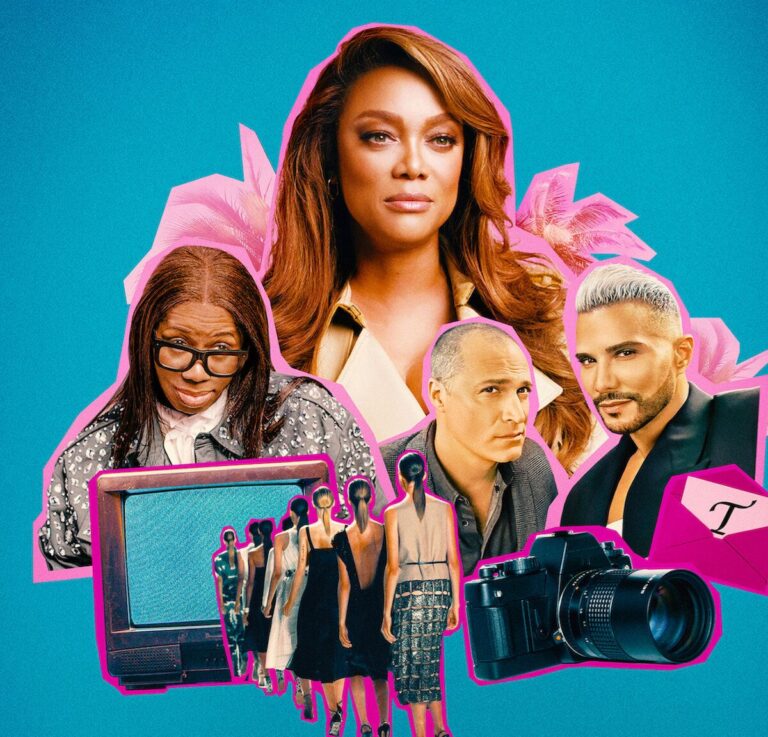
Those are at the heart of new docuseries Reality Check: Inside America’s Next Top Model, available on Netflix. With 14.2 million views over the last week, it’s the most-watched show on the platform right now. Does that mean more episodes are on the way?
Reality Check: Inside America’s Next Top Model Season 2 Release Date
At the time of writing, Netflix hasn’t shared any plans about a potential Reality Check: Inside America’s Next Top Model season 2.
Additionally, the docuseries covers a lot of ground, so it’s unlikely it will make a comeback unless previously unknown revelations about the reality hit come to light.
Reality Check: Inside America’s Next Top Model Cast
Tyra Banks
Jay Manuel
“Miss J” Alexander
Nigel Barker
Ken Mok
Dawn Ostroff
Shandi Sullivan
Shannon Stewart
What Is Reality Check: Inside America’s Next Top Model About?
Reality Check: Inside America’s Next Top Model revisits the cultural phenomenon of America’s Next Top Model and tackles its complicated legacy.
If you’ve never tuned into the reality series, it’s designed to discover the next breakout star in fashion. Contestants live together while participating in weekly photo shoots, branding exercises, and occasional makeovers. It all culminates in dramatic eliminations.
In the years since its peak, ANTM has faced renewed scrutiny for some eyebrow-raising challenges, as well as the psychological pressure placed on its young contestants. Now, the Netflix docuseries pulls back the curtain on what it truly meant to compete for a modeling career under constant surveillance.
Through candid interviews with former participants, judges, producers, and fashion insiders, Reality Check explores how the show crafted both stars and storylines. At the same time, it reexamines the series through a modern lens, questioning how it handled issues of body image, race, power dynamics, and beauty standards.
The fact that creator and host Tyra Banks agreed to sit down for the docuseries is a huge plus. Over the course of three episodes, fans get a candid look at the both the good and the bad. They also have a chance to hear from previous contestants who weren’t shown in the best light and get their perspective.
Reality Check: Inside America’s Next Top Model season 2 might not happen, but Banks continues to tease a potential America’s Next Top Model season 25. However, the show hasn’t been on the air since 2018. Whether or not that one becomes reality – we’ll have to wait and see.
Are There Other Shows Like Reality Check: Inside America’s Next Top Model?
If you found Reality Check: Inside America’s Next Top Model engaging, you might also like Fit for TV: The Reality of The Biggest Loser. It digs into another hugely popular reality competition series.
There’s something deliberate about placing a record on a turntable, lowering the needle, and hearing the first crackle before the music begins. In a world dominated by streaming platforms and compressed audio files, vinyl offers a slower, more tactile way to experience music.
For many newcomers, however, starting a collection can feel overwhelming. Which records should you buy first? What kind of turntable do you need? How do you store and maintain your collection?
This guide breaks down the essentials of starting a vinyl collection, from choosing your first records to setting up a reliable turntable system. Whether you’re drawn to album artwork, analog sound, or the simple pleasure of collecting, the key is to start intentionally and build from there.
Define Your Collecting Goals
Before purchasing your first record, clarify why you want to start a vinyl collection. Some collectors focus on sound quality, searching for pressings known for their warmth and depth. Others prioritize nostalgia, tracking down albums that shaped their teenage years.
Still others treat vinyl as a form of art, curating records based on cover design, limited editions, or cultural significance. There’s no wrong answer.
Begin with music you genuinely love. Your first few purchases should be albums you’re willing to listen to from start to finish. Vinyl encourages full-album listening rather than skipping between tracks, so cohesive records often make the most satisfying additions.
It also helps to decide whether you’re collecting new pressings, vintage originals, or a mix of both. New pressings are generally easier to find and often in pristine condition. Vintage records can carry character and history, but they may require more careful inspection for wear.
Setting a loose budget is equally important. Vinyl collecting can become expensive, especially when limited editions or rare pressings enter the picture. Starting with a modest monthly allocation keeps the hobby sustainable and enjoyable.
Choose the Right Turntable Setup
A record collection is only as good as the system used to play it. For beginners, the goal should be reliability, proper tracking, and sound clarity without unnecessary complexity.
At minimum, you’ll need:
A turntable
Speakers (either powered or paired with an amplifier)
Quality cables
Many newcomers opt for an all-in-one unit, but these often sacrifice sound quality and can wear records more quickly. A dedicated turntable from a reputable manufacturer offers better tracking force control and improved audio performance.
If you’re unsure where to begin, browsing curated selections from specialty retailers can simplify the process. For example, Evergreen Vinyl focuses on direct-to-consumer vinyl records and authorized Audio-Technica turntables, making it easier for beginners to pair dependable equipment with their first records. Starting with a trusted source reduces the risk of mismatched components or subpar gear.
Placement also matters. Set your turntable on a stable, vibration-resistant surface away from heavy foot traffic. Even minor vibrations can affect playback quality. Keeping your setup level ensures the stylus tracks correctly and prevents uneven wear.
Understand Record Formats and Pressings
Vinyl records typically come in three common sizes:
12-Inch Lps (Long Play): Standard full-length albums
7-Inch Singles: Usually one track per side
10-Inch Records: Less common but often used for EPs or special releases
For beginners, 12-inch LPs are the most practical starting point. They offer complete albums and are widely available.
You’ll also encounter terms like “180-gram vinyl,” “limited pressing,” or “colored vinyl.” Heavier records can feel more substantial, but weight alone does not guarantee better sound.
Similarly, colored vinyl may look striking, but it doesn’t inherently improve or reduce audio quality. Focus first on the music and mastering rather than marketing descriptors.
When buying used records, inspect them carefully. Look for visible scratches, warping, or excessive surface scuffs. If shopping in person, ask to examine the vinyl under good lighting.
Learn Proper Care and Storage
Maintaining your records is essential for preserving sound quality. Dust and static are common culprits of pops and crackles, but consistent care minimizes them.
Here are a few foundational practices:
Store records vertically, never stacked flat.
Keep them in protective inner and outer sleeves.
Avoid exposing them to direct sunlight or extreme heat.
Clean records with a carbon fiber brush before and after playing.
Equally important is stylus maintenance. A clean stylus ensures accurate playback and prevents debris from embedding into your records. Replace it according to the manufacturer’s recommendations, especially if you play records frequently.
Curate with Intention, Not Impulse
The excitement of starting a collection can lead to impulse buying. While spontaneous finds can be rewarding, a thoughtful approach often results in a more meaningful collection.
Consider organizing your records by genre, era, or personal milestones. Some collectors track albums that influenced particular life stages, while others focus on a specific genre such as jazz, classic rock, hip-hop, or film scores.
As your tastes evolve, so will your collection. Periodically review what you actually play. Records that sit untouched for years may be better suited for trade or resale, freeing up space and budget for albums you’ll appreciate more.
Joining local record store events or online communities can also broaden your perspective. Conversations with other collectors often lead to new discoveries and a deeper understanding of pressing variations and mastering differences.
Build a Listening Ritual
Part of vinyl’s appeal lies in the experience. Unlike streaming, which encourages multitasking, vinyl invites presence. Creating a listening ritual can transform casual playback into intentional time set aside for music.
This might mean dedicating an evening each week to listening through an entire album without interruption. It could involve reading liner notes, studying the artwork, or comparing different pressings of the same release.
The tactile process: selecting a record, placing it on the platter, and flipping sides, reinforces a slower pace. For many collectors, this ritual becomes as important as the sound itself.
Final Thoughts
Starting a vinyl collection doesn’t require expert knowledge or an extensive budget. It begins with music you love, a reliable turntable, and a willingness to learn the basics of care and setup. From there, your collection grows organically, shaped by curiosity and personal taste.
Approach vinyl as both a listening experience and a long-term hobby. Invest in dependable equipment, buy records with intention, and develop habits that protect your collection. In doing so, you’ll create not just a shelf of albums, but a personal archive of moments, memories, and music worth revisiting for years to come.
The way we relate to photography is changing. After a decade or so of everyone carrying a capable camera in their pocket, there’s a growing pull towards more intentional ways of taking pictures: think film photography, Polaroids and physical photo albums you can actually flip through. This ‘friction’ is part of the appeal. A photo you have to wait a week to see means something different to one that lives forgotten in a phone gallery.
Whether you’re a committed 35mm film devotee, a digital photographer or simply someone who wants to be more intentional about capturing the world around them, spring feels like a beautiful moment to pick up a camera. Here are nine quotes to send you out the door with one.
1.“A good photograph is knowing where to stand.” Ansel Adams
2.“Never take a picture of anything you are not passionately interested in.” Lisette Model
3.“The great geniuses are those who have kept their childlike spirit and have added to it breadth of vision and experience.” Alfred Stieglitz
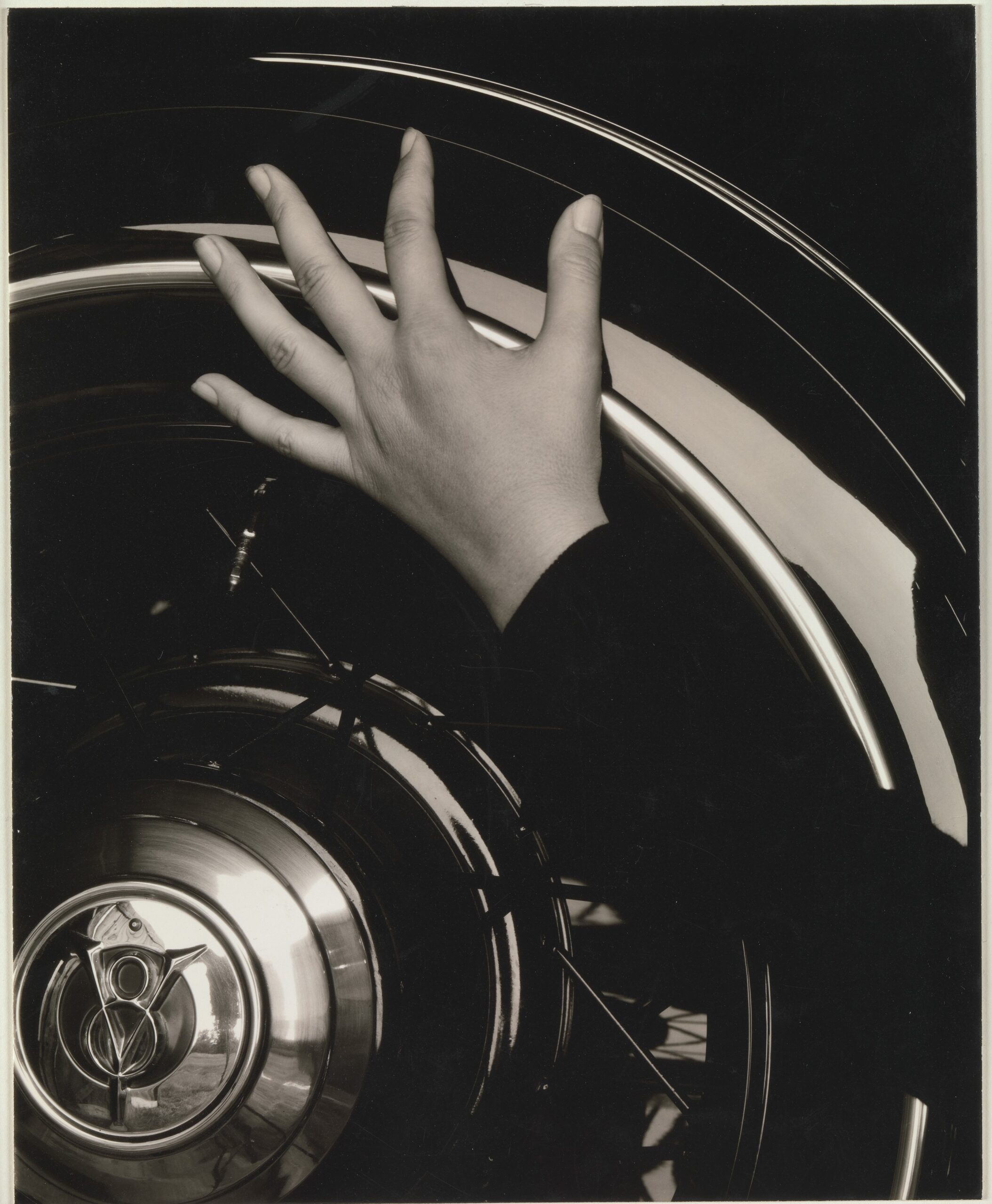
Georgia O’Keeffe—Hand and Wheel by Alfred Stieglitz, 1933. Photo source: Wikimedia Commons
4.“A photograph is a secret about a secret. The more it tells you the less you know.” Diane Arbus
5.“Photography can only represent the present. Once photographed, the subject becomes part of the past.” Berenice Abbott
6.“The illiterate of the future will be the person ignorant of the use of the camera as well as the pen.” Laszlo Moholy-Nagy
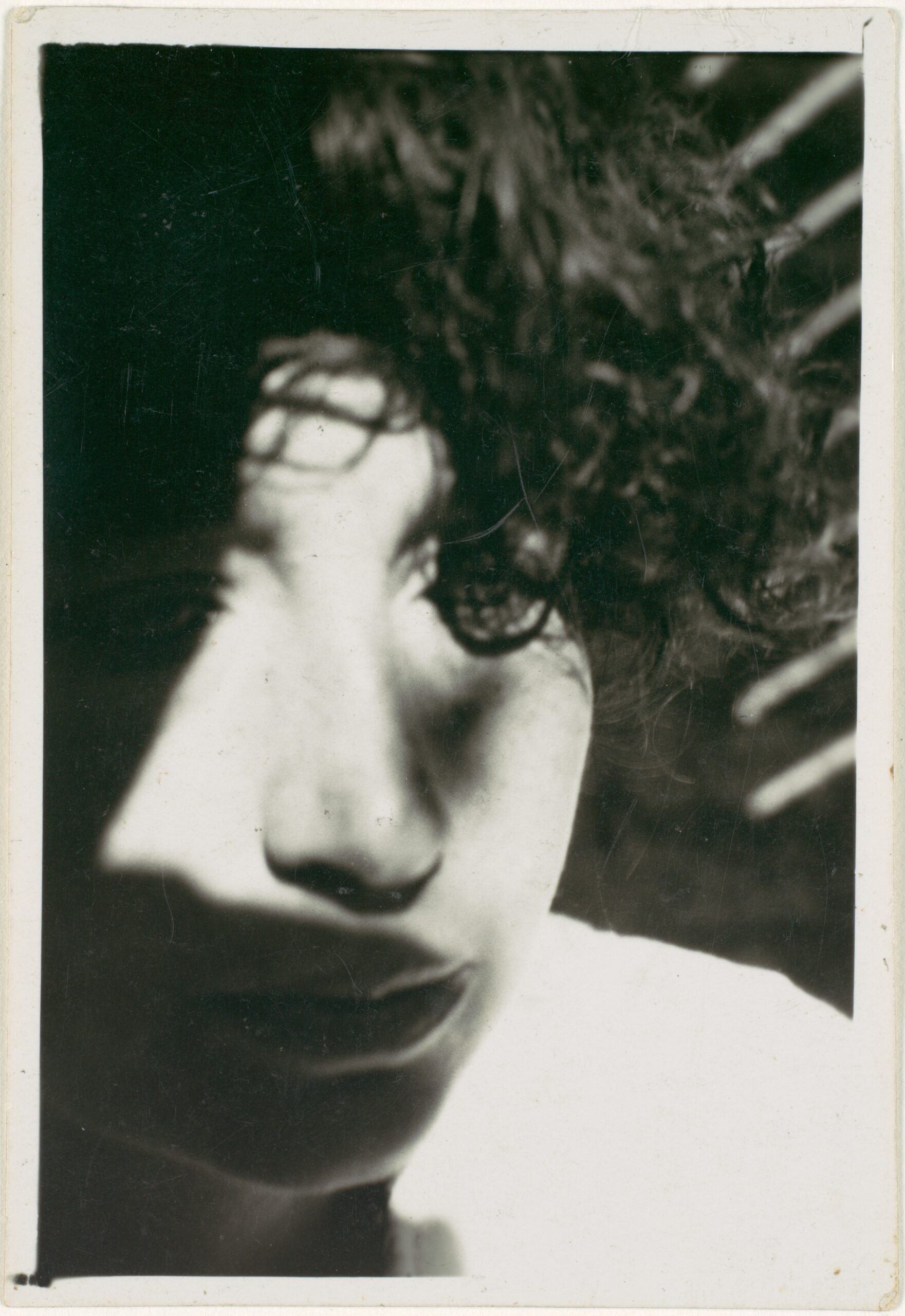
Lucia Moholy by László Moholy-Nagy, 1924-28. Photo source: Wikimedia Commons
7.“If you are out there shooting, things will happen for you. If you’re not out there, you’ll only hear about it.” Jay Maisel
8.“I photograph to see what the world looks like in photographs.” Garry Winogrand
9.“Sharpness is a bourgeois concept.” Henri Cartier Bresson
Gambling and casinos have a unique place in American culture. The USA is the birthplace of Texas Hold ‘Em poker, the slot machine and the casino resort. Over the years, gambling has influenced and shaped film, music, architecture and even language itself. Despite being federally illegal for a long time, the enduring exception of Las Vegas and the American obsession with sports kept gambling bubbling under as an illicit countercultural institution. Now that legal gambling has returned in a big way across the country, that influence is being felt more than ever.
The neon casinos and bigger-and-better excess of Las Vegas, now transformed into global a sports and party destination, have long exemplified the American cultural zeitgeist. The roots of gambling language go back further to the Wild West, as does the explosion of Texas Hold ‘Em poker – a game that could be a metaphor the sharp-minded ruthlessness of capitalist enterprise. In the very modern era, the rise of prediction markets is turning any event into a betting market and America is it’s biggest customer. These are the ways gambling has shaped culture in the US, and how it will continue to do so.
Las Vegas is the Global Icon of Risk and Spectacle
Las Vegas, Nevada, is the cultural touchstone of gambling for most people. It is capitalism without subtlety, an engineered fantasy land in the middle of the desert where American dreams are built on cards or crushed under the roulette wheel.
Even before the giant replica Eiffel Tower, residencies from pop superstars and Super Bowl-hosting stadiums, mob era Las Vegas was a tolerated indulgence. Films like the Martin Scorsese epic Casino and Ocean’s Eleven romanticized the criminal enterprise that built the city, while the casino’s and performance spaces launched the careers of legitimate international stars like Frank Sinatra and Tony Bennet.
There is no denying, despite the well-known seedy underbelly, the Las Vegas Strip is a wildly impressive sight. The people know the house always wins, and that Las Vegas wasn’t built on winners, but still they come to stare at its wonders, as they wonder themselves if they might be that rare winner.
In this way, the casino resorts of Las Vegas serve as a blueprint for giant casino venues and online casinos across the US and globally. Various hotels in Sin City have been, at various times, the largest in the world, and the casinos of the Las Vegas Strip alone now bring in billions of dollars a year in revenues. Let alone online gambling.
For example, the casino gambling experience once required a plane ticket and a resort hotel booking. Today, Las Vegas-style games are available on desktop and mobile devices across the states. But many options means choosing a reliable site is not always simple. Where players once looked to guidebooks and magazines, online resources such as the list of best online casinos at Casino.us are the modern starting point. They help players assess casinos’ game selections, bonuses and payment systems in a crowded market. By presenting this information side by side, users can see at a glance which platforms fit their preferences and priorities.
Gambling in American Vernacular and the Aesthetics of Excess
If there’s one casino gambling game in particular that has influenced American culture more than any other, it has to be Texas Hold ‘Em poker. Here are some common phrases you may or may not know either originated or were massive popularised by poker:
All-in
Poker face
Up the ante
The finance term “blue chip”
High stakes/raise the stakes
Keep your cards close to your chest
Poker has been hugely popular from back in the Wild West days, where fortunes were made and lost in bars and saloons in frontier towns.
After staying underground for many years, it boomed again in the early 2000s when Chris Moneymaker (yes, really) earned millions for winning the World Series of Poker Main Event. His remarkable story started with a $50 online satellite tournament, that eventually earned him his $10,000 Main Event ticket and ultimately millions of dollars. Showing skill, persistence and a little luck could bring the dream to your suburban Tennessee front door.
Today, gambling and poker metaphors are huge in business, sports and even politics. This kind of semantic drift towards gambling across society is also seen in architecture and aesthetics. Perhaps no buildings represent this better than the Trump Hotels owned by President Donald Trump. Who is also the only President to have owned – and bankrupted – a casino. The Trump Organization’s gold, red and velvet aesthetics are heavily indebted to Las Vegas casino culture, although it doesn’t currently operate any casinos.
Casino Gambling is a Fixture of American Culture Now
For Native Americans, giant Las Vegas style casino resorts on reservations have made some tribes incredibly rich. Operations like the Seminole Tribe of Florida’s Hard Rock casinos and the Mohegan Tribe of Connecticut’s Mohegan Gaming have changed lives for tens of thousands of tribal members and have bought the awe-inspiring excesses of casino resort entertainment across the country.
Today, casinos are still huge business in the US. Bigger than ever before in fact. While Las Vegas might be suffering from a drop-off in international tourists gambling revenues remain steady. Tribal casinos are growing in popularity and scale every year. Online casinos are now regulated in half a dozen states, while offshore casinos are still hugely popular despite many efforts to suppress them.
It is hard to overstate gambling’s influence on general American speech, music and literature. Today, casino gambling is solidly part of the American cultural landscape, and it is difficult to see that changing anytime soon.
Like many quest items in Mewgenics, the Putrid Leech comes with weird and dangerous effects and is one of three items you’ll need to access and explore The Throbbing Domain, the game’s final Act 1 region. This cursed head armor prevents your cat from leveling up and instantly kills them if they are downed. However, on the upside, the Putrid Leech grants permanent lifesteal, letting your cat regenerate health with each hit and stay in the fight longer. You can only equip the Putrid Leech on retired cats, so make sure you have powerful, well-leveled cats ready for Guillotina’s rematch and the journey to the Boneyard. Here’s how to get and use the Putrid Leech quest item in Mewgenics.
Mewgenics: How to Find and Use the Putrid Leech Quest Item
As stated before, the Putrid Leech is required to get through the Throbbing Domain; however, before you can drop it into the Throbbing Artery in the Boneyard, you’ll need to push through the Alley on Hardmode and make your way through the Junkyard. The Boneyard only opens after that, letting you deliver the Leech and advance the quest. Because of its cursed effects, if the cat carrying it dies before delivery, the Leech will return to your inventory.
To obtain the Putrid Leech in Mewgenics, you will need to defeat Guillotina in her second encounter, which comes after you’ve beaten her the first time. If you want to pick up another copy of the item, you can have Steven re-summon Guillotina 2 after completing The Rift, letting you repeat the fight and get additional Leeches.
The Putrid Leech acts as Head Armor, occupying your cat’s head slot, and cannot be removed through normal means. Moreover, it behaves like the Throbbing Gristle, so watch out for the risk of being downed while carrying it.
Luckily, certain abilities synergize well with the Putrid Leech and make it far less punishing to carry. You can use the Host ability to remove the Putrid Leech early if needed, or even run Kamikaze to make the instant-death penalty largely irrelevant. Additionally, you can equip the Leech on a cat that’s been reverted to kitten form, which makes the no-level-up restriction much easier to deal with, as you still retain those strong, high-level abilities despite being in a lower-level body.
Once you have the Putrid Leech, take it to the Throbbing Artery in the Boneyard and insert it to unlock the rest of the Throbbing Domain. This will open up new areas, introduce tougher enemies, and provide additional opportunities to explore and collect loot.
Uniqlo has been in a committed relationship with Jonathan Anderson since 2017, the year they first rubbed shoulders. Fast forward to today, and this partnership has turned into an almost annual ritual, a reunion with a modest price tag. Between Anderson juggling Dior’s endless debuts and keeping JW Anderson relevant, one thing is clear. Uniqlo must be doing something very right, or very persistent. Possibly both.
This season, the Spring/Summer 2026 collection is given the very fitting name “Prep Meets Play,” which takes cues from British water sports and the kind of collegiate style that smells faintly of privilege. “This collection adds a new interpretation to traditional British prep style, expressing its character with a spring-summer lightness and vibrant colors.” All of this is a 31-piece lineup, because no collaboration is complete without branded socks and a backpack.
Nautical cues show up in henleys with rowing-club ancestry, shorts that can’t decide whether they’re for land or water, and quarter-zips straight out of a very specific ’90s sailing fantasy. Of course, there is a whole rainbow of Dry Cotton Polos to choose from, denim that swallows you whole, cropped boxy oxfords for anyone who enjoys a little structure, and parkas that love to shrug off water. Ready for the masses February 26.
It’s basically the perfect collection for anyone at an Ivy League who daydreams about commuting by sailboat instead of foot. Classic Uniqlo, teetering on the edge of boring, with just enough Anderson touches to make each piece sneak onto your wishlist, if you relate to the person daydreaming about grand entrances. And that’s coming from someone who has spent a lifetime successfully avoiding polo shirts, so take my opinion with a generous pinch of salt. All I know is that if I ever developed a soft spot for those little buttons, Anderson at $30 would have me genuinely intrigued. Considering how these collaborations keep rolling out under some of the biggest names in high fashion, it’s obvious that the Fast Retailing umbrella, parent to Uniqlo and GU, and now with Marni’s Francesco Risso recently taking the reins as creative director, knows exactly what it’s doing.
Kim Petras has been teasing her third album, Detour, for several years. The pop singer has vowed to release the long-awaited album this year while recently claiming that her label, Republic Records, has been withholding it. Here’s everything we know so far.
How long has the new album been in the works?
Kim Petras released her most recent album, Problématique, in 2023, followed by the Slut Pop Miami EP in 2024. She talked about working on a new album as early as October 2023, telling fans during her Feed The Beast World Tour in Brooklyn, “To be honest this is probably the last time I’m singing all of these songs I’m so excited for my new album.” By the end of May 2025, the album was “100% done,” according to her updated social media bios.
What has Kim Petras said about the new album?
Talking to PAPER magazine in October 2024, she described the album as more personal and emotional than previous efforts, saying, “The number one thing I can say confidently is that I’ve been making more songs than ever and I’m really trying to make something that I’ve never done. It’s definitely going to be really different for me.”
She then began opening up about the record on Tumblr, sharing possible lyrics and song titles.
In November 2025, Petras told Interview Magazine: “I’m thinking about what I want pop music to be and not about what I think will be successful, so that’s been really freeing. Also, I’ve been working with trans girlies and that changed everything, because I feel like we really understand how we want the music to sound. Margo XS and Angel [Prost] from Frost Children were super instrumental in shaping the sound on this.”
How many singles have been released from the album?
The first single from Detour, ‘Polo’, arrived in June 2025. It was followed by ‘I Like Ur Look’ and ‘Freak It’, later in the year, with ‘Pop Sound’, ‘Mr. Producer’ (feat. BC Kingdom), and ‘Cha Cha’ both coming out in February 2026. There have also been teasers of the songs ‘Like a Cherry’, ‘Certified Bangers’ (feat. Porches), and ‘RARE N’ DELUXE’.
On April 22, Kim Petras shared a new single, ‘Need for Speed’, via BunHead Records, the independent label she started in 2016. It arrived alongside an official music video directed by Ashley Hood. She describedi t as being about “the constant push for more hits and more success, which ultimately erases your personality until your only personality trait is being so busy and fast that you basically don’t have a life.” She continues that in this song she wanted to “describe this feeling of being in a machine, but wanting to break out of it and feeling like you’ve become this monster version of yourself that isn’t able to let anyone in because there is nothing there except the need for going further and faster.”
Why doesn’t the album still have a release date?
Since the beginning of 2026, Petras has taken to social media to express her frustration at Republic Records over that exact question.”My album has been done for 6 months but my record label has refused to give me a release date or pay my collaborator’s for the work they’ve done,” she said, going as far as to ask to be released from the label. “I’m tired of having no control over my own life or career. I want to continue to self fund and self curate my own music. This is why I have formally requested to be dropped by @RepublicRecords.”
Kesha responded: “I spent many years fighting for the rights to myself. Watching another woman realize that the ‘golden cage’ is still a cage isn’t a victory—it’s a tragedy we have to stop repeating. Freedom isn’t a privilege; it’s a birthright. I hear you, I’m sorry Kim.”
This is why Petras announced her project Pretour, where she would release one song each week for four weeks in February. Those February singles, notably, were independently released and not available on major streaming platforms. “My fans have waited long enough. I love u guys,” she said, concluding: “I’m dropping Detour regardless.”