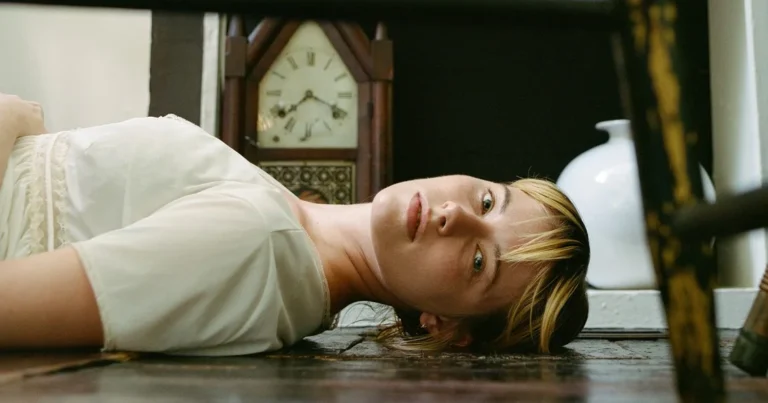
Cinematographer Zhengyang Du works across narrative and documentary films,
exploring the emotional connection between light, space, and human
experience. His visual style is often described as intimate yet poetic, capturing
the quiet moments where emotion and environment coexist in harmony. Rooted
in a documentary background, Du brings a deep sensitivity to real spaces,
movement, and human presence into his narrative cinematography.
His works — including the award-winning short films In the Light and Hounds
Under My Bed, screened at festivals such as the Atlanta Film Festival and the
Portland Film Festival — explore themes of identity, belonging, and
transformation. What distinguishes Du’s approach is his ability to merge the
observational eye of a documentarian with the crafted rhythm of narrative
cinema. For him, every frame is a study of light and life — a visual language
through which stories are not only seen, but deeply felt.
Can you briefly walk us through your story – how you started and how you got to where you are today. You can include as little or as much detail as you’d like.
My first step into filmmaking began when I joined a documentary project with
Harbin Television, traveling to Israel to film Chinese laborers working there.
Unlike workers sent by state-owned companies, these men were independent
contractors who went abroad through private channels, yet often found
themselves without legal protection. Some suffered work injuries and have still
not received compensation, while returning home meant losing any chance of
justice. This social issue deeply struck me — I believed their stories needed to
be told. During that journey, I started learning how to tell stories through images
and realized that filmmaking could be a way to give voice to those who are
unheard.
That experience changed the way I saw both filmmaking and responsibility. It
taught me that the camera is not only a technical tool, but also a moral one — a
way to document truth, preserve dignity, and connect lives across distance.
Since then, I’ve been committed to exploring stories that hold both social and
emotional weight.
Currently, I’m a cinematographer who works on both films and documentaries.
What I love most about my work is the chance to encounter different ways of
living and to understand how people see the world. Even if my films may not
reach a huge audience, I believe their quiet presence can still give voice to those
whose stories deserve to be seen. Grounded in reality, my documentaries have
profoundly influenced my approach to cinematography — teaching me how to
capture authenticity, empathy, and the poetry within the ordinary.
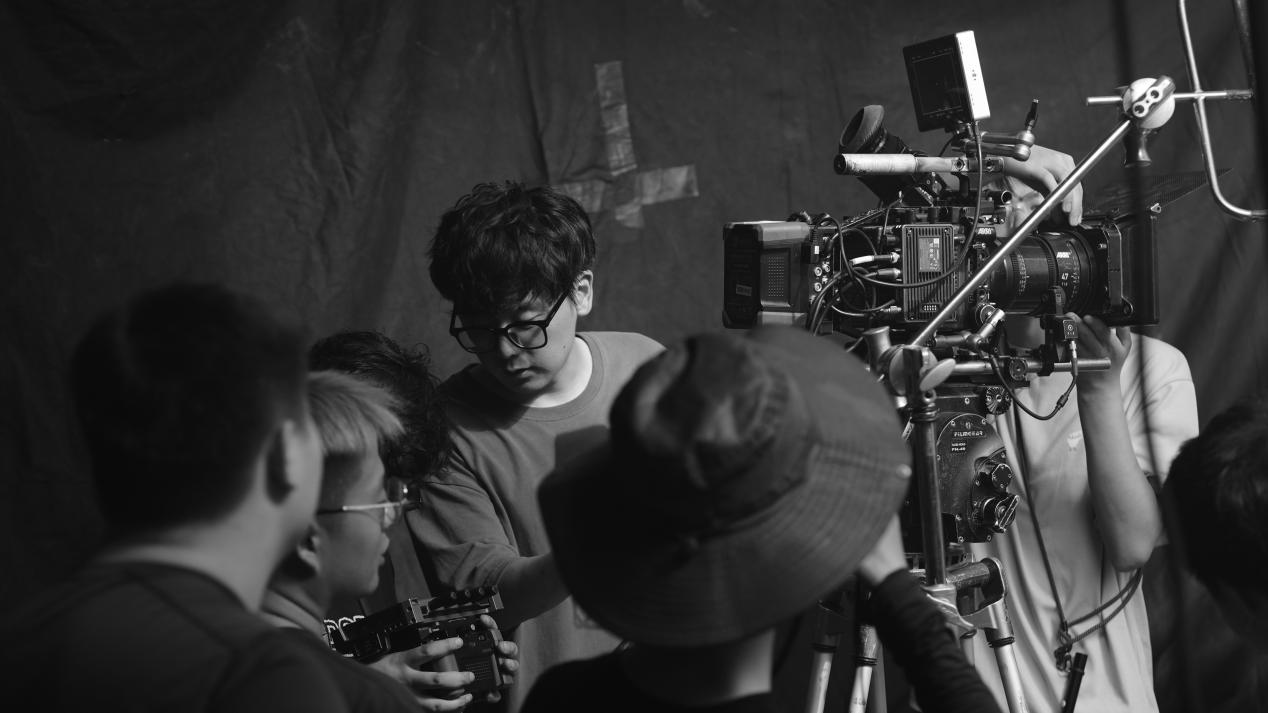
How do you keep your creativity alive?
The renowned Chinese film scholar Dai Jinhua once said that since the birth of
cinema, the human lifespan has been extended threefold, because through film
we can live other people’s lives and feel what they feel. A friend once told me
that those who truly understand life are also those who make the best films. I
couldn’t agree more.
I am deeply grateful to every person who has allowed me to film their story: the
Chinese construction workers making a living in Israel; the small tech
entrepreneurs in North America; the Tibetan woman in Shambhala searching for
her own existence; my college friend who found courage through the duality of
light to undergo gender affirmation surgery; the boy who dreamed of diving in
the Pacific but wasn’t allowed; the horse confined in its stable, desperate to run;
the hot-air balloons rising from the plains of New Mexico; the online singer in
Shaanxi diagnosed with schizophrenia. Each life is a single frame, and all those
frames together make up the film of our shared humanity.
My camera has always been greedy—it longs to sculpt time with precision.
When I began shooting narrative films, I realized that every character and space
I encountered still spoke to me in the same way my documentary subjects once
did. Somehow, I always felt guided—knowing instinctively how to frame, how to
light, how to listen.
If that can be called “inspiration,” then it comes entirely from the people who
once allowed me into their worlds. It is their courage, their truth, that keeps my
creativity alive.
Tell us about your recent work?
Recently, I completed a self-initiated project at the Albuquerque International
Balloon Fiesta in New Mexico. I was fascinated by the idea that there exists
such a romantic celebration — a gathering of people who love the sky. Standing
on the vast desert plain, surrounded by the glow of dawn and hundreds of
balloons rising through the cold air, I was inspired by the colors, light, and
human spirit. While reviewing the footage, I started thinking about how these
compositions and emotions might shape my next narrative film — how to
transform the fleeting beauty of real life into cinematic imagination.
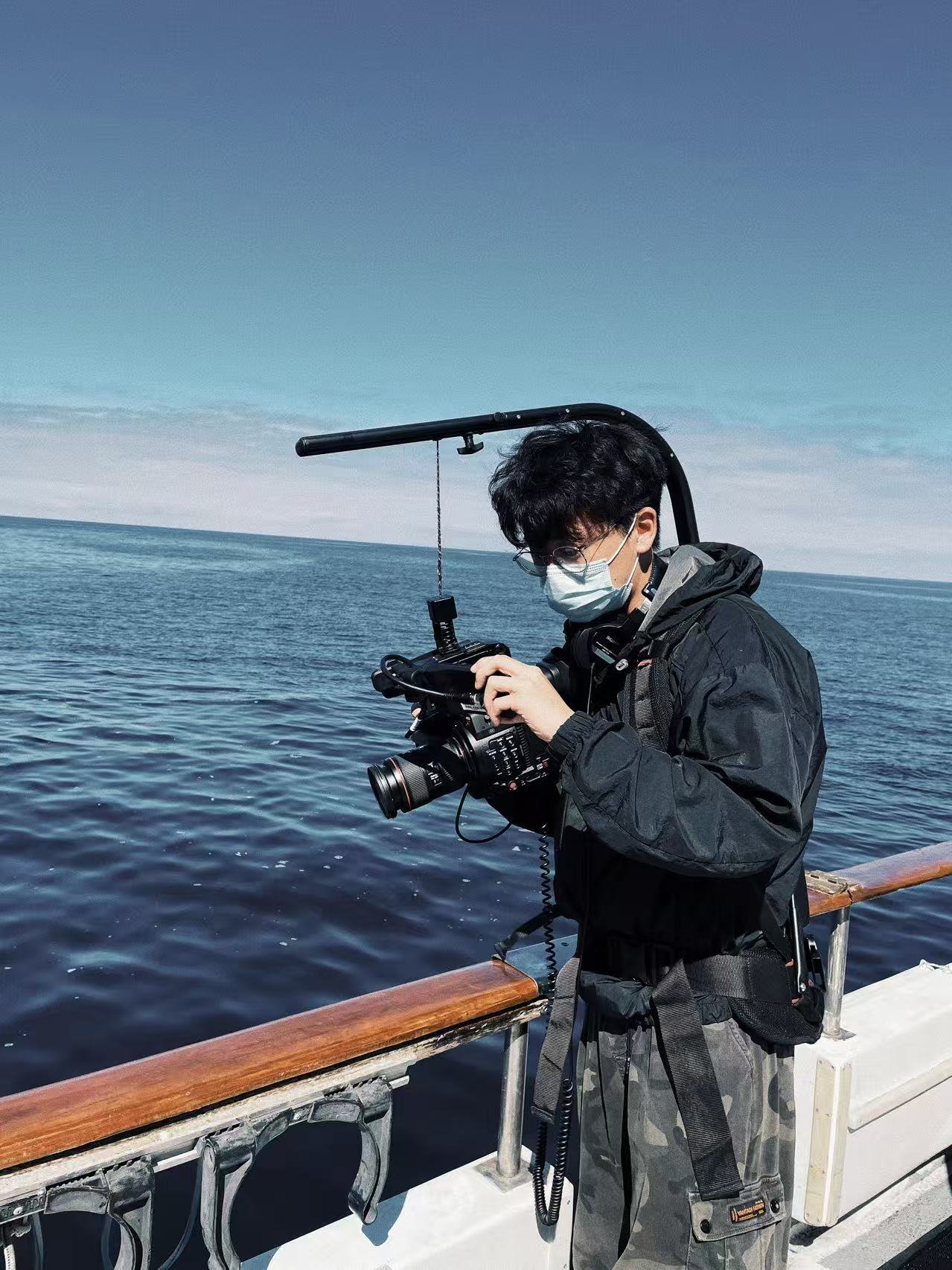
Looking back, what do you think were the three qualities, skills, or areas of knowledge that were most impactful in your journey?
1. Skill – The Ability to Learn
The most important skill in my journey has been the ability to learn. In
filmmaking, there are endless details to absorb — from the technical to the
emotional. Even after working in the industry for four or five years, I still find
something new to learn on every set. Maintaining a learning mindset keeps me
from becoming complacent; it pushes me to grow and stay curious. This
profession changes constantly, and the willingness to keep learning is what
keeps you alive within it.
2. Quality – Confidence
Confidence is closely tied to learning. In this industry, there will always be things
you don’t know — and that’s okay. The key is not to lose faith in yourself
because of uncertainty, but to stay optimistic and believe that you can figure
things out. Confidence doesn’t mean knowing everything; it means trusting that
you have the ability to learn and adapt.
3. Area of Knowledge – Visual Language
I believe that visual language will always be the most essential area of
knowledge in our field. It has taught me how to understand space, how to
communicate emotion through framing and movement, and how to let images
speak when words cannot. For me, visual language is not a tool to master but a
lifelong practice — a quiet conversation between the eye, the mind, and the
heart.

 The title of


 From their first rehearsal together, it took less than a year for
 Written after she relocated from Los Angeles to New York,
 feeo frames her fragile, eerily intimate songs against the backdrop of infinity. Cosmic possibilities and absurd injustices shimmer at the edges of Goodness, making its vision feel as wide as it is singular; yet the more microscopic details and emotional nuances the London artist homes in on, the more her sonic poems scan as small epics, oozing through the connective tissue of a deeper world. At 39 minutes, Theodora Laird’s full-length debut is astonishingly rich; it swirls, brews, and burrows, rewarding you the further you stay along with it. Her voice is as beautiful as ever but at times almost vaporized by its surroundings, as if everything is always hanging by a very fine thread. But her discerning eye and sense of presence remains infrangible. “I’m only a witness,” she sings, bearing like few artists dare to.
 Jenn Wasner’s radiant new album under the
 “Let me put out a record and not have it ruin my life,”
 Following last year’s Keeper of the Shepherd,
 When the time came to revisit her solo project, Melina Duterte felt the urge to open up her sound to outside collaborators, enlisting contributions from Joao Gonzalez (of Soft Glas), Mk.gee/illuminati hotties collaborator Mal Hauser, Steph Marziano, and Kyle Pulley, as well as guest vocals from some of her biggest heroes, including Paramore’s Hayley Williams, Jimmy Eat World’s Jim Adkins, and Mini Trees’ Lexi Vega. Belong, her first new album in six years, is expansive and exciting at every turn, clearly energized as much by Duterte’s experimental impulses as her nostalgic love for classic alternative rock. Even when they lean into moodier, more subdued territory, these songs aren’t meant for sulking, but as Duterte puts it on ‘Past Lives’, spiraling up. It’s good company to feel a part of.
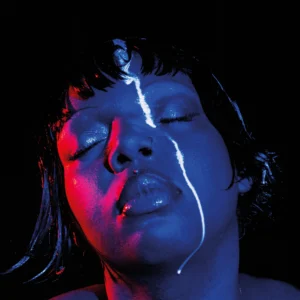 keiyaA was feeling numb as the hype around her last album, 2020’s Forever, Ya Girl, began to die down, when she came across a post by writer Mandy Harris Williams: “a downward spiral is a loaded spring.” He was citing the concept in physics that became the title of, and poetic fuel for, the Chicago-born singer-songwriter and multi-instrumentalist’s latest album, hooke’s law. Building on the avant-R&B vision of her debut, it’s a dazzling portrait of jadedness unlike any in the genre while remaining absolute playful, both in its lush experimentation and silly one-liners. It’s not claustrophobic, exactly, so much as club music from the bottom of an emotional well. “I toast to lighten up the pain,” she offers on the closing track, “Until we meet again/ Start again.”
 If the words
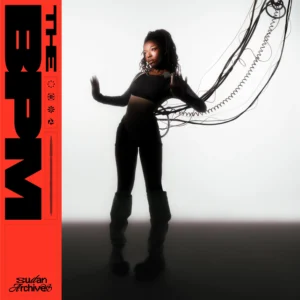 Sudan Archives’ lavish, ambitious world keeps expanding on THE BPM, but not at the expense of vulnerability – quite the opposite. Broadly speaking, the virtuoso’s third LP is as inventive as her 2022 breakout Natural Brown Prom Queen, but it also at times feels like a totally different album: wilder and more confounding its musical swings, more existential in its post-breakup candor. Sudan and her collaborators’ production is hypnotic and breathless with ideas without ever falling out of sync with the singer’s emotional overflow. “Sometimes I can get real low but I am high right now,” she sings on ‘Los Cinci’, prizing every point on the spectrum equally.
 The Antlers
 As the most pioneering band in modern shoegaze, TAGABOW could capitalize on a fantastical, watered-down version of a sound that’s only getting more popular, especially on their first LP for a bigger label in NYC’s ATO Records. They could shroud everything in glitchy layers of artifice and mutter poetic lyrics that mean nothing for the rest of their careers. Douglas Dulgarian’s way of avoiding that was making a record he’s deemed