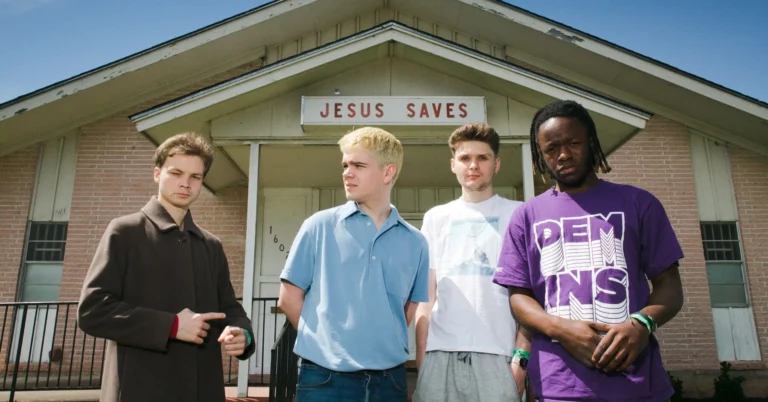
Matt Kwasniewski-Kelvin, the co-founding guitarist of Black Midi, has died. Rough Trade, the band’s label, shared a statement by his family, writing, “It is with deep sadness that we as a family regret to inform you that Matthew Kwasniewski-Kelvin has died after a long battle with his mental health.” He was 26 years old.
Kwasniewski-Kelvin picked up the guitar in primary school, sometimes playing in his father’s party band. “I used to be a skater boy when I was young, listening to Green Day, Sum 41, Good Charlotte,” he told Pitchfork in 2019. He formed Black Midi alongside Geordie Greep, Cameron Picton, and Morgan Simpson after meeting them the BRIT School. The band became a staple of the South London music scene and performed regularly at The Windmill in Brixton. Having signed to Rough Trade, the band released their debut album, Schlagenheim, produced by Dan Carey, in 2019.
When Black Midi returned with 2021’s Cavalcade, Kwasniewski-Kelvin was absent from the band’s live shows, revealing that he had to take a step backdue to mental health reasons. “I’ve been taking some time off from the band as I have been mentally unwell,” he wrote. “Because of this, I haven’t featured on forthcoming material. I’ll be back soon.” Black Midi had said they were “fully behind our best mate in his recovery and can’t wait ’til we can all be + play together again soon.”
Black Midi went on an indefinite hiatus following the release of their third LP, 2024’s Hellfire. In 2022, Kwasniewski-Kelvin appeared on Wu-Lu’s first album for Warp, Loggerhead.
In their statement, Kwasniewski-Kelvin’s family described him as not only a “talented musician”, but also a “kind, funny man finally succumbed; despite all efforts.” They added, “Please take a moment to check in with your loved ones so we can stop this happening to our young men.”
Rough Trade Records also shared a statement, writing: “Rough Trade Records would like to extend deepest sympathy to the Kwasniewski-Kelvin family who have shared this statement on the tragic passing of founding black midi member Matt – an incredibly talented person who will be truly missed.”
The label added: “If you are struggling with mental health issues please reach out to your loved ones or one of the range of charities such as Mind, CALM and Samaritans who provide services and someone to talk to in any time of need.”
Help for Suicidal Thoughts
If you're having suicidal thoughts, it's important to tell someone.
Call a crisis line
Steamy sports romance Heated Rivalry debuted in late November 2025 and became a phenomenon in the US. Now, the first season is finally streaming in the UK, with all episodes available on Now.
The show is enjoying quite the momentum thanks to a tight script, amazing chemistry between the leads, and dedicated performances. Is that enough to warrant a follow-up?
Heated Rivalry Season 2 Release Date
We have excellent news: Heated Rivalry season 2 is definitely happening! The renewal announcement hit around mid-December, giving fans plenty of reason to celebrate during the holidays.
An official premiere date isn’t available yet, but we estimate new episodes to drop sometime in late 2026 or early 2027.
Heated Rivalry Cast
Hudson Williams as Shane Hollander
Connor Storrie as Ilya Grigoryevich Rozanov
François Arnaud as Scott Hunter
Robbie G.K. as Christopher “Kip” Grady
Christina Chang as Yuna Hollander
Dylan Walsh as David Hollander
Ksenia Daniela Kharlamova as Svetlana Sergeevna Vetrova
Callan Potter as Hayden Pike
What Could Happen in Heated Rivalry Season 2?
Adapted from the Game Changers novels by Rachel Reid, Heated Rivalry centers on Shane and Ilya, two elite professional hockey players. Their on-ice rivalry masks a simmering attraction. Initially rooted in competitive tension and clashes in the locker room, this spark evolves into a clandestine affair that spans years.
Although both men are drawn to each other, the hyper-masculine world of professional hockey makes them keep their feelings hidden. Additionally, each struggle with personal baggage, like family expectations and the pressure of the athletic life. Expect steamy encounters perfectly balanced with emotional vulnerability. It’s an intoxicating combination that makes Heated Rivalry stand out.
Without giving away too many spoilers, the first season of the show culminates with a charged finale that marks a meaningful turning point in Shane and Ilya’s romance. Heated Rivalry season 2 will likely continue to track their relationship as it further develops.
In a video posted on social media, the leads teased that the upcoming installment will be “hotter, wetter, and longer.” They also suggested fans read The Long Game, book 6 in the series, if they’re on the hunt for spoilers. To quote from the synopsis, “It’s time for them to decide what’s most important—hockey or love.” Colour us intrigued.
Are There Other Shows Like Heated Rivalry?
If you liked Heated Rivalry, similar series include Fellow Travelers, Young Royals, and Heartstopper.
Alternatively, you can pass the time until season 2 by catching up with some of the other popular romance series available on streaming. We recommend Bridgerton, The Vampire Diaries, Outlander, and Nobody Wants This.
Missed a good old-fashioned workplace romance? Netflix has you covered. Love From 9 to 5 premiered on the platform in early January, and has been steadily climbing the ranks since.
With 2.2 million views this week, the Mexican production is now the fourth most-watched non-English show on the platform. It also made the Top 10 in 20 countries. Should we buckle up for more?
Love From 9 to 5 Season 2 Release Date
At the time of writing, Netflix hasn’t announced any official plans for Love From 9 to 5 season 2. That said, a renewal could be right around the corner.
The service often waits to assess performance before giving a show the green light to continue. Since the comedy has solid viewership, chances of a follow-up look promising. If all goes well, new episodes could arrive in early 2027.
Love From 9 to 5 Cast
Ana Gonzalez Bello as Graciela
Diego Klein as Mateo
Nicolás de Llaca as Víctor
Marco León as Bobby
Marco Treviño as Frank
Mónica Pont as Cuquita
What Could Happen in Love From 9 to 5 Season 2?
Love From 9 to 5 delivers romantic tension, delicious comedy, and complicated workplace dynamics, which should make the show appealing to rom-com fans.
The story revolves around Graciela, who works at a major underwear company. She has spent years climbing the corporate ladder to achieve her dream of becoming CEO. However, her aspirations take a wild turn after a passionate one-night stand with Mateo. Turns out, he’s not only the estranged son of her boss, but also her main competitor for the coveted CEO position.
As the season progresses, Graciela and Mateo face off in a series of challenges designed to test their leadership skills. Amidst the rivalry, they also navigate their growing personal chemistry.
By the time these initial eight episodes come to a close, the company chooses a new CEO. As for the butterflies, the possibility of a connection between the two beyond the office remains open. Love From 9 to 5 season 2 will likely continue to explore their romance, while throwing fresh professional curveballs their way.
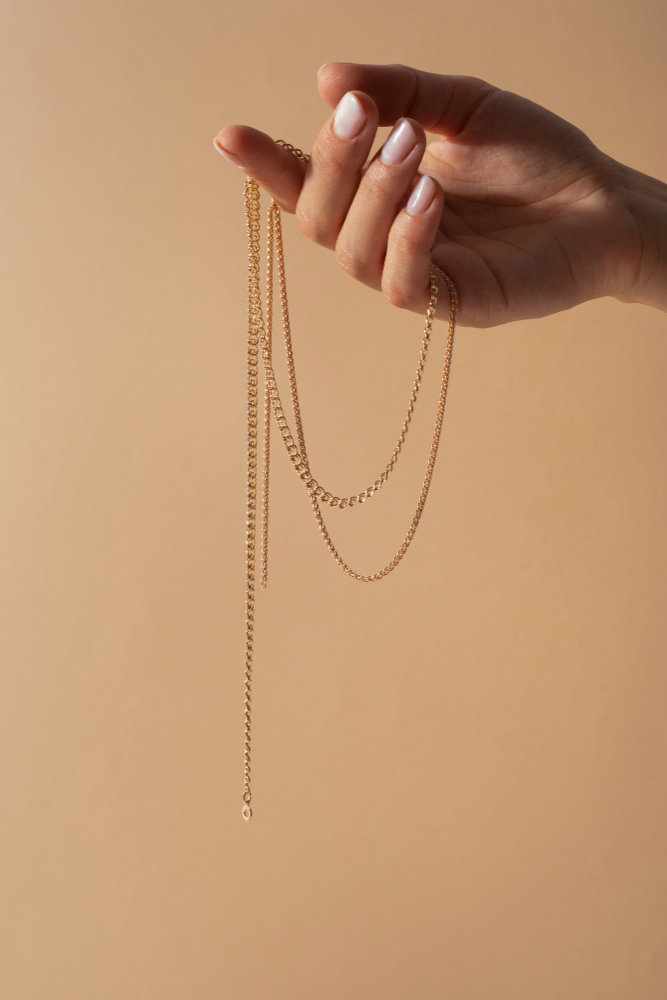
Your personal style is not built overnight. Your experiences and emotions contribute to your personal style, layer by layer. Personal style and self-expression are often key in helping you decide what clothes to wear. However, jewellery plays a vital, often intimate, role in defining personal style. The pieces that we choose to wear close to our skin are often laced with meaning, memories, and emotions. This makes jewellery one of the most powerful ways of defining personal style.
Think of your favourite characters on TV or film. Don’t they all have their signature outfits and accessories? It’s what draws the audience to want to know the character better. Having a personal style can often help others understand you better. Pick your signature pieces, keeping that in mind. You can look at brands like Arms Of Eve that offer a fantastic range of signature jewellery pieces.
Jewellery as an Extension of Identity
Unlike trend-led fashion, meaningful jewellery is deeply personal. Think of the ring gifted by your partner years ago, the necklace you bought as a souvenir on that trip or that pair of earrings you gifted yourself for a work achievement. Each of these is laden with meaning far beyond aesthetics. They have become an extension of your identity. Jewellery also influences modern art and fashion, which is why most modern consumers prefer jewellery that can tell their personal stories.
Jewellery as Symbolism
Personal jewellery often carries emotional or spiritual symbolism. Sun, moon, stars, hearts, evil eyes, initials, you name it! These symbols often stand for love, protection, good fortune, etc. Wearing these pieces makes them part of you. They link your inner world and beliefs to your outward appearance.
These symbols act as anchors and ground you to what matters. They define your personal style through lived experiences, not trends. This can help make your personal style unmistakably yours.
Building a Signature Jewellery Look
If you want to find your personal style and build your signature look, you can follow these steps:
Step 1: Find What Resonates With You
Discovering your personal style begins with self-awareness. Note what pieces you pick most often. Do you like delicate, minimalist pieces or more bold designs? Do you have a clear preference for gold or silver? Are natural stones, symbols or organic designs part of your collection?
These preferences are a guide to your personal aesthetic. If you are into earthy designs, you might have a bohemian sensibility. If you gravitate more towards sleek pieces, you might have a more modern personal style. There is no right or wrong answer here. Your personal style is yours to understand and evolve.
Step 2: Wear Your Signature Pieces Consistently
Having a personal style does not need a large collection. In fact, your personal style is often built around a few core pieces. A favourite necklace, a specific ring you wear every day or bracelets that layer effortlessly with any outfit can become part of your visual identity.
Wear your signature pieces consistently to form your personal style. With enough time, these pieces will start to be associated with you, much like a favourite scent or hairstyle. This can then become a strong foundation on which you can build and evolve your personal style.
Step 3: Layer Your Pieces
Mix different pieces, styles and colours to bring out your individuality. Layering can often help you evolve your personal style. Pick the core piece and then fashion complementary elements around it. Layering is an exercise in harmony that brings out the significance of each piece.
Step 4: Let Your Personal Style Evolve
Personal style is dynamic. New experiences, people and emotions will impact your personal style. Some pieces that felt essential right now might make way for newer pieces. This is an indication of personal growth, so embrace it.
Allow your personal style to evolve. Adopt new symbols, styles and pieces that feel more aligned with who you are becoming.
Final Thoughts
Find your personal style through self-discovery. When you find what resonates with you, wear your signature pieces consistently, layer effectively and keep evolving your personal style, your look and style become more natural and enduring. Jewellery, too, becomes a mode of telling your story.
Netflix has a new Nordic hit on its hands. Land of Sin, which premiered in early January, is currently the second most-watched non-English show on the platform. With 4.1 million views in the last week, it’s also a Top 10 show in 30 countries where Netflix is available.
Turns out, the combination of intricated cases and stoic detectives won’t go out of style anytime soon. Does that mean that Land of Sin will eventually make a comeback?
Land of Sin Season 2 Release Date
At the time of writing, Netflix hasn’t announced any plans for a potential Land of Sin season 2. Moreover, the title is listed as a limited series, so there’s a good chance the five episodes now streaming are all we get.
Still, you never know. If the show becomes hugely popular, additional episodes aren’t completely out of the question. If that’s the case, a follow-up could drop on Netflix sometime in the next couple of years.
Land of Sin Cast
Krista Kosonen as Dani Anttila
Mohammed Nour Oklah as Malik
Peter Gantman as Elis Duncke
Cesar Matijasevic as Oliver Anttila
Alexander Persson as Silas Duncke
Lisa Lindgren at Kätty
What Could Happen in Land of Sin Season 2?
A Swedish production, Land of Sin kicks off when the body of a teenager named Silas is found on a remote farmhouse. Detectives Dani Anttila and her new partner Malik are sent to look into what seems like a straightforward death. The more they dig, however, the more convoluted the case becomes.
Turns out, the detectives uncover a deep-seated family feud over land and legacy. Dani also has a history with Silas, which makes her blur the line between the professional and the personal. As old grudges resurface, so do secrets the tight-knit community would rather bury for good.
By the time the five episodes come to a close, the case is solved and viewers get answers. In other words, you don’t have to worry about pesky cliffhangers. While Land of Sin season 2 is unlikely, it could always follow Dani as she investigates another case.
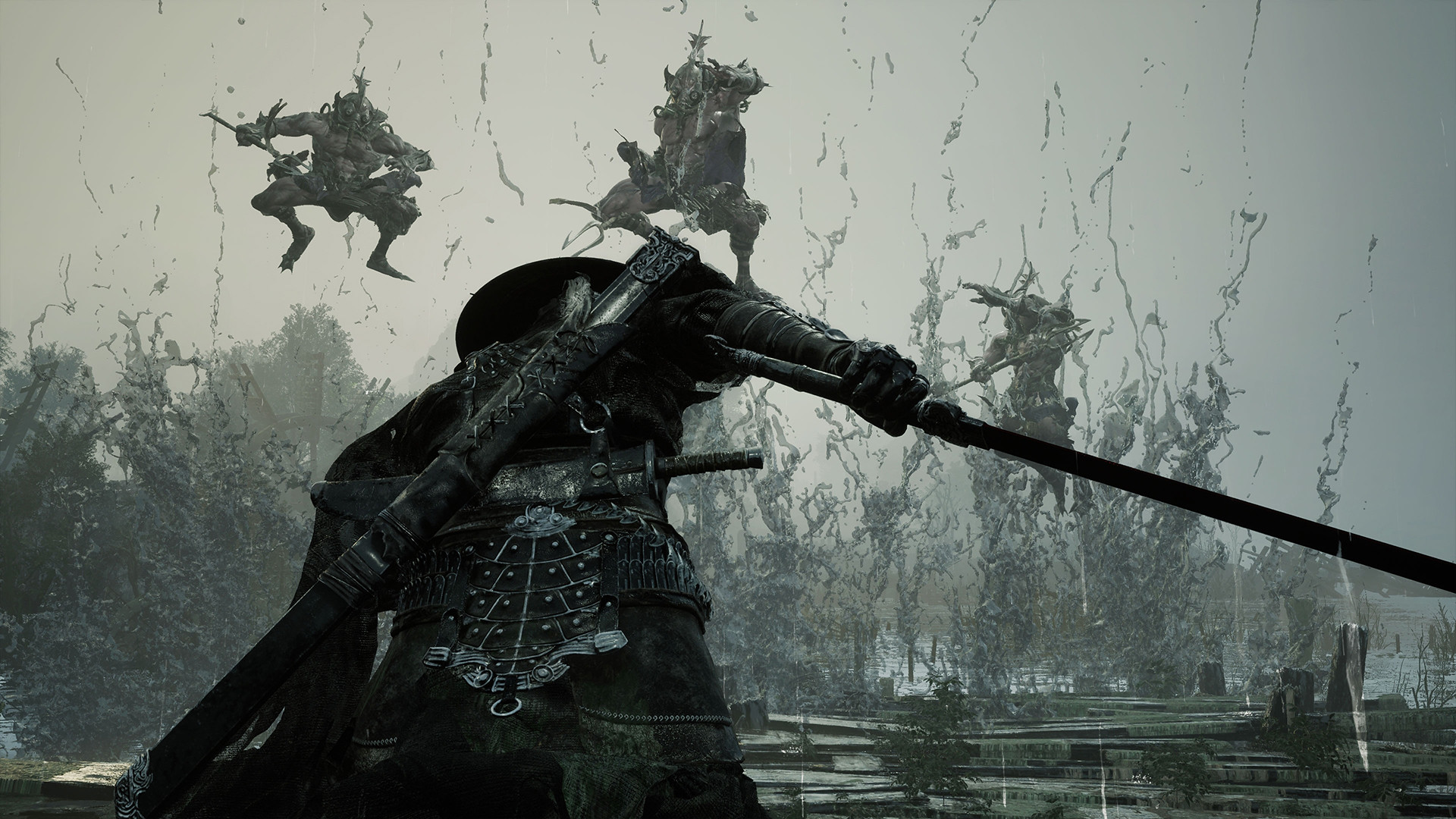
Since its reveal at the 2023 PlayStation Showcase, Phantom Blade Zero has been almost impossible to ignore. Developed and published by S-GAME, the upcoming action RPG combines wuxia-inspired martial arts with modern action design, featuring fast, reactive fighting, blisteringly quick hack-and-slash gameplay, and a dark, broody mood wrapped in a cinematic art style.
While the game is billed as an action RPG, its design bears a strong influence from the Soulslike genre, with game director Soulframe Liang describing Phantom Blade Zero as a hybrid of classical kung fu, steampunk, and cyberpunk themes. With the game recently securing a September release date and more details starting to fall into place, here’s all you need to know about Phantom Blade Zero, including its release date, story, gameplay, and more.
Phantom Blade Zero: Release Date
After months of speculation, Phantom Blade Zero is finally set to launch on September 9, 2026. Out of the gate, Phantom Blade Zero will be available on PS5 and PC, with no Xbox version at launch.
S-GAME has confirmed that the game will initially skip Xbox, with a release planned 12 months later, making it a timed PlayStation console exclusive. The game is targeting current-gen hardware only and will not be released on PS4 or Xbox One.
What Will The Story of Phantom Blade Zero Be About?
Phantom Blade Zero tells a grim, wuxia-inspired story about Soul, an elite assassin working for a powerful and secretive organisation known as The Order. The game takes place in the Phantom World, a shared universe created by S-GAME that draws heavily from classic wuxia traditions while introducing gritty, more unconventional elements.
According to studio founder and CEO Soulframe Liang, the project represents a spiritual rebirth of Rainblood, the indie RPG he began developing in 2010, now reimagined on a far larger scale. The game’s story begins when Soul is framed for the murder of The Order’s patriarch, which sets off a brutal manhunt led by his former allies. During the pursuit, he is severely wounded and left on the brink of death, only to be rescued by a mysterious healer who keeps him alive using a temporary cure that will only last for 66 days.
With time already running out, you are forced into a desperate hunt for the mastermind behind the conspiracy that condemned him. As Soul digs deeper, the story pulls him into a larger web of betrayal, secret groups, and hidden power structures that exist within the Phantom World. As per S-GAME, Phantom Blade Zero is a character-driven revenge story with moral uncertainty and looming consequences, featuring multiple endings that will change depending on how Soul’s final days play out.
Image Credit: S-Game
Phantom Blade Zero: Gameplay
Phantom Blade Zero’s gameplay is built around fast, aggressive melee combat, and what’s been shown so far suggests the devs are going for something more visceral and cinematic. The game plays as a high-paced action RPG, with close-range encounters built around faster, more fluid combat that rewards precise timing alongside constant pressure.
Enemy variety also seems to be a major focus, particularly in boss encounters, with footage released thus far showing bosses wielding long-range weaponry, trick weapons, and abilities that can alter or destroy parts of the environment mid-fight.
Players will have access to a broad mix of weapons, including blades, axes, and even cannons, adding flexibility instead of limiting Soul to a single fighting style. While comparisons to Soulslike games are inevitable, Phantom Blade Zero will favour speed and visual flair over slower, more methodical pacing. Liang has described this hybrid tone as “Kungfupunk.”
As Liang puts it, “From Louis Cha’s Wuxia stories to Bruce Lee’s movies, and Michelle Yeoh in Everything Everywhere All at Once, and Donnie Yen in John Wick: Chapter 4, Kungfu in pop culture is constantly evolving, but always awesome! With Phantom Blade Zero, we are adding a new twist to the formula, a heavy dose of punk spirit, alongside with stylish visuals. We call this overall art direction “Kungfupunk”.”
Outside of combat, the game will feature a semi-open world made up of interconnected regions rather than a single massive map. Exploration is built around Soul’s acrobatic movement, allowing players to traverse environments quickly and fluidly between encounters.
Is There A Trailer For Phantom Blade Zero?
Phantom Blade Zero already has a healthy slate of trailers, and the devs have been generous in showing the game off. The very first trailer for Phantom Blade Zero was shown off during PlayStation Showcase 2023, setting the tone with early looks at its world, style, and action.
Following that, a special “Year of the Snake” trailer was revealed in early 2025. Often associated with Chinese New Year celebrations, this trailer teases the game’s combat in greater detail. It features fast-paced swordplay, themed weapons like twin snake blades, and a boss encounter.
More recently, the developers released a 22-minute demo walkthrough blending exploration, story moments, and combat from a hands-on build shown at the S-Party 2025 event. To cap things off, S-GAME dropped the official release date announcement trailer, confirming the game will launch on September 9, 2026 and offering another extended look at its story, combat, and world ahead of its debut.
Are There Any Other Games Like Phantom Blade Zero?
If you’re looking for games that come close to Phantom Blade Zero, the best place to start is Devil May Cry 5. The team at S-GAME has been open about their love for classic hack-and-slash games, and that influence shows in the focus on fast, stylish melee combat and fluid combo chains. Ninja Gaiden, particularly the modern entries, is another useful reference point.
On the more deliberate side of action design, Sekiro: Shadows Die Twice and Wo Long: Fallen Dynasty are also worth playing.
Not much fashion inspiration on the 2026 Critics Choice Awards carpet. This year, guests earned second glances just because people had to double check to make sure nothing was going on at all. Sometimes less isn’t more. Still, a few managed to get it right. And in a pool of safe choices that blur together, attention is easily caught.
@checkthetag via Instagram
Erin Doherty
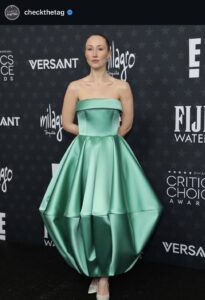
In our books, Erin Doherty wins best dressed of the night. She stepped out in a satin mint-green Louis Vuitton dress with a fitted top and structured skirt. The Internet was quick to compare it to a Sims plumbob, which feels accurate and somehow flattering, Rei Kawakubo, close your ears. In an era obsessed with looking undone, loose, and effortless this kind of structure feels refreshing.
@voguerunway via Instagram
Britt Lower
Britt Lower made an entrance, mostly with her back. She chose a pair of creamy, polished high-waisted trousers and a long textured backless top, from Louise Trotter’s Bottega Veneta SS26 ready-to-wear collection. The internet, of course, did its thing, insisting she’d shown up in what looked like a robe. Which raises a question. Where exactly are these people buying their loungewear? Honestly, if it looks like this, send directions.
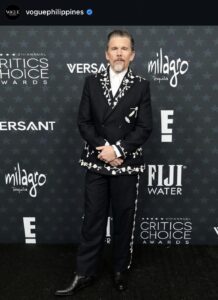
@voguephilippines via Instagram
Ethan Hawke
There’s nothing quite as boring as a plain suit, which makes Ethan Hawke’s appearance feel like a small relief. Dressed in Bode, he wore a relaxed black suit detailed with the label’s hand crocheted floral appliques. Nothing loud, nothing forced, just enough to make the suit feel alive. Sometimes all it takes is a little embroidery, maybe some long styled gray hair too.
@andrewgelwicks via Instagram
Amy Madigan
Amy Madigan wore denim. But her denim came with Jonathan Anderson’s Dior Pre-Fall 2026 Revolution coat and the matching waistcoat, both covered in detailed floral embroidery. The florals won’t see gender rules, they spill across the silhouette, as at home on a man as on a woman. Blue jeans do have a place on red carpets after all, and a casual glance won’t do them justice.
@marielhaenn via Instagram
Jessica Biel
When Jessica Biel moved, you better believe I was watching. Her Lanvin FW25 ready-to-wear dress was dripping in gold sequins that took all the space every time she took a step slightly too big. A halterneck, ruffles, lace, sequins, it had it all, except a back. Basically a small Art Deco furniture store stitched together, in the best way possible.
@teyanataylor via Instagram
Teyana Taylor
If there’s one woman to take menswear and make it her own, lights on Teyana Taylor. And she did it again, with Anthony Vaccarello’s Fall 2025 Saint Laurent menswear runway look. Add a feather boa from the same line, and suddenly it looks even better on a woman. I’m half expecting the feathers to start filing complaints with everything going on around.
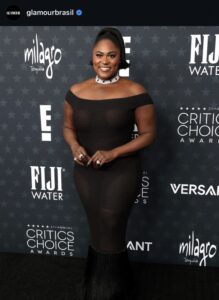
@glamourbrasil via Instagram
Danielle Brooks
Black has always been a safe way to walk a red carpet. But Danielle Brooks did it sheer in Monot. Light knit, see-through, off-the-shoulder, fringe hem, sparkling diamonds. Need I say more? With the fringes shifting at every step and catching the light, one thing is clear, black is no friend to anyone expecting it to be boring.
@chaseinfiniti via Instagram
Chase Infiniti
And then there’s Chase Infiniti, who showed up in a buttery yellow Louis Vuitton two-piece. Arms out, abs out, skirt long, collar high, top draped. If she’s this good in LV every time, I’d hand her a contract too, the top will stay in my head for days. I can hear the collective sigh of underdressed humanity.
Numbers always played an essential role in human consciousness. To some, certain numerical patterns may seem to appear at precisely the right moment, or maybe we notice them when we need them the most. One common pattern that those in love notice is 444, and we’ll be diving deeper into its meaning.
The number 444 is a part of the angel numbers phenomenon. These recurring numerical patterns are believed by many to serve as gentle nudges from the universe. If you’re in love and have been noticing 444 everywhere, like on clocks showing 4:44, receipts totaling $4.44, even Jay-Z has an album called 4:44, here’s everything you need to know.
The Meaning of 444 Angel Number in Love
The 444 angel number in love means and signals stability and foundation-building in your romantic endeavors. It indicates that you’re either on the right path with your current relationship or that a solid, grounded love is approaching.
444 carries the energy of the number 4 tripled, and these core attributes are security, structure, and steady progress.
What does 444 mean when you’re single?
If you aren’t in a relationship at the moment and keep seeing 444, it means a genuine connection could be around the corner. 444 indicates that this potential love will develop through authentic encounters and the gradual building of trust.
When it comes to what you can do to increase your odds of love through these messages, you can work on your emotional and spiritual health, while making sure that you’re also in a safe place in terms of finances.
What does 444 mean for existing relationships?
If you’re already in a partnership, the 444 angel number means that you may be on a path to strengthen your bond with your current partner. This number appears when your relationship is either naturally solid or needs reinforcement in its foundations.
The path to a stronger relationship can be through honest conversations about your future together and addressing any underlying issues.
FAQs about 444
Is 444 good for love?
Yes, 444 is generally positive for love as it represents stability and solid foundations.
Does 444 mean your ex is coming back?
No, 444 doesn’t necessarily mean that your ex is coming back. The number can appear during periods of reflection about past relationships, but it’s more of a signal for closure.
Why do I keep seeing 444 when thinking of someone?
Repeatedly seeing 444 while thinking of someone indicates that this person may hold significance in your life.Yahoo’s take on seeing 444 everywhere also looks to be on the page as us, so you may want to consider what this “someone” means to you to address the signs.
Does 444 mean to let go?
444 may sometimes mean to let go, especially if you’re in an unstable or unhealthy situation. In such cases, 444 may be encouraging you to let go and seek the stability you deserve.
What does 444 mean in heartbreak?
444 stands for reassurance during heartbreaks. It signals that this ending is making space for the stable, healthy love you truly deserve. Remaining an optimist and a gratitude maximalist for the future is often the way to go since what did not happen could have worked out for the better.
Maybe that small gambling hobby through betting apps of your ex was going to spiral out of control and cause stress as they’d need to choose between their casino apps and your relationship, so 444 could be signaling that you got out at the right time.
Is 444 a warning?
444 isn’t a warning, but it’s more of a gentle reminder to pay attention to the foundations of your relationships.
The GameZoneOnline Arcade brings steady energy to daily player sessions because it offers fast and simple entertainment that fits modern routines. This section of the platform introduces many users to a wider set of digital options that support flexible play during short or long breaks. Players enjoy the smooth navigation because every title presents clear layouts that help new and returning users stay comfortable while exploring the platform. Many users lean toward the Online Arcade because it delivers consistent performance across different devices, which helps maintain stable gaming habits throughout the day. Interest continues to rise as the Online Arcade becomes a dependable source of refreshing digital experiences for players across the growing GameZone community.
Online Arcade Becomes a Natural Fit in GameZone Culture
The Online Arcade holds a strong place in GameZone culture because players enjoy quick rounds that match different play styles. Users appreciate the simplicity since the format allows them to enter games without long loading times or complicated steps. This comfort encourages many players to return during short breaks since they know the experience will remain smooth and predictable.
GameZone’s structure supports this rhythm by helping users transition between sections with ease. Navigation remains clear, so players can learn new features without pressure or confusion. The Online Arcade also highlights a clean interface that showcases each title with clarity. This design helps players find games quickly, even when exploring new options for the first time. The GameZone layout also provides essential details for each game, which keeps players informed without overwhelming them.
The Online Arcade appeals to users seeking relaxed sessions because the category features simple mechanics and steady pacing. The minimal load times strengthen this appeal because many players want stress-free entertainment during their busy schedules. GameZone maintains this environment by removing unnecessary distractions and keeping interactions intuitive. Players often mention the comfort they feel while browsing this section because the format creates an inviting space for anyone exploring digital entertainment.
Why Online Arcade Matches Daily GameZone Habits
The Online Arcade fits naturally into GameZone habits because it offers short sessions that players can enjoy at any moment of the day. Users often treat this section as part of their daily rhythm since the titles require little preparation before each match. Many players return to these games because the simple mechanics give them confidence as soon as they reenter the platform.
The consistent design across Online Arcade titles reinforces this comfort. Most visuals follow a familiar structure, which helps players stay relaxed as they explore different games. This steady format is especially helpful for users who return after long work hours because the interface reminds them exactly where everything is located. The download page supports this experience because many players want stable options with reliable performance across their sessions.
GameZone Online Arcade Builds Accessible Modern Play
GameZone strengthens its reputation by offering an Online Arcade with sleek visuals and simple mechanics for users of all experience levels. The platform supports busy lifestyles because the arcade-style titles allow players to enjoy short, manageable sessions at any point during the day. This accessibility invites new users to try different games without feeling overloaded by complex requirements.
Players enjoy the blend of updated features and classical mechanics because these elements create a smooth transition between new and familiar experiences. Many users appreciate that GameZone allows them to move in and out of games quickly, which makes the section ideal for people balancing work, chores, or travel. The fast sessions attract users who want digital entertainment without heavy decision-making, while the clear layout keeps the platform approachable at all times.
The Online Arcade encourages consistent engagement because the games do not require deep strategy or long-term focus. Players who want short breaks can enter and exit at their own pace, which helps the category stay relevant across different user groups. GameZone continues to update the platform while maintaining a comfortable structure that encourages players to return easily. This balance between innovation and familiarity helps the Online Arcade remain a favorite among casual and experienced users.
Steady Engagement Keeps the Online Arcade at the Heart of GameZone
Player engagement remains strong because the Online Arcade offers simple mechanics that help users maintain focus and relaxation throughout the day. This design appeals to players who want consistency from their digital entertainment. Users enjoy knowing they can return at any time and receive the same smooth performance without complications.
The Online Arcade remains a core part of the platform because new players often enter the GameZone ecosystem through this category. They find the interface easy to understand, which makes it a welcoming introduction to the platform. Returning users also benefit from the steady selection since the games provide familiar moments that support relaxing play.
GameZone continues to develop new online games, yet the Online Arcade keeps its relevance because players rely on it for stable, low-pressure entertainment. This consistency strengthens its place within the overall GameZone identity because users appreciate having a calm section that meets their daily digital needs. The design also favors short bursts of activity, which helps users maintain comfort without feeling overwhelmed by complexity.
Online Arcade Strengthens GameZone Identity Across Active Communities
The Online Arcade plays a key role in shaping GameZone’s image because players often discuss their favorite titles in active online groups. The simple mechanics make the games easy to describe, which helps conversations flow naturally among different communities. This shared enthusiasm encourages more users to explore the platform once they hear about the smooth and friendly experiences offered by the arcade section.
Players frequently return to the Online Arcade because the mechanics create a relaxed rhythm that matches everyday routines. The section supports users who want gentle entertainment without pressure, which boosts the platform’s appeal across various groups. GameZone benefits from this continued engagement because it creates a positive cycle of discovery, ease, and comfort.
The Online Arcade provides an inviting path for new players who want to try GameZone for the first time. Its welcoming design helps users feel comfortable while exploring additional features across the platform. This accessibility keeps the community growing as more Filipino players look for digital entertainment that matches their daily habits.
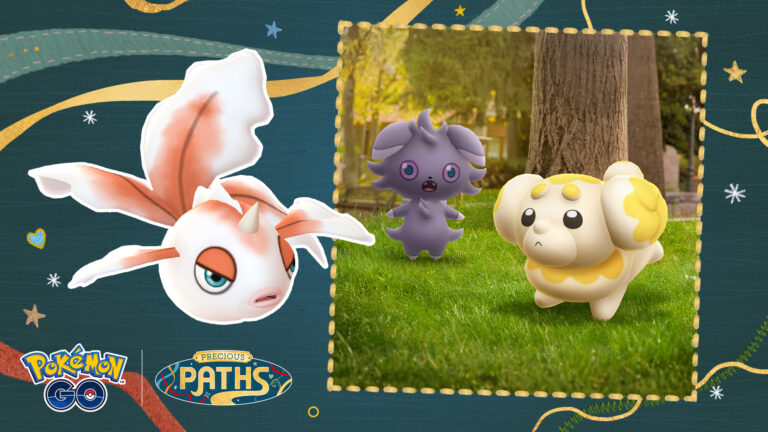
Pokémon GO has officially prepared for the Precious Pals event. It is one of the early offerings of the popular AR mobile game, following the High Zaptitude event. As always, the occasion includes Pokémon debuts, bonuses, and fun activities. This time around, developer Niantic is also adding limited-time evolution requirements.
Precious Pals Event Schedule
The new January event of Pokémon GO happens on January 20 (Tuesday) at 10:00 a.m. to January 25 (Sunday) at 8:00 p.m. local time. Specifically, it means that players have five days to take advantage of challenges and rewards.
Debuts, Wild Encounters, and Eggs
As per Niantic’s announcement, the biggest reveal is the first-ever appearance of Shiny Fidough. Introduced in Generation IX, this character is a tiny canine that has a big head and stubby legs. Lucky trainers can see the Fairy-type Pokémon during the event.
Fans are also in for many event-themed Pokémon wild encounters. As of now, the confirmed ones are Espurr, Fidough, Goldeen, Wimpod, and Zorua. In the same way, lucky players may even find a shiny version of the characters.
During Precious Pals, Pokémon GO trainers can expect to hatch five Pokémon from 2 km Eggs.
Here is a closer look at who they can hatch:
Fidough (Fairy-type Pokémon)
Goldeen (Water-type Pokémon)
Happiny (Normal-type baby Pokémon)
Riolu (Fighting-type baby Pokémon)
Togepi (Fairy-type baby Pokémon)
In the same way, shiny ones are available to hatch for lucky trainers.
Precious Pals Event Bonuses
Aside from first-time appearances, the celebration also brings several bonuses for all players.
More Candy XL after Buddy Pokémon walking activities
Ability to get more hearts with a Buddy Pokémon
Higher chance of finding Shiny Goldeen
Higher chance of hatching Shiny Fidough and Shiny Goldeen
At the same time, Niantic is letting fans enjoy limited-time evolution requirements. However, these only last until January 25 at 8:00 p.m. local time.
Turn Eevee into Sylveon after getting 20 hearts
Evolve Pancham into Pangoro after acquiring 10 Dark-type Pokémon
Transform Pawmo into Pawmot after exploring 5 km
Note: The special requirements require the base form Pokémon as a buddy.
Standard Event Activities
Like most events of the AR title, this one has field research tasks, collection challenges, and a paid time research. Of course, completion brings rewards, making the experience a whole lot better.
Looking Ahead
These offerings mark just the beginning of a rich Pokémon GO gaming experience in 2026. Trainers can also look forward to more events and celebrations from Niantic in the coming months. As of now, it kicked off the Australian Open at Melbourne Park, which will last until February 1. The in-person gameplay covers wild encounters, bonuses, and collection challenges.