

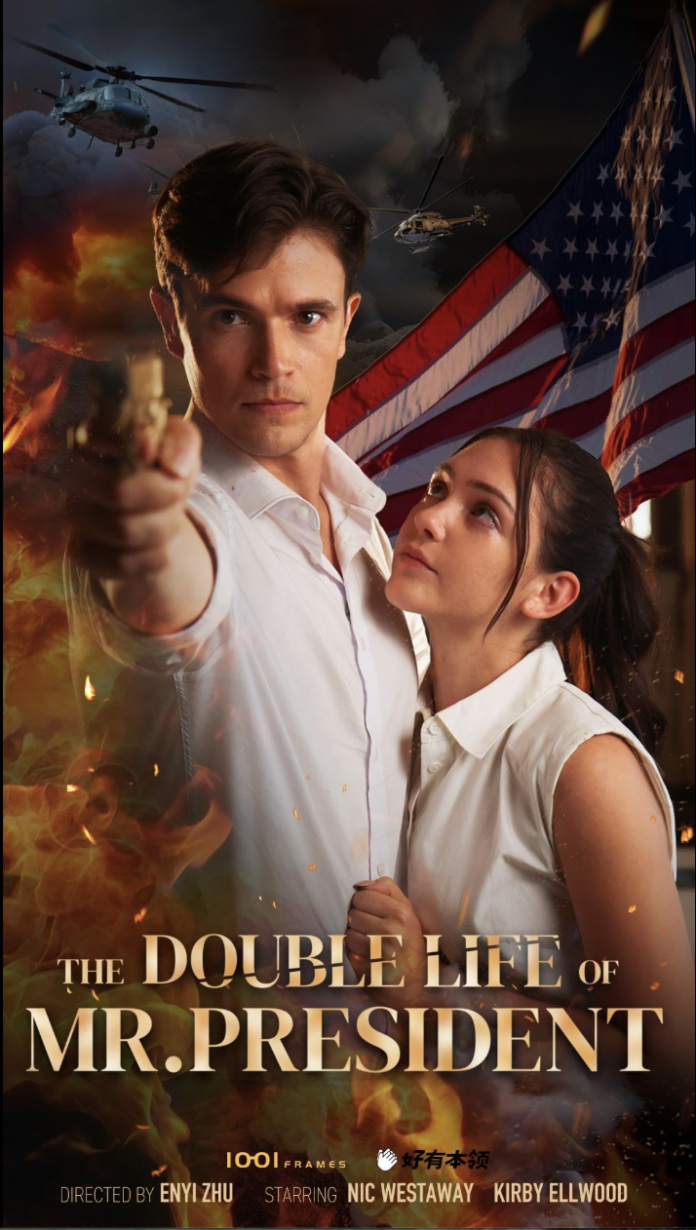
The rapid expansion of vertical dramas is reshaping the economics of scripted entertainment in the United States, where episodes lasting only one or two minutes must establish conflict, deliver emotional impact, and give audiences a reason to keep watching. As mobile-first productions attract substantial viewership and investment, screenwriters play a central role in shaping the pacing, character development, and dramatic tension that define the format.
The United States represents the largest market outside China, with projected revenues of $1.5 billion in 2026. Citing Omdia research, Reuters reported in August 2026 that the American microdrama audience had increased from 26 million monthly active viewers in 2024 to 66 million in 2025, reflecting the format’s expanding commercial reach.
Within this competitive industry, screenwriter Jiaying Jing has contributed to two vertical dramas that have attracted millions of views across major streaming platforms. The Double Life of Mr. President, released on November 7, 2024, on ReelShort, DramaBox, and BestShort, recorded approximately 9.6 million views and 69,300 bookmarks on ReelShort, alongside 644,000 views and 19,000 bookmarks on DramaBox. Individual episodes on ReelShort attracted roughly 5,000 to 7,900 likes. The series also recorded 15.3 million views on Soda TV. Her other project, Maid’s Vendetta, released on June 1, 2024, accumulated approximately 5.6 million views and 44,700 bookmarks on ReelShort, with individual episodes receiving 3,300 to 5,400 likes. DramaBox contributed another 660,000 views and 15,000 bookmarks, while Soda TV recorded an additional 8.6 million views for the series. As of October 6, 2026, the reported viewing figures for the two productions exceeded 16.5 million across ReelShort and DramaBox, with Soda TV’s listings showing a further 23.9 million views across the two titles.
Jing served as the screenwriter for both series, overseeing story development, character relationships, episode structures, dialogue, and script revisions. In The Double Life of Mr. President, Claire, a woman working at a fried chicken shop, becomes involved with William, the President of the United States, without initially knowing his true identity. The gap between what Claire knows and what the audience understands provides a recurring source of tension, particularly as personal conflicts become entangled with William’s political authority.

The sequence involving Claire’s drowning captures this dynamic. William’s decision to rescue her initially centers the scene on their emotional relationship, but the confrontation that follows takes on a different dimension when his concealed political status comes into play. What begins as an act of personal protection becomes a reversal of power, with the revelation of William’s identity changing the stakes of the encounter. The sequence also reflects the series’ broader approach to pacing. Extended dramatic developments are divided into brief episodes, with identity revelations, escalating misunderstandings, and impending confrontations positioned to carry tension across successive installments.
Maid’s Vendetta uses concealment to sustain a different kind of suspense. Developed by Jing from an original concept, the series follows Diana, whose family was devastated after her tutor, Sophie, became involved with her father. Years later, Diana returns under the name Raven and enters Sophie’s household as a maid, concealing her identity while pursuing revenge. The dramatic tension comes from Diana’s proximity to the person she holds responsible for her family’s destruction, turning encounters within the household into situations charged with the possibility of exposure.
The revenge plot remains anchored in Diana’s past, connecting her decisions and confrontations to the circumstances that brought her into Sophie’s home. Her assumed identity serves both as a means of carrying out her plan and as the central source of suspense. Across the short episodes, the story advances through consequential decisions and shifting relationships, with the threat of discovery remaining present as Diana moves closer to her objective.
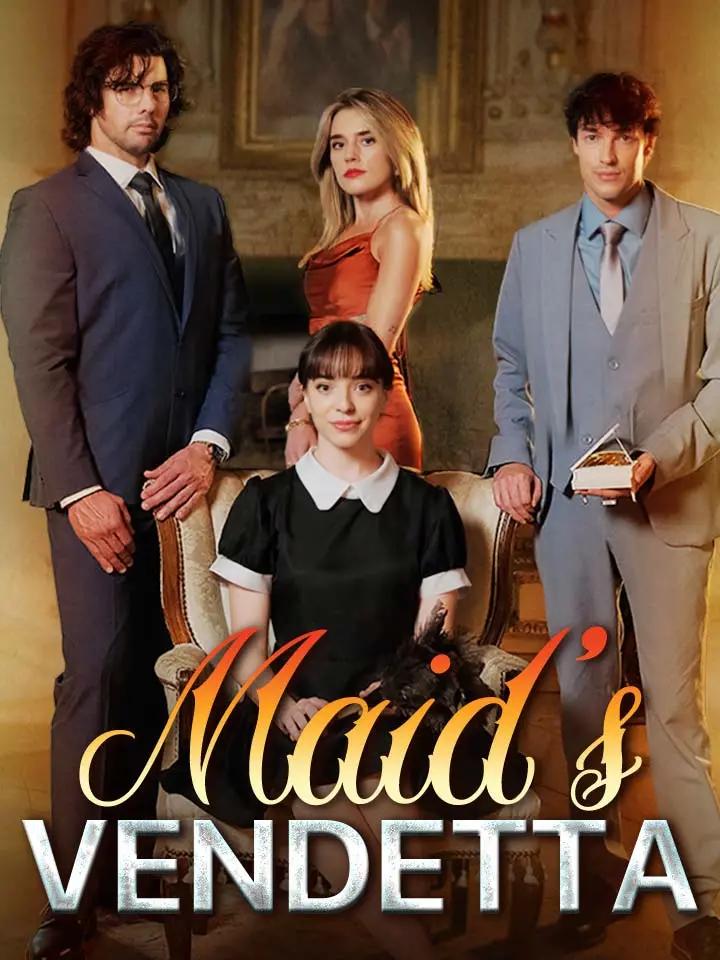
As vertical dramas secure a larger place in the American entertainment landscape, the demands of short-form storytelling place particular weight on the timing of revelations, the progression of conflict, and the emotional impact of each scene. Jing’s work on these two series offers a perspective on how established dramatic techniques can be adapted to the distinctive pace of mobile-first entertainment, underscoring the importance of screenwriting to the format’s continued commercial and creative development.

