

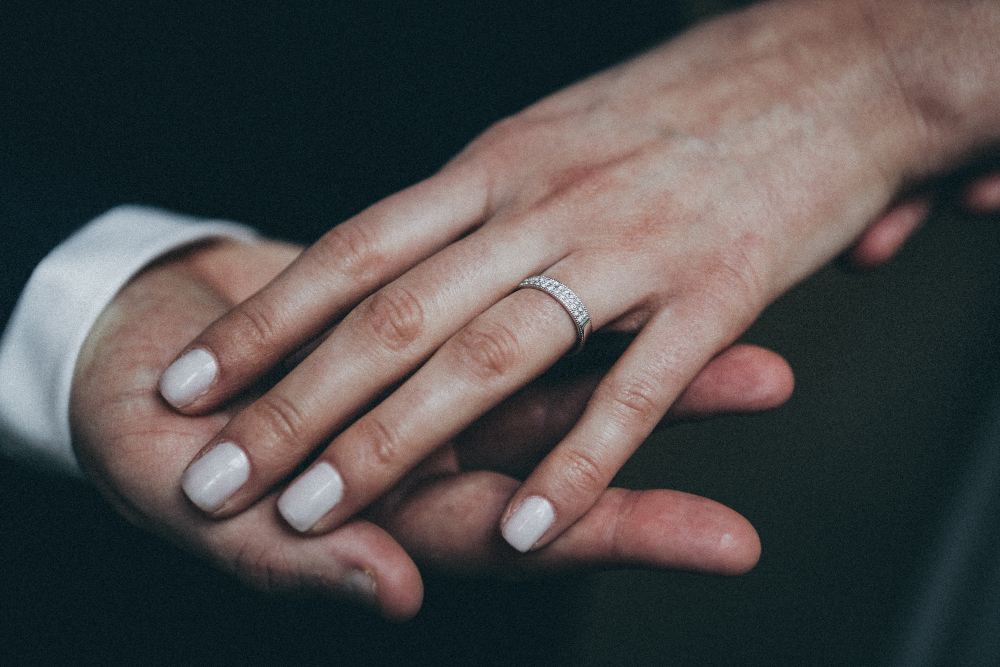
The process of selling engagement rings is not as simple as it might appear to many. You are aware of the price you paid for your ring, but you will not get that much from the sale. Moreover, there are various decisions that need to be made regarding whether to sell the ring to a jeweler, an online seller, or even try to sell it on your own.
A little bit of research can go a long way. The main things that should be considered in advance are: resale value, the documents related to the ring, the offers from the best buyers, and the procedure of selling. This is the way to avoid the most typical mistakes.
These five aspects are crucial for your future success: resale value, price, place of selling, preparation, and reliability of the buyers.
- Know What Drives Resale Value
The original price tag doesn’t tell you what your ring is worth today. Retail includes the design, the marketing, and the store overhead. A buyer will consider how much the ring is worth in the present market demand. That is why even a priced ring can be sold at a far lesser amount than the actual price.
The center diamond is the most important. There are four things buyers consider: cut, color, clarity, and carat weight. Those are verified by a grading report from a recognized grading laboratory like the Gemological Institute of America (GIA). The metal, condition of the ring, and the name of the designer can also move the offer.
Do not confuse an insurance appraisal with a resale valuation. An appraisal estimates what it would cost to replace the ring with a similar one. A buyer is thinking about what the ring will fetch on the resale market. Appraisals usually run higher, so do not expect an offer to match yours. Once you know the value of your ring, it is easier to figure out where to sell engagement ring pieces like yours for the best price.
- Set Realistic Price Expectations
Plenty of sellers hope to recoup most of what they spent. Offers rarely come close. Resale offers often land around 20% to 50% of the original price, depending on the ring. Diamond quality, certification, brand, metal, and market demand all play a part.
The market shifts, too. Diamond prices and demand change over time, and buyers value stones differently. A designer ring or a well-documented diamond may draw more interest than a similar piece with no paperwork. Still, no feature guarantees a particular offer.
Before you contact anyone, set a price range. Check what comparable pre-owned rings are selling for, then request quotes from two or three reputable businesses. Compare each offer alongside fees, shipping costs, and return terms. The highest quote isn’t always the best deal, especially if the final offer or the service terms turn out to be worse.
- Compare Places to Sell Your Ring
You have more options than you might think. Specialty diamond buyers evaluate the stone and setting before making an offer. Local jewelers sometimes buy pre-owned rings, but policies vary. Pawn shops offer a fast sale, but expect lower offers. A quick phone call to each type of buyer will tell you a lot about how they operate.
Private marketplaces let you set your own price and negotiate directly. The tradeoff is more work: you will write the listing, answer questions, arrange payment, and set up a safe meetup. For in-person handoffs, pick a public spot like a bank lobby or police station parking lot. Consignment shops and auction houses suit distinctive or high-value pieces, but they can take a while, commissions cut into your payout, and a sale is not guaranteed.
If you would rather skip the store visits, an online diamond buyer may fit. You can usually start by submitting the details of your ring online. Before you pick one, look closely at its valuation process, shipping, payment terms, and return policy. Recent customer reviews can show how the buyer handles a complicated deal. The whole experience matters, not just the first number you see.
- Gather Your Documents Before You Request a Quote
Start by pulling together whatever paperwork you have. A GIA grading report, the original receipt, a past appraisal, or designer documentation can confirm the ring’s characteristics and history, and they usually make the initial assessment easier. Check old jewelry boxes, email receipts, and insurance files, since paperwork often turns up in unexpected places. If you can’t find everything, don’t worry. A specialist can still work with what you have.
When you request a quote, give accurate details about the diamond, setting, metal, and brand. If the buyer accepts photos, take clear shots from several angles in good light, ideally against a plain, neutral background. Mention any visible damage or loose stones up front rather than hoping no one notices. Honest details mean fewer surprise changes to the offer later.
You probably don’t need to repair the ring first, since repairs often cost more than they add to the offer. Ask the buyer whether the damage affects its valuation before you spend a dime. Then follow the buyer’s instructions for preparing and shipping the ring, and keep copies of everything you submit in one folder so you can find them quickly.
- Check Buyer Terms and Shipping Safety
Research the buyer before you send anything. Look for clear contact information, a verifiable business address, customer reviews, and written policies. Read what past customers say about communication, changes to offers, and returns. Be wary of any buyer who pressures you to decide quickly or won’t explain how it values rings.
Shipping needs extra attention when you sell online. Find out who provides the label, how to pack the ring, and what insurance applies. Look for a buyer that offers a prepaid label and fully insured shipping. Follow the packing instructions, and keep your receipt and tracking number until the sale is complete.
Read the final offer and payment terms before you agree to anything. A quote can change once the buyer inspects the ring in person, but the reason should be clear. Ask when you’ll be paid, whether any fees apply, and what happens if you say no. A good buyer will return the ring at no charge if you don’t accept its offer. Get these answers up front, and you won’t be caught off guard.
Conclusion
Selling an engagement ring takes more than finding a buyer. Know what your ring is worth, compare offers, gather your paperwork, and check the buyer’s reputation. Pay close attention to shipping insurance, payment terms, and the return policy, since those details can make or break the experience.
Start by collecting your documents and requesting quotes from a few reputable buyers. Compare the full terms, not just the prices. If anything is unclear, ask before you commit. Most important, don’t rush. Taking your time lets you avoid costly mistakes and walk away from the sale feeling confident in your decision.

