

There’s a familiar moment that keeps happening. Someone suggests going out. Everyone agrees it sounds nice. Then reality kicks in. Prices. Travel. Timing. Energy. Before you know it, the plan quietly falls apart and the group chat goes silent. No one’s annoyed, but everyone’s a bit disappointed. You tell yourself this is just how adulthood works and move on, even though you miss actually spending time together.
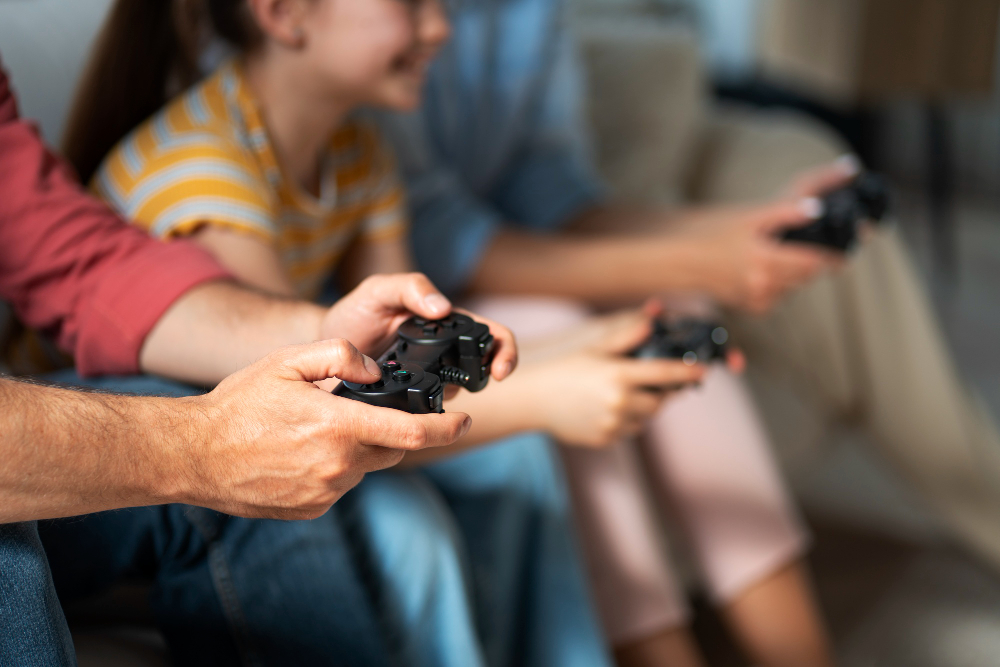
That’s where gaming sneaks in. Not as a big decision or a lifestyle change, but as the easiest option left on the table. No bookings. No getting ready. No spending money you’ll regret tomorrow. Just showing up, talking, and doing something together. And honestly, that starts to feel like a win.
Nights out stopped being the obvious choice
It’s not that people don’t like going out anymore. It’s that it’s become a lot harder to justify. You add up food, drinks, transport, and suddenly a casual evening feels like a financial commitment. Even when you try to keep it simple, costs creep in from everywhere.
A night in with games flips that completely. You’re entertained for hours without watching your bank balance drop. There’s no pressure to stay out longer just to make it “worth it.” You can hang out, laugh, and log off when you’re tired. That freedom changes how social time feels, especially when money is tight or priorities have shifted.
Scheduling gets easier when nobody has to travel
One of the biggest barriers to seeing friends is distance. Different cities. Different countries. Different time zones. You want to meet up, but coordinating everyone’s schedules feels like organising a small event, and nobody wants to deal with that kind of pressure.
Gaming removes that friction. You don’t need everyone in the same place. You don’t even need everyone free for long. People can drop in late, leave early, or just listen in. That flexibility makes it easier to actually make plans happen instead of talking about them for weeks and never following through.
Games give you something to do together
A lot of social plans rely on conversation alone. That’s fine, but it can feel awkward or draining, especially after a long day. Games give everyone a shared focus. Something to react to. Something to laugh about.
That’s why even a quick game of poker without the need to gamble can be enough to spark an evening. You’re not staring at each other waiting for topics to come up. You’re doing something together, and conversation flows naturally around it. The activity carries the social weight, which takes pressure off everyone involved.
It’s social without being exhausting
There’s a big difference between being social and being overwhelmed. Loud spaces, constant noise, and forced energy drain people faster than they realise. Gaming lets you control the vibe.
You can talk when you want. Stay quiet when you don’t. Sit in comfortable clothes. Eat your own food. That balance makes socialising feel sustainable again, especially for people who still want connection but don’t want to be “on” all the time. It’s relaxed in a way that traditional nights out rarely are anymore.
Distance stops mattering as much
One of the quietly powerful things about gaming nights is how they keep long-distance friendships alive. When friends move away, staying close usually gets harder over time. Messages get shorter. Calls get rarer. Life fills the gaps.
Games create shared experiences again. Inside jokes. Moments. Stories you reference later. You’re not just catching up on life, you’re doing something together in the present. That shared time matters more than people realise, especially when geography would otherwise pull friendships apart.
It’s easier to mix different friend groups
Combining friend groups can be awkward. Different personalities. Different interests. Different dynamics. Gaming smooths that out because it gives everyone common ground instantly.
You don’t need to explain why you know someone or manage conversation flow. The game does that for you. People bond over mechanics, strategies, and shared wins. Over time, separate groups start feeling like one because they’re connected through the same activity rather than forced interaction.
You end up meeting new people naturally
Another unexpected bonus is how often gaming introduces you to new people. Friends bring friends. Someone invites a teammate. Suddenly there’s a new voice in the group chat and everyone gets to know them.
Because you’re already doing something together, meeting new people feels low-pressure. There’s no awkward introduction phase. You’re just there, playing. That’s how groups grow without effort, and how social circles expand without needing formal plans or events.
It reflects a bigger cultural shift
This isn’t just a personal thing. Gaming is now completely reshaping global culture, including how people socialise. It’s no longer niche or isolating. It’s mainstream, shared, and woven into how friendships work.
People don’t talk about games instead of life. They talk about life while playing games. That distinction matters. Gaming hasn’t replaced socialising. It’s adapted it to fit modern lives that are busier, more expensive, and more spread out than ever before.
Why gaming instead of a night out just makes sense in today’s world
At some point, the question stops being whether gaming is a good way to spend a night in with friends, and starts being why it works so well. It removes the pressure, the cost, and the effort that often get in the way of seeing people you care about. You still laugh, still talk, still share moments, just without the hassle that comes with traditional plans. It fits around real life instead of competing with it.
For a lot of people, that’s exactly what makes it special. You don’t have to choose between being social and being comfortable. You don’t have to wait for the perfect time or perfect plan. You just show up, play something together, and let the evening unfold naturally. And once you realise how easy and enjoyable that feels, it’s hard not to wonder why you ever made it more complicated than it needed to be.

