

You have probably already noticed that the way we understand beauty today has changed dramatically compared to past decades, when the focus was on “fixing” isolated little details or following specific molds that the industry itself defined as beauty standards. What we look for now is real harmony, something more natural, where everything we project truly aligns with our essence.
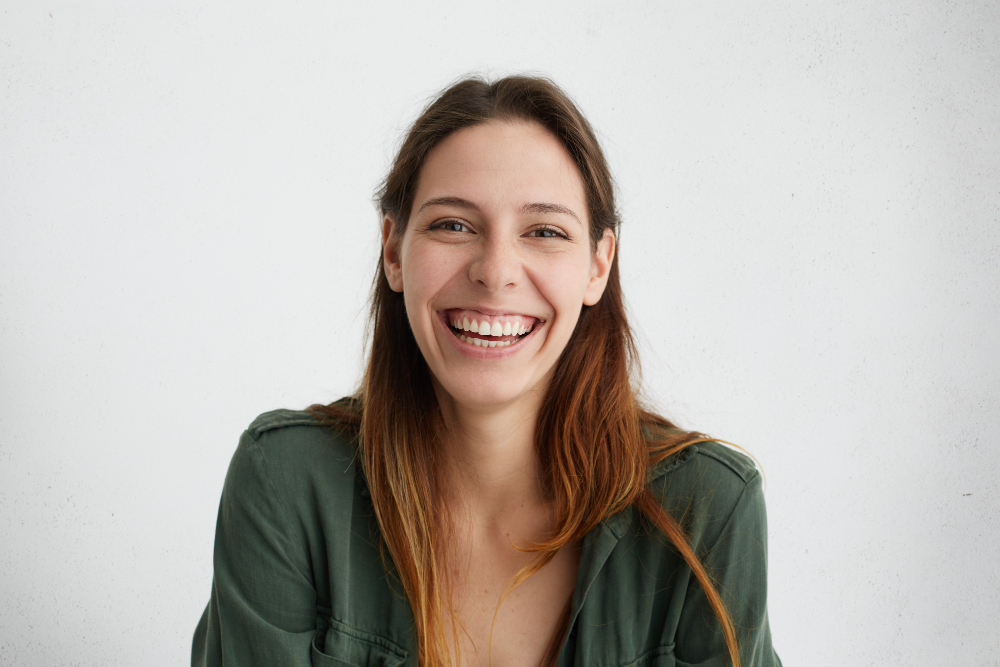
These days, looking good goes far beyond choosing a great outfit or being consistent with the skincare routine you do at night. In 2026, the smile stopped being a complement and became the true star of personal style. It is the best accessory because it brings everything together and gives you confidence.
Let’s talk about the importance of your smile in a society where the best calling card is the one you present on your face.
Beauty is no longer thought of in isolated parts
For a long time, aesthetics were organized into separate categories: clothing on one side, the face on another, and personal care somewhere else.
Today, that division is no longer as clear, because beauty is now understood as a system where everything is connected. A look does not end with clothing. What really closes the circle and elevates your image is that spark of confidence that only an authentic smile can convey. It is the accessory that never goes out of style and the one that says the most about you without speaking a single word.
The logic of the contemporary polished look
What does “looking put together” mean to you? For generations, the answer would have changed radically, but today it no longer implies excessive styling. Instead, it means a sense of balance, where we see harmony between:
- Well-cared-for skin, not overloaded
- Well-chosen clothing, without excess
- Details that add something without taking over
Within this logic, the smile works as the finishing point of the whole look.
So what happens with the smile and modern beauty?
The smile is no longer seen only as a health issue, because now it forms part of how a person presents themselves to others. A smile can communicate confidence, order, or attention to detail, even without being the main focus. That is why it has become such a central point in conversations about personal care.
So why is it no longer seen as only a clinical issue?
The most important change is cultural. What used to be seen as a functional procedure has now become a key part of a person’s aesthetic identity. But be careful, this does not mean it loses its medical foundation. It simply becomes part of a broader conversation about personal image.
The intersection of wellness, aesthetics, and personal style
Wellness has expanded its reach and is no longer limited to exercise or nutrition. It now includes everything that affects how a person feels and how they project themselves. That is why the smile is connected to habits and ongoing care, not only to occasional interventions.
One of the most visible changes is the way aesthetic improvement is now understood. Before, the goal might have been to correct or transform. Today, the focus is on achieving harmony, and that comes from maintaining natural proportions, avoiding results that feel artificial, and seeking coherence with the face.
Social media, close-ups, and visual culture
It is important to point out that the growth of social media and media exposure has changed the way people observe themselves and perceive their own image. Front-facing cameras, video calls, and digital content have placed the face in the foreground, and now we pay more attention to details that once went unnoticed.
Because of this, people see themselves more often, and that influences how they perceive their image and which aspects they decide to care for more closely. Naturally, the smile, being a central part of the face, has gained much more importance and plays a stronger role in this daily self-observation.
The smile as a style decision, not only as a procedure
As we mentioned before, the decision to work on the smile is no longer made only from a functional perspective. It is now also approached from an aesthetic angle, even though both concerns can often be addressed at the same time. Specialized aesthetic dental clinics, such as Olive Dental Solutions, have entered a conversation that is no longer just medical, but also cultural and visual.
This reflects a growing demand for highly specialized professionals who can address both the functional and aesthetic needs of a person’s smile without stripping away identity. The goal is not transformation, but subtle refinement.
The rejection of artificially uniform results
Another important trend is the rejection of results that look the same in every case and make people show fake-looking smiles with overly artificial teeth. That is why it is so important to visit specialists who know how to do the best work according to what you actually need, instead of following generic beauty trends.
What this trend says about today’s image culture
The way image is built today has a lot to do with how people want to be perceived in a society driven by visual trends. For that reason, it is important to be careful, because the goal is not only to look good, but to make sure your image does not lose its natural quality or functionality.
A good dental clinic will guide you before any aesthetic procedure and will be honest with you if your teeth are already healthy and do not require invasive treatment, but only a few subtle adjustments.
The smile as part of this generation’s personal edit
Beauty in 2026 is built through detail. There is no single element that defines image, but rather a series of decisions that together create coherence.
The smile has become part of this logic as one more component of personal style. It is no longer an isolated topic, but part of how people edit and present their own image.
This transformation is also reflected in the way certain clinics present their services, adapting to a conversation where the focus is no longer only technical, but also aesthetic and cultural.

