

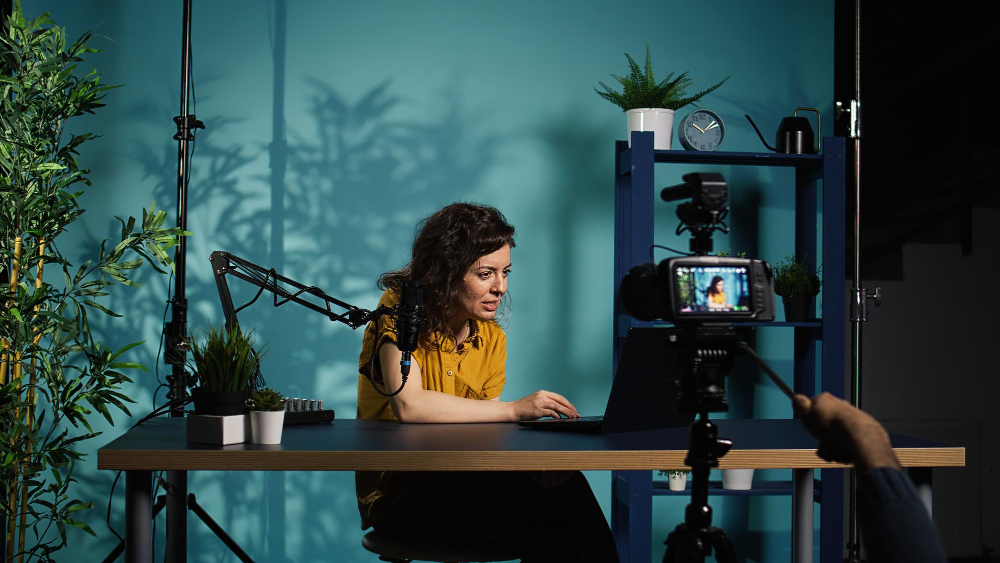
We are living through a fundamental reimagining of what it means to work. In the last decade, the creator economy has reshaped the professional landscape, turning bedrooms into recording studios, kitchen tables into content studios, and personal experience into viable income. But beyond YouTube channels and Instagram aesthetics, a quieter, more radical shift has been underway: women are monetizing intimacy, and they are doing it entirely on their own terms.
This is not a story about shock value. It is a story about agency, financial independence, and the slow but steady dismantling of the idea that a woman’s body, her desires, and her personal brand exist solely for the consumption of others, never for her own economic benefit.
From Side Hustle to Self-Sovereignty
The creator economy, broadly speaking, refers to the ecosystem of independent content producers who earn income directly from their audiences rather than through traditional employment. Estimated to be worth over $500 billion globally, it has democratized income generation in a way no previous economic model has managed. A person with a phone, a niche, and an authentic voice can build something real.
For women, this has opened doors that were not just previously closed. They were never built in the first place.
Within this ecosystem, intimate marketplaces have emerged as one of the most talked-about, least understood segments. Platforms like Sofia Gray have created structured, safe environments where sellers, the overwhelming majority of them women, can offer personal, intimate items to consenting adult buyers. The transactions are legal, the community guidelines are strict, and the sellers set every variable: price, content, communication boundaries, and identity disclosure.
One of the most common questions newcomers to this space ask is a practical one: what can I actually earn? The answer varies widely depending on effort, presentation, and niche, but understanding how to price your used panties reveals something telling about this market’s maturity. Sellers are not just making a few dollars on the side. Many are generating consistent, meaningful supplementary income, with experienced sellers commanding significant premiums for custom requests, storytelling, and personal connection.
That pricing power is significant. It is the market reflecting back something the mainstream economy has long ignored: intimacy has value, and the people who create it deserve to be compensated.
The Psychology of Selling Intimacy
What makes intimate marketplaces particularly interesting from a cultural lens is not the product itself. It is the psychology of the exchange.
Conventional employment extracts value from workers while distributing the profits elsewhere. In intimate marketplaces, the seller is the brand, the product, and the business owner simultaneously. There are no middlemen taking cuts from someone else’s creativity and vulnerability. The economics are direct.
For many women who sell in these spaces, the appeal is not just financial. Sellers frequently describe a sense of reclaimed confidence, discovering that aspects of themselves they had been taught to minimize or be ashamed of are, in fact, valuable and sought after. There is something quietly revolutionary about that realization.
Dr. Angela Jones, a sociologist who has studied online sex work and intimate labour, has described this economic model as one of the few arenas where women consistently outperform their male counterparts, not because of systemic support, but because the skill set involved (emotional intelligence, personal branding, communication) is one women have been socially trained to develop their entire lives. The difference is that here, it translates to actual income.
Stigma as the Last Barrier
Despite its growth, the intimate creator economy still faces significant social stigma, and that stigma falls disproportionately on sellers, not buyers.
This double standard is nothing new. Throughout history, women who have monetized aspects of femininity or sexuality have been subject to moral scrutiny that their male counterparts simply do not face. The 21st-century version of this plays out online: sellers who are open about their work risk professional consequences, social ostracism, and the ever-present threat of being “outed” to family or employers.
Platforms like Sofia Gray have responded to this reality with practical infrastructure: anonymized seller profiles, pseudonyms, discreet packaging, and community guidelines that prioritise seller safety. The design philosophy is not incidental. It reflects an understanding that the biggest barrier to participation for many potential sellers is not desire or entrepreneurial drive, but fear of exposure.
As cultural attitudes evolve, there are signs that this is slowly changing. Conversations around sex work decriminalization, intimate labor rights, and the broader feminist reclamation of bodily autonomy are finding mainstream audiences in ways they simply did not a decade ago. Gen Z, in particular, approaches these conversations with a matter-of-factness that older generations struggled to access.
What the Mainstream Creator Economy Can Learn
The intimate creator economy is, in many ways, ahead of the broader conversation about worker rights, platform ethics, and creative ownership.
While mainstream platforms like YouTube and Instagram have spent years extracting enormous value from creators before slowly, reluctantly sharing revenue back, intimate marketplaces were built from the start around seller primacy. The seller sets the price. The seller controls the narrative. The seller decides how much access a buyer gets and at what cost.
That is not a niche quirk. That is a model the wider creator economy is only beginning to catch up to, driven by creator revolts, payment disputes, and a growing public awareness that the people making the content deserve the lion’s share of the value it generates.
The women monetizing intimacy were never just making unconventional choices about their bodies. They were, whether they framed it this way or not, building some of the most seller-centric, autonomy-first business models in the entire digital economy.
The Future Is Personal
The creator economy’s next chapter will be defined not by scale, but by depth. Mass audiences are fragmenting. Parasocial relationships are deepening. The most valuable thing a creator can offer in an algorithmically saturated world is authentic human connection, which is, when you think about it, exactly what intimate marketplaces have offered all along.
Women who have built businesses in this space were not ahead of a trend. They were ahead of an understanding, one the rest of the economy is slowly arriving at, that the most sustainable, empowering income is income that flows directly from who you are, not from suppressing it.
And as this space matures, so too does the infrastructure around it. Sellers are not just building storefronts anymore. They are building personal brands, complete with loyal audiences, distinct identities, and reputations that extend across platforms. For anyone serious about long-term visibility in the creator economy, understanding the principles of personal branding has become just as essential as mastering the product itself. The sellers who thrive are those who treat their name, their voice, and their presence as assets worth investing in.

