

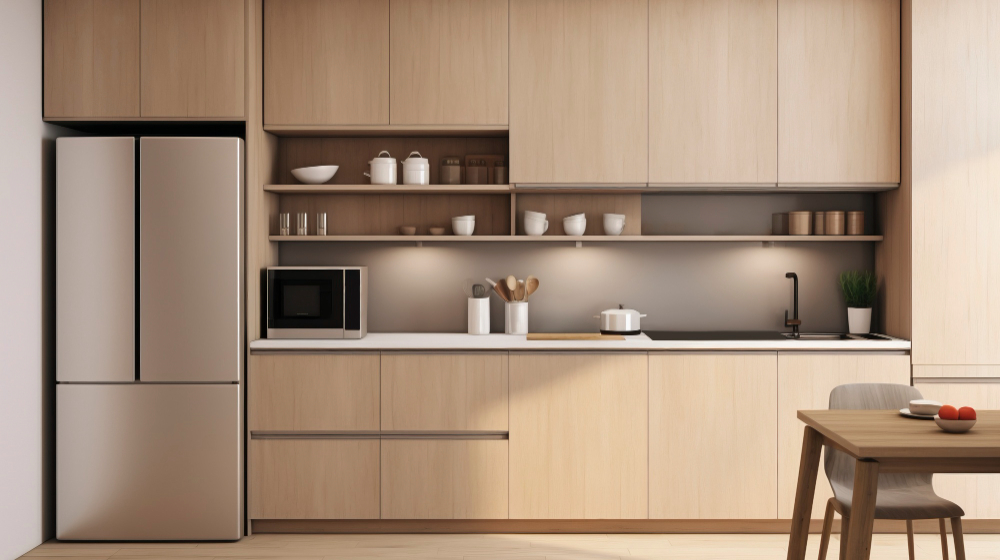
Building a kitchen unit is one of the most rewarding home improvement projects a homeowner can take on. Whether you are creating a compact storage wall, a modern kitchen island, or a complete cabinet system, a well-built kitchen unit can dramatically improve functionality, organization, and the overall value of your home.
In 2026, homeowners are focusing more on custom layouts, efficient storage, and durable materials rather than relying solely on generic, prefabricated options. The rise of minimalist kitchens, hidden storage, and multi-functional spaces has made custom kitchen units more popular than ever. While the process requires careful planning and precision, building your own kitchen unit is achievable with the right approach.
This guide walks through the key steps involved, from planning and material selection to installation and finishing.
Planning Your Kitchen Unit Before You Start
The planning stage is where successful kitchen projects are won or lost. Before cutting materials or purchasing hardware, it is important to understand how the unit will function within the overall kitchen layout.
Measure the Space Carefully
Accurate measurements are essential. Even small errors can create alignment issues, uneven countertops, or gaps between cabinets and walls.
Start by measuring:
- Total wall width and height
- Appliance dimensions
- Door and window clearances
- Plumbing and electrical locations
- Walkway space around the kitchen
Many homeowners underestimate how much space cabinet doors and drawers require to open comfortably. Leaving proper clearance helps prevent the kitchen from feeling cramped once everything is installed.
Determine the Purpose of the Kitchen Unit
Not all kitchen units serve the same purpose. Some are designed mainly for storage, while others function as prep stations, seating areas, or integrated appliance zones.
Consider whether the unit needs:
- Deep drawers for pots and pans
- Open shelving for decorative storage
- Hidden waste bins
- Pantry pull-outs
- Seating for dining or entertaining
- Space for small appliances
Defining the primary function early will influence both the layout and material choices later in the project.
Choose a Kitchen Style That Fits the Home
Consistency matters in kitchen design. A modern slab-style cabinet may feel out of place in a traditional farmhouse kitchen, while ornate cabinetry may overwhelm a minimalist interior.
Popular kitchen styles in 2026 include:
- Shaker cabinetry
- Flat-panel modern kitchens
- Warm wood finishes
- Matte neutral colors
- Mixed-material kitchens
- Integrated handle-free designs
When researching layouts, cabinet styles, and modern kitchen inspiration, many homeowners use resources like Kitchen Search to better understand which kitchen configurations fit their space and storage needs.
Choosing the Right Materials for a Kitchen Unit
The quality of materials directly impacts the durability and appearance of the finished kitchen unit. Kitchens experience constant exposure to moisture, temperature fluctuations, grease, and heavy daily use, so material selection matters.
Best Cabinet Materials in 2026
Plywood remains one of the most reliable choices for cabinet construction because of its strength and resistance to warping. High-quality plywood performs especially well in kitchens where moisture resistance is important.
MDF is another common option because it creates a smooth painted finish. However, it is generally better suited for doors and decorative panels rather than structural cabinet boxes.
Solid wood offers durability and a premium appearance, though it typically comes at a higher cost and may expand or contract slightly over time.
For homeowners prioritizing longevity, moisture-resistant engineered materials continue to gain popularity in modern kitchen builds.
Selecting Countertop Materials
Countertops affect both aesthetics and functionality. Quartz remains one of the most popular options because it combines durability with low maintenance. Butcher block countertops offer warmth and character, while laminate surfaces provide a more budget-friendly solution.
Natural stone surfaces such as granite continue to appeal to homeowners who want a timeless, high-end appearance.
The best choice depends on:
- Budget
- Maintenance preferences
- Cooking habits
- Desired style
- Resistance to stains and scratches
Hardware Matters More Than Most People Think
Cabinet hardware plays a major role in the overall user experience. Cheap hinges and drawer slides can quickly lead to sagging doors, sticking drawers, and long-term frustration.
Soft-close hinges, heavy-duty drawer slides, and concealed hardware systems are now considered standard features in many modern kitchens.
Investing in quality hardware helps the kitchen unit feel more polished and professional once completed.
Tools You’ll Need to Build a Kitchen Unit
Building a kitchen unit does not necessarily require a professional workshop, but having the right tools significantly improves both accuracy and efficiency.
Essential DIY Tools
At minimum, most homeowners will need:
- Circular saw
- Drill and driver
- Measuring tape
- Clamps
- Level
- Sander
- Stud finder
Accurate measuring and leveling tools are especially important because uneven cabinet installations become very noticeable once countertops are added.
Helpful Tools for Better Precision
For more advanced projects, additional tools can improve results:
- Pocket hole jig
- Table saw
- Miter saw
- Cabinet hardware jig
- Laser level
These tools help create cleaner cuts, tighter joints, and more professional alignment.
Step-by-Step Process to Build a Kitchen Unit
Once planning and materials are finalized, construction can begin.
Step 1: Create a Detailed Plan
Sketch the kitchen unit with precise measurements before making cuts. Include cabinet widths, shelf spacing, drawer placement, and countertop dimensions.
This planning stage helps reduce material waste and prevents costly mistakes during assembly.
Step 2: Build the Cabinet Boxes
Cabinet boxes form the structural foundation of the kitchen unit.
Cut all panels carefully and assemble them squarely using screws, wood glue, or pocket hole joinery. Reinforce corners and support areas where heavy countertops or appliances will sit.
Take extra time during this phase because minor alignment issues can multiply during installation.
Step 3: Install Shelving and Storage Components
Internal organization has become a major priority in modern kitchen design. Adjustable shelving, pull-out organizers, and deep drawers help maximize functionality without increasing the overall footprint.
Think practically about how items will actually be stored and accessed daily.
Step 4: Install Doors and Hardware
Cabinet door alignment requires patience. Uneven spacing or crooked hinges can immediately make the kitchen feel lower quality.
Soft-close hinges are highly recommended because they improve durability while creating a smoother user experience.
Once doors are installed, add handles or integrated pulls depending on the kitchen style.
Step 5: Add Countertops and Finishing Details
Countertops should be installed carefully to ensure level surfaces and tight seams.
After installation:
- Seal exposed edges
- Apply protective finishes
- Caulk gaps near walls or sinks
- Waterproof vulnerable areas
These finishing touches help protect the kitchen unit from long-term wear and moisture damage.
Common Mistakes to Avoid When Building a Kitchen Unit
Even experienced DIYers can run into problems during kitchen projects. Avoiding common mistakes can save significant time and money.
Poor Measurements
Measurement errors remain one of the biggest causes of failed kitchen installations. Always double-check dimensions before cutting materials.
Ignoring Kitchen Workflow
A beautiful kitchen that functions poorly quickly becomes frustrating to use.
Think about:
- Movement between appliances
- Prep space accessibility
- Storage convenience
- Traffic flow around the kitchen
Efficient layouts often matter more than adding excessive cabinetry.
Choosing Cheap Materials
Low-quality materials may initially reduce costs, but they often lead to premature wear, swelling, sagging, or damaged finishes.
Kitchen units should be built with durability in mind, especially in high-use households.
Underestimating Remodeling Complexity
For homeowners taking on larger renovations alongside cabinet installation, working with experienced remodeling professionals like Capital Construction can help ensure the kitchen layout, structural elements, and finishing work are completed correctly.
Modern Kitchen Unit Trends in 2026
Kitchen design trends continue shifting toward cleaner layouts and smarter functionality.
Hidden Storage Solutions
Many modern kitchens now incorporate:
- Appliance garages
- Pull-out pantry systems
- Hidden charging stations
- Concealed waste bins
These features help kitchens feel cleaner and less cluttered.
Multi-Functional Kitchen Spaces
Kitchen units are increasingly designed to support multiple purposes beyond cooking. Islands often double as workspaces, dining areas, and entertainment hubs.
As remote work continues influencing home design, flexible kitchen layouts remain highly desirable.
Sustainable Materials
Eco-conscious materials are becoming more common in both cabinetry and countertops. Homeowners are paying closer attention to:
- Low-VOC finishes
- Sustainably sourced wood
- Long-lasting materials
- Energy-efficient layouts
Durability and sustainability now go hand in hand in many kitchen projects.
Should You DIY or Hire a Professional?
Building a kitchen unit yourself can be rewarding, especially for smaller projects or homeowners comfortable with tools and measurements.
DIY may make sense if:
- The layout is relatively simple
- Structural changes are unnecessary
- Plumbing and electrical systems remain untouched
- Budget savings are a priority
However, professional help is often worthwhile for larger remodels involving:
- Structural modifications
- Complex layouts
- High-end finishes
- Appliance relocation
- Plumbing or electrical work
The right decision depends on your experience level, timeline, and the complexity of the kitchen design.
Final Thoughts
Learning how to build a kitchen unit requires planning, patience, and attention to detail, but the results can completely transform a home. A well-designed kitchen unit improves storage, enhances workflow, and creates a more functional living space that reflects modern design preferences.
Whether you are building a compact cabinet system or planning a full kitchen renovation, focusing on quality materials, thoughtful layout design, and precise installation will always lead to better long-term results.

