

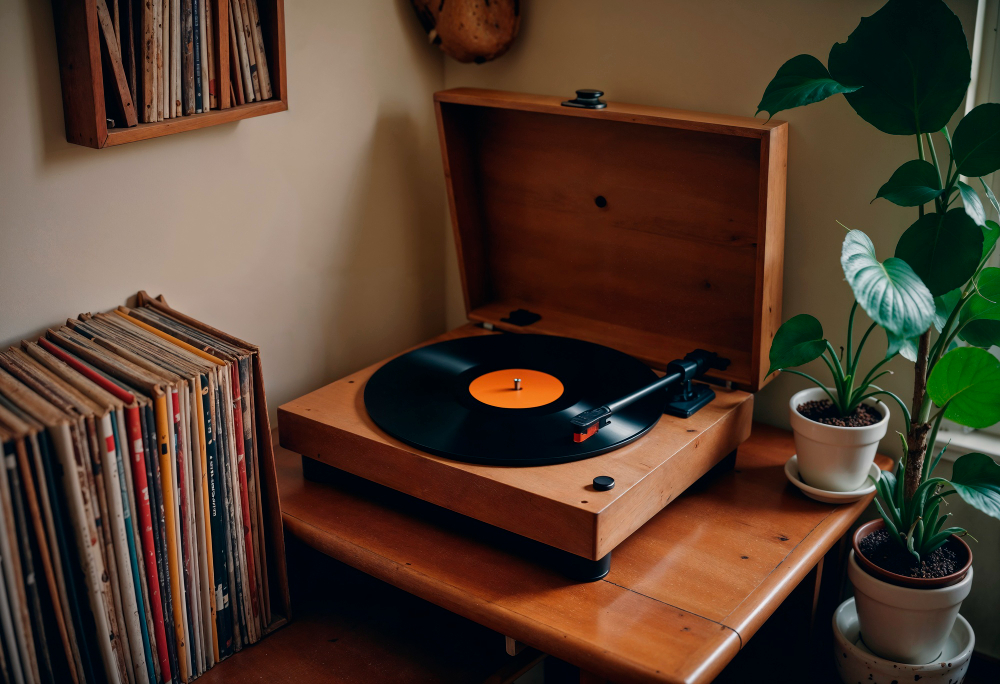
Modern life often feels like a constant race against the clock. Finding time to unplug is no longer a luxury but a requirement for mental health. Creating a sanctuary at home involves more than just picking a comfortable chair. It requires a thoughtful blend of sound, light, and sensory details that tell your brain it is safe to let go.
Convenience and Modern Comforts
Creating a peaceful environment is easier when the logistics are handled. Residents looking for ease often turn to local services to round out their experience. For many, utilizing cannabis delivery California provides a simple way to access products that complement a quiet evening of music. Having your favorite items brought directly to your door eliminates the need to navigate traffic or crowded stores. This ensures your state of calm remains uninterrupted from start to finish.
Technology should serve your relaxation, not disrupt it. Modern smart home systems can automate your lighting and temperature so you don’t have to look at a screen. The goal is to make the technology “invisible”. When your environment adjusts itself to your needs, you can stay fully immersed in the music and the atmosphere you have created.
Choosing the Right Frequencies
The technical side of audio can also play a role in how you feel. Standard music is usually tuned to 440 Hz, but some listeners prefer 432 Hz for relaxation. Recent studies suggest that music tuned to 432 Hz may help reduce heart rate and blood pressure more effectively than standard tuning. This frequency is often described as having a softer and more rounded tone.
While classical music is a popular choice, it is not the only option. Native American flutes, Celtic strings, and Indian instruments like the veena are noted for their ability to quiet the mind. The key is to select music that you genuinely enjoy. Forcing yourself to listen to “relaxing” tracks that you find annoying will actually increase your tension rather than melting it away.
Visual Elements and Warm Minimalism
The visual environment serves as the backdrop for your auditory experience. Current design trends for 2026 lean heavily into “warm minimalism”. This approach moves away from the cold, clinical look of past years. It focuses on using natural wood tones, creamy neutrals, and soft fabrics to create a space that feels inviting.
Color choice is another pillar of a calm space. Earthy tones like sage green, terracotta, and warm taupe are replacing the stark greys of previous decades. These colors help ground the room and connect you to the natural world. Muted blues and teals also remain effective because they offer a sense of serenity without feeling too dark or heavy.
Balancing the Light
Lighting should never be an afterthought. Fixed overhead lights can be harsh and often trigger a state of high arousal. Instead, a layered lighting scheme is the preferred method for relaxation zones. This involves using multiple light sources that can be adjusted based on your mood or the time of day.
- Natural daylight is considered the best for indoor well-being.
- Dimmable LED lights allow for subtle manipulation of the mood.
- Neutral-colored lights are generally more soothing than bright, intense hues.
- Strategic placement of lamps can prevent direct glare and create soft shadows.
Integrating Natural Soundscapes
If music feels too structured for your session, natural sounds offer a powerful alternative. Sounds like birdsong, falling rain, or rustling leaves have a positive association with mental restoration. These “green” soundscapes can reduce the impact of mechanical noises from the street or noisy neighbors.
Some people find success by mixing nature sounds with music. For example, the sound of a distant thunderstorm paired with light jazz can create a complex and comforting layer of audio. This helps drown out the “hustle” of the outside world. It allows you to focus entirely on the present moment.
Tactile Comfort and Physical Space
The way a room feels to the touch is just as important as how it looks. Using a variety of textures can add depth to your relaxation corner. Materials like bouclé fabric, chunky knit throws, and natural fiber rugs provide a sensory experience that synthetic options cannot match. Running your hand across these surfaces can be a grounding exercise in itself.
Homeowners are increasingly creating dedicated zones for rest. If your living room also serves as an office, try to separate the two. Even a simple room divider or the strategic placement of a chair can help your brain associate one area with work and the other with peace. When you enter your relaxation zone, your mind should receive a clear signal that the workday is over.
Taking even twenty minutes to sit in your dedicated area with a favorite album can reset your perspective. It gives your mind a chance to wander and your body a chance to heal. By investing in your environment, you are investing in your own resilience. A well-designed room and a carefully chosen playlist are the ultimate tools for navigating the complexities of the modern world.

