

In contemporary visual culture, where the boundaries between commercial image-making and artistic practice continue to dissolve, Shaoyang Chen occupies a distinctive position. Her work moves across global branding campaigns, exhibition design, film identities, and independent cultural projects without treating commercial design and artistic production as separate disciplines. Instead, Chen approaches graphic design as a form of cultural authorship—using visual language to examine identity, consumption, and collective memory.
Chen’s practice is rooted in narrative thinking. With an early background in journalism, her projects are shaped less by aesthetics alone than by observation, storytelling, and cultural context. This narrative foundation would later become central to both her commercial and artistic work.
As an art director, Chen has brought an authorial perspective into contemporary advertising, treating campaigns not merely as communication tools but as opportunities to build culture around brands. During her tenure at Wieden+Kennedy, she contributed to projects for Nike, Meta, Instagram, Major League Baseball, McDonald’s, and VISA, working across sport, technology, and popular culture. Among these projects was the MLB 2025 global campaign, later recognized with a Silver award at the Clio Sports Awards. Rather than reinforcing existing brand narratives, Chen’s work frequently expands them—positioning brands within broader cultural conversations and constructing visual languages that feel contemporary, socially aware, and culturally resonant.
This same sensibility extends into her work as a graphic designer. Chen co-led the visual identity for the 2023 San Francisco International Film Festival, developing the primary visual language for its sixty-fifth edition. The festival brought together influential figures across contemporary cinema, including filmmaker Peter Nicks, producer Ryan Coogler, director Celine Song, and actress Greta Lee, situating the event within an active dialogue between independent filmmaking and contemporary screen culture. In this project, Chen’s design work extended beyond event branding to help strengthen the festival’s cultural presence.
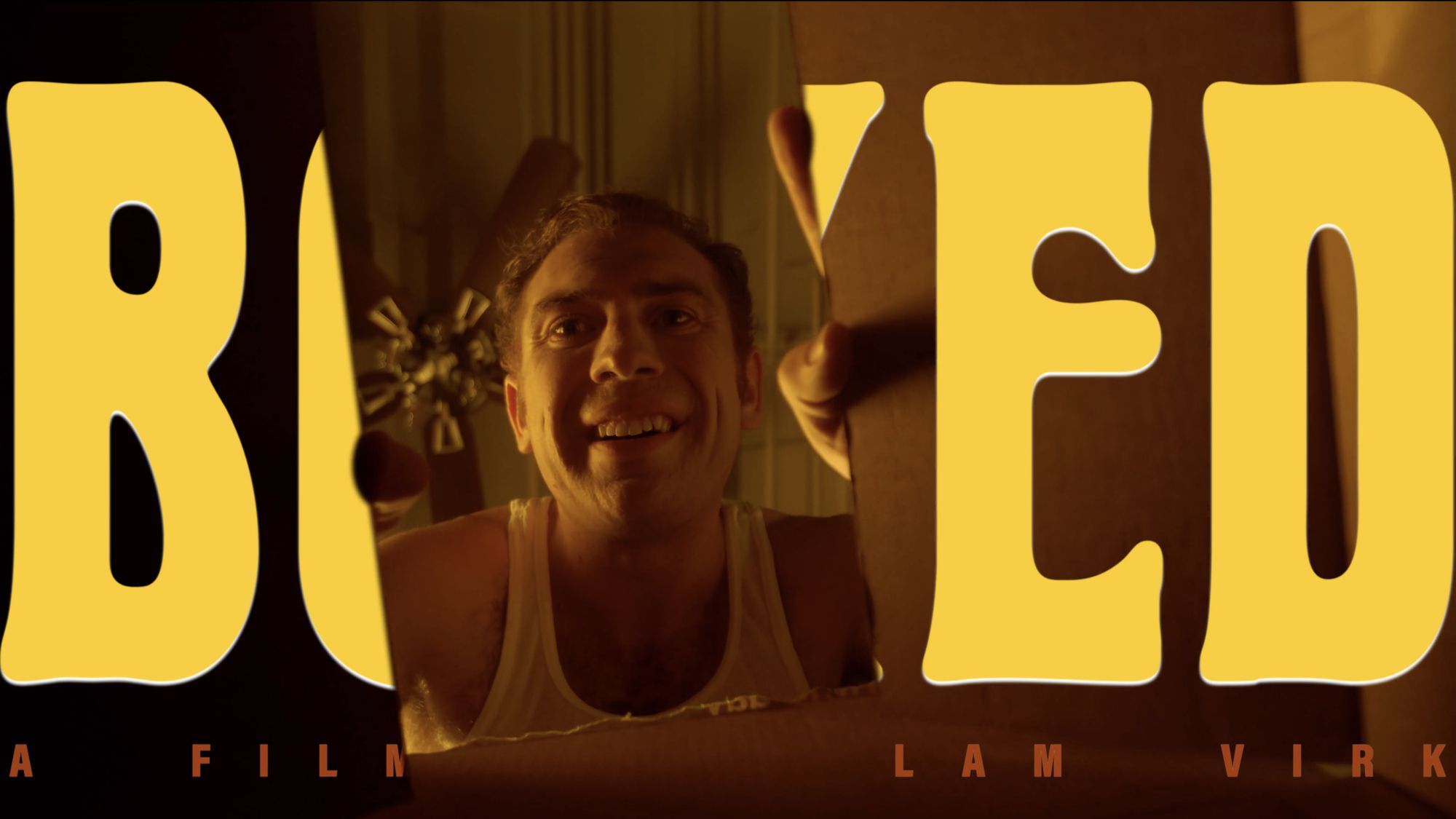
Beyond commercial endeavors, Chen has established a parallel body of work in independent cinema and cultural production through her collaborations with award-winning and internationally recognized films. For the short film Boxed, a project centered on consumer entrapment and existential emptiness that was later recognized by the Dadasaheb Phalke International Film Festival and the New Jersey Film Festival, Chen transformed graphic identity into narrative architecture. Typography, posters, audience artifacts, and environmental graphics became extensions of the film’s emotional world rather than supporting assets. A similar sensibility appears in her work for My Miracle Boy, which was officially selected by the Big Apple Film Festival and nominated at the Montreal Independent Film Festival. Across these projects, design functioned not as illustration, but as storytelling itself—expanding cinematic narratives into spatial and graphic experiences.
Beyond design and film collaborations, Chen has established a parallel presence as an artist whose work moves through exhibition, cultural, and institutional contexts. Her works have been exhibited at Aspace Gallery, the Penn Museum, and the Wieden+Kennedy Gallery, situating her practice within dialogues that extend beyond commercial image-making. Across these contexts, Chen approaches graphic language as an artistic medium—one capable of shaping experiences of narrative, space, and memory.
What distinguishes Chen is not versatility alone, but authorship. Graphic designer, art director, and artist operate not as separate identities, but as interconnected modes within a single practice. Her work positions graphic design as both a creative discipline and an active cultural force within contemporary visual culture.

