

Scenography today extends far beyond theatrical staging. Across fashion and exhibition design, it has become a language of identity — truly shaping how audiences encounter a brand, artwork, or cultural narrative. Space is no longer merely a backdrop, but oppositely, an active participant in shaping the emotional signatures of a collection.
In fashion, scenography transforms the runway into a total environment. From Jacquemus staging shows against the landscapes of Southern France to Gucci’s recent Cruise Show in Times Square, the runway has increasingly become inseparable from its cultural and geographic setting — a spectacle shaped as much by its place, audience, and atmosphere as by the collection itself, further leaving a cultural mark.
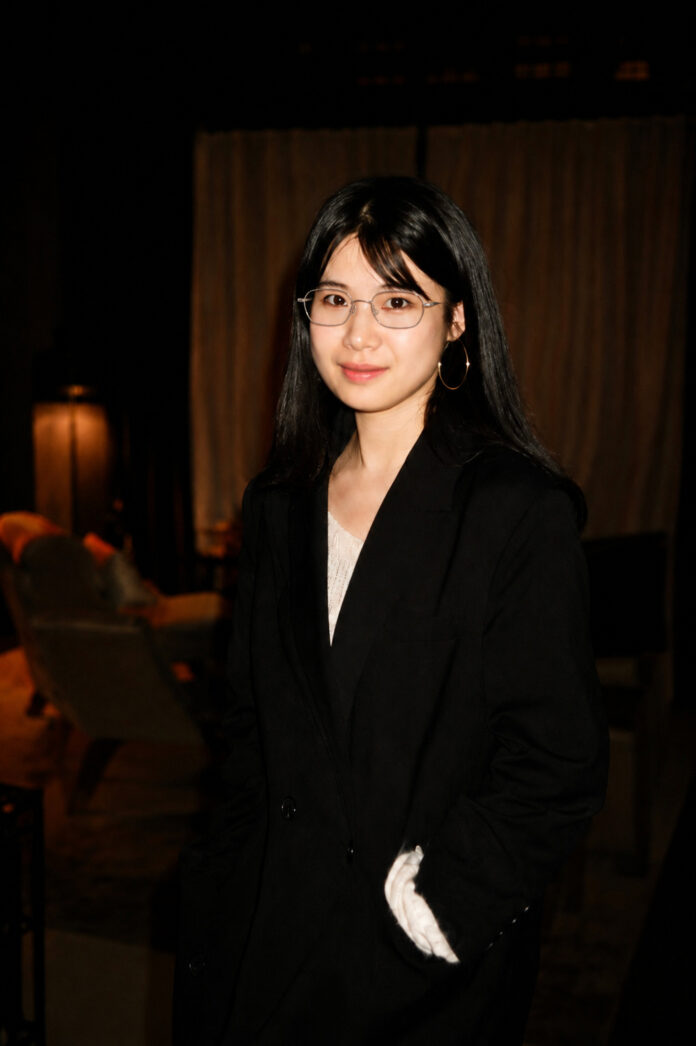
New York–based spatial designer Lea Xu works across fashion production and art exhibitions, crafting immersive runway and exhibition environments shaped by the cultural rhythms and visual vibrancy of the city. Drawing from a background in art history, photography, and spatial design, her expertise is grounded in the belief that temporary spaces can produce lasting emotional and cultural resonance.
Currently collaborating with Bureau Betak, the legendary fashion production house behind some of the industry’s most iconic runway moments, she emphasizes that contemporary scenography has evolved from a theatrical backdrop into a strategic instrument of brand and cultural identity.
“A fashion show may last only twelve to fifteen minutes,” Xu emphasizes, “but the emotional and visual impact of that experience outlives the event itself. Whether it’s the warm tungsten lighting, the polished material surfaces, or the well-designed florals at the arrival moments, these spatial cues shape how audiences perceive and remember a show long after it ends.”
Far beyond presenting garments, scenography constructs an entire world around them: space, lighting, sound, materiality, and movement collectively define the emotional register of a collection. The environment becomes inseparable from the status quo of the brand world, communicating mood, codes, and aesthetic sensibilities before a single look is fully processed on the runway.
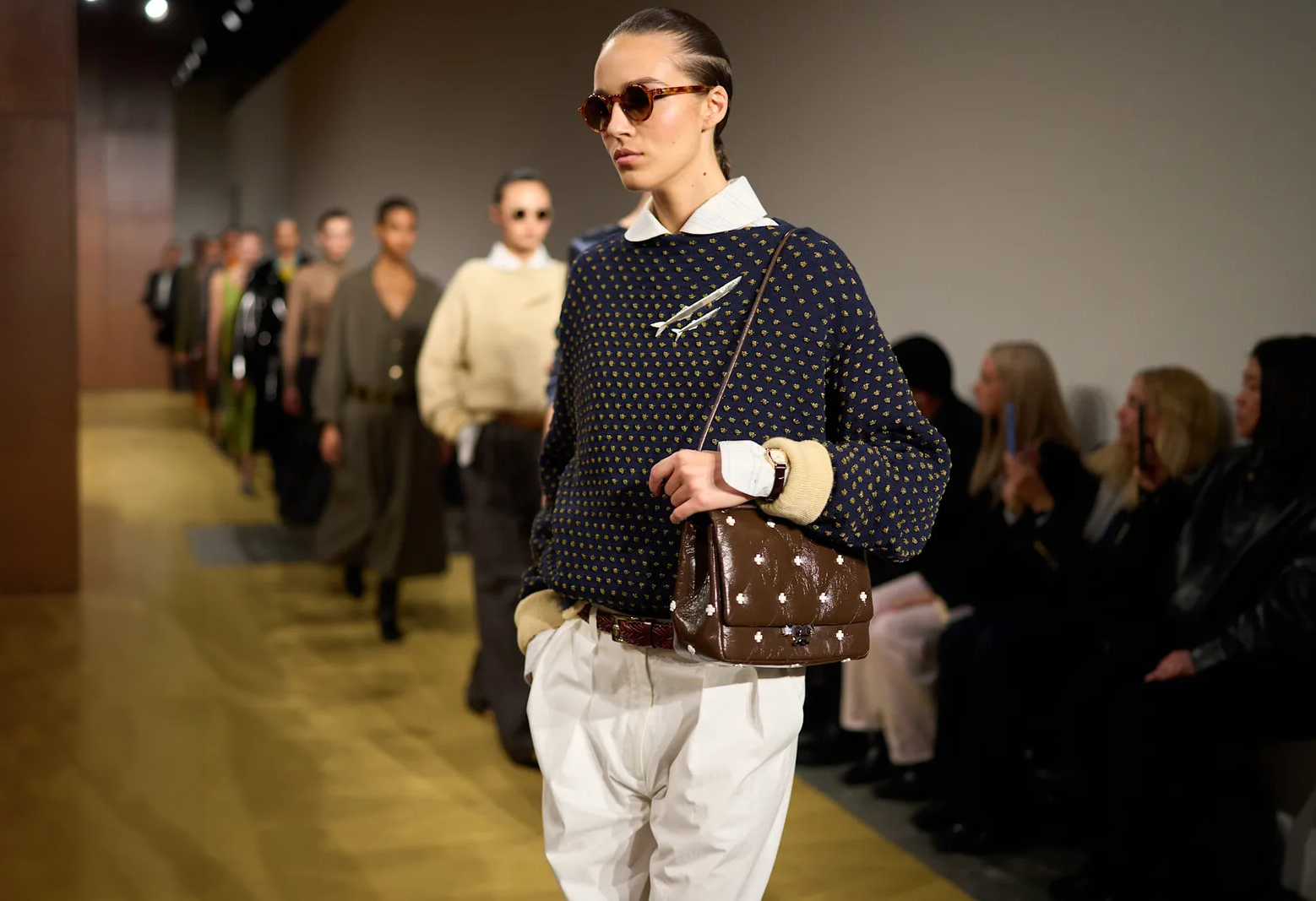
A minimal intervention evokes intimacy and precision, while monumental gestures heighten spectacle and desire. Through social media and digital images, runway experiences are being tremendously circulated; spatial environments extend beyond the physical venue, reaching global audiences almost instantaneously.
The scenography becomes not simply an experience to observe, yet, a visual language through which brands articulate identities . “Whether staged as a cinematic panorama, an in-situ subway environment, or an indoor beachscape, these scenographic worlds shape how audiences come to recognize, remember, and internalize a brand,” she explains.
Moving with distinct fluency between scenographic environments in fashion and art contexts, Xu’s practice is rooted in a Master of Design in Interior Architecture from Rhode Island School of Design, alongside a rich portfolio of high-profile professional work spanning fashion and cultural sectors – including New York Fashion Week presentations, cultural programming such as NYCxDesign and Collectible Fair, and collaborations with prestigious global clients such as Louis Vuitton, Nike, and Sotheby’s.
Exhibitions, she notes, are similarly adopting comparable scenographic approaches, where space shapes not only how art is displayed, but how it is felt. Rather than overwhelming the work, exhibition scenography often unfolds through subtle and thoughtful orchestrations: tonal material shifts, atmospheric lighting, spatial sequencing, and moments of transition or pause that influence how audiences encounter art, effortlessly.
For her, the goal is more than a beautiful space, “The goal is to establish a form of narrative choreography within,” Xu says, “directing attention, building relationships between viewer and artwork, and shaping the atmosphere through which meaning is experienced.” This approach, combined with aesthetic rigor, distinguishes her practice with boldness, experimentation, and a refined sensitivity to context – qualities that are increasingly central to a generation of designers redefining how cultural experiences are authored in space.
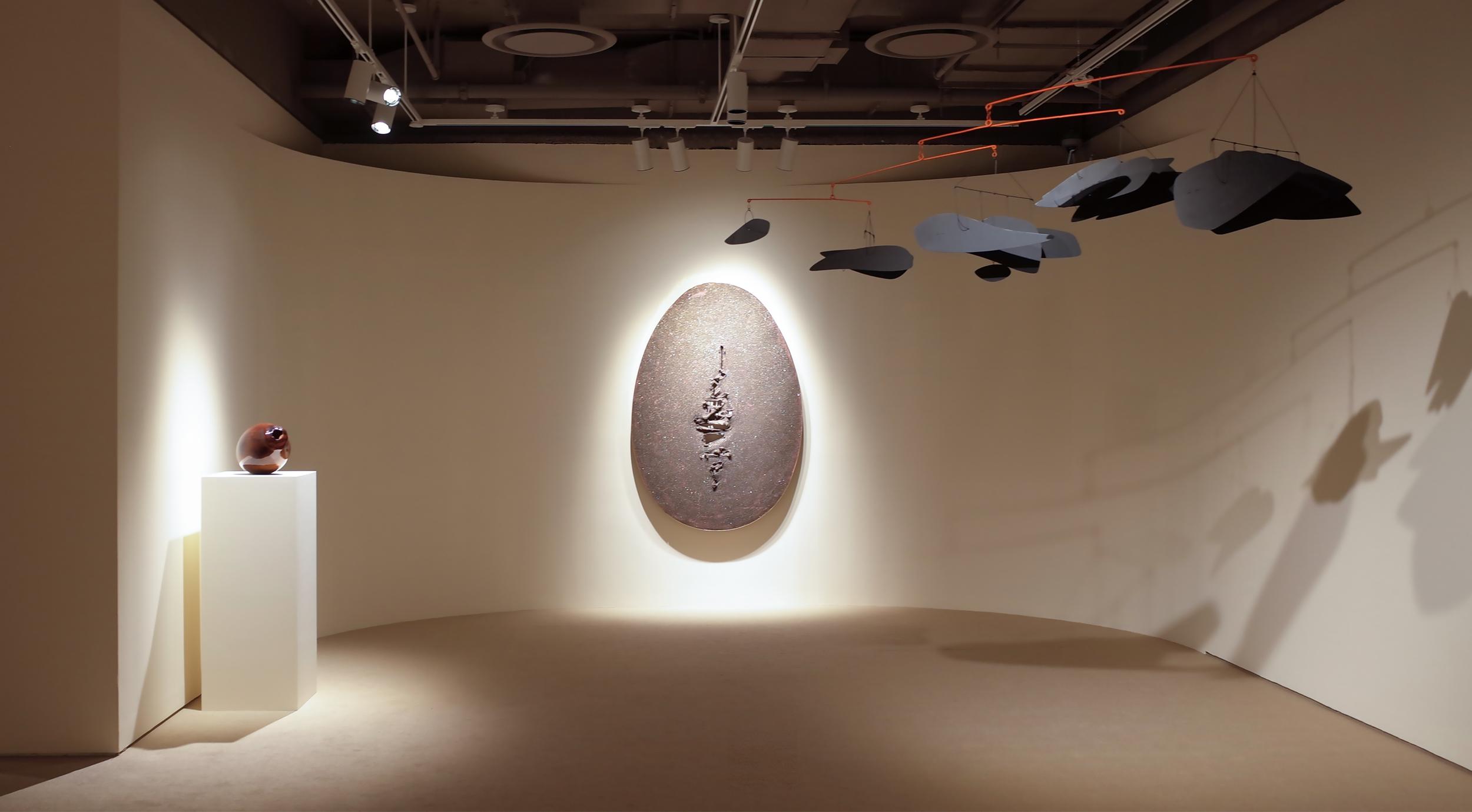
“What distinguishes scenography in fashion and art contexts is its ability to create temporary yet culturally lasting experiences,” she says. “Fashion shows and exhibitions may exist only briefly in physical form, but their spatial identities persist through photography, social media, and collective memory – where people mingled, and where the heartfelt moments and the pondering happened.”
Scenography, ultimately, functions as a form of spatial authorship. It shapes not only what is seen, but how something is felt, remembered, and shared later on. Across fashion and exhibitions alike, scenographic environments have become essential instruments for brands — building ephemeral spaces into lasting experiences audiences do not simply observe, but inhabit.
Visit gallerie-work.com for more information.

