Understandably, we often remember artists for the work that made them most recognised. But creative expression often doesn’t fit neatly into a single discipline, and naturally, many writers have engaged their imaginative impulses through other forms of art. Here are four celebrated authors whose visual art offers another window into their imaginations.
Sylvia Plath
Best known for her poetry and semi-autobiographical novel The Bell Jar, not many people know that Sylvia Plath was also a talented visual artist. Throughout her life, she produced detailed drawings and sketches, often depicting nature, landscapes, city streets and domestic objects.
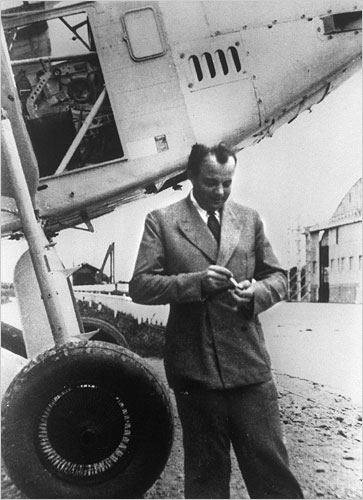
Antoine de Saint-Exupéry
French writer and aviator Antoine de Saint-Exupéry actually created the iconic illustrations accompanying The Little Prince. The book’s watercolour drawings, from the prince himself to the boa constrictor and elephant, have become inseparable from the story.
Kurt Vonnegut
Alongside novels such as Slaughterhouse-Five and Cat’s Cradle, Kurt Vonnegut developed a distinctive visual style characterised by playful line drawings and self-portraits. His illustrations frequently appeared in his later books, becoming part of his creative legacy.
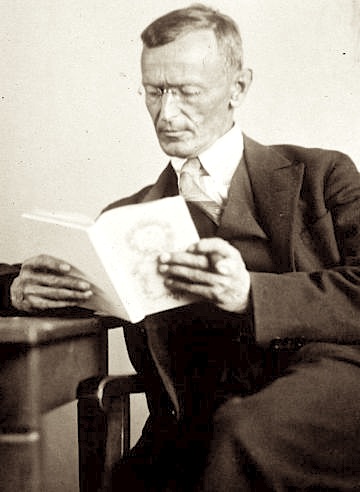
Hermann Hesse
The Nobel Prize-winning author of Siddhartha and Steppenwolf was also a prolific painter. Hesse took up watercolour painting seriously during the early twentieth century and created hundreds of landscapes, many of which were inspired by the Swiss countryside he was based in.