

Most viewers do not leave a film thinking about the walls in a room, the shape of a hallway, or the objects sitting quietly in the background of a scene. What they remember is the feeling. Tension. Isolation. Warmth. Pressure. Production design helps create those emotions long before the audience realizes why they feel them.
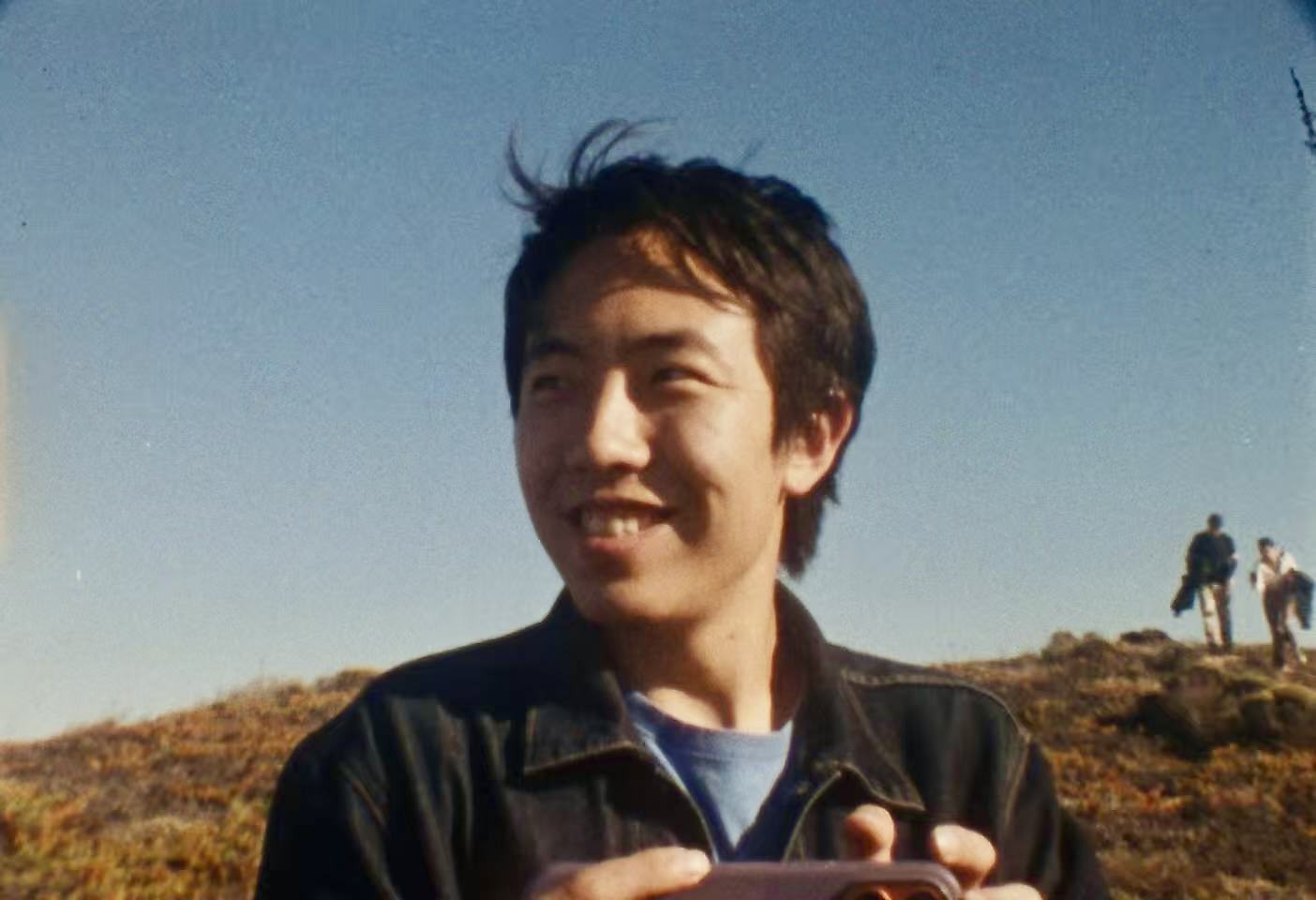
Production Designer and Art Director Anakin Li has made that intangible aspect of storytelling the center of his career. Working across two distinct creative systems, he has contributed to independent films, commercial campaigns, immersive cultural environments, and feature film productions in both China and the United States.
It takes place from film sets to branded narratives to massive public settings, but it’s always about making a space emotionally real.
“Audience members may not consciously notice the design first,” Li says. “But they can feel when a space feels believable.”
Early Interest in Visual Storytelling
Li’s interest in production design began when he was around sixteen years old. He was first drawn to drawing and visual composition, but what stayed with him was the way film could make an imagined world feel physically real. A room, a street, or a fictional city could carry emotion, history, and social meaning before a character even spoke.
Growing up in an environment shaped by engineering and technical thinking, Li was surrounded by people who valued building, calculating, and solving practical problems. That background gave him a deep respect for technology, but it also led him to a different question: before people build machines, systems, or cities, who imagines what they might become?
“I grew up around many engineers,” Li says. “That made me interested in the question of what people imagine before they build. I wanted to work in a field that could give form to those dreams.”
For him, cinema became a way to explore that question visually. Production design offered a bridge between imagination and construction: a way to turn abstract ideas about the future, society, and human emotion into spaces that people could see and feel.
Learning Across Two Film Traditions
Li studied first at the Beijing Film Academy, one of China’s most established film schools, where he trained in the Art Department. The program focused on visual atmosphere, composition, and the interplay between film imagery and culture.
After several years of work in Beijing he then attended the American Film Institute Conservatory in Los Angeles, where he earned his MFA in Production Design. At AFI, the emphasis shifted toward collaboration, production workflow, visual communication, and the practical demands of filmmaking within the American studio tradition.
Adjustment was not just an aesthetic issue when moving between the two environments. Different production cultures often come with different communication styles, workflows, and creative expectations.
“In one environment, people may approach storytelling emotionally first,” Li explains. “In another, the conversation may begin from structure and production practicality. Learning both helped me understand how many ways there are to build the same story.”
That experience would later become one of the defining parts of his professional identity.
Cultural Memory and Emotional Space
Before relocating to the United States, Li worked across independent films, commercial projects, and immersive cultural environments in China. Those experiences shaped his understanding of production design as a way to carry atmosphere, memory, and cultural meaning through space.
One project that influenced this perspective was Wuyi Menghua Lu, a large-scale cultural tourism environment that applied cinematic design methods to a walkable public space. Because visitors moved through the environment rather than watching it from a fixed frame, the design had to communicate through texture, architecture, movement, and atmosphere.
“The audience was not watching the world from outside,” Li says. “They were inside it.”
Li saw a similar lesson in an Apple China youth film campaign created as part of the Shot on iPhone initiative. Built around a realistic coming-of-age story, the project relied on familiar everyday spaces rather than overly visible design. For him, it showed how small details can carry emotion and cultural specificity without calling attention to themselves.
These projects gave Li a foundation in designing spaces that feel emotionally and culturally grounded, a perspective that would later complement his experience in the American production system.
“A small detail inside a room can sometimes tell you more about a character than something visually complicated,” he says.
Entering the American Art Department System
After moving to the United States, Li continued developing his work through independent productions, commercial projects, and union-level film environments.
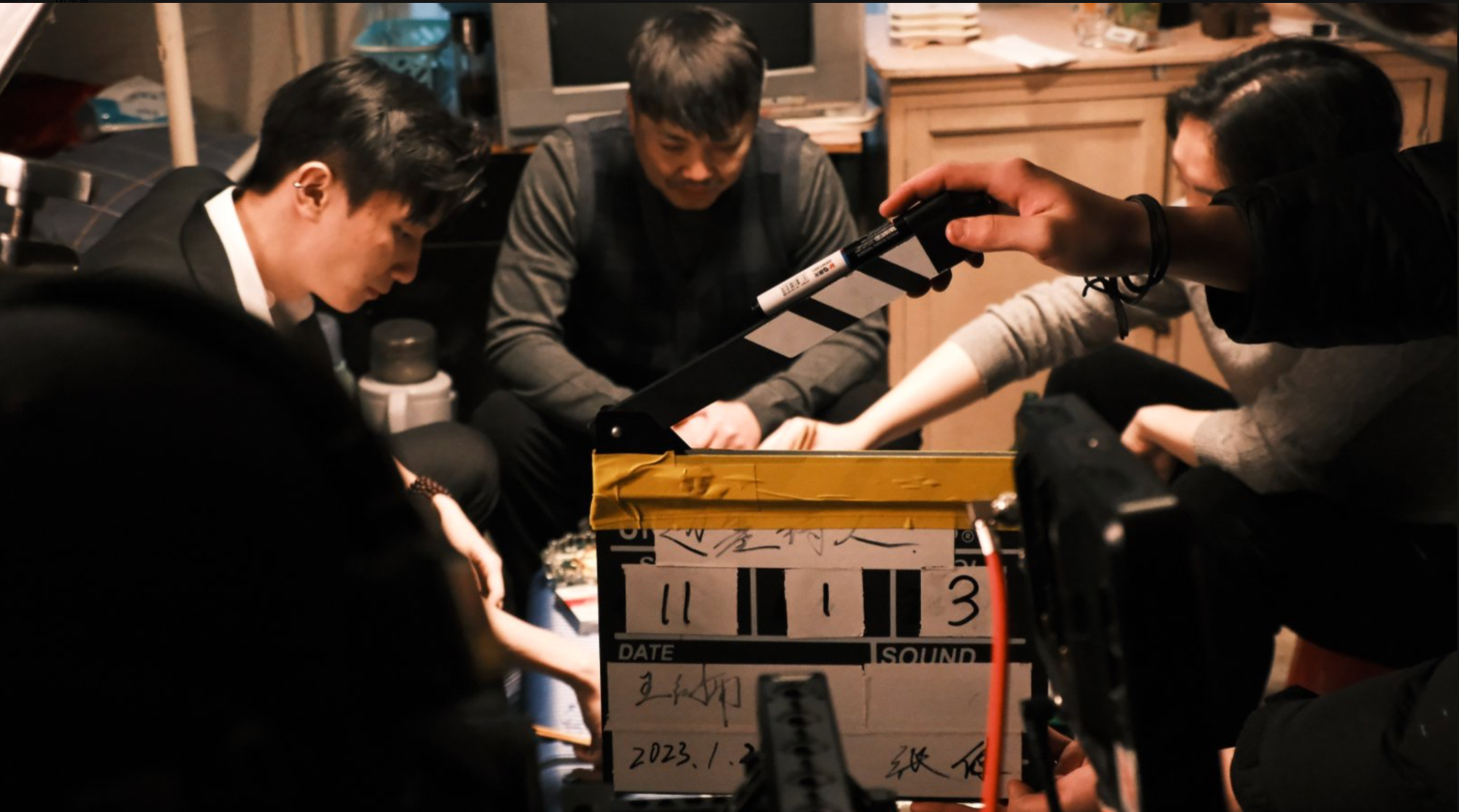
An important step came through his work on the union feature film Nightwatching, where he experienced the structure, pace, and logistical demands of a larger American art department system. The role involved research, drafting, stage coordination, construction communication, and collaboration across multiple departments working under production deadlines.
At that scale, design becomes deeply collaborative.
“A design has to serve the story, fit the frame, be buildable, and survive the schedule,” Li says.
His current responsibilities often include concept development, visual research, drafting, spatial planning, and helping ideas move clearly between directors, production designers, cinematographers, and construction teams.
For Li, communication has become just as important as visual creativity.
“You are translating ideas constantly,” he explains. “You are helping different departments understand the same space before it exists.”
Combining Traditional Design and New Technology
Alongside traditional production design methods, Li also incorporates digital workflows and emerging tools into his process, including SketchUp, Rhino, Vectorworks, Twinmotion, Photoshop, Procreate, and 3D printing.
His interest in practical technology later led to an invitation from the Art Directors Guild Education Department to present on 3D-printing workflows in art departments.
Still, he approaches technology carefully. For him, software and tools only matter if they help storytelling feel more human and more precise.
“The technology should support the emotional logic of the environment,” he says. “The audience still responds to story first.”
Looking Toward the Future
Now based in the United States, Li continues to build experience in professional film and art department environments while pursuing his long-term creative goals.
He hopes to eventually contribute to original cultural works that explore how technology is changing society and human experience. As artificial intelligence and digital systems increasingly shape daily life, he believes visual storytelling still plays an important cultural role.
To Li, production design is the art of allowing an audience to enter a world, whether through a film frame, a constructed set, or an immersive environment.
To Li, production design is the art of letting the audience enter a world, whether through the screen of a film, architecture, or even an immersive space.
If it works, the viewer might not be able to tell why a scene is believable. They simply feel that it does.
About the Author
Daniel Harper is a film, visual storytelling, and contemporary creative industries culture writer based in Los Angeles. His interest in the crossover between cinema, design & cultural change has included a particular focus on how artists operate in international creative contexts.

