

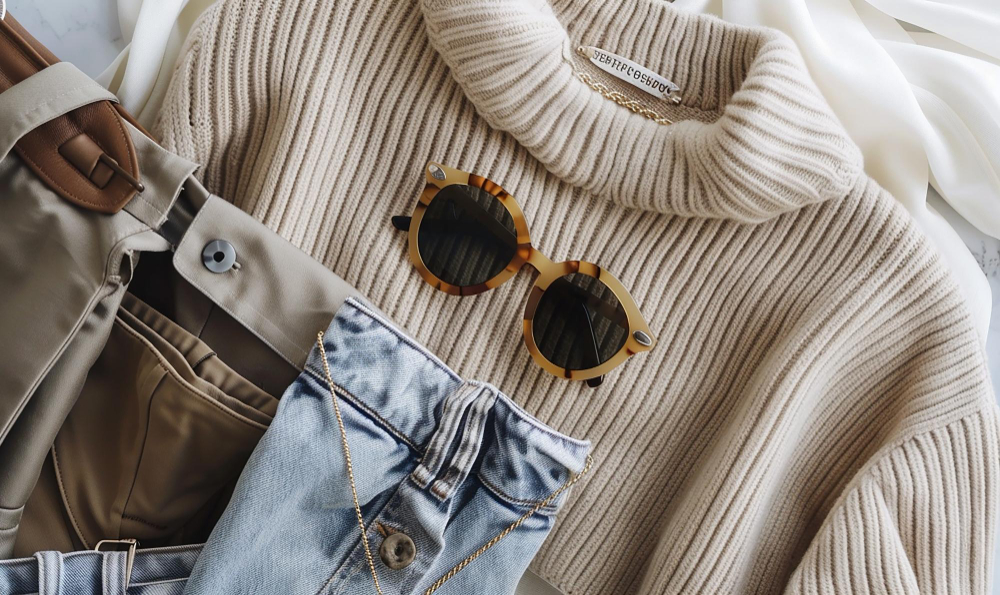
Most people think about personal style as a clothing question. What to wear, what works, what doesn’t, how to build a wardrobe that feels coherent rather than accidental. That’s a reasonable place to start but it’s a fairly small slice of what style actually is. The people who are genuinely well-styled aren’t just people who dress well. They’re people who have developed a consistent way of presenting themselves to the world that shows up in how they move, how they smell, how they keep their spaces, and how they engage with other people. Clothes are just the most visible part of something that runs considerably deeper.
Confidence Is the Actual Foundation
A style without confidence is a costume. You can put together a technically perfect outfit and still look like you’re wearing someone else’s clothes if you don’t carry yourself with any ease or ownership. Confidence isn’t about arrogance or performance, it’s about a settled sense of who you are and a willingness to let that show, which is a different and more interesting thing.
The relationship between self-image and personal expression is genuinely bidirectional. How you feel about yourself influences how you present yourself, but the reverse is also true: deliberate choices about presentation can shift how you feel. Brands like Runaway The Label fashion have built their identity around pieces that feel intentional and individual rather than trend-driven, and what women who wear them consistently say is that the clothes feel like them, not like a version of what they’re supposed to be. That alignment between inner sense of self and outward expression is exactly what style at its best achieves.
Grooming Is Style in Practice
The gap between someone who is put-together and someone who isn’t is often less about clothing and more about grooming. Skincare that keeps skin healthy and consistent. Hair that’s been thought about. Nails, brows, the small details that collectively signal whether someone takes care of themselves or not. These aren’t vanity concerns. They’re the day-to-day practices that translate a general sense of self-respect into something visible and consistent.
Grooming routines also do something for the person maintaining them beyond the external result. There’s a psychological function to showing up for yourself in small, repeated ways. A morning routine that starts with care rather than rushing communicates something to your own nervous system about the kind of day you’re preparing for. Building those habits doesn’t require an elaborate or expensive regimen, it requires consistency and enough self-awareness to know what you actually need.
Scent as Signature
Fragrance occupies a particular category in personal style because it operates at a level that’s less conscious than visual presentation but often more memorable. People forget what someone was wearing. They rarely forget how someone smelled. A signature scent becomes genuinely associated with a person in the minds of everyone who spends time with them, which makes it one of the more powerful tools in a personal style toolkit that most people either ignore or treat as an afterthought.
Choosing a fragrance that actually fits who you are rather than what’s popular or what was on sale requires a bit more attention. Àerre green tea scents offer something worth considering here, particularly for people whose aesthetic runs clean, fresh, and quietly distinctive rather than heavy or overtly floral. Green tea as a fragrance note sits in that interesting space between classic and contemporary, recognisable without being predictable, and the way it wears through the day tends to feel personal rather than loud. Matching scent to lifestyle and occasion is part of using fragrance well, and getting that right adds a layer to personal presentation that most people around you will register without ever consciously identifying why.
Your Environment Is an Extension of Your Aesthetic
The spaces you inhabit say something about you whether you intend them to or not. A well-considered home or workspace, not necessarily minimalist or expensive but clearly thought about, communicates the same kind of intentionality that good personal style does. How you organise your desk, the objects you choose to keep visible, the way a room feels when someone walks into it. These things reflect values and preferences as directly as what you choose to wear.
Aligning your environment with your personal aesthetic isn’t about interior design for its own sake. It’s about creating spaces that feel coherent with who you are, which in turn makes the daily experience of being in them more sustaining. People whose home environments feel genuinely like theirs tend to be better at maintaining the other habits that support their sense of self because the space itself is doing some of that work.
Presence Is the Part That Outlasts Everything Else
Body language, the way you hold yourself in a room, how you listen, how you speak, the quality of attention you bring to interactions. These are style elements that operate at a level even deeper than grooming or fragrance, and they’re the ones that leave the most durable impressions. Someone can forget your outfit within a week. They will remember for years whether you made them feel seen or dismissed in a conversation.
Authenticity is what holds all of this together. Personal style as a consistent expression of who you actually are, rather than a performance calibrated to an imagined audience, is what makes it compelling rather than just polished. The most memorable people in any room are rarely the best-dressed. They’re the ones who seem most fully present as themselves. That’s what style in its fullest sense is actually pointing toward.

