

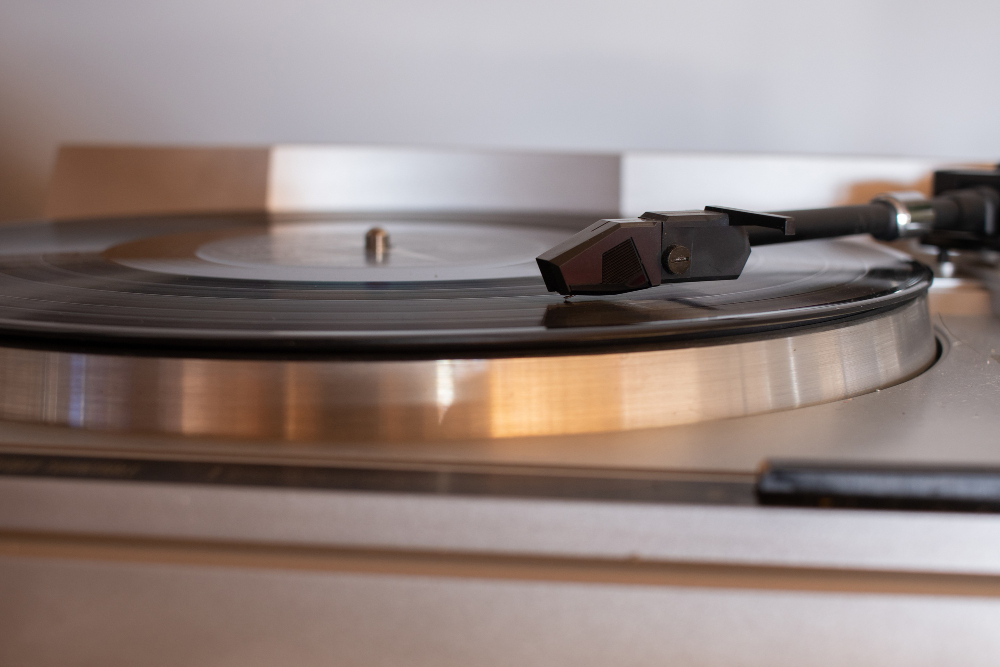
If you’re the kind of person who craves a deeper connection to their music, analogue is the way to go. This way of listening doesn’t just let you hear the notes, but it also immerses you in every nuance of the track. A turntable brings a physical, tactile element to your listening experience that digital files often miss. I’ll help you navigate the options without getting overwhelmed by the technical jargon.
Upgrading Your Turntable
If you’re looking to upgrade your device, opt for precision-engineered record players that are built to incredibly tight tolerances, often in the micrometre range. These machines use advanced materials and clever mechanical solutions to eliminate vibration and maintain perfect speed stability. From sapphire and tungsten carbide bearings to cryogenically treated components and sophisticated magnetic drive systems, every element makes the music emerge with maximum clarity and purity. These devices can make a dramatic difference in how your records sound, revealing finer details, better dynamics, and a more natural, effortless musical flow that brings your vinyl collection to life in a whole new way.
Many beginner vinyl players are conveniently ready to use right out of the box. However, as your passion for music grows and you become more discerning about sound quality, upgrading certain parts can make a surprisingly big difference.
- The platter is one of the most worthwhile upgrades. A heavier platter helps dampen external vibrations, resulting in smoother and more stable playback.
- The tonearm also plays a major role. A higher quality one tracks the record grooves more accurately, which improves clarity and overall consistency.
- Perhaps the most important component to pay attention to is the stylus, or needle. This small but critical part is responsible for picking up all the fine sonic details in your records. Over time, it naturally wears down, so replacing it after around 1,000 hours of listening is a smart move to keep the audio crisp and detailed.
Operating a Record Player
Getting started with record players is much simpler than most people expect. Once you’ve got your setup ready, just follow these easy steps to enjoy your records safely and get the best sound possible:
- Always handle your records by the edges to avoid transferring oils or dust from your fingers into the grooves.
- Carefully align the centre hole with the spindle and gently lower the disc into place.
- Set the correct playback speed (usually 33 or 45 RPM) before you begin.
- Slowly lower the tonearm so the needle meets the outer edge of the record.
- When the side is finished, carefully lift the tonearm back to its resting position, remove the record by the edges, and slide it back into its sleeve.
Automatic vs Manual
How do I decide which record player to buy? One of the key decisions when choosing a device is whether you want it to be automatic or manual. Automatic models are wonderfully convenient. The tonearm lifts and lowers itself, so you don’t have to worry about handling the needle. They’re especially forgiving for complete beginners. Manual systems require you to gently lift the tonearm and place the needle onto the record yourself. If you tend to have shaky hands, there’s a small chance of accidental scratches, so it’s a good idea to practice on a less important record first. With a bit of practice, the motion quickly becomes smooth and natural, and many enthusiasts enjoy the hands-on ritual it adds to the listening experience.
Speed and Size
Not all records are the same size or play at the same speed, so it’s helpful to have a turntable that lets you easily switch between settings. The small 7-inch singles spin at 45 RPM and usually hold around five minutes of music on each side. The classic 12-inch albums, which most people own, play at 33 RPM and typically give you about 22 minutes per side. Older, rarer 10-inch records spin much faster at 78 RPM.
Belt-Drive vs Direct-Drive
Another big decision when choosing a vinyl player is whether to go with a belt-drive or direct-drive model. Each has its unique strengths depending on what you value most. Belt-drive systems use a separate motor connected by a rubber belt to spin the platter. They tend to be the favourite among serious listeners because they do a better job of reducing vibrations and external noise, leading to cleaner, more accurate sound reproduction.
Direct-drive models, on the other hand, connect the motor directly to the platter. This gives them faster start-up times and greater durability, which is why they’re the preferred choice for DJs who need quick, reliable performance during mixing and live sets.
Setting It Up
Try to set your turntable on a solid, heavy surface that doesn’t wobble or easily pass along vibrations. Footsteps, speaker bass, or even a lightweight table can cause the needle to skip or create an unwanted hum in your music. A sturdy, dedicated stand or isolation shelf designed to absorb vibrations can be very helpful. Taking a moment to choose a stable spot will help your records play smoothly and sound much cleaner.
Listening
If you want to listen through speakers or headphones, make sure your turntable has a built-in preamp, or that your receiver includes one. Without it, the sound will be very quiet and thin. Most receivers have a larger headphone jack, so you’ll probably need a small 3.5mm to ¼-inch adapter to plug in your regular headphones.
Speakers
If you care about how your music sounds, built-in speakers on budget turntables usually fall short. They can make even great records sound thin or muddy. A decent pair of external speakers can bring out richness and detail you didn’t even know were there. For most people starting, a pair of bookshelf speakers is the sweet spot. They’re compact, roughly the size of a large shoebox, and deliver surprisingly full, balanced sound without taking over your space or breaking the bank. Paired with a mid-range turntable, they offer a noticeable upgrade in clarity and warmth, making listening far more enjoyable.
Budget
It’s common knowledge that you get what you pay for. This rings true for your record player. If you want that warm, high-fidelity sound, you will often find that higher-priced options provide superior components that make listening to music immersive. Don’t just look at the price tag; the upgrade to premium build quality is usually worth it. With this in mind, you can make a choice that gives the best sound quality for your investment.

