

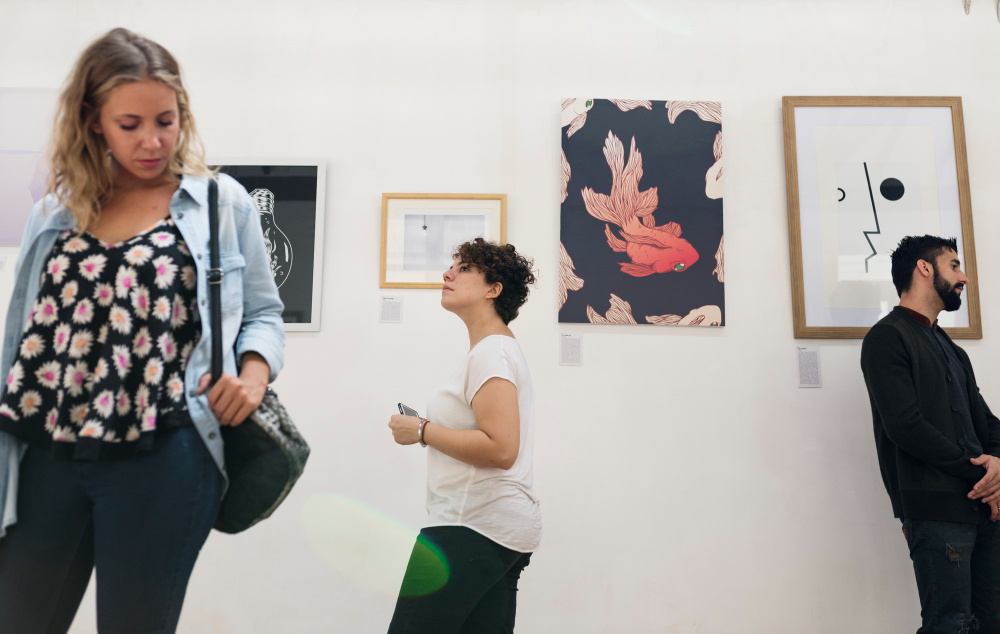
For a long time, the world of art collecting was hidden behind a veil of exclusivity. The traditional narrative dictated that to be a true collector, you needed deep pockets, an invitation to private gallery viewings, and an established network of high-profile dealers. However, the contemporary landscape has undergone a massive cultural shift. Driven by a new generation of enthusiasts, independent art collecting has become democratized, turning into a deeply personal pursuit centered around community, storytelling, and supporting emerging talent.
Finding Your Aesthetic
Entering the art market today does not require an understanding of complex financial speculation. Instead, it begins with curating your own taste. True collections are built on a visceral connection to the work, whether that means a striking film photograph, a limited-edition screenprint from a local graphic designer, or an abstract canvas that resonates with your personal philosophy.
Social media, independent zines, and local art fairs have replaced traditional gatekeepers, allowing enthusiasts to connect directly with creators. When you eliminate the middleman, the process becomes collaborative. Beginners should focus on discovering what moves them visually and emotionally rather than worrying about resale value. True value lies in the narrative behind the piece and the creative journey of the artist who made it.
Moving Beyond Traditional Galleries
As physical gallery spaces adapt to a more inclusive digital age, the methods for acquiring art have expanded dramatically. Aspiring collectors are no longer limited to the stark white walls of high-end exhibitions. Independent artists frequently sell their work through personal websites, studio sales, newsletters, and crowdfunding campaigns, allowing fans to back projects from inception to completion.
Furthermore, the internet has given rise to specialized secondary marketplaces where rare prints, vintage exhibition posters, and sculpture editions circulate freely. Navigating a digital auction platform or an online estate sale can yield incredible hidden treasures for those willing to spend time researching. These digital spaces allow collectors from all over the world to participate in the art market, making it easier than ever to find pieces that match your specific aesthetic preferences without stepping foot in an exclusive showroom.
Conclusion
Ultimately, building an independent art collection is a journey of self-expression. By shifting the focus away from validation and toward genuine creative connection, anyone can become a patron of the arts. The modern ecosystem offers endless avenues for discovery, ensuring that the art you bring into your home tells a unique story about who you are and the culture you choose to celebrate.

