

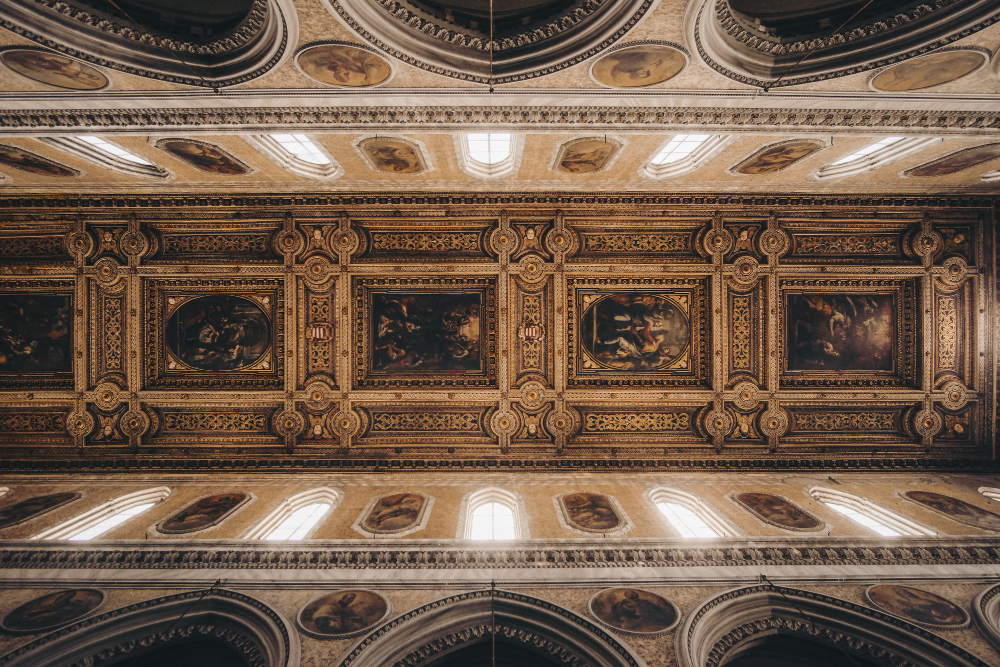
Spend a few minutes online and you’ll likely encounter something unexpected: a Renaissance portrait transformed into a meme, a Baroque painting inspiring a fashion campaign, or a centuries-old masterpiece quietly framing the visual language of a music video. Far from remaining confined to museum walls, classical art has become one of the internet’s most surprising recurring influences.
This renewed fascination isn’t simply nostalgia. Instead, it reveals how digital culture constantly searches the past for images that still possess emotional power, visual drama, and symbolic depth. The result is an ongoing conversation between artists separated by hundreds of years, yet connected by audiences who consume culture through endlessly scrolling feeds.
The Internet’s Favorite Museum
Classical paintings possess qualities that modern photography often struggles to replicate. Rich compositions, theatrical lighting, expressive faces, and symbolic storytelling make them naturally adaptable to today’s visual platforms.
A single frame from a seventeenth-century painting can communicate irony, melancholy, triumph, or absurdity with remarkable efficiency. Social media users have embraced this expressive vocabulary, pairing Old Master paintings with contemporary captions that reinterpret historical scenes through modern humor.
These images succeed because they already contain universal human emotions. While clothing, politics, and architecture have changed dramatically, expressions of love, jealousy, embarrassment, ambition, and grief remain instantly recognizable.
For readers who enjoy discovering the human stories hidden behind iconic masterpieces, Cool Stories About Art is a newsletter that retells the stories behind famous paintings for a modern audience. Rather than focusing on academic analysis, it brings artists, historical moments, and overlooked details to life through engaging narratives that make art history accessible and entertaining. The publication aims to make learning about art feel more like reading compelling stories than studying a textbook.
Fashion’s Return to Timeless Beauty
Luxury fashion has long borrowed from classical aesthetics, but recent collections have leaned even further into historical references. Flowing drapery, sculptural silhouettes, gilded accessories, and painterly color palettes frequently echo Renaissance and Baroque masterpieces.
Campaign photography increasingly resembles museum galleries rather than conventional advertising. Soft natural light, dramatic shadows, and carefully arranged compositions recall techniques developed centuries before the invention of photography.
Consumers appear drawn to this visual language because it conveys permanence in an era dominated by fleeting digital trends. Classical references suggest craftsmanship, heritage, and artistic ambition—qualities brands eagerly associate with themselves.
Music Videos as Living Paintings
Popular musicians regularly transform classical artworks into moving images. Music videos frequently recreate famous compositions through costume design, lighting, and carefully staged tableaux.
Rather than directly copying individual paintings, many directors borrow the emotional atmosphere of historical art. Dramatic chiaroscuro, Renaissance symmetry, and painterly compositions have become recognizable visual shortcuts that instantly elevate contemporary storytelling.
These references also reward attentive audiences. Viewers enjoy identifying artistic inspirations, creating another layer of engagement that extends well beyond the music itself.
Cinema’s Painterly Eye
Filmmakers have long understood that classical painting offers lessons in composition that remain timeless. Historical dramas naturally draw from museum collections, but even science fiction, horror, and psychological thrillers increasingly borrow visual techniques first perfected by painters centuries ago.
Carefully balanced framing, dramatic contrasts between light and darkness, and symbolic color choices help create images that linger in the audience’s memory. Directors often describe building scenes as though composing paintings rather than simply recording action.
This approach reminds viewers that cinema, despite its technological sophistication, still relies on visual principles developed long before moving pictures existed.
Museums Meet Meme Culture
Perhaps the most unexpected development has been the willingness of museums themselves to participate in internet culture.
Institutions once associated with formal scholarship now share humorous captions, relatable historical figures, and playful reinterpretations of their collections across social platforms. Rather than diminishing the importance of classical art, this strategy often introduces masterpieces to audiences who may never have encountered them otherwise.
For younger viewers, a humorous post can become the gateway to discovering an artist, historical period, or museum collection in greater depth.
Why These Images Still Matter
The continued popularity of classical art suggests something reassuring about contemporary taste. Despite constant technological change, audiences still respond to carefully crafted imagery that rewards close attention.
Unlike rapidly generated digital content, classical paintings embody patience. Every brushstroke represents deliberate choices about composition, symbolism, and emotion. That depth continues to resonate even when viewed on a smartphone screen.
In an age defined by speed, these works invite slower looking. They remind us that visual culture has always evolved through borrowing, adaptation, and reinterpretation.
The New Life of Old Masters
Rather than existing in opposition, museums and social media increasingly reinforce one another. Viral posts encourage gallery visits, while museum collections continue to inspire creators working in fashion, music, film, and digital design.
The internet has not diminished classical art—it has expanded its audience. Images once viewed only by scholars or museum visitors now circulate globally within seconds, accumulating new meanings with every generation.
Perhaps that is the greatest testament to their enduring power. The world’s most celebrated paintings continue to speak because they were never only about the past. They captured timeless human experiences, and today’s digital culture has simply found another language through which to tell their stories once again.

