

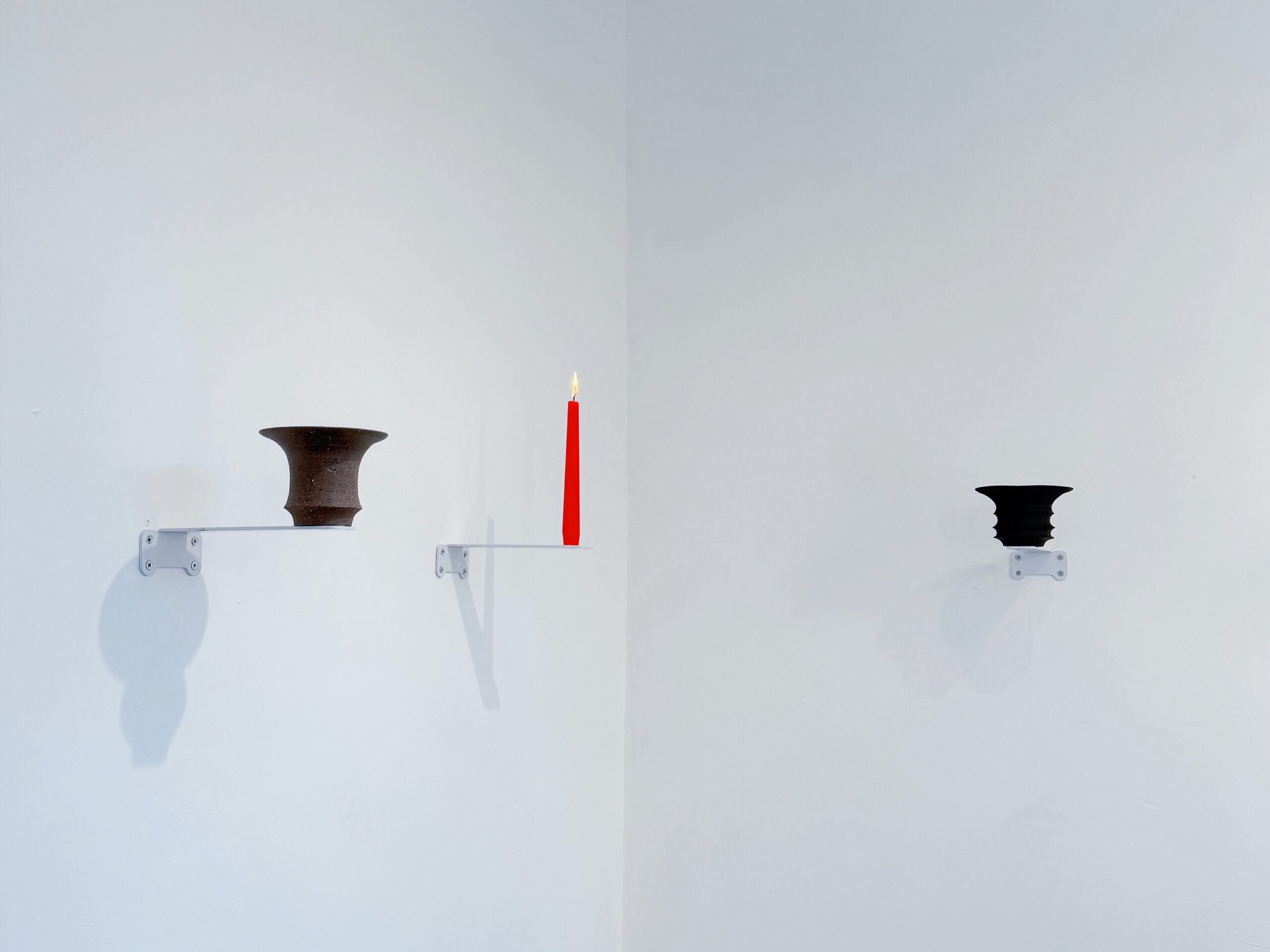
Shavonne Yang does not speak about art as though it belongs inside a single discipline. When discussing her work, conversations move quickly between ceramics, illustration, installation, fashion, AI, industrial design, cinema, and philosophy, often within the same train of thought. That restlessness sits at the centre of her practice. Rather than beginning with a fixed outcome, she approaches art as a process of testing ideas through material, image, and physical space, allowing projects to change direction as they develop. For her, uncertainty is not a problem to resolve but part of the work itself.
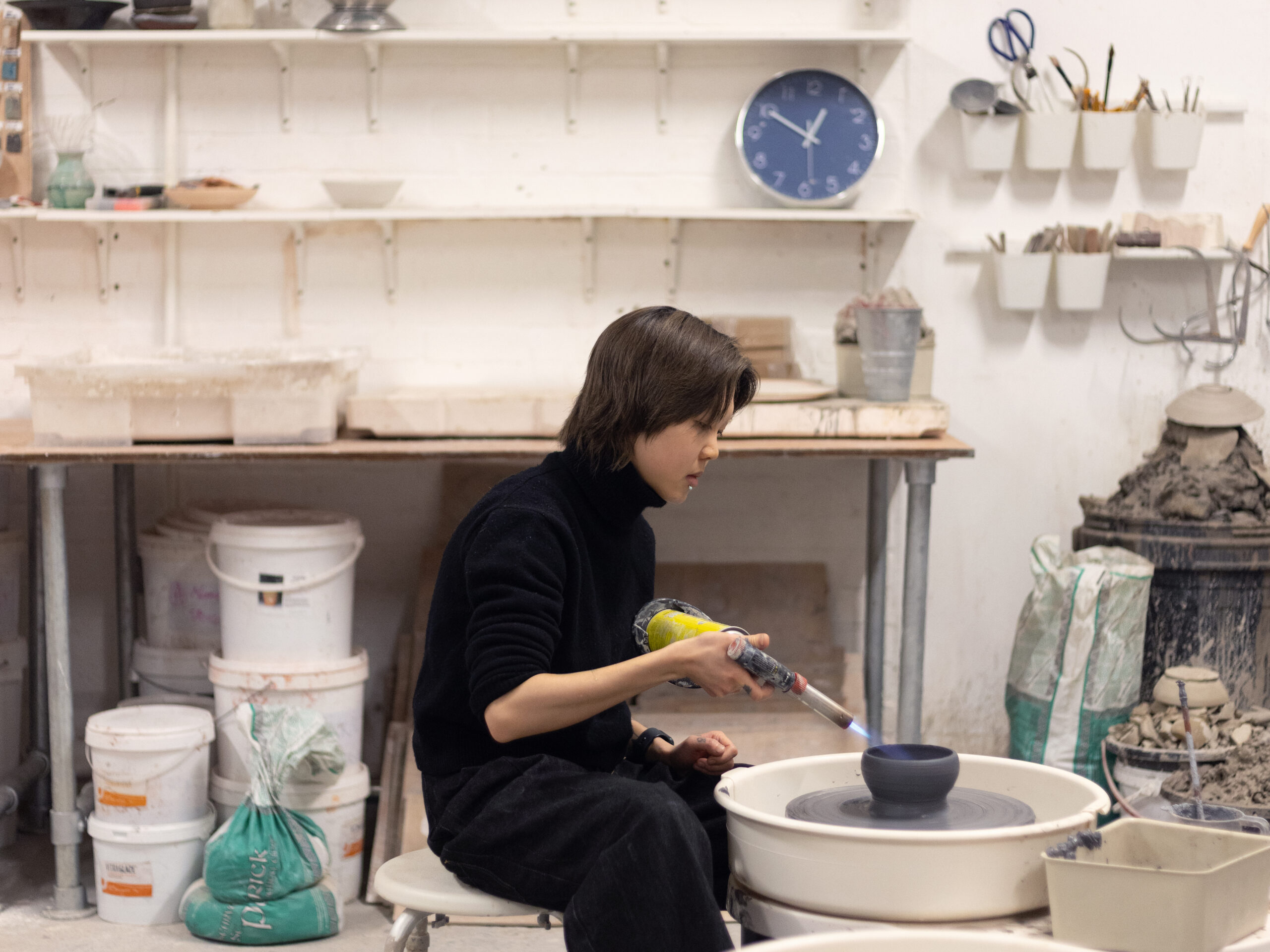
Born in China, Shavonne’s relationship with creativity began early through drawing, painting, and image-making. Even as a child, she found herself pushing against rules surrounding presentation and expression. Art became less about technical perfection and more about curiosity, experimentation, and finding ways to communicate emotions or observations that could not easily be articulated through language alone. Alongside early interests in manga, animation, and graphic storytelling, she was also drawn towards artists and teachers who encouraged instinctive thinking rather than rigid instruction. That approach continues to shape the way she works today. Materials are rarely treated as passive tools within her practice. Instead, they behave more like active participants, forcing her to respond to tension, instability, resistance, and accident as part of the creative process.
Although she originally entered higher education through fashion design in New York, the experience gradually pushed her away from the industry rather than further into it. The more Yang encountered commercial pressures and trend-driven production, the more disconnected she became from the idea of creating work primarily for consumption. Over time, she was drawn towards painting, illustration, and later expanded into ceramics, installation, photography, and spatial practice, searching for forms capable of carrying more emotional and psychological complexity. This movement between media was never about abandoning one discipline for another. It reflected a growing refusal to let a single format limit the kinds of questions she wanted to explore.
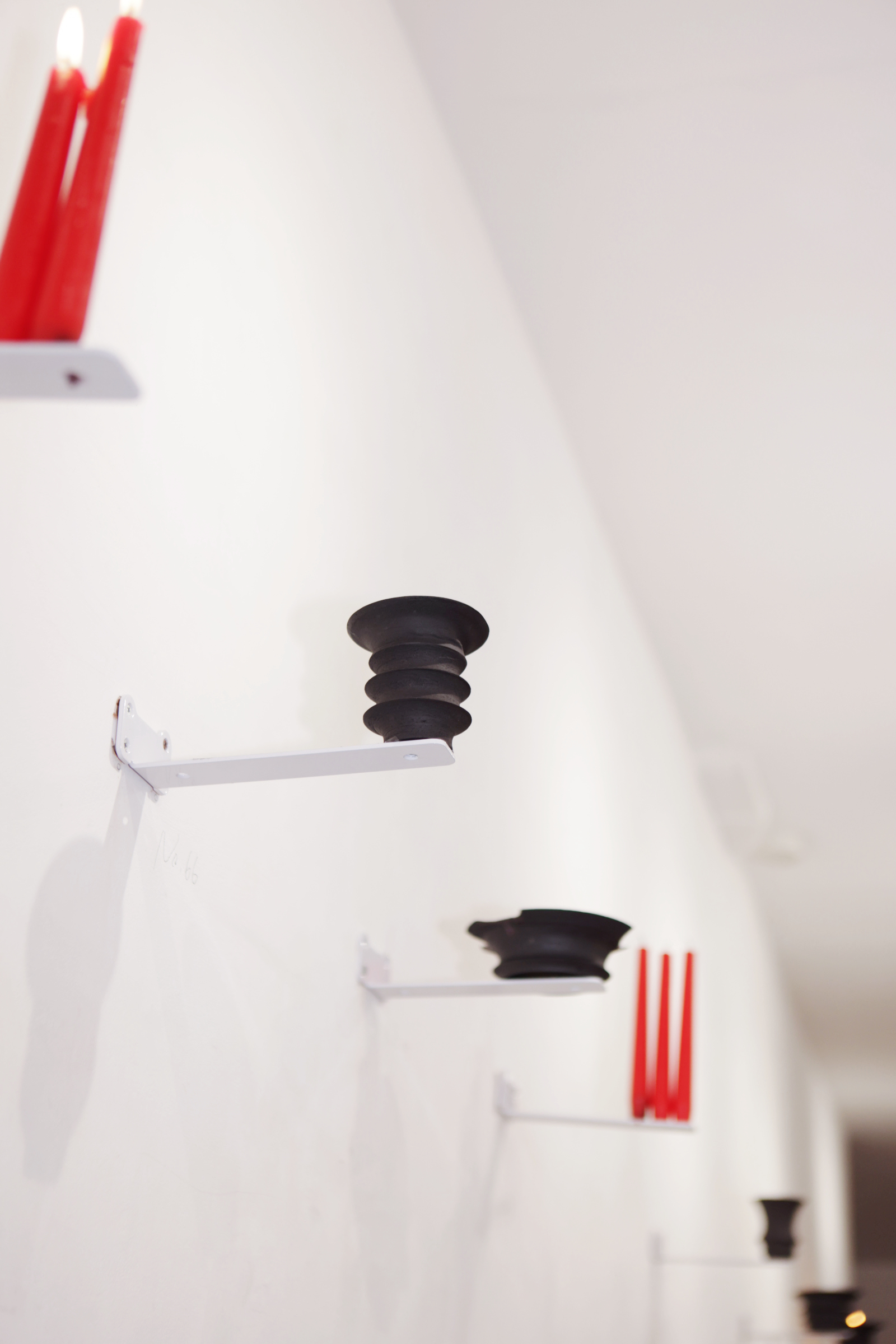
That questioning became particularly visible in her debut solo exhibition, Out of Specification at Fitzrovia Gallery in London in 2025. Combining conceptual ceramics, photography, and video, the exhibition explored the pressure placed upon women’s bodies within cultures shaped by productivity, usefulness, and behavioural expectation. Ceramic works such as Bound Control Unit, Muscle Tuner Unit, and Tactile Aid Units resembled objects caught somewhere between medical devices, industrial components, and bodily fragments. Cables, thread, muslin, and fired clay were physically bound together, creating forms that appeared restrained, interrupted, or held in tension. Rather than presenting clean sculptural objects, the works deliberately retained discomfort and instability, reflecting her wider interest in how people are shaped, corrected, and categorised through social pressure and expectation.
Alongside her solo work, Shavonne’s practice has continued developing through exhibitions including Ashes to Ashes and Material World with Swanfall Art in London. These exhibitions pushed her work further into installation and spatial presentation, moving beyond individual objects into physically immersive spaces where material, sound, image, and atmosphere operate together. Conversations with curators, artists, and collaborators during this period also encouraged her to think beyond static sculptural forms and towards exhibitions that audiences experience physically as well as visually.
Yang does not approach technology through either optimism or fear. Her more recent projects Recovery Programme, exhibited at pabepabe art store and gallery in Hong Kong, exploring AI and emerging technologies are driven less by spectacle than by human questions. She is interested in how emotional connection, labour, intimacy, memory, and identity begin changing when daily life becomes increasingly mediated through artificial intelligence, automation, and digital interaction. Rather than rejecting technological change outright, her work examines the uncertainty surrounding it. How much of human behaviour is genuinely self-directed, and how much is quietly shaped by convenience, efficiency, surveillance, and invisible social pressure? At what point does convenience begin replacing intimacy? These are the questions increasingly sitting beneath her newer installations and interdisciplinary projects.
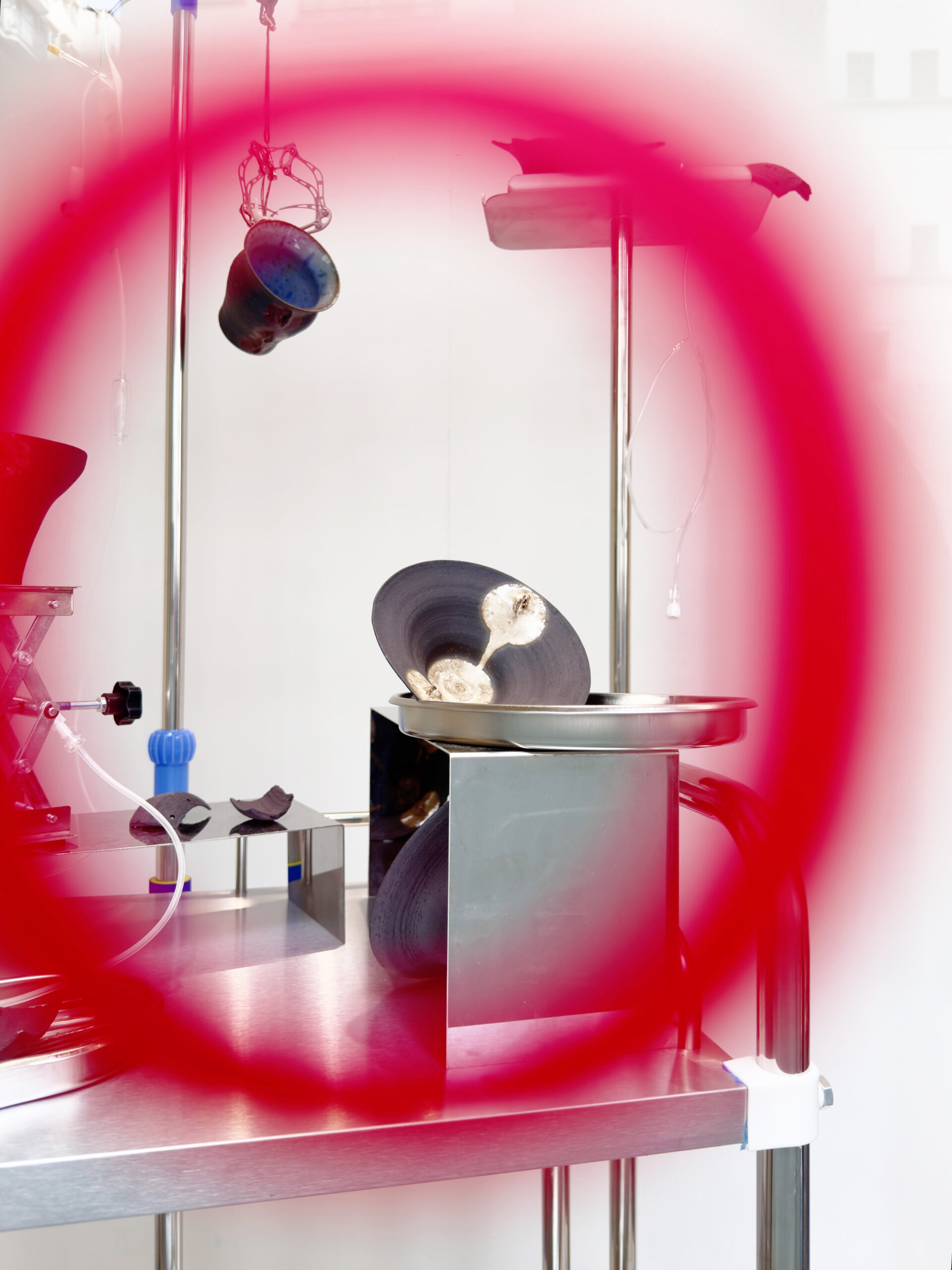
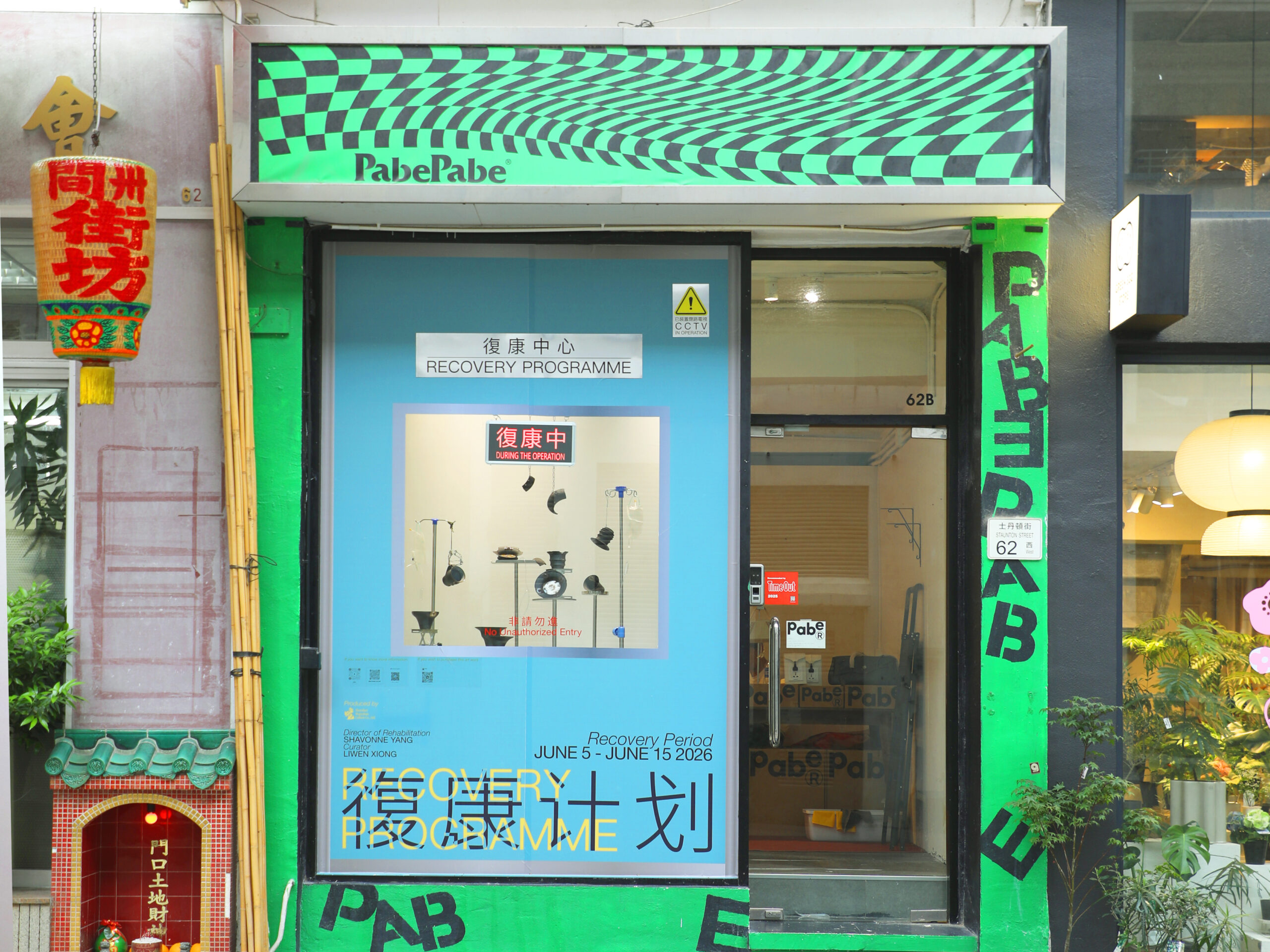
As her practice continues evolving, Shavonne Yang is increasingly interested in creating larger works that combine ceramics, installation, moving image, sound, and emerging digital technologies into immersive spatial experiences. Yet despite the variety of media she works across, the core of her practice remains consistent. Her work continues returning to people: how they adapt, perform, endure, and negotiate themselves within cultures that constantly attempt to define what their bodies, behaviours, and identities should become.

