

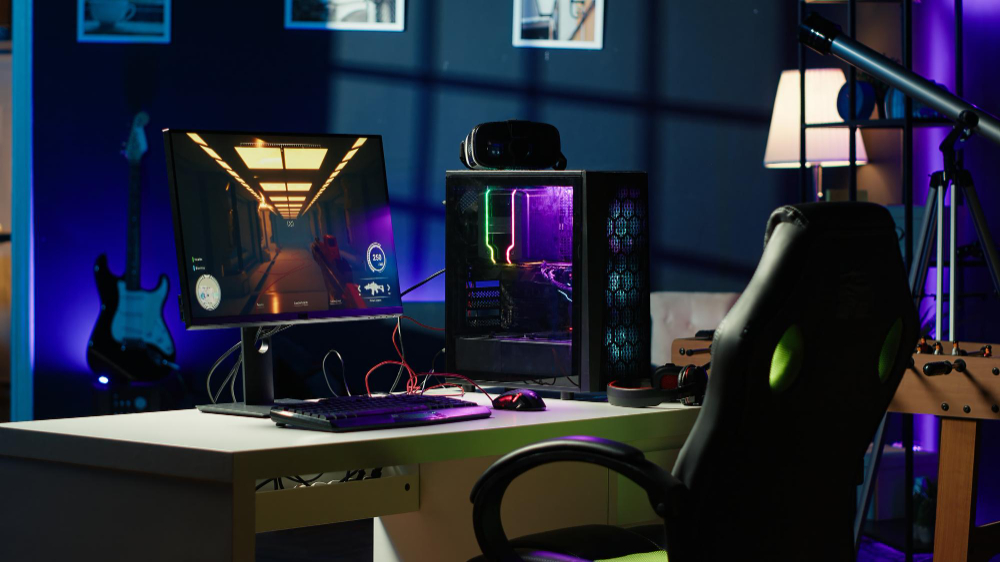
The definition of gaming has changed dramatically over the past decade. What was once associated primarily with consoles and PCs now includes mobile games, cloud gaming, interactive livestreams and a wide range of digital entertainment platforms. Today’s players rarely limit themselves to a single type of experience, instead moving seamlessly between different forms of online entertainment.
This shift has been driven by improvements in technology, faster internet connections and changing consumer habits. Whether someone enjoys competitive multiplayer games, story-driven adventures or casual mobile titles, digital entertainment has become more accessible than ever before.
As the industry continues to evolve, the boundaries between gaming and other interactive experiences are becoming increasingly blurred.
Different Forms of Online Entertainment Appeal to Different Players
Modern players are no longer interested in just one type of digital experience. Many people enjoy traditional video games alongside streaming platforms, fantasy sports, esports and online casino games. Preferences often vary depending on personal interests as well as local regulations.
In Finland, for example, players frequently look for information about a verovapaa kasino, as taxation rules are an important consideration when choosing where to play. This illustrates how local regulations continue to shape consumer behaviour even within an increasingly global digital entertainment market.
Although different forms of entertainment appeal to different audiences, they all compete for the same thing: players’ time and attention.
Convenience Has Become a Major Priority
One of the biggest trends across the gaming industry is convenience. Players expect fast loading times, intuitive interfaces and the ability to access their favourite services across multiple devices.
Cross-platform gaming has become a standard feature for many popular titles, while cloud technology allows users to continue playing without investing in expensive hardware. Mobile devices have also transformed gaming into an activity that can fit almost any schedule, whether during a commute or while relaxing at home.
The same expectation for simplicity can be seen across many digital entertainment services, where users increasingly value speed, accessibility and seamless user experiences.
Communities Shape Modern Gaming
Gaming has become far more social than it was in the past. Players no longer experience games in isolation, but instead participate in online communities through Discord servers, Reddit discussions, livestreams and social media platforms.
These communities often influence which games become popular, which updates receive praise and which new releases generate the most excitement. Content creators also play a significant role by introducing audiences to games they may never have discovered otherwise.
For developers, building an active community has become almost as important as developing the game itself.
The Future of Digital Entertainment
Artificial intelligence, virtual reality and cloud technologies are expected to continue changing how people interact with digital entertainment over the coming years. Developers are investing heavily in personalised experiences, smarter game systems and more immersive worlds.
At the same time, players are becoming increasingly selective about where they spend both their time and money. Quality, transparency and convenience are likely to remain among the most important factors influencing future entertainment choices.
While the platforms may continue to evolve, one thing seems certain: gaming is no longer a standalone hobby. It has become part of a much broader digital entertainment ecosystem where different experiences increasingly overlap and complement one another.

