

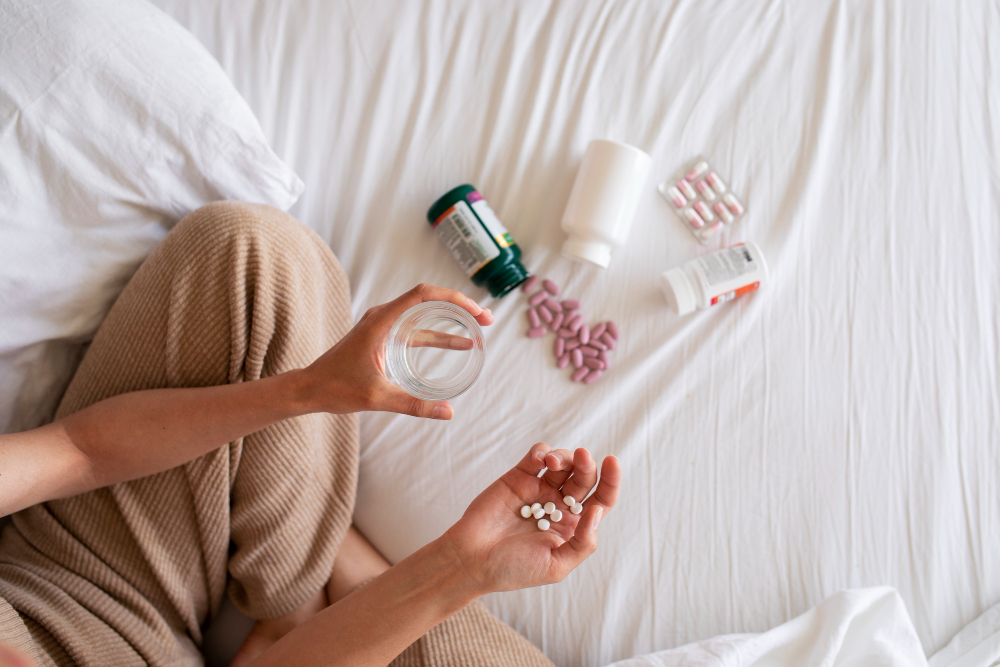
Hormones influence sleep depth, glucose use, appetite, muscle repair, mood, libido, and mental focus. A supplement may help fill nutrient gaps, but it should match age, lab history, medications, and daily habits. New buyers need plain labels, reasonable serving sizes, and ingredients with a physiological purpose. Careful comparison helps people avoid exaggerated claims and choose support that fits real health needs.
Start With Goals
Before buying a hormone support supplement, shoppers should name the concern they want to address. One person may notice low morning energy, while another tracks slower recovery, poor sleep, or reduced drive. Clear goals make product comparison easier, limit wasted spending, and give any trial period a fair way to measure change.
Check the Ingredient List
A credible formula names each active compound and shows the amount per serving. Proprietary blends make dose review difficult. Common choices include vitamin D, zinc, boron, magnesium, fenugreek, tongkat ali, and vitamin K. Each nutrient or extract should serve a clear role, such as steroid hormone production, mineral repletion, stress response, or muscle recovery.
Review Dose Quality
Higher serving levels do not guarantee better results. Dose quality depends on research ranges, safety limits, and individual tolerance. Beginners should compare label amounts with clinical guidance and avoid formulas that stack many strong extracts together. Underdosed products may do little, while excessive intake can cause nausea, sleep disruption, or abnormal lab values.
Look for Testing
Independent testing gives buyers more confidence in purity and label accuracy. This matters with herbs, minerals, and concentrated plant extracts. Look for batch checks, contaminant screening, and clear manufacturing standards. Facilities that follow good manufacturing practices reduce the risk of inconsistent capsules, hidden ingredients, or poor sanitation during production.
Avoid Hormone Claims
Supplements should support normal physiology, not claim to cure illness or replace medical care. Fatigue, low libido, weight gain, or mood changes can come from thyroid disease, sleep apnea, medication effects, depression, or nutrient deficiency. Strong promises deserve caution. New, severe, or persistent symptoms should be reviewed with a qualified clinician.
Match the Formula
Needs vary by sex, age, training load, and health history. Active adults may prioritize magnesium, zinc, recovery support, and sleep quality. Older adults often need attention to vitamin D, bone metabolism, and energy stability. Men may compare testosterone-focused ingredients, while women should avoid male-oriented formulas unless a clinician confirms fit.
Read the Label
A useful label lists serving size, directions, warnings, allergens, and inactive ingredients. Capsules, tablets, powders, and gummies can differ in absorption, sugar content, and digestive comfort. Check for stimulants, caffeine, sweeteners, and concentrated botanicals. These may affect sleep, heart rate, blood pressure, digestion, or prescription medication routines.
Consider Lifestyle First
Supplement results depend on the routine around them. Sleep duration, protein intake, resistance training, sunlight exposure, hydration, and stress control all influence hormone signals. Poor recovery habits can blunt progress, even with a well-made product. Supplements work best as support, not as a replacement for food, rest, movement, and care.
Track Changes Carefully
Simple notes help separate real shifts from normal changes. Weekly tracking can include energy, mood, sleep, training performance, libido, appetite, digestion, and skin changes. Some people benefit from baseline and follow-up lab work through a clinician. A month may reveal early patterns, but sustainable hormone support usually requires consistent habits.
Watch for Side Effects
Any new product can cause unwanted reactions. Digestive upset, headaches, acne, sleep changes, anxiety, or mood shifts should be taken seriously. Extra caution is needed with fertility treatment, thyroid disease, hormone-sensitive conditions, or prescription drugs. Stop use and seek medical guidance if symptoms feel unusual, intense, or persistent.
Compare Value
Price should reflect serving count, transparent dosing, ingredient quality, testing, and return terms. A low-cost bottle may offer poor value if amounts are weak or several servings are required daily. Subscription plans can suit steady users, but cancellation rules matter. The best option fits goals, budget, tolerance, and routine.
Conclusion
Choosing hormone support supplements begins with understanding health goals, readable labels, sensible doses, and realistic expectations. Buyers should favor tested formulas, evidence-informed ingredients, and companies that explain serving amounts clearly. Daily habits still carry major influence, especially sleep, nutrition, training, and stress control. With careful tracking and medical input when appropriate, people can choose support that respects both safety and cost.

