

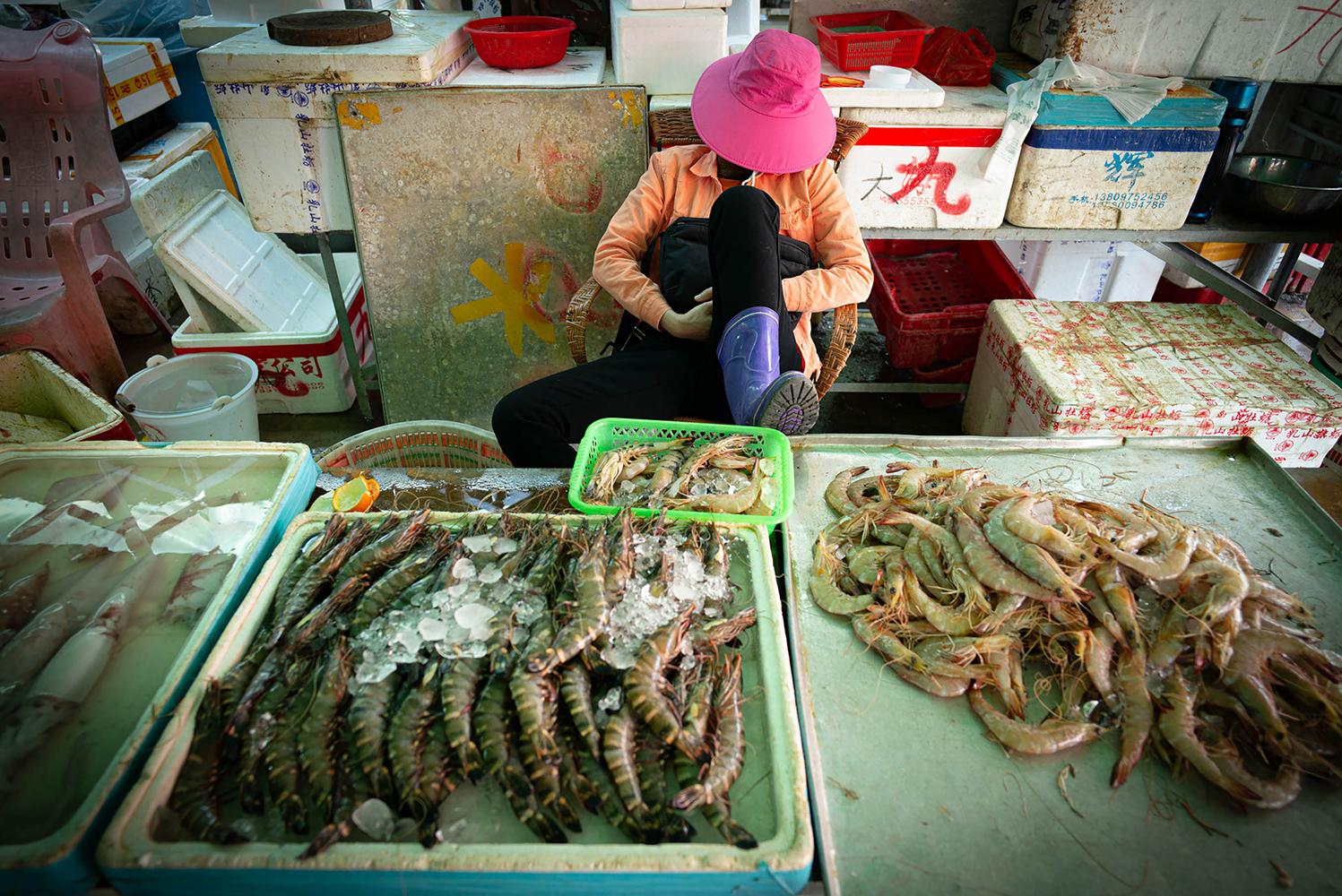
For multidisciplinary artist Qi Liu, photography, installation, spatial design, and collaborative visual storytelling are not separate disciplines so much as different ways of addressing the same questions. Across these formats, Liu returns to memory, human relationships, perception, and the emotional charge of ordinary environments. Her work is distinguished by a sustained attention to what is easily passed over: familiar spaces, everyday gestures, and social structures that often remain visible without being fully seen.
That sensibility is especially clear in The Women in the Fish Market, a photographic series centered on women working in traditional fish markets. Rather than framing its subjects through spectacle, Liu focuses on the rhythms, labor, and quiet dignity embedded in daily life. The photographs establish an observational language grounded in restraint and empathy, allowing small details of posture, expression, and environment to carry much of the emotional weight.
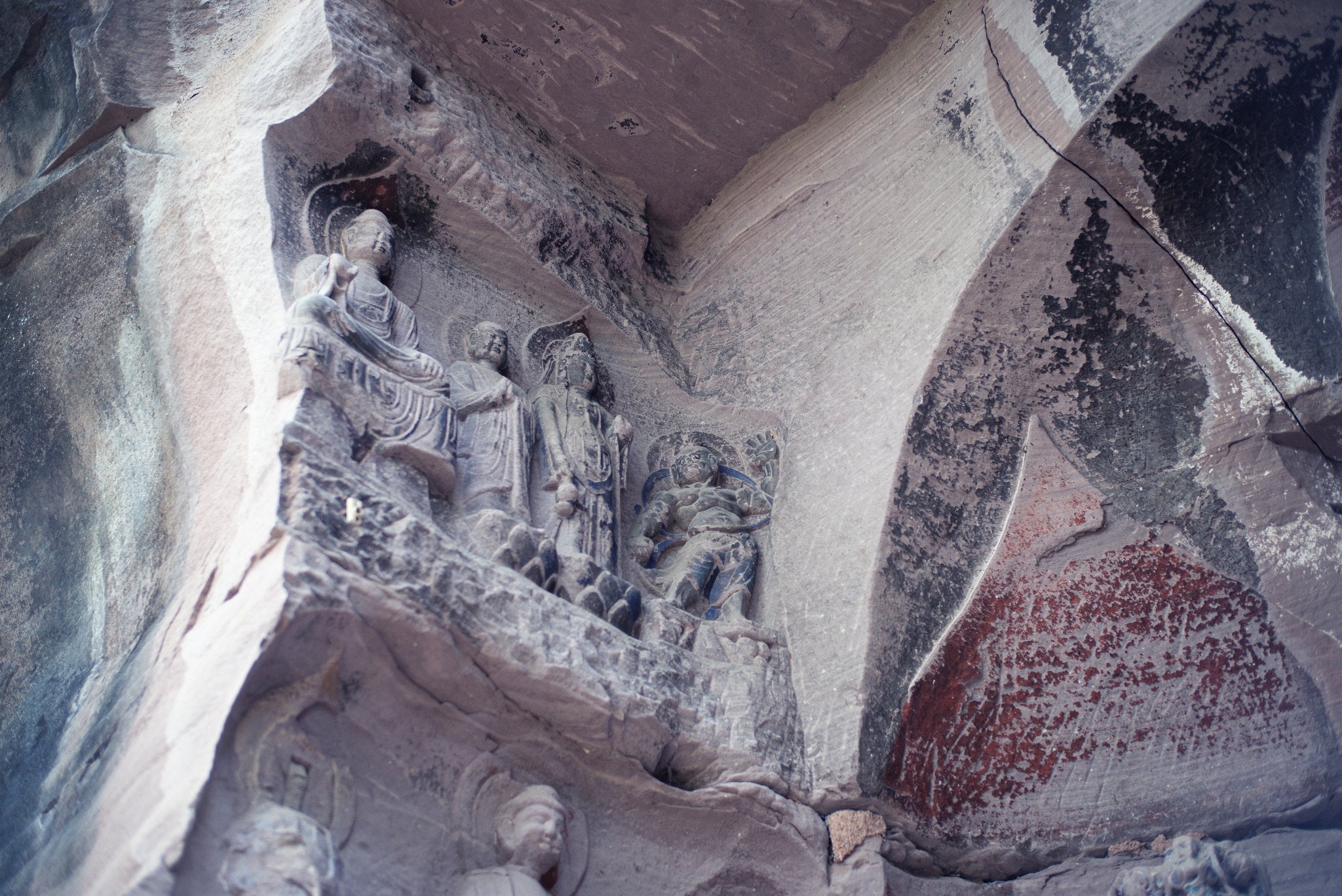
Related concerns appear in Wild Buddhas and Blind Spot, though each project approaches them from a different direction. Wild Buddhas considers the coexistence of spirituality and urban life, locating religious imagery within contemporary landscapes where sacred and everyday experience occupy the same visual field. Blind Spot turns toward perception and absence, drawing attention to what remains unnoticed even when it is directly present. Together, the works demonstrate Liu’s sustained engagement with the relationship between people, place, and visibility, balancing documentary sensitivity with a distinctly conceptual approach.
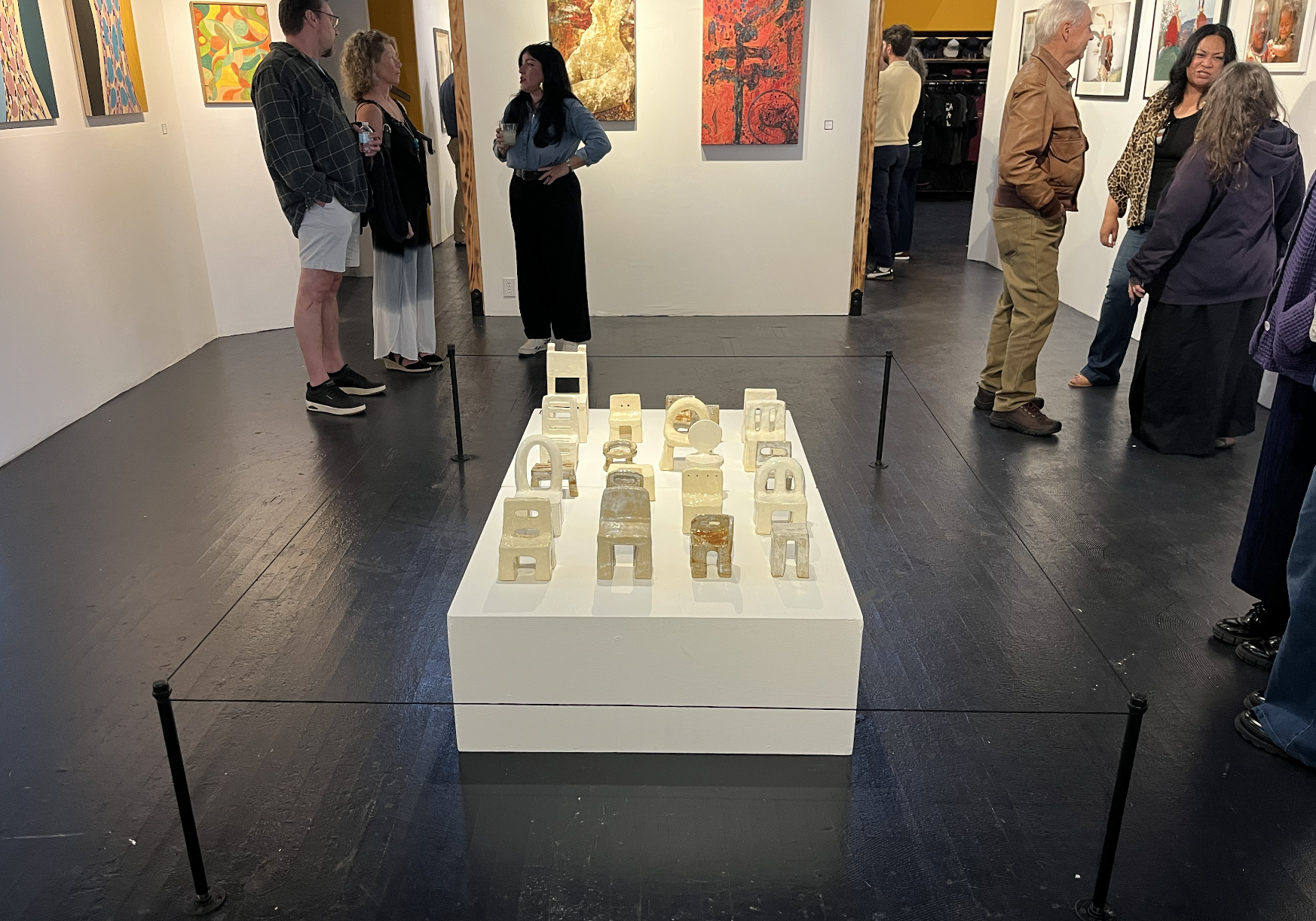
In QiQi Chairs Fair, Liu carries these concerns into installation. The work uses handmade miniature chairs to examine gender and the social expectations placed upon women, transforming an ordinary object into a visual metaphor for structures that can be intimate, habitual, and difficult to name. Through repetition, scale, and spatial arrangement, the chairs move beyond their functional associations and become part of a broader reflection on how social roles are organized and internalized. The installation also shows Liu’s ability to translate conceptual questions across material and spatial forms without losing the observational precision that defines her photographic work.
Liu’s work has received recognition through curated platforms and international juried competitions. She was selected for inclusion in Floorr Magazine’s Artist Directory, a curated platform featuring contemporary artists from around the world. Her installation QiQi Chairs Fair received 4th Place in the 3 Dimensional category at the 15th All Women Exhibition presented by Light Space & Time Online Art Gallery. She also received an Honorable Mention Award in Teravarna’s 13th OPEN International Juried Art Competition. Taken together, these selections and distinctions reflect recognition of a practice that operates confidently across photography, installation, and spatial composition.
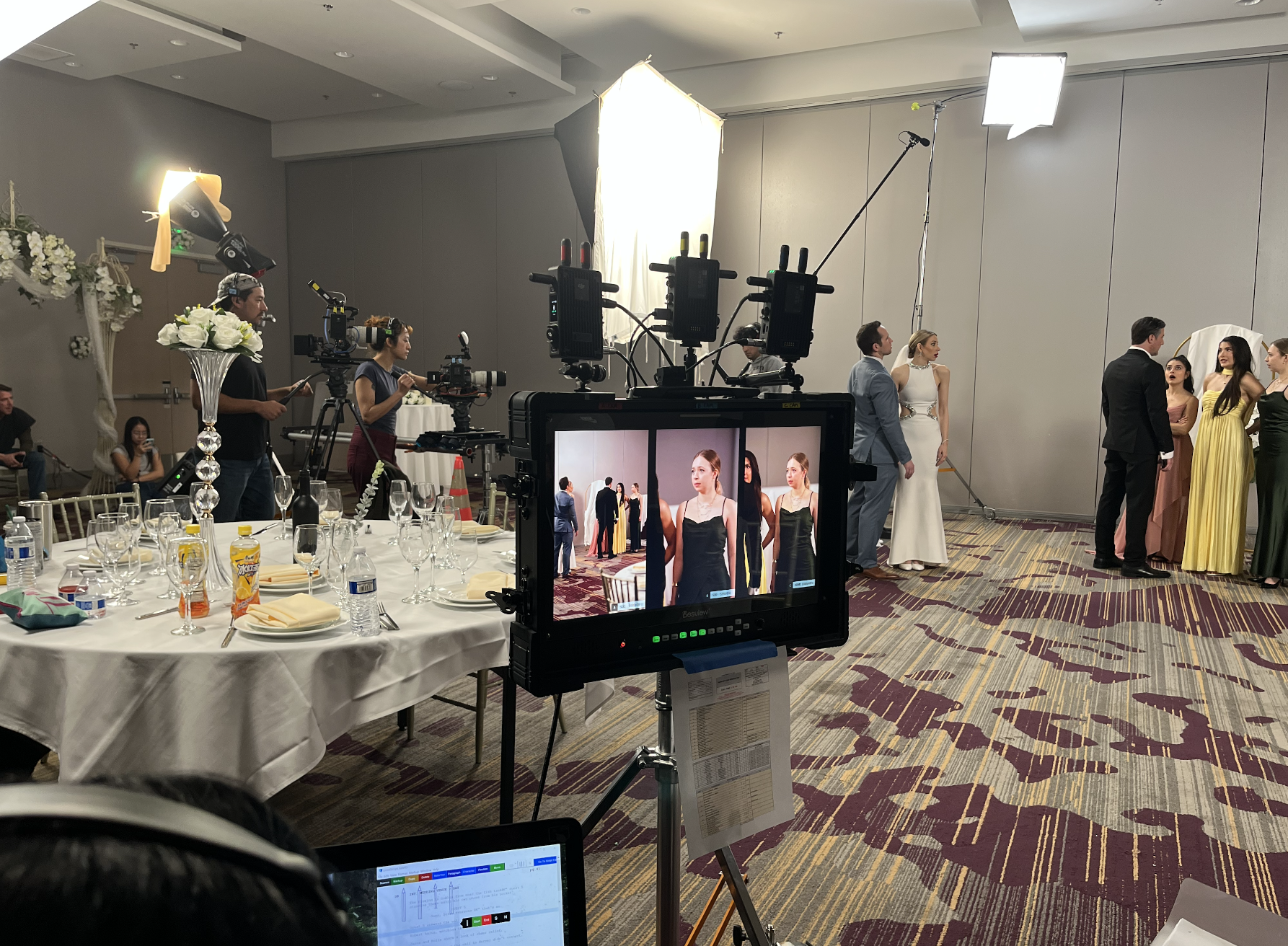
The same visual intelligence also informs Liu’s work in production design. As Production Designer for the vertical drama Karma at Your Wedding, she shaped the project’s visual environment through spatial composition, color, and atmosphere. The series has accumulated more than 10.2 million views on ShortMax, placing Liu’s design work before a broad digital audience. Although the production context differs from that of a gallery or exhibition, her approach remains consistent: space is treated as an active narrative element, capable of directing attention and shaping emotional experience.
What connects Liu’s projects is less a single medium than a particular way of looking. Her photographs, installations, and designed environments ask viewers to consider how meaning is produced through spaces that may initially appear ordinary. A fish market, an urban religious image, an overlooked visual detail, or a miniature chair can become a point of entry into larger questions about memory, gender, perception, and social experience.
This coherence gives Liu’s multidisciplinary practice its distinct character. Photography offers her a way to observe; installation allows her to reorganize familiar objects and spatial relationships; production design extends those concerns into collaborative narrative environments. Across each form, Liu maintains a clear visual language built on close attention, conceptual restraint, and an understanding of how physical surroundings can carry emotional and social meaning.

