

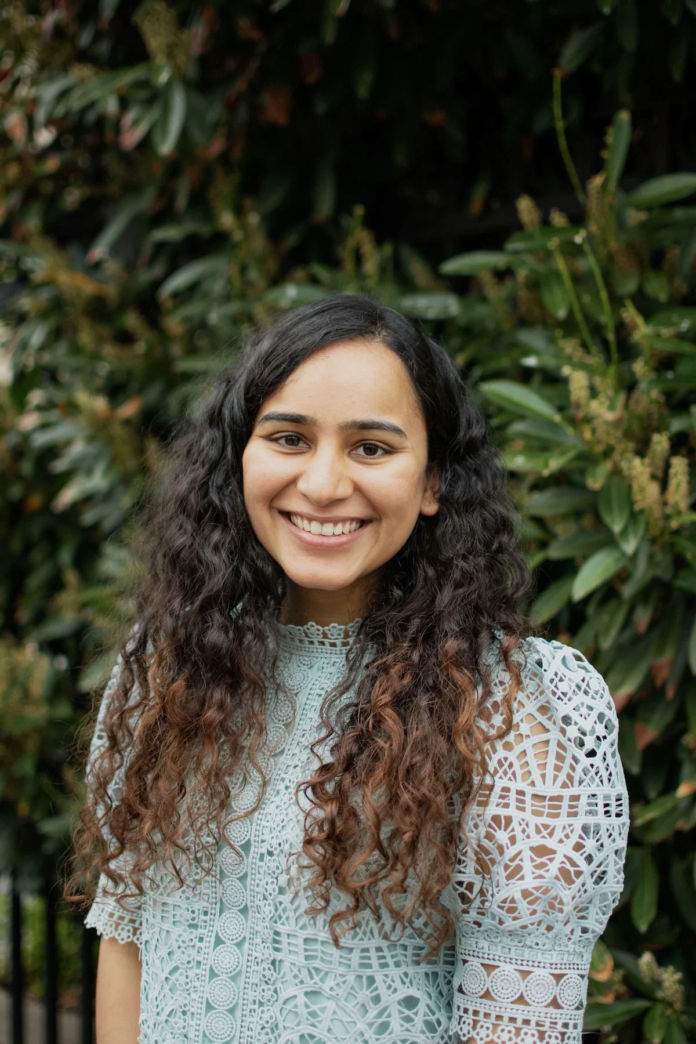
Some designers make things look better. Dhvani Shah makes things make sense. That may sound like a small distinction, but in her career it has been everything: the line between decoration and design, between a pretty surface and a system that actually works for its people.
As a designer, Shah’s path has moved through three very different worlds but the thread connecting them has remained steady. She has always been interested in the same question, How do you make something useful, humane, and clear for real people?
A social edge
That question first came into focus in the fast-paced advertising world of Ogilvy Mumbai, where Shah worked as an art director. The agency, among the top in India, offered an environment that was fast, competitive, and built around ideas that had to travel quickly across television, print, digital, and out-of-home media. Shah contributed to integrated campaigns for brands such as Cadbury, Unilever, and Tata Salt, shaping new concepts under pressure and across formats.
Even early in her career at Ogilvy, what interested her most were the projects that did more than attract attention. The work that stayed with her had to have a social edge, a practical purpose, or both. In the Cadbury Dairy Milk Unity Bar campaign, for instance, different kinds of chocolate were used to represent different skin tones. In the Unilever Hamam Waterproof Saree campaign, the idea spoke to women’s safety. These were advertising campaigns, but they were also interventions, ways to use design and communication to say something about the world.
From there, Shah took on more responsibility at Ramson Industries, an Indian manufacturer of cutlery, where she served as lead designer. While agency work had taught her how to move ideas quickly, in-house brand work taught her how to glue a system together. She was responsible for visual identity across packaging, catalogs, logo systems, store collateral, social media, and the launch of an e-commerce platform.
“It was the kind of role where you touch everything,” Shah recalls. “From the label on a box to the homepage of the website and sometimes even product designs.”
Maryland days
Shah could have stayed in India and in the advertising world. But she decided to pursue an MA in social design at the Maryland Institute College of Art, from which she graduated in 2022. At MICA, Shah gained the design research skills and systems-thinking framework she uses every day. Her thesis project, The Last Name Game, looked at patrilineal naming conventions and the gender inequity they reproduce. Through more than 20 interviews, she translated social research into an interaction design prototype that made inherited assumptions visible.
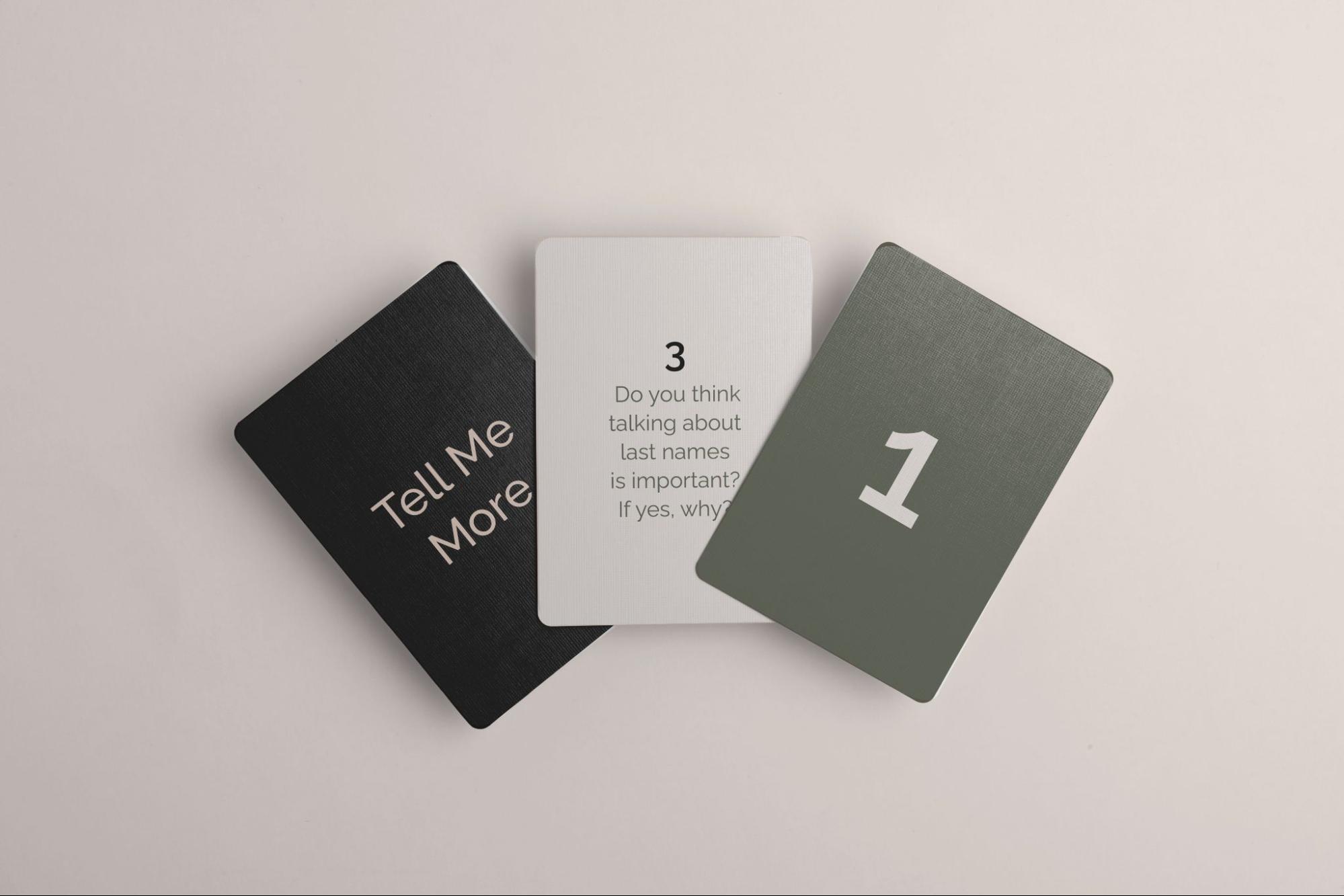
Names continue to fascinate her.
“My name, Dhvani, means sound in Sanskrit,” she says. “I think about that a lot. The idea that good design, like good sound, should travel.” That idea runs through her work. Good design should reach people without friction, Shah believes. It should simply arrive where it is needed and do its job.
With her MICA degree in hand, Shah stepped into a new career, doing user experience/user interface (UX/UI) work for institutional systems. She saw the work as a continuation of a fascination with design, one she had always had. Shah had always cared about clarity, usefulness, and the human experience. Now she was ready to apply those instincts to systems that affect how people move through bureaucracy, access services, and get help when they need it most.
A public sector modernizer
Today, Shah continues to work in public-sector modernization, helping redesign legacy systems that many people depend on but few ever think about until something breaks. She has worked on a compliance platform originally built in the 1990s, a state unemployment insurance system, and a comprehensive information management system used by early childhood programs across the US.
The work is behind the scenes, but it carries a big impact. It can quietly shape a person’s day, or ruin it, as Shah notes. “A confusing workflow can mean a phone call, a delay, a missed benefit, a frustrated caseworker, or a program stuck waiting longer than they should,” she says. “My work is to make those systems less fragile and less confusing.” In such an environment, design becomes less about expression and more about infrastructure.
The hardest part of that transition, Shah says, was learning to design inside systems with more constraints, more stakeholders, and more serious consequences. In agency life, a weak idea may simply fail, but in public-sector modernization, a poorly designed flow can prevent someone from accessing a service they need. “That reality changed how I work,” she says. “It made me more committed to understanding the full context before suggesting a solution.”

A career commitment
Shah’s career has also included a commitment to widening access within the creative profession. As a founding member of Indian Creative Women, Shah has helped build a platform that supports women creatives through portfolio evenings, mentorship, and community sessions. The initiative has grown to thousands of supporters and partnerships across the industry, including Cannes Lions See It Be It, The One Club, and Kyoorius.
“That matters because visibility shapes opportunity, and opportunity shapes who gets to stay in the room.” she says. Looking ahead, Shah says she remains committed to public or private sector modernization and design. And, as always, she is looking to help others in need, so they too can make a difference.

